
Ceylon cinnamon powder is the dried inner bark of the Cinnamomum verum tree, ground into a fine, tan powder. Often sold as “true cinnamon,” it tastes milder and slightly sweeter than the cassia cinnamon that fills most U.S. spice jars. For the background, see our complete guide to Ceylon cinnamon.
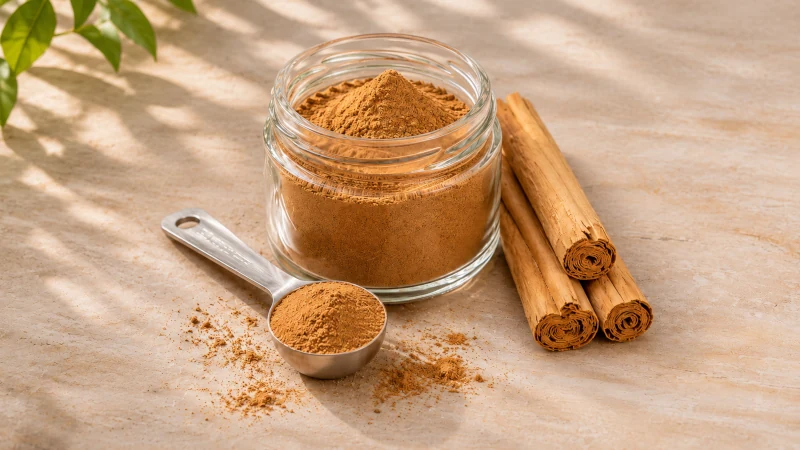
This article covers the practical side: choosing a genuine, good-quality powder, reading its label, cooking with it, and keeping it fresh.
What Makes Good Ceylon Cinnamon Powder?
A good powder is the right species, contains nothing but cinnamon bark, was ground fairly recently, and comes from a seller who can show where it came from and what it was tested for.
Smell is a fair freshness test: fresh powder smells sweet and warm, and tired powder smells like dust. But smell and color cannot confirm the species or reveal contaminants. For those, you depend on what the seller can document.
| Feature | What to look for | Why it matters |
| Species name | Cinnamomum verum or C. zeylanicum on the label | “Cinnamon” alone can mean several species |
| Ingredients | One ingredient: cinnamon bark | Sweeteners, flavors, or other spices mean it isn’t plain powder |
| Origin and lot | Country of origin plus a lot number | A lot number lets you match your jar to recall notices and test reports |
| Date | A best-by date or, better, a pack date | Ground spice loses aroma steadily |
| Packaging | Sealed, opaque, and sized to finish within months | Light, heat, and moisture dull flavor |
| Testing | Heavy-metal results for the lot | Lead has been found in some ground cinnamon |
How to Tell Whether Ceylon Cinnamon Powder Is Authentic
Whole Ceylon quills are easy to recognize by their thin, papery layers. Grinding erases that evidence. Even laboratories find ground bark difficult, because bark holds little DNA and drying and grinding break up what remains (study in Plants, 2024). Reliable identification takes lab testing.
Mislabeling does happen. In a study of 52 cinnamon samples bought in European shops, four ground products labeled Ceylon turned out to be cassia or cassia-heavy blends (study in Analytical and Bioanalytical Chemistry, 2023). That doesn’t describe U.S. shelves, but it shows a label is a claim and not proof.
At home, that leaves the label and the seller:
- Botanical name. Look for Cinnamomum verum or its older synonym, Cinnamomum zeylanicum. FDA’s spice-naming guidance lets the plain word “cinnamon” cover Ceylon, Chinese, and Saigon bark alike (FDA Compliance Policy Guide 525.750).
- Ingredient list. It should name cinnamon and nothing else.
- Country of origin. Sri Lanka is the main source, which makes it a clue and no more. In the European study, some Sri Lankan bark samples still failed an international quality standard.
- Traceability. A lot number, a named packer or importer, and a seller who answers sourcing questions.
- Testing documents. A certificate of analysis is a lab report for one lot. Its lot number should match your package.
“Pure,” “natural,” “premium,” and “true” are marketing words. None shows that a product was tested.
Be wary of home tests as well. Ceylon powder usually looks lighter than reddish-brown cassia, but shade shifts with the bark and the grind, and a blend can look convincing.
Organic vs. Conventional Ceylon Cinnamon Powder
Organic certification describes how the cinnamon was grown and handled. A product labeled “organic” must contain at least 95% certified organic ingredients, and a USDA-accredited certifier must approve its label. The standards exclude genetic engineering, irradiation, and sewage sludge, and limit farm inputs to an approved list (USDA Agricultural Marketing Service).
The seal does not establish three things:
- Species. It says nothing about which cinnamon is in the jar.
- Freedom from heavy metals. Certifiers test samples from at least 5% of the operations they oversee each year, and those tests may include contaminant metals. That is spot-checking, not a lead test on every lot (USDA National Organic Program, 2024).
- Better flavor. Certification doesn’t grade taste. Freshness matters more.
Paying extra for organic Ceylon cinnamon powder is reasonable if farming practices matter to you. Ask the same species and testing questions either way.
How to Use Ceylon Cinnamon Powder
Ceylon’s flavor is gentle, so it suits dishes where you want warmth without bite. The amounts below are ordinary cooking quantities, not doses.
Adding Ceylon Cinnamon Powder to Coffee
Mix about ¼ teaspoon into the coffee grounds before brewing, and the filter will catch most of the particles. Stirred straight into a cup, the powder floats, clumps, and then sinks. For the mug, first work it into a spoonful of warm milk or honey.
Using It in Oatmeal and Breakfast Foods
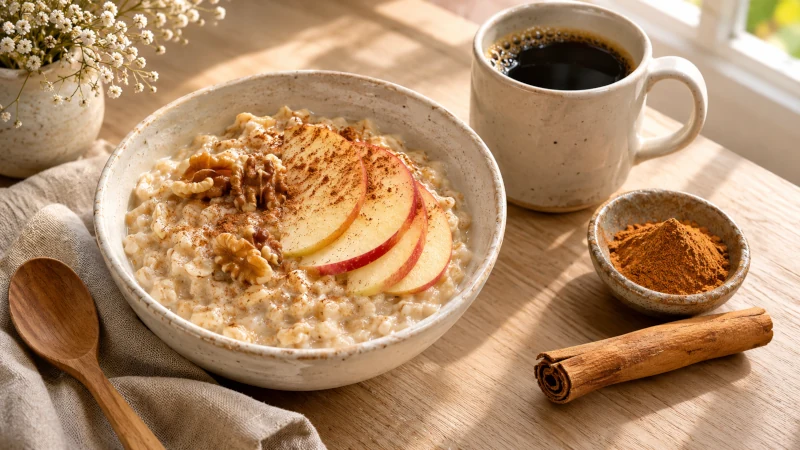
Stir ½ teaspoon into oats while they cook so the powder hydrates and spreads evenly. For yogurt, mix in ¼ teaspoon and give it a minute to soften. It also works dusted over sliced apples, bananas, or toast.
Baking With Ceylon Cinnamon Powder
Cassia is the most common cinnamon sold in North America, so most recipes assume its stronger flavor. The same measure of Ceylon gives a softer result. Where cinnamon is the star, as in cinnamon rolls or snickerdoodles, try a quarter to a half more than the recipe states. In custards, shortbread, and fruit pies, the written amount is usually right.
Using It in Smoothies and Beverages
A blender disperses the powder well, and ¼ to ½ teaspoon per serving is plenty. In thin drinks it settles within minutes, so stir before each sip.
Using It in Savory Recipes
Add a pinch to ½ teaspoon to a pot of rice pilaf, lentil stew, chili, or a tomato-based braise. It also blends well with cumin, coriander, and paprika in rubs for roasted carrots, squash, or chicken.
Does Ceylon Cinnamon Powder Dissolve in Water?
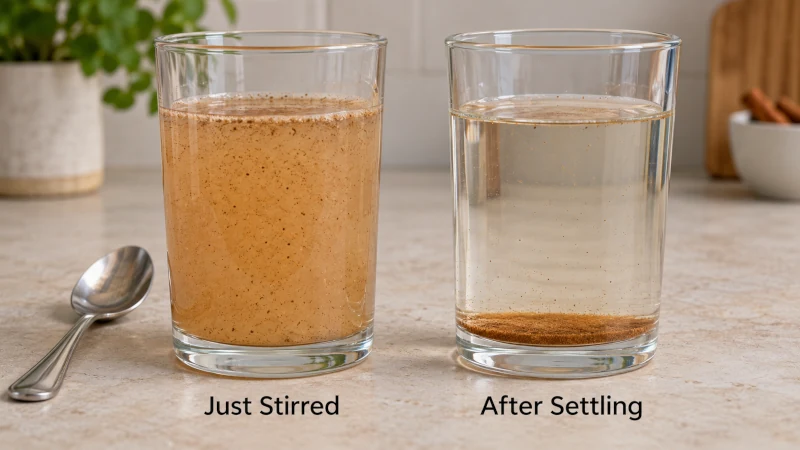
No. Cinnamon powder is finely ground bark made largely of cellulose fibers, and those fibers don’t dissolve (article in Pediatrics, 2013). Sugar disappears into water. Cinnamon particles stay solid and hang in the liquid for a while, which is a suspension.
Hot water and hard stirring slow the settling without preventing it. Thicker liquids such as milk and smoothies hold the particles longer than water or tea. Expect fine sediment and a slightly gritty last sip.
If that bothers you, steep the powder in hot water for several minutes and pour it through a paper filter. You keep the flavor and leave the sediment behind. Drinking the suspended powder means swallowing the bark itself. Let texture decide.
How to Store Ceylon Cinnamon Powder for Maximum Freshness
Keep the powder in a tightly sealed container in a dry cupboard, away from light and heat. A rack above the stove is one of the worst spots (Penn State Extension, 2024). Keep jars clear of kettles, dishwashers, and other steam, and spoon the powder out instead of shaking the jar over a hot pot.
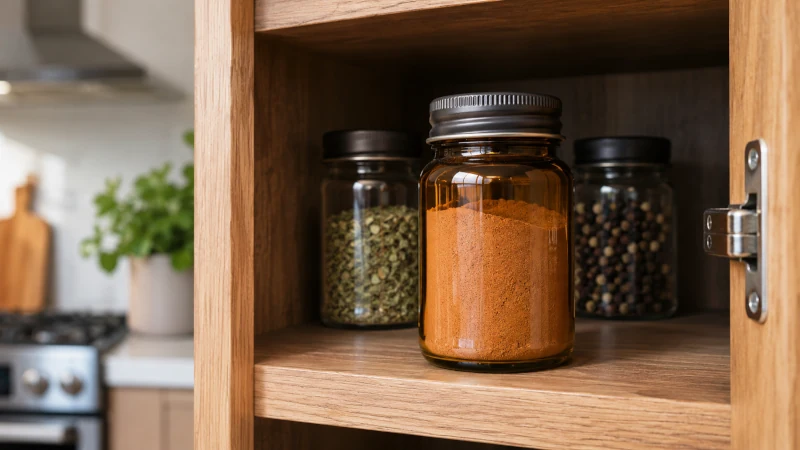
Ground spices fade faster than whole ones. Penn State Extension suggests checking ground spices after about six months. That is flavor guidance, not a safety deadline, and a “best if used by” date works the same way: it marks peak quality and is not a safety date (USDA Food Safety and Inspection Service).
To check, open the jar and smell it. Faint aroma means the powder is usable but won’t add much. Discard powder that shows mold, damp clumps, a musty odor, or insects.
Ceylon Cinnamon Powder vs. Whole Cinnamon Sticks: Which Should You Choose?
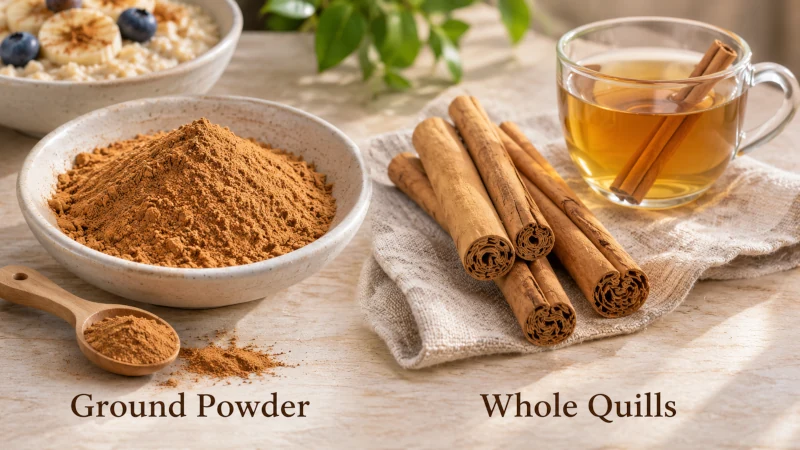
Choose powder if you bake or want cinnamon in oatmeal, yogurt, and smoothies. It measures cleanly by the spoonful and blends straight into batters and doughs.
Choose sticks if you mostly flavor liquids. A quill steeped in tea, cider, or a pot of rice gives up its flavor and lifts out, leaving no sediment. Sticks also hold their quality much longer, more than two years by Penn State Extension’s estimate, and their layered shape is easier to recognize than anything about a powder.
The tradeoff is effort. Turning sticks into powder takes a spice grinder, and home-ground cinnamon is rarely as fine as commercial powder. Many cooks keep both: a small jar of powder for baking and breakfast, and a few sticks for steeping.
Where to Buy Ceylon Cinnamon Powder and What to Check Before Ordering
Grocery stores are convenient, but many carry only jars labeled “cinnamon,” with no species named. Specialty spice retailers more often state species and origin. Online marketplaces offer the widest choice and the least consistency, so read the label photos and not just the listing title. Direct specialty suppliers sometimes publish lot-level test results.
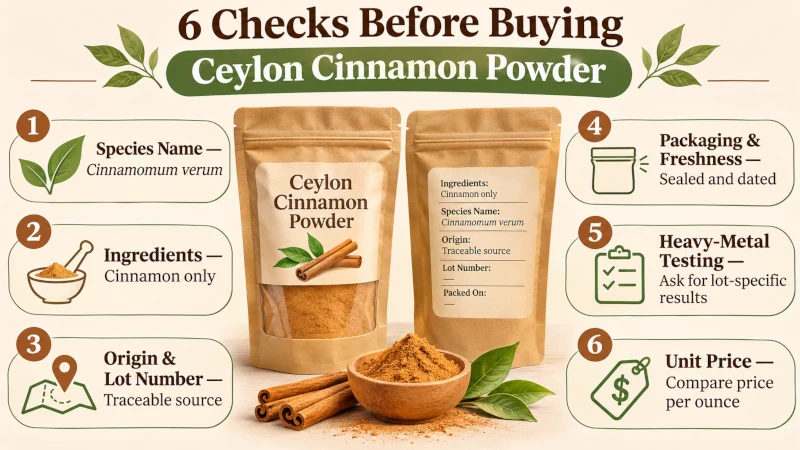
Whichever you use, run six checks:
- Species name. Cinnamomum verum or C. zeylanicum appears on the package itself.
- Ingredient purity. Cinnamon is the only ingredient.
- Source and traceability. There’s a country of origin, a lot number, and a named company.
- Packaging and freshness. The container is sealed and resealable, with a best-by or pack date.
- Contaminant-testing transparency. The seller posts or will send heavy-metal results for your lot.
- Price per ounce or gram. Divide the price by the net weight. One ounce is about 28 grams.
Unit price makes packages comparable. A one-pound bag usually costs less per ounce than a small jar, yet it’s a poor deal if half goes stale. At similar prices, the product with a lot number and test results is the better value.
Safety Considerations When Buying and Using Ground Cinnamon
Check FDA’s lead alert. FDA keeps a public health alert listing ground cinnamon products found to contain elevated lead, and it has added products repeatedly, most recently on November 4, 2026. The agency advises throwing listed products away and says no illnesses had been reported in connection with them (FDA public health alert, updated November 4, 2026). Most ground cinnamon is not listed. Still, the alert names brands and lot codes, not cinnamon types, so a Ceylon label is no reason to skip the check. If your household used a listed product, talk with your primary care provider, especially if you are pregnant or have young children.
Origin and organic labels don’t settle the lead question. In Consumer Reports’ 2024 tests, 12 of 36 cinnamon powders and spice blends exceeded 1 part per million of lead. Results ran high and low for every growing region, and the group said it had too little data to call organic cinnamon lower in lead (Consumer Reports, 2024).
Food use differs from supplement use. Cinnamon is likely safe in food amounts. Larger amounts or long-term use can cause stomach upset or allergic reactions, and large amounts of Ceylon cinnamon are considered unsafe during pregnancy (NCCIH, 2024).
Lower coumarin is not a guarantee. Coumarin, a concern for people with liver disease, occurs mainly in cassia, while Ceylon may contain trace amounts. That advantage shrinks if a “Ceylon” product is partly cassia, and it has no bearing on lead.
Don’t inhale the dry powder. Breathing in cinnamon can inflame the airways, and people with asthma are at higher risk. If someone inhales it and has trouble breathing, call 911. For milder exposures, call Poison Help at 1-800-222-1222 (HRSA Poison Help).
Ask first if you take medication. NCCIH advises talking with a health care provider before using cinnamon as a health product. Cinnamon should not replace prescribed treatment. For the research on health effects, see our guide to what Ceylon cinnamon is.
| HEALTH DISCLAIMER: This article is for general education and is not medical advice. Talk with your doctor or pharmacist before using cinnamon in amounts larger than food use, particularly if you are pregnant, breastfeeding, taking medication, or managing a health condition. Our editorial policy explains how we source health information. |
Frequently Asked Questions
Is Ceylon cinnamon powder the same as ground cinnamon?
Not necessarily. “Ground cinnamon” can be any of several species, and in the U.S. it is usually cassia. Ceylon powder should name Cinnamomum verum or C. zeylanicum.
How do I know if Ceylon cinnamon powder is pure?
You can’t confirm it at home. Look for the botanical name, one ingredient, a lot number, and shared lab results.
Can I put Ceylon cinnamon powder in coffee?
Yes. Mixing it into the grounds before brewing gives the smoothest cup. Added to the mug, it floats and then settles.
Does Ceylon cinnamon powder dissolve in water?
No. The particles stay suspended briefly, then sink. Steep and strain for flavor without sediment.
Is organic Ceylon cinnamon powder worth buying?
It can be if organic farming matters to you. The seal does not confirm the species or rule out heavy metals.
How should I store Ceylon cinnamon powder after opening?
Seal it tightly and keep it in a cool, dry, dark cupboard away from the stove and steam.
The Bottom Line
Buy Ceylon cinnamon powder from a seller who names the species, lists one ingredient, prints a lot number, and will show test results. Treat “pure” and “premium” as advertising until documents back them up. Use the powder where its mild flavor fits, expect it to settle in drinks, and store it sealed, dry, and away from heat.
One habit covers most of this: before opening a new jar, read the back label and compare the brand and lot code with FDA’s current cinnamon alert.
References
- U.S. Food and Drug Administration. More Ground Cinnamon Products Added to FDA Public Health Alert Due to Presence of Elevated Levels of Lead. View source
- National Center for Complementary and Integrative Health. Cinnamon: Usefulness and Safety. View source
- U.S. Food and Drug Administration. CPG Sec 525.750 Spices – Definitions. View source
- USDA Agricultural Marketing Service. Labeling Organic Products. View source
- USDA National Organic Program. Periodic Residue Testing of Organic Products. View source
- Gill LL. The 12 Cinnamon Powders You Should Never Use. Consumer Reports. View source
- Ghidotti M, Papoci S, Pietretti D, Ždiniaková T, de la Calle Guntiñas MB. Use of elemental profiles determined by energy-dispersive X-ray fluorescence and multivariate analyses to detect adulteration in Ceylon cinnamon. View source
- Ragupathy S, Thirugnanasambandam A, Vinayagam V, Newmaster SG. Nuclear Magnetic Resonance Fingerprints and Mini DNA Markers for the Authentication of Cinnamon Species Ingredients Used in Food and Natural Health Products. View source
- Grant-Alfieri A, Schaechter J, Lipshultz SE. Ingesting and Aspirating Dry Cinnamon by Children and Adolescents: View source
- Zepp M. Storing Staple Ingredients in the Kitchen. Penn State Extension. View source
- USDA Food Safety and Inspection Service. Food Product Dating. View source
- Health Resources & Services Administration. Poison Help. View source


