
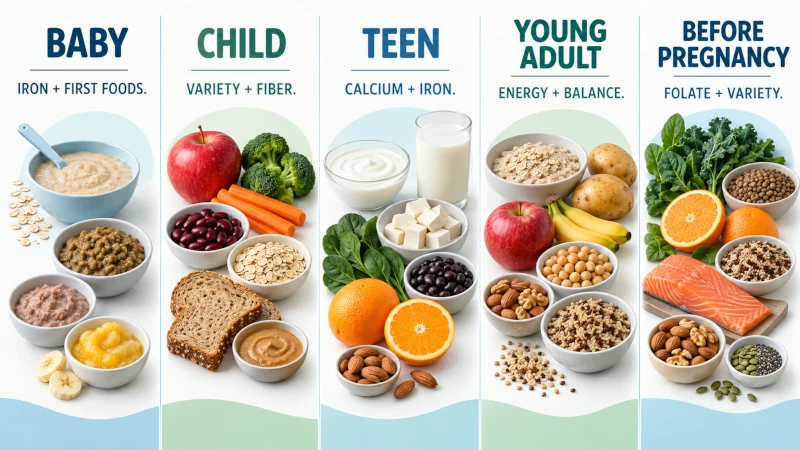
The healthiest foods to eat are, for almost everyone, the same short list: vegetables, fruits, whole grains, legumes, nuts and seeds — with fish, eggs, or dairy added if you eat them. What changes across a lifetime isn’t the list so much as the emphasis. A nursing baby, a teenager mid-growth-spurt, and someone planning a pregnancy each need something different from the plate. This guide walks through the best foods to eat at each stage, and it flags the places where popular advice has moved on.
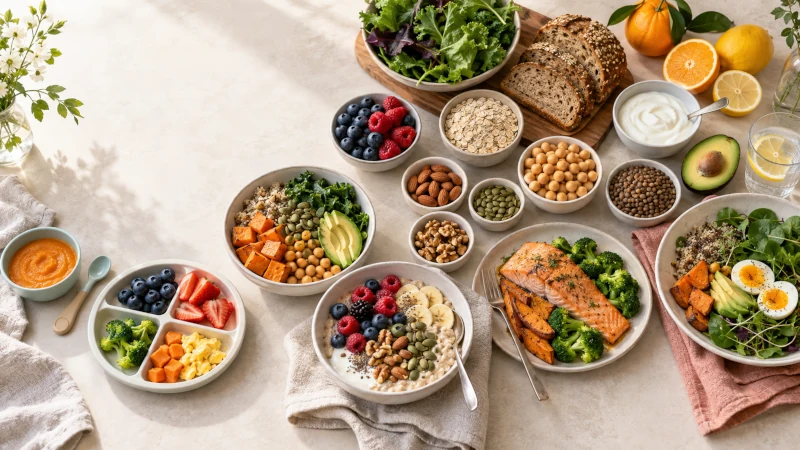
One idea ties it together: how you eat at one stage shapes the health of the next. Bone built in the teenage years is drawn on for the rest of life. Eating habits set in childhood tend to stick. Federal dietary guidance now makes this explicit — at every life stage, “it is never too early or too late to eat healthfully” [USDA & HHS, 2020].
Healthiest foods to eat: Babies (birth to 12 months): first foods
Short answer: breast milk first, then iron-rich solids at around six months — and don’t delay the common allergens.
Breast milk, then formula if needed
For roughly the first six months, breast milk is the whole meal. The World Health Organization and the U.S. Dietary Guidelines both recommend feeding only breast milk for about the first six months, with breastfeeding continuing alongside solids to age two or beyond [WHO] [USDA & HHS, 2020]. When breastfeeding isn’t possible or isn’t enough, iron-fortified infant formula is the appropriate substitute. Soy-based formula is one option a pediatrician may suggest for specific medical reasons — it’s a medical decision, not a default, and today’s soy formulas are made to meet an infant’s protein needs [AAP]. (For a fuller look at soy’s trade-offs, see the pros and cons of soy.)
Starting solids
Most babies are ready for first solids at around six months — and not before four [CDC]. Readiness cues matter more than the calendar: good head control, sitting with support, and real interest in food. Iron is the nutrient to prioritize now, because a baby’s own iron stores start running low around this age. Iron-fortified cereal, pureed meat, beans, and lentils all work as first foods. Offer them with a little mashed fruit, because the vitamin C sharply increases how much iron the body absorbs from plant foods [NIH ODS].
Allergens: the part that changed
This is where a lot of older advice was simply wrong. Parents were once told to hold off on peanut, egg, and other allergenic foods for years. The evidence now points the other way. In the landmark LEAP trial, introducing peanut in infancy and keeping it in the diet cut the rate of peanut allergy by about 80% by age five, and the protection held into adolescence [NIH]. Both the CDC and the American Academy of Pediatrics now advise introducing common allergens — egg, peanut, dairy, soy, wheat, fish — around the same time as other solids, because delaying them does not prevent allergy and may raise the risk [CDC] [AAP].
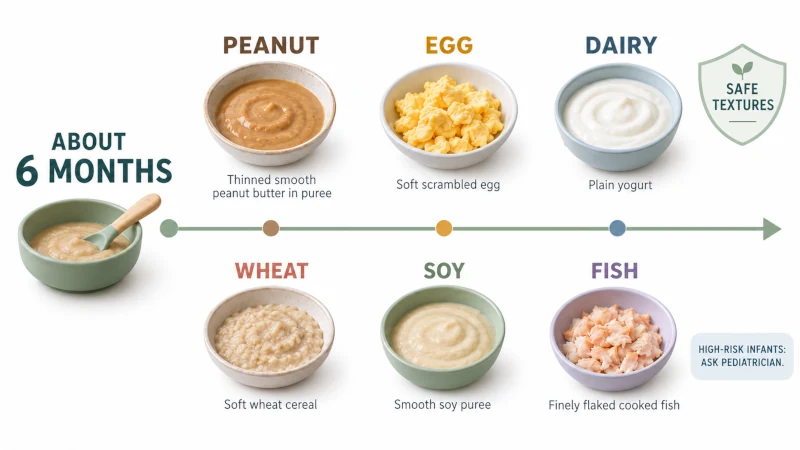
One important exception: babies with severe eczema or a known egg allergy are at higher risk of peanut allergy. For those infants, guidelines recommend talking to your pediatrician — who may suggest allergy testing — before introducing peanut [AAP]. Whatever the allergen, give it in a safe form (thinned peanut butter, not whole nuts or thick globs), and introduce one new food at a time. If you’re managing a baby’s eczema, foods that may help with eczema is worth a read alongside your pediatrician’s advice.
Cow’s milk: wait until one
Plain cow’s milk shouldn’t be a baby’s main drink before 12 months [CDC] [AAP]. It’s low in iron, high in protein and minerals that strain immature kidneys, and its protein can irritate the gut lining and cause small amounts of intestinal blood loss — which feeds into iron-deficiency anemia [AAP]. Small amounts of whole-milk yogurt or cheese as a solid food are fine before one; it’s cow’s milk as a drink that waits.
Foods to skip in the first year
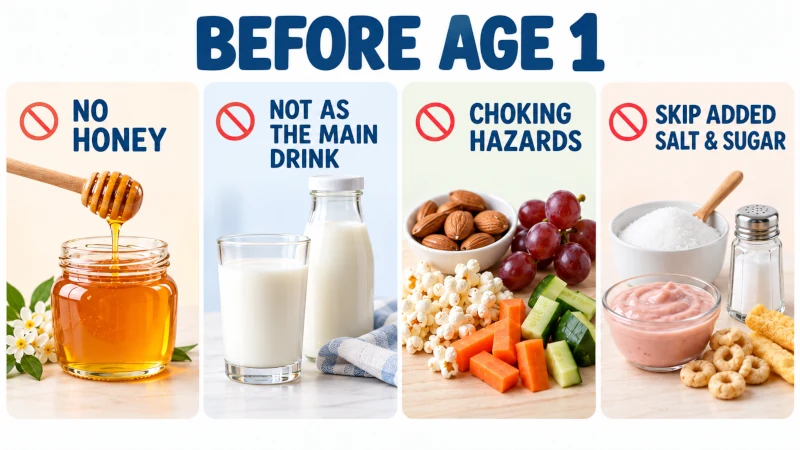
- Honey — never before 12 months, because of the risk of infant botulism [CDC].
- Added salt and sugar, which babies don’t need and which set early taste preferences.
- Choking hazards — whole nuts, whole grapes, popcorn, and hard raw chunks.
Toddlers and children (1–10): building the habits that last
Short answer: mostly plants, real fruit over juice, and enough fiber — served without pressure.
At this stage the plate should look a lot like the adult ideal, scaled down: vegetables, fruits, whole grains, beans, dairy or fortified alternatives, and protein foods. Whole fruit beats fruit juice — juice is easy to over-drink, can crowd out other foods, and loosens stools in excess, while whole fruit brings the fiber juice leaves behind. Swapping refined grains for whole grains like whole-wheat and oats is one of the highest-value habits you can build early.
Nuts and seeds are excellent nutrition but a choking risk under about age four, so serve them ground or as smooth nut butter spread thin — not whole.
Can children eat vegetarian? Yes, when it’s planned. National dietary guidance includes a healthy vegetarian pattern as appropriate across life stages, including childhood [USDA & HHS, 2020]. The nutrients to watch are iron and vitamin B12 — and for fully vegan diets, also vitamin D, calcium, and omega-3s. Pair iron-rich plants with vitamin C, use B12-fortified foods or a supplement, and if you’re raising a child fully plant-based, plan it with a pediatrician or dietitian rather than by guesswork.
Adolescents (11–18): higher needs during the growth spurt
Short answer: this is the calcium-and-iron window, and it doesn’t come back.
Teenagers often need more of certain nutrients than adults, because they’re building an adult body quickly. Two minerals deserve real attention.
Calcium: the bone-bank years
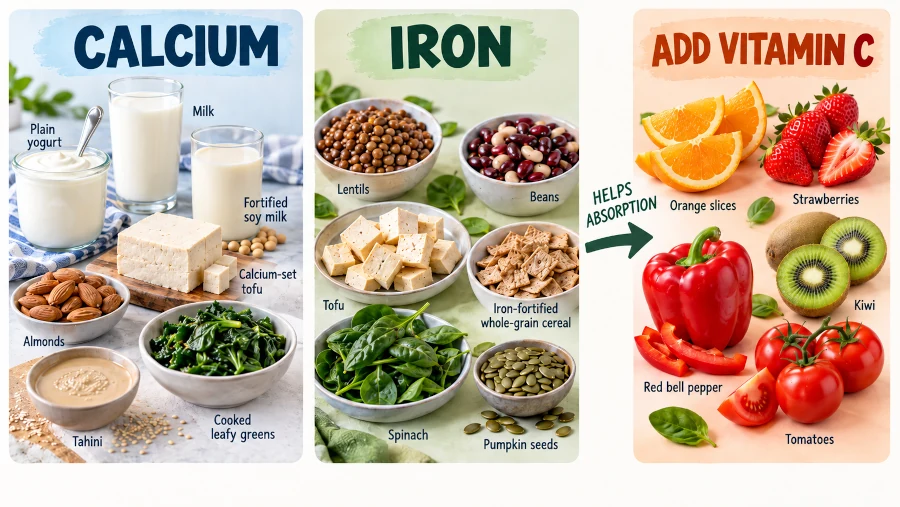
The recommended intake for ages 9–18 is 1,300 mg a day — more than the 1,000 mg most adults need — because the majority of peak bone mass is laid down now and drawn on for life [NIH ODS]. Milk, yogurt, and cheese are the usual sources; fortified soy milk, calcium-set tofu, almonds, tahini, and cooked leafy greens all add to the total. Building bone now is the best long-term defense against osteoporosis decades later.
Iron: especially for girls
Iron needs rise in adolescence, and once menstruation begins, teen girls need about 15 mg a day versus 11 mg for teen boys [NIH ODS]. Iron-deficiency anemia is common in this group. Beans, lentils, tofu, fortified cereals, and leafy greens like spinach supply iron; pairing them with vitamin C foods such as oranges, peppers, and tomatoes boosts absorption, while tea and coffee taken with meals reduce it [NIH ODS].
Everyday swaps that pull their weight
- Whole-grain bread instead of white.
- Nuts, seeds, and dried fruit instead of candy.
- Going easy on processed and deli meats, which are classified as carcinogenic and are best kept occasional rather than daily (more on diet and cancer risk).
None of this asks a teenager to eat perfectly. It asks the default foods in the house to be good ones.
Young adults: energy, focus, and the years before parenthood
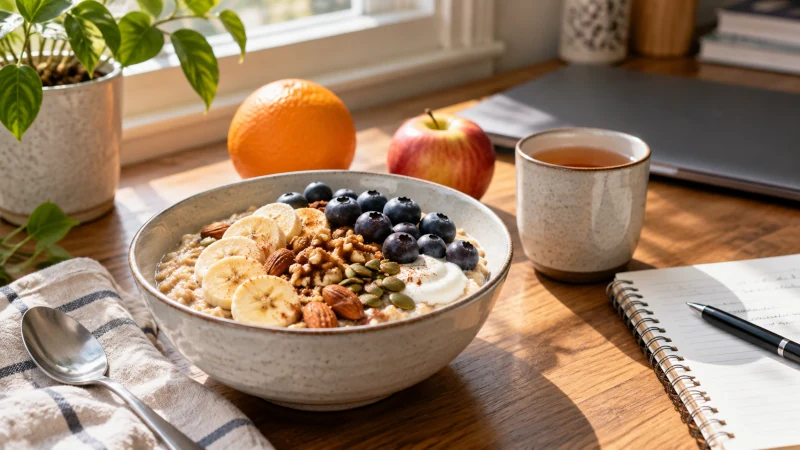
Short answer: build meals on whole-food carbohydrates; you need far less “extra protein” than supplement marketing implies.
If you train or compete: carbohydrate — from grains, potatoes, fruit, and legumes — is the fuel that actually limits endurance, more than protein does. Most people, recreational athletes included, meet their protein needs from food without powders, at roughly 10–15% of daily calories, which a normal mixed diet clears easily. Energy-dense whole foods have a place around hard training. You’ll also see claims that wheat-germ oil or a pile of kiwis noticeably boosts stamina; the evidence for those specific effects is weak, so treat them as nice-to-have, not a performance strategy.
For focus and long study days: there’s no single “brain food.” What helps is steady blood sugar and an actual breakfast instead of a skipped meal and a mid-morning crash. Oats and other whole grains release glucose slowly; almonds, other nuts, seeds, and fruit round out a breakfast that carries you to lunch.
Before pregnancy: the healthiest foods for future parents
Short answer: for anyone who could become pregnant, folic acid before conception is the single most evidence-backed move — and both partners’ diets matter.
For the person who may carry the pregnancy
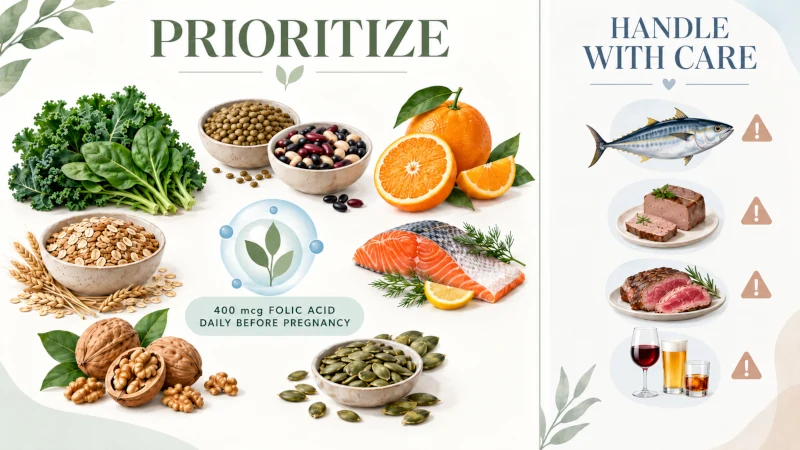
Start 400 micrograms of folic acid a day at least a month before conception and through early pregnancy. Neural-tube defects such as spina bifida form in the first few weeks — often before you know you’re pregnant — which is exactly why starting when you’re planning matters [CDC]. Folate-rich foods (leafy greens, beans, citrus, fortified grains) support this, but a supplement is recommended because the target is hard to hit from food alone [CDC].
A few foods to handle with care as you build habits you’ll carry into pregnancy:
- Go easy on liver and pate — they’re very high in preformed vitamin A, and too much can harm a developing baby [NHS].
- Cook meat thoroughly. Undercooked meat can carry Toxoplasma, a parasite that can cross the placenta and damage a baby’s brain and eyes [CDC] (more on parasites in undercooked meat).
- Follow the FDA/EPA fish advice — 8 to 12 ounces a week of lower-mercury fish, avoiding high-mercury species (shark, swordfish, king mackerel, tilefish, bigeye tuna, marlin, orange roughy) [FDA/EPA].
- Skip alcohol if pregnancy is possible; no amount is established as safe.
For the other partner
Sperm take about three months to develop, so the months before conception genuinely count. A diet rich in fruits, vegetables, nuts, and seeds supplies the antioxidants (vitamins C and E) and zinc associated with sperm quality, while heavy alcohol and smoking are linked to poorer semen quality — a good window to cut back. This is general nutrition guidance rather than a guaranteed fertility fix, but it costs nothing and helps overall health either way.
The foods worth building every stage around
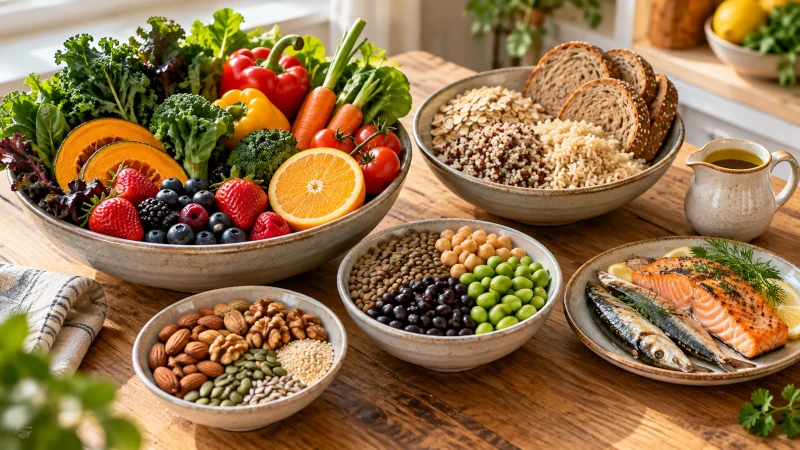
Strip away the stage-by-stage detail and the same core groups keep appearing. Eating patterns built on these foods are associated with lower risk of heart disease and type 2 diabetes [USDA & HHS, 2020] [AHA]. One reliable lever: replacing saturated fat (fatty and processed meats, butter) with unsaturated fats from nuts, seeds, fish, and vegetable oils lowers LDL cholesterol, and the American Heart Association suggests keeping saturated fat under about 6% of daily calories [AHA].
| Food group | Why it earns a place | Everyday examples |
| Vegetables & fruits | Fiber, potassium, and antioxidants; the core of heart- and metabolism-friendly patterns | Leafy greens, berries, citrus, peppers, squash |
| Whole grains | Slow-release energy and fiber; higher intake is linked with lower type 2 diabetes risk | Oats, brown rice, whole-wheat bread, quinoa |
| Legumes | Plant protein, iron, fiber, and folate in one cheap package | Beans, lentils, chickpeas, soy |
| Nuts & seeds | Unsaturated fats, vitamin E, magnesium, and zinc | Almonds, walnuts, sunflower and pumpkin seeds, sesame |
| Fish (if eaten) | Omega-3 fats; choose lower-mercury options | Salmon, sardines, trout |
Safety, interactions, and who should take extra care
Food is powerful across a lifetime, but it isn’t a treatment for disease, and no single “superfood” prevents or reverses illness. A few cautions matter more than any individual food choice.
Common side effects and cautions
- Choking and allergens in young children: introduce allergens early, but always in safe textures; no whole nuts, whole grapes, or hard chunks for toddlers.
- Honey before age one can cause infant botulism — avoid it entirely [CDC].
- Cow’s milk as a main drink before 12 months can contribute to iron deficiency [AAP].
- More is not better with supplements. Fat-soluble vitamins (A, D, E, K) build up in the body. High-dose vitamin A and liver are best avoided in pregnancy [NHS], and iron supplements should only be taken when a deficiency is confirmed — excess iron is toxic, and iron pills are a leading cause of poisoning in young children.
Medication and condition interactions
- Blood thinners (warfarin): vitamin-K-rich greens like spinach and kale are healthy, but big swings in how much you eat can affect how warfarin works. Keep your intake roughly steady and tell your prescriber rather than avoiding greens.
- Grapefruit interacts with a range of medications — check your specific prescriptions.
- Kidney disease changes the rules on potassium and protein; personalize with your care team.
- Pregnancy and breastfeeding: prioritize folate, avoid high-mercury fish and undercooked meat, limit liver, and skip alcohol (all covered above).
Red flags: when to see a professional instead of adjusting your diet
- An infant with poor weight gain, persistent vomiting or diarrhea, or blood in the stool — and any sign of an allergic reaction (hives, facial swelling, trouble breathing is a medical emergency: call your local emergency number).
- Unusual fatigue, paleness, breathlessness, or very heavy periods that could signal anemia — get iron levels checked rather than self-dosing supplements.
- Rapid, unexplained weight loss or gain, or a pattern of eating that feels out of control or distressing.
- Before major diet changes with a chronic condition, during pregnancy, or when feeding an infant, talk to a doctor or registered dietitian.
| Health Disclaimer This article is for general education and information only. It is not medical advice and is not a substitute for diagnosis, treatment, or guidance from a qualified professional. Nutrition needs vary with age, health conditions, medications, and pregnancy. If you are pregnant, breastfeeding, feeding an infant, managing a medical condition, taking prescription medication, or considering a supplement, talk to your doctor, pediatrician, or a registered dietitian before making changes. |
Frequently Asked Questions
What is the single healthiest food to eat?
There isn’t one — overall patterns beat any individual food. If you had to pick categories that punch above their weight, leafy green vegetables and legumes are hard to beat for nutrients per calorie.
When should I introduce peanuts and eggs to my baby?
Is cow’s milk bad for babies?
Do teenagers really need more calcium than adults?
Yes — 1,300 mg a day for ages 9–18, versus about 1,000 mg for most adults, because bone is being built now [NIH ODS].
Do athletes need protein powder?
Usually not. Ordinary food covers the modest extra protein active people need; carbohydrate is the bigger lever for endurance and recovery.
What should I eat before trying to conceive?
For the person who may become pregnant, 400 micrograms of folic acid daily starting before conception is the top priority, alongside a varied, plant-rich diet [CDC].
References
- World Health Organization. “Infant and young child feeding” fact sheet. View source
- U.S. Department of Agriculture & U.S. Department of Health and Human Services. Dietary Guidelines for Americans, 2020–2025, Executive Summary. View source
- CDC. “When, What, and How to Introduce Solid Foods.” View source
- American Academy of Pediatrics / HealthyChildren.org. “Starting Solid Foods.” View source
- American Academy of Pediatrics / HealthyChildren.org. “Why Formula Instead of Cow’s Milk?” View source
- National Institutes of Health, Office of Dietary Supplements. “Calcium — Health Professional Fact Sheet.” View source
- National Institutes of Health, Office of Dietary Supplements. “Iron — Health Professional Fact Sheet.” View source
- National Institutes of Health. “Introducing peanut in infancy prevents peanut allergy into adolescence” (LEAP / LEAP-Trio). View source
- CDC. “About Folic Acid.” View source
- CDC. “About Toxoplasmosis.” View source
- CDC. “Preventing Botulism” (honey and infants). View source
- NHS. “Vitamins and minerals — Vitamin A” (liver and pregnancy). View source
- American Heart Association. “Saturated Fat.” View source
- FDA & EPA. “Advice About Eating Fish.” View source


