
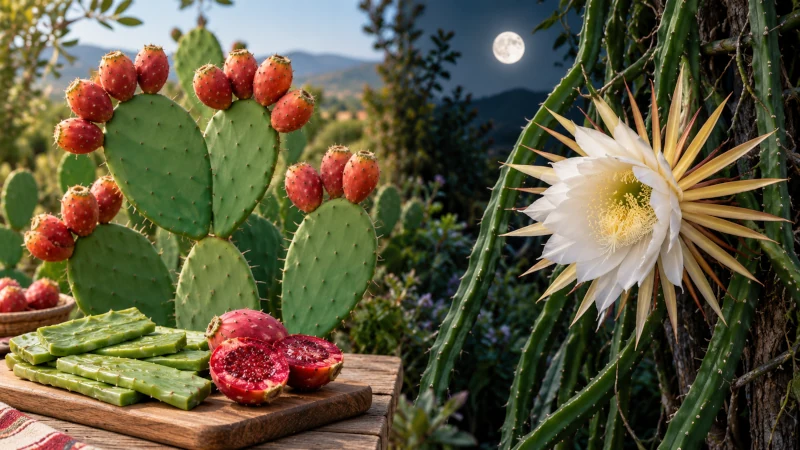
If you searched for the health benefits of the cactus plant, the honest first thing to know is that “cactus” points to two very different plants people ask about — and they don’t share the same evidence. One is the edible nopal or prickly pear (the genus Opuntia), a food with modest, food-level benefits for blood sugar and heart-risk numbers. The other is the night-blooming “Queen of the Night” (Selenicereus grandiflorus), a traditional heart remedy with a long folklore and, so far, no modern clinical trials behind it. This guide covers both, tells you which claims hold up, and — just as important — which cactus you should not try to self-treat a heart condition with.
Which “cactus plant” do you mean?
The confusion is understandable, because trusted health sites and traditional-herb references are usually talking about different plants under the same word.
| Nopal / prickly pear | Queen of the Night | |
| Botanical name | Opuntia ficus-indica (and related Opuntia species) | Selenicereus grandiflorus (syn. Cereus / Cactus grandiflorus) |
| What it is | Flat, edible pads (nopales/cladodes) and a sweet fruit (prickly pear/tuna) | A climbing cactus with a large, fragrant night-blooming flower |
| Typical use | Food; juice; fiber and extract supplements | Traditional heart tonic in tinctures/low-dose preparations |
| Evidence | Limited but real human studies (mostly small) | Traditional only — no modern clinical trials |
Nopal (prickly pear): the edible cactus with real, food-level benefits
Nopal is the everyday cactus you’ll find in Mexican cooking — the pads (nopales) and the fruit (the prickly pear). It’s genuinely nutritious: low in calories, with fiber, vitamin C, magnesium, calcium and colorful antioxidant pigments called betalains WebMD, 2025; Medical News Today, 2024.
Blood sugar: it’s the pads, not the fruit
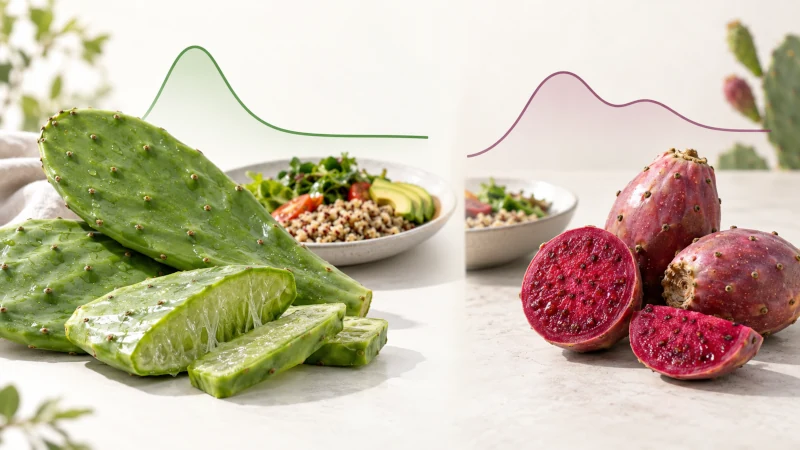
This is the benefit with the most human data — and the detail most articles get wrong. A 2019 systematic review found that the pads (cladodes) were the part that repeatedly lowered post-meal blood glucose and insulin in small trials, especially in people with type 2 diabetes, while the fruit mostly showed no significant effect. The authors rated the single-plant-part studies as having a high risk of bias and called for better trials, so treat this as promising but limited, not settled Gouws et al., 2019. In one small study, adding nopal to a high-carbohydrate breakfast lowered the after-meal blood-sugar spike in people with type 2 diabetes Medical News Today, 2024.
Cholesterol and heart-risk numbers: small effects
A 2015 meta-analysis of randomized trials found that Opuntia ficus-indica produced statistically significant but small reductions in body-mass index, percentage body fat, blood pressure and total cholesterol — while showing no significant effect on body weight or LDL (“bad”) cholesterol. The reviewers stressed that the effect sizes were small, the studies varied a lot, and the results should be read with caution Onakpoya et al., 2015. In plain terms: nopal may nudge a few numbers in the right direction, but it is not a weight-loss cure or a substitute for cholesterol treatment. For the bigger picture on plants and your arteries, see herbs that clean the arteries.
Antioxidants, vitamin C and fiber
Prickly pear is a good source of vitamin C and betalain antioxidants, and the fiber in both pads and fruit supports digestion and can modestly help lower cholesterol WebMD, 2025; Medical News Today, 2024. The mild bulking-and-fiber effect is also why the fruit has a gentle, traditional reputation for regularity — for foods with stronger evidence there, see our guide to foods that help with constipation.
Hangovers: one study, and timing matters
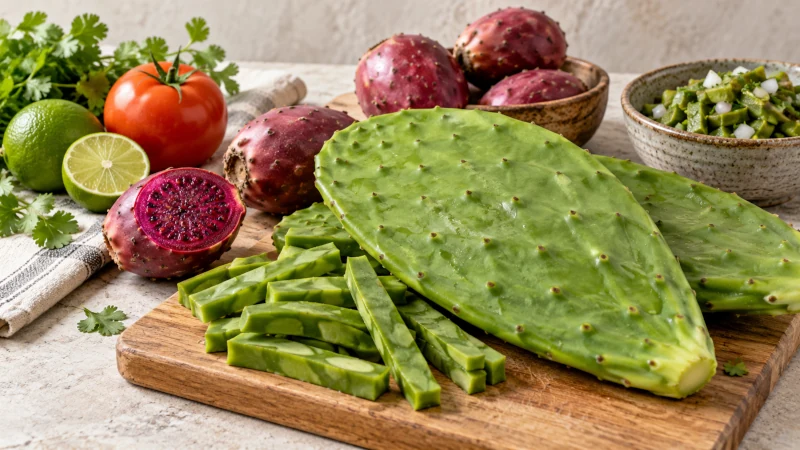
You’ll see nopal sold as a hangover cure. A randomized trial summarized by both consumer references found that cactus extract taken before drinking reduced the severity of some hangover symptoms — it did not erase the hangover, and taking it afterward is not what was tested WebMD, 2025; Healthline, 2017.
How to actually use nopal
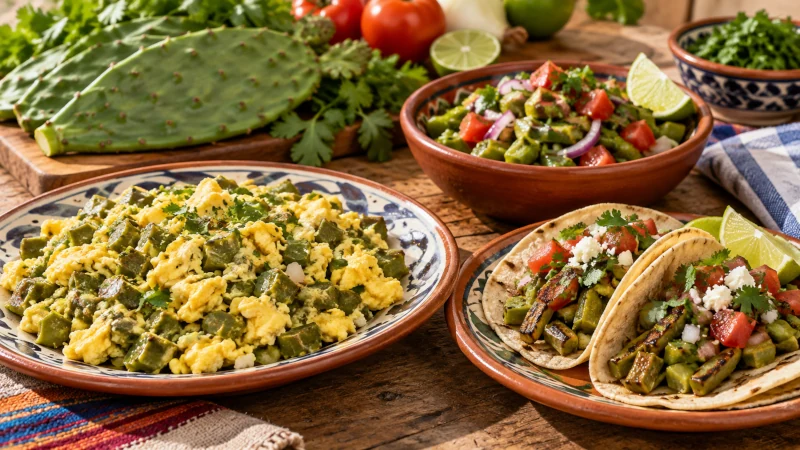
- As food first. Cooked pads go into eggs, tacos, salads and soups; the peeled fruit is eaten raw or juiced. This is the safest, best-studied way to get the benefits.
- Supplements are optional and less proven. Powders and capsules exist; older consumer guidance mentions doses around 500–650 mg, but safe, effective doses aren’t well established, and supplements aren’t tightly regulated for purity Healthline, 2017.
- Keep expectations realistic. Think “healthy vegetable that may help a little,” not “treatment.”
Nopal nutrition at a glance
Reported figures differ by source and preparation; both are shown here rather than picking the more flattering one.
| Per ~1 cup | WebMD (raw) | Medical News Today (raw nopales) |
| Calories | ~24 | ~14 |
| Fiber | ~3.3 g | ~1.9 g |
| Protein | ~2 g | ~1.1 g |
| Notable nutrients | Vitamin C, vitamin A, potassium, calcium, magnesium | Vitamin C, vitamin A, calcium, vitamin K |
Queen of the Night: a traditional heart remedy, not a proven one
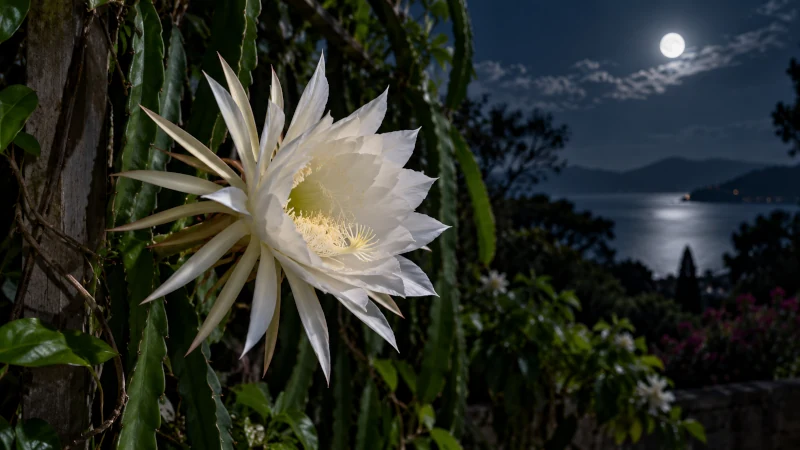
The plant the earlier version of this page described — the night-blooming Selenicereus grandiflorus — has a long history in folk and 19th-century “eclectic” medicine as a heart tonic for a weak or irregular heartbeat, palpitations and angina AARM monograph. That history is real. The clinical proof is not: a botanical-medicine monograph reviewing the plant states plainly that there have been no clinical trials or modern scientific investigations of it — the supporting reports are case write-ups from as far back as 1890 AARM monograph.
Two corrections to claims that circulate about this cactus, including in the previous version of this article:
- It is not a “cardiac glycoside” plant like foxglove. The compounds credited with its heart effects are cardiotonic amines — chiefly tyramine (about 0.3% of dry matter) and hordenine — along with flavonoids, not the digoxin-type glycosides found in foxglove AARM monograph.
- It should not be used to “substitute foxglove.” Foxglove (digitalis) is a prescription-strength heart drug with a dangerously narrow margin between a helpful dose and a harmful one. Swapping in an unstandardized cactus preparation for a real heart medicine is not supported by any evidence and could be dangerous. Heart-rhythm and heart-failure conditions need a clinician, not a home remedy.
If you’re exploring plants for heart health in general, the better-studied options and their limits are covered in herbs for the heart. The short version: some herbs help with risk factors at the edges, but none replaces diagnosis and treatment of an actual heart condition.
Safety, side effects and who should be careful
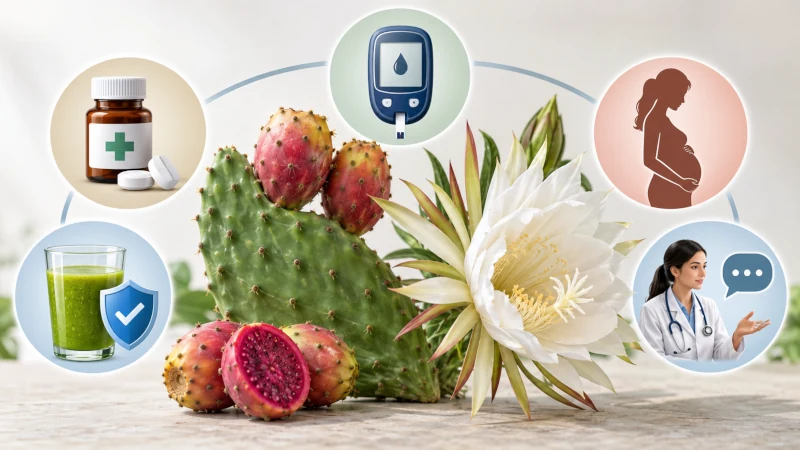
Nopal / prickly pear
- Common side effects (supplements): mild nausea, bloating, headache, or looser stools Healthline, 2017.
- Blood sugar / medication interaction: because nopal can lower blood glucose, combining it with diabetes medication could push blood sugar too low. If you take glucose-lowering drugs, monitor closely and talk to your prescriber first Healthline, 2017; Medical News Today, 2024.
- Allergy: reactions to cactus fruit are rare but reported; stop and seek care for rash, swelling, or trouble breathing Medical News Today, 2024.
- Unpasteurized street juice: testing has found high rates of E. coli (and occasional Salmonella) contamination in raw nopal juice rinsed only with tap water — buy from reputable, hygienic sources Medical News Today, 2024.
- Hidden sugar: commercial prickly-pear juices are often blended with sweeter juices; choose whole fruit if you’re watching sugar Medical News Today, 2024.
- Pregnancy & breastfeeding: nopal as a food is generally fine, but there isn’t reliable safety data for concentrated supplements — avoid those unless your clinician approves Healthline, 2017.
Queen of the Night (night-blooming cereus)
- Self-treatment is the real risk. Because it acts on the heart, it should only be used under professional supervision, and never as a replacement for prescribed heart medication.
- Drug interactions: a heart-active botanical can plausibly interact with heart medicines such as digoxin, and its tyramine content is a concern for anyone taking MAOI antidepressants. Discuss with a pharmacist or physician before use.
- Pregnancy & breastfeeding: there are no published safety studies — avoid AARM monograph.
- Traditional dosing is low. Historic use was in small, low-dose preparations; larger amounts may cause stomach upset. This is not a “more is better” plant AARM monograph.
When to see a doctor
No cactus preparation belongs anywhere near a cardiac emergency, and no supplement should delay care. Seek urgent help for:
- Chest pain or pressure, especially spreading to the arm, jaw, neck or back, or with shortness of breath, cold sweat or nausea — call emergency services.
- A new, fast, or irregular heartbeat, fainting, or severe dizziness.
- Signs of a severe allergic reaction after eating cactus — swelling, hives, or difficulty breathing.
And talk to your doctor before adding cactus supplements if you have diabetes, heart, kidney or liver disease, are pregnant or breastfeeding, or take prescription medication.
| Health Disclaimer: This article is for general education only and is not medical advice, diagnosis or treatment. It does not replace care from a qualified healthcare professional. Plants that act on the heart or blood sugar can have real effects and real interactions. Do not start, stop or change any supplement or medication based on this page, and do not use any cactus preparation to replace prescribed treatment. If you are pregnant or breastfeeding, have a medical condition, or take prescription drugs, speak with your doctor or pharmacist first. If you think you may be having a heart attack or a severe allergic reaction, call your local emergency number immediately. |
Frequently Asked Questions
Is cactus good for you?
The edible cactus — nopal or prickly pear — is a nutritious, low-calorie vegetable and fruit with fiber, vitamin C and antioxidants. It may modestly help post-meal blood sugar (mainly the pads) and slightly improve some heart-risk numbers, but the human evidence is limited (Gouws et al., 2019; Onakpoya et al., 2015).
Does cactus lower blood sugar?
In small studies, the pads (nopales) lowered after-meal blood sugar, especially in people with type 2 diabetes; the fruit mostly did not. It’s promising but not proven, and it can add to the effect of diabetes medication — monitor and check with your doctor (Gouws et al., 2019).
Is the “Queen of the Night” cactus a heart medicine?
It’s a traditional heart tonic with no modern clinical trials behind it. Don’t use it to treat a heart condition or to replace prescribed medication — heart problems need a clinician (AARM monograph).
Can I eat prickly pear if I have diabetes?
Usually yes as a whole food, but because it can lower blood sugar, watch for lows if you take glucose-lowering drugs, and choose whole fruit over sweetened juices. Talk to your care team about how it fits your plan (Medical News Today, 2024).
Are cactus supplements safe in pregnancy?
Nopal as a food is generally fine, but concentrated supplements lack reliable safety data in pregnancy and breastfeeding, so avoid them unless your clinician approves (Healthline, 2017).
References
- WebMD, 2025. “Health Benefits of Cactus.” Medically reviewed by Christine Mikstas, RD, LD (Feb 7, 2025). View source
- Medical News Today, 2024. “What are the health benefits of nopal cactus?” Written by Megan Ware, RDN, LD; medically reviewed by Sade Meeks, MS, RD (updated Jan 25, 2024). View source
- Healthline, 2017. “Nopal Cactus: Benefits and Uses.” Written by Ana Gotter; medically reviewed by Debra Rose Wilson, PhD, MSN, RN (updated May 26, 2017). View source
- Onakpoya IJ, O’Sullivan J, Heneghan CJ, 2015. “The effect of cactus pear (Opuntia ficus-indica) on body weight and cardiovascular risk factors: a systematic review and meta-analysis of randomized clinical trials.” Nutrition, 31(4):640–646. View source
- Gouws CA, Georgousopoulou EN, Mellor DD, McKune A, Naumovski N, 2019. “Effects of the Consumption of Prickly Pear Cacti (Opuntia spp.) and its Products on Blood Glucose Levels and Insulin: A Systematic Review.” Medicina, 55(5):138. DOI: 10.3390/medicina55050138. View source
- Association for the Advancement of Restorative Medicine (AARM). “Night-Blooming Cactus (Selenicereus grandiflorus).” Botanical Medicine Monograph. View source


