
Magnesium glycinate powder is a mixable form of magnesium that many people choose because it is usually gentle and easy to fit into an evening routine. It may help you correct a low magnesium intake and support normal muscle, nerve, sleep, blood pressure, and energy functions. It is not a sleep drug, an anxiety treatment, or a cure for cramps or migraines. The safer question is not “How much can I take?” It is “How much elemental magnesium do I need, and is this safe for me?” [NIH ODS magnesium fact sheet, 2025]
What Is Magnesium Glycinate Powder?
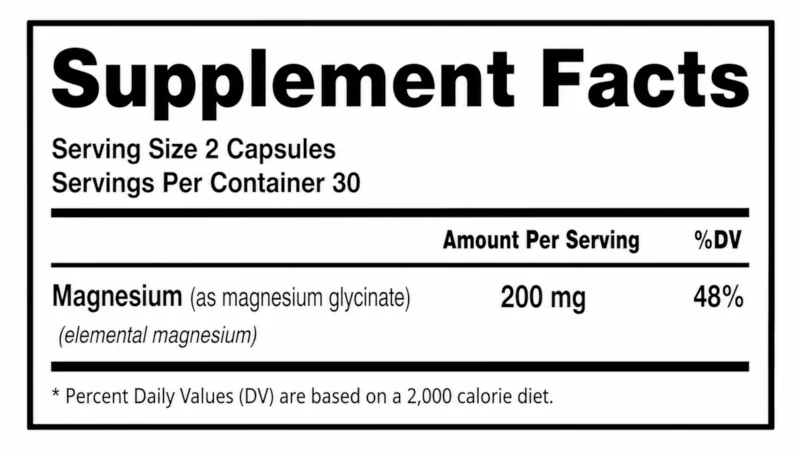
Magnesium glycinate is magnesium bound to glycine, an amino acid. In powder form, it is meant to be measured and mixed into water or another drink. The key label detail is elemental magnesium, which tells you how much magnesium your body is actually getting. The weight of the full compound is not the same thing as the active magnesium dose.
You may also see the term magnesium bisglycinate. In everyday supplement use, it usually refers to a similar chelated form. The main practical difference is not the name on the front of the container; it is the amount of elemental magnesium per serving, the quality controls behind the product, and whether the dose fits your health situation.
Magnesium glycinate is often described as gentle on the stomach. That can be true for many people, but the evidence is stronger for a broader point: the body absorbs some soluble magnesium forms better than less soluble forms such as magnesium oxide and magnesium sulfate. The NIH Office of Dietary Supplements notes that magnesium citrate, lactate, chloride, and aspartate tend to be more bioavailable than oxide and sulfate. Glycinate is commonly chosen for tolerability, but it should not be sold as automatically “the best” form for every person. [NIH ODS magnesium fact sheet, 2025]
What Magnesium Does in the Body
Magnesium is an essential mineral. Your body uses it in more than 300 enzyme systems, including processes involved in energy production, protein synthesis, muscle contraction, nerve signaling, blood glucose control, blood pressure regulation, bone development, and normal heart rhythm. [NIH ODS magnesium fact sheet, 2025]
Most people can improve magnesium intake through food first. Good sources include pumpkin seeds, chia seeds, almonds, cashews, spinach, black beans, edamame, peanut butter, whole grains, and fortified foods. Supplements can help fill a gap, but they should add to a good diet rather than replace it. [NIH ODS magnesium fact sheet, 2025]
Magnesium Glycinate Powder Benefits: What the Evidence Really Supports
The strongest reason to use magnesium glycinate powder is to help meet your magnesium needs when diet is not enough or when a healthcare professional recommends supplementation. The benefits below are best understood as support for normal body function, not as promises that one powder will fix a symptom.
Sleep and relaxation
Magnesium is involved in nerve signaling and muscle relaxation, so it makes sense that people often connect it with calm and sleep. If your magnesium intake is low, correcting that gap may help your body function more normally. But magnesium glycinate powder should not be treated as a stand-alone insomnia treatment.

For sleep, the basics still matter: a consistent sleep schedule, a dark and quiet room, limiting screens before bed, and avoiding late caffeine or alcohol. The CDC recommends at least 7 hours of sleep for most adults and lists these habits as part of healthy sleep behavior. [CDC About Sleep, 2024]
If you have trouble sleeping at least three nights per week for more than three months, that fits the common pattern of chronic insomnia and deserves medical attention. Cognitive behavioral therapy for insomnia, sleep-disorder evaluation, medication review, or treatment for pain, anxiety, sleep apnea, or restless legs may be more appropriate than simply raising a supplement dose. [NHLBI insomnia overview, 2022]
Stress and anxiety symptoms
Magnesium has plausible links to stress biology, including nervous-system regulation. A 2017 systematic review found that magnesium supplementation showed suggestive benefits for subjective anxiety in some studies, but the authors also judged the evidence quality as poor and called for better randomized controlled trials. That means magnesium may be worth discussing if your intake is low, but it is not a replacement for anxiety care, therapy, crisis support, or prescribed medication. [Boyle et al., Nutrients, 2017]
Muscle function, cramps, and restless legs
Magnesium deficiency can cause fatigue, weakness, muscle cramps, abnormal heart rhythms, and other symptoms. That does not mean every leg cramp is a magnesium problem. Nighttime cramps can also be linked with dehydration, medication effects, nerve issues, circulation problems, pregnancy, heavy exercise, or other medical conditions. [NIH ODS magnesium fact sheet, 2025]

A cautious way to use magnesium glycinate powder for cramps is to treat it as one part of a broader plan: hydrate well, stretch gently, review medications with your clinician, and look for patterns. If cramps are severe, one-sided, frequent, associated with swelling or weakness, or wake you repeatedly despite basic care, get medical advice.
Migraines and headaches
Magnesium has a more specific role in migraine prevention than it does for many other symptoms. The NIH Office of Dietary Supplements notes that people with migraines may have lower magnesium levels and that the American Academy of Neurology and American Headache Society concluded magnesium is probably effective for migraine prevention. The caution: migraine-prevention doses used in practice may exceed the adult upper limit for magnesium from supplements, so this should be done with a healthcare professional. [NIH ODS magnesium fact sheet, 2025]
If you are comparing natural or complementary approaches, this site also has a separate evidence review on ginger root for migraines. Use that kind of information as a conversation starter with your clinician, not as a reason to stop proven migraine treatment.
Bone, heart, and blood pressure support
Magnesium is involved in bone formation, and about half to a little more than half of the body’s magnesium is stored in bone. Adequate intake matters for long-term skeletal health, but current evidence does not prove that magnesium supplements by themselves prevent or treat osteoporosis. [NIH ODS magnesium fact sheet, 2025]
For heart and blood pressure health, magnesium helps regulate blood vessel tone and heart rhythm. Clinical-trial evidence suggests magnesium supplementation may lower blood pressure only modestly, and the FDA has allowed a qualified health claim while stating that the evidence is inconsistent and inconclusive. If blood pressure is your concern, magnesium is not a substitute for home monitoring, medication when prescribed, sodium reduction, exercise, sleep care, or follow-up with a clinician. For broader context, read about morning blood pressure surge patterns. [NIH ODS magnesium fact sheet, 2025]
How Much Magnesium Glycinate Powder Should You Take?
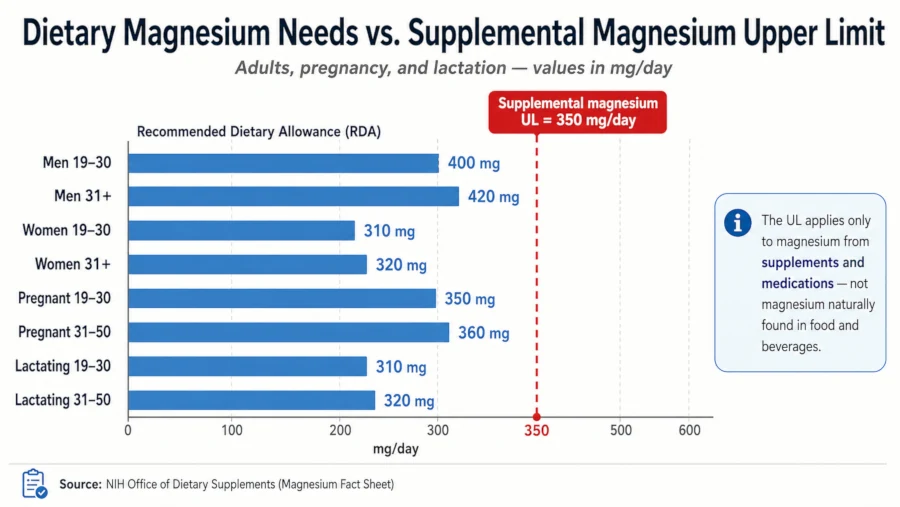
Start with the label, then look specifically for elemental magnesium per serving. Adult recommended dietary allowances for total magnesium intake are generally 400-420 mg per day for men and 310-320 mg per day for women, with different needs during pregnancy and breastfeeding. These totals include magnesium from food and beverages, not just supplements. [NIH ODS magnesium fact sheet, 2025]
For supplements, the adult tolerable upper intake level is 350 mg per day of supplemental magnesium unless a healthcare professional recommends and monitors a higher amount. This upper limit does not include magnesium naturally present in food. Taking more is not automatically more effective and can increase side effects or toxicity risk, especially if kidney function is reduced. [NIH ODS magnesium fact sheet, 2025]
A practical dosing frame:
| Goal | Cautious approach | What to watch |
| General magnesium support | Often 100-200 mg elemental magnesium to start | Check how much magnesium you already get from diet and other supplements. |
| Evening use for relaxation or sleep routine | Often taken in the evening, within label directions | Timing may help habit formation, but magnesium is not a sedative. |
| Migraine prevention | Do not self-escalate beyond the supplemental upper limit | Migraine dosing should be guided by a clinician because higher doses may be used medically. |
| Sensitive stomach | Start lower and take with food | Loose stools, nausea, or cramping usually mean the dose is too high or the form does not suit you. |
How to Mix and Take Magnesium Glycinate Powder
- Measure the serving carefully. Powder density varies, so do not guess by spoonful unless the product label gives that instruction.
- Mix it into 4-8 ounces of water, a caffeine-free drink, or a smoothie. Stir well and drink it the same day.
- Take it with food if it causes nausea. If it causes loose stools, reduce the dose or stop and ask a clinician.
- Evening use is common for people pairing it with a sleep routine, but the best time is the time you can take it consistently and safely.
- Do not mix it into a medication schedule without checking spacing. Magnesium can reduce absorption of some medicines, especially certain antibiotics and osteoporosis drugs.
How to Choose a Quality Magnesium Glycinate Powder
Supplements are regulated differently from prescription or over-the-counter drugs. The FDA does not approve dietary supplements for safety or effectiveness before they reach the market, and supplement labels cannot legally claim to diagnose, treat, cure, or prevent disease. [FDA dietary supplement Q&A, 2024]
Choose with more skepticism than a product label invites. A better magnesium glycinate powder will clearly list elemental magnesium per serving, provide a lot or batch number, avoid exaggerated disease claims, disclose other ingredients, and ideally use independent third-party testing. If a brand claims testing, look for a certificate of analysis or verification that can be checked, not just a badge image.
People who are pregnant, breastfeeding, preparing for surgery, managing a medical condition, or taking medication should treat supplement choice as a safety decision, not a wellness impulse. NCCIH warns that supplements can interact with medicines and may carry added risks in those situations. [NCCIH supplement safety guidance, accessed 2026]
Magnesium Glycinate Side Effects, Interactions, and Safety
Magnesium glycinate is often tolerated well, but side effects can still happen. Too much supplemental magnesium can cause diarrhea, nausea, and abdominal cramping. Very high intakes, especially when kidney function is impaired, can lead to dangerous magnesium buildup. Signs of toxicity can include low blood pressure, confusion, lethargy, muscle weakness, irregular heartbeat, and in severe cases cardiac arrest. [NIH ODS magnesium fact sheet, 2025]
Who should avoid it or ask first
- People with kidney disease or reduced kidney function should not take magnesium supplements unless a clinician specifically approves and monitors them.
- People who are pregnant or breastfeeding should ask their healthcare provider before starting magnesium glycinate powder, especially if they already take a prenatal vitamin or other mineral supplement.
- Children should not use adult magnesium powders unless a pediatric clinician recommends a specific product and dose.
- People with heart rhythm problems, very low blood pressure, bowel obstruction, or complex medication lists should get individualized advice first.
Medication interactions to know
Magnesium can interfere with or be affected by several medicines. The NIH Office of Dietary Supplements specifically flags interactions with bisphosphonates, tetracycline antibiotics, quinolone antibiotics, diuretics, and long-term proton pump inhibitor use. Spacing doses may help with some drugs, but the right timing depends on the medication. [NIH ODS magnesium fact sheet, 2025]
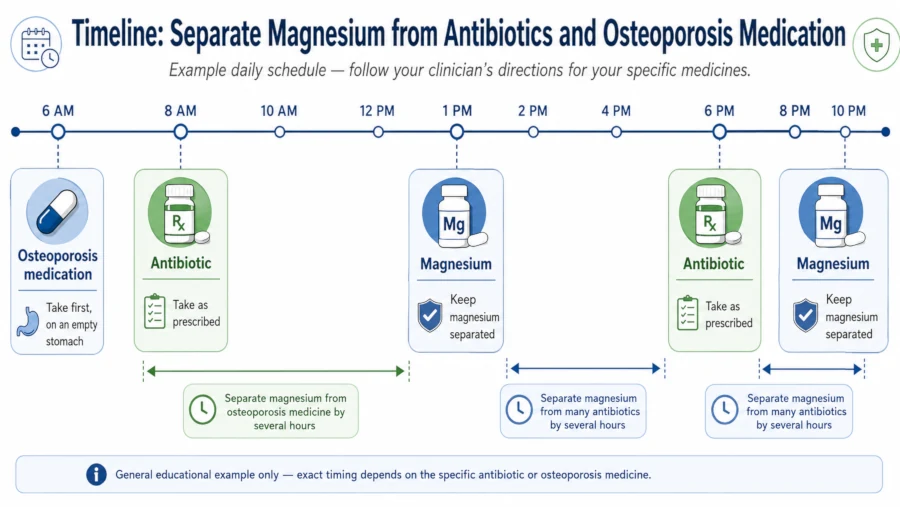
- Antibiotics: magnesium can reduce absorption of tetracycline and quinolone antibiotics if taken too close together.
- Bisphosphonates: magnesium can interfere with absorption of osteoporosis medicines such as alendronate when taken too close together.
- Diuretics: some increase magnesium loss, while others can raise magnesium levels.
- Proton pump inhibitors: long-term use has been linked with low magnesium in some cases.
When to seek medical care
Stop taking magnesium glycinate powder and seek medical advice promptly if you develop severe diarrhea, vomiting, unusual weakness, dizziness, fainting, confusion, slow or irregular heartbeat, breathing trouble, facial swelling, or signs of an allergic reaction.
Also talk to a healthcare professional if sleep problems, anxiety symptoms, migraines, cramps, palpitations, or fatigue are new, severe, worsening, or not improving. Supplements can hide the real issue if they delay the care you need.
| Health Disclaimer: This article is for educational purposes only and is not a substitute for professional medical advice, diagnosis, or treatment. Magnesium glycinate powder may not be appropriate for every person. Ask a qualified healthcare professional before using it if you have a medical condition, take medication, are pregnant or breastfeeding, or are considering doses above the supplemental upper limit. Seek urgent care for severe or sudden symptoms such as chest pain, fainting, severe weakness, confusion, trouble breathing, or an irregular heartbeat. |
Frequently Asked Questions
Is magnesium glycinate powder better than magnesium citrate or magnesium oxide?
It depends on the goal. Magnesium oxide is less well absorbed and is often more useful when a laxative effect is desired. Magnesium citrate is commonly used and may loosen stools. Magnesium glycinate is often chosen for gentler daily supplementation, but no form is automatically best for everyone.
How long does magnesium glycinate powder take to work?
If you are correcting a low intake, you may notice changes in days to weeks, but results vary. It is not a sedative, and a same-night effect is not guaranteed. If sleep, cramps, anxiety, or migraines persist, look for other causes with a healthcare professional.
Can I take magnesium glycinate powder every night?
Many adults can use magnesium daily within label directions and the supplemental upper limit, but daily use is not right for everyone. Ask first if you have kidney disease, take medications, are pregnant or breastfeeding, or already use other supplements containing magnesium.
Can magnesium glycinate powder help anxiety?
It may help some people if low magnesium intake is part of the picture, but the evidence for anxiety symptoms is limited and not strong enough to replace mental health care. Persistent anxiety, panic attacks, or symptoms that interfere with daily life deserve professional support.
What does elemental magnesium mean on the label?
Elemental magnesium is the actual amount of magnesium provided by a serving. This number matters more than the total weight of magnesium glycinate powder because dosage guidelines and upper limits are based on elemental magnesium.
Should I take magnesium glycinate powder with melatonin?
Some people combine sleep supplements, but stacking products can increase side effects and make it harder to know what is helping or hurting. Ask a clinician or pharmacist if you take medication, have a sleep disorder, are pregnant or breastfeeding, or need sleep aids regularly.
References
- NIH Office of Dietary Supplements. Magnesium: Fact Sheet for Health Professionals. National Institutes of Health, 2025. View source
- U.S. Food and Drug Administration. Questions and Answers on Dietary Supplements. FDA, 2024. View source
- National Center for Complementary and Integrative Health. Using Dietary Supplements Wisely. NCCIH, accessed 2026. View source
- Centers for Disease Control and Prevention. About Sleep. CDC, 2024. View source
- National Heart, Lung, and Blood Institute. Insomnia. NHLBI, 2022. View source
- Boyle NB, Lawton C, Dye L. The Effects of Magnesium Supplementation on Subjective Anxiety and Stress – A Systematic Review. Nutrients. 2017;9(5):429. DOI: 10.3390/nu9050429. View source
