
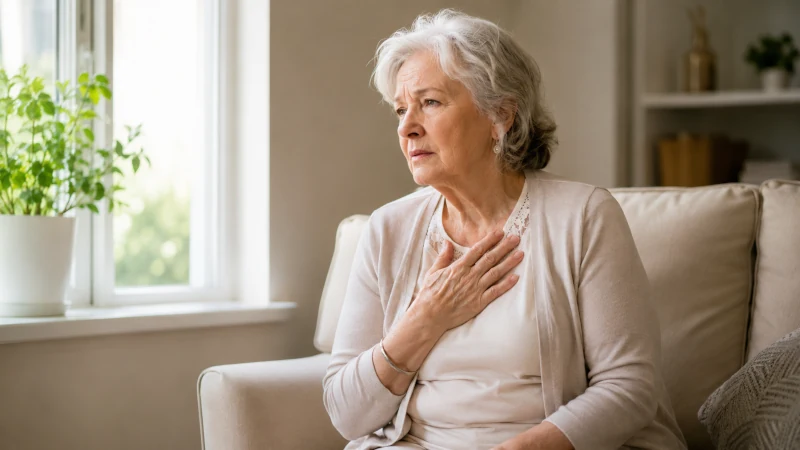
Respiratory diseases in seniors are more common, and often more serious, than in younger people — not because older lungs are fragile by default, but because several changes stack up with age. Lung tissue loses some of its stretch, the muscles that drive breathing weaken, the cough that clears germs gets less forceful, and the immune system responds more slowly [Sharma & Goodwin, 2006]. On their own, none of these is dramatic. Together they make infections like pneumonia harder to fight off and easier to miss.
This guide covers what actually happens to the aging respiratory system, the conditions worth knowing about (pneumonia, COPD, flu, RSV and COVID-19), the warning signs that need fast attention — especially the quiet ones in older adults — and the steps with the best evidence behind them. None of it replaces a conversation with your own doctor, but it should help you know what to ask and when to act.
How the lungs change with age

Lung function peaks in your twenties and declines slowly after that. The changes are gradual and mostly normal, which is exactly why they’re easy to overlook until an illness exposes them.
Three shifts matter most. The lung’s air sacs lose elasticity and the chest wall stiffens, so each breath takes a little more work and less air moves in and out. The diaphragm and other breathing muscles lose strength, which weakens the cough you rely on to clear mucus and germs. And immune defenses slow down with age — a change researchers call immunosenescence — so the body is slower to recognize and clear an infection [Sharma & Goodwin, 2006].
There’s also a subtler problem: older adults often sense breathlessness and low oxygen less keenly. That blunted alarm system is part of why a serious chest infection can take hold before anyone notices something is wrong.
The respiratory diseases that affect seniors most
Some lung conditions are far more likely, or more dangerous, after 65. Here’s how the main ones compare.
| Condition | What it is | Typical signs in older adults | Notes |
| Pneumonia | Infection of the lung’s air sacs (alveoli), which fill with fluid or pus. | Cough, fever or chills, breathlessness, chest pain — but in seniors also confusion, weakness or no fever at all. | Bacterial, viral or fungal. A leading cause of hospitalization in older adults. |
| COPD | Long-term airflow obstruction; includes chronic bronchitis and emphysema. | Daily cough with mucus, breathlessness on exertion, wheeze. | Mostly caused by smoking; progressive but manageable. Raises pneumonia risk. |
| Influenza (flu) | Seasonal viral infection of the nose, throat and lungs. | Fever, body aches, cough, fatigue; can worsen heart and lung conditions. | Most flu deaths and hospitalizations occur in people 65+. |
| RSV | Respiratory syncytial virus; common cause of winter chest infections. | Cold-like symptoms that can progress to wheeze, breathlessness or pneumonia. | Can be serious in older adults, especially with heart or lung disease. |
| COVID-19 | Infection from SARS-CoV-2; ranges from mild to severe lung involvement. | Cough, breathlessness, fatigue, loss of taste or smell; sometimes low oxygen without obvious distress. | Older adults face higher risk of severe illness; vaccines reduce that risk. |
This table is a general guide, not a diagnostic tool. Symptoms overlap, and only a clinician can tell these conditions apart.
Pneumonia: why it deserves extra attention
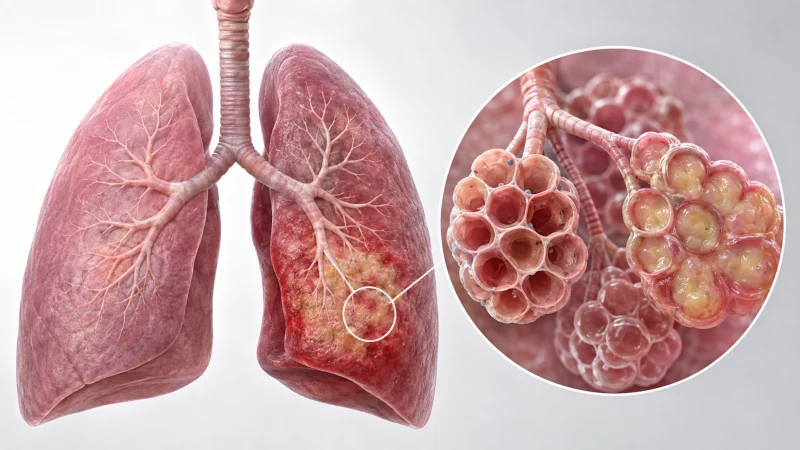
Pneumonia is an infection that inflames the alveoli — the tiny air sacs where oxygen crosses into the blood — and fills them with fluid or pus, which makes breathing hard and limits oxygen uptake [ALA, 2024]. It can be caused by bacteria, viruses or, less often, fungi, and it spreads much like a cold or flu through coughs, sneezes and contact.

For older adults the stakes are higher. The American Lung Association notes that adults 65 and older are more than ten times as likely to be hospitalized with pneumococcal pneumonia as adults aged 18 to 49, largely because the immune system weakens with age [ALA, 2024]. Chronic conditions that are common in seniors — heart disease, diabetes and COPD — raise the risk further and can make recovery slower.
Symptoms can look different in older adults
The classic picture is cough with phlegm, fever and chills, shortness of breath, fatigue, chest pain that worsens on a deep breath, and fast breathing [ALA, 2024]. In seniors, though, the signs are often quieter and easier to dismiss: sudden confusion or new disorientation, unusual weakness, loss of appetite, or simply “not acting like themselves.” A senior with pneumonia may run little or no fever. Because weakness and confusion raise the chance of a fall, pneumonia sometimes shows up first as a stumble or a tumble — see our guide on fall prevention for the elderly for related precautions. Don’t wait for the textbook symptoms before getting checked.
How it’s diagnosed and treated
Pneumonia is not something to self-diagnose. A clinician confirms it with an exam and tests such as a chest X-ray and bloodwork, sometimes a sputum or other sample [ALA, 2024]. Treatment depends on the cause. Bacterial pneumonia is treated with antibiotics chosen for the likely organism; viral pneumonia doesn’t respond to antibiotics and is managed with supportive care — rest, fluids, oxygen if needed, and medicines to ease symptoms. Many people recover at home in one to three weeks, but seniors are more likely to need hospital care, and full recovery can take weeks to months [ALA, 2024].
COPD and other chronic lung conditions
Chronic obstructive pulmonary disease (COPD) is an umbrella term for long-term airflow obstruction, including chronic bronchitis and emphysema. The main signs are a daily cough that brings up mucus, breathlessness that worsens with activity, and wheeze. Smoking is the leading cause, though nonsmokers can develop it too [ALA, 2024].
COPD matters in any discussion of respiratory disease in seniors for two reasons. It’s common in this age group, and it makes pneumonia both more likely and more dangerous — damaged, mucus-filled airways are easier for germs to settle in. If you have COPD, staying current on flu, pneumococcal and COVID-19 vaccines is one of the clearest ways to lower that added risk [ALA, 2024].
Flu, RSV and COVID-19
Three respiratory viruses cause most of the seasonal danger for older adults, and all three can lead to pneumonia.
Influenza. Most flu-related deaths and a large share of flu hospitalizations occur in people 65 and older, partly because immune defenses weaken with age [CDC, 2024]. A yearly flu shot is the main protection, and at 65+ a higher-dose or adjuvanted version is preferred.
RSV. Respiratory syncytial virus is often dismissed as a children’s illness, but in older adults it can cause severe chest infections and pneumonia. Vaccines are now available for this age group.
COVID-19. Older adults remain at higher risk of severe COVID-19. During the pandemic many seniors worried about how the virus would affect their breathing, and that concern was well placed — staying up to date on recommended vaccines lowers the risk of serious illness.

Protecting your lungs as you age
You can’t reverse the normal aging of the lungs, but you can lower your risk of the infections that turn serious. The steps with the strongest backing are unglamorous and effective.
Stay current on vaccines
Vaccination is the single highest-impact move for senior lung health. Recommendations have changed recently, so it’s worth checking what applies to you.
| Vaccine | Who it’s for (older adults) | How often |
| Pneumococcal (PCV) | All adults 50 and older who haven’t had one, plus younger adults with risk conditions. | Usually a one-time dose; your clinician confirms the schedule. |
| Influenza (flu) | Everyone 6 months and up; a higher-dose or adjuvanted shot is preferred at 65+. | Every year, ideally in early fall. |
| RSV | All adults 75+, and 60–74 at increased risk (heart or lung disease, etc.). | A single dose; not yet an annual shot. |
| COVID-19 | Older adults, per current CDC guidance. | As recommended; check timing with your clinician. |
Vaccine recommendations are updated periodically and depend on your age, health and vaccination history. Confirm what’s right for you with your clinician or pharmacist.
The pneumococcal recommendation was broadened in late 2024 to include all adults 50 and older who haven’t been vaccinated, not just those 65+ [CDC, 2024]. For RSV, the CDC recommends a single dose for everyone 75 and older, and for adults 60 to 74 who are at increased risk because of conditions like heart or lung disease [CDC, 2024]. Flu shots are annual for everyone 6 months and up [CDC, 2024].
Don’t smoke — and avoid others’ smoke
Smoking is the leading cause of COPD and damages the lung defenses that keep infections out [ALA, 2024]. Quitting at any age slows further damage and lowers infection risk. Secondhand smoke counts too.
Everyday habits that help

These won’t cure anything, but together they reduce how often infections take hold and how hard they hit:
- Wash your hands often, especially during cold and flu season, and keep your distance from people who are sick.
- Stay active. Regular movement and breathing exercises help maintain lung capacity and a stronger cough.
- Eat well and stay hydrated. Good nutrition supports the immune system; fluids keep airway mucus thin and easier to clear. Our list of foods that support the immune system is a practical starting point.
- Manage chronic conditions. Keeping heart disease, diabetes and COPD well controlled lowers the risk that a chest infection becomes severe.
Warning signs that need urgent care
Because older adults often don’t show the obvious symptoms, knowing the red flags matters. Call a doctor promptly, or seek emergency care, if a senior has any of the following:
- Difficulty breathing, breathlessness at rest, or breathing that’s fast and labored
- Bluish lips or face, which can signal low oxygen
- Chest pain, especially with breathing or coughing
- Sudden confusion, disorientation or a marked change in alertness
- A high fever, or feeling very unwell with shaking chills — and, just as important, a serious infection with little or no fever
- Coughing up blood, or a cough that keeps getting worse
When self-care isn’t enough: a cold or mild cough that drags on, worsens after a few days, or comes with any of the signs above is a reason to be seen — not to wait it out. In an older adult, what looks like a lingering cold can be early pneumonia. In the U.S., call 911 for severe breathing trouble, bluish lips, chest pain or sudden confusion.
| Health disclaimer: This article is for general education and information only. It is not medical advice and is not a substitute for diagnosis, treatment or guidance from a qualified healthcare professional. Respiratory infections can become serious quickly in older adults, so do not delay care while looking for information online. Do not start, stop or change any medication or vaccine based on this page alone. If you are pregnant, nursing, or have a preexisting medical condition, talk with your doctor before using any herbal or natural remedies. If you think you or someone else is having a medical emergency — severe breathing trouble, chest pain, bluish lips or sudden confusion — call your local emergency number right away. |
Frequently Asked Questions
Why are seniors more likely to get pneumonia?
Several age-related changes combine: a weaker cough that clears germs less well, stiffer lungs and weaker breathing muscles, and a slower immune response [Sharma & Goodwin, 2006]. Common conditions like COPD, heart disease and diabetes add to the risk [ALA, 2024].
What are the early signs of pneumonia in an older adult?
They’re often subtle: new confusion, unusual weakness, loss of appetite or simply seeming “off,” sometimes without the classic fever and cough [ALA, 2024]. Any sudden change in alertness or breathing in a senior is worth a prompt medical check.
Which vaccines protect against respiratory disease in seniors?
The main ones are pneumococcal (now recommended for all adults 50+), annual flu (a higher-dose version at 65+), RSV (75+, and 60–74 at risk), and COVID-19 [CDC, 2024]. Your clinician can confirm what you need based on your age and health history.
Can pneumonia be treated at home?
Sometimes. Milder cases may be managed at home with rest, fluids and prescribed treatment, and many people recover in one to three weeks [ALA, 2024]. But seniors are more likely to need hospital care, and recovery can take longer, so it should be a doctor’s call, not a guess.
How long does recovery take?
It varies with the cause, your age and overall health. Healthy adults often bounce back within a few weeks, while older adults may feel the effects for weeks to months [ALA, 2024]. Easing back gradually, rather than rushing, helps.
References
- Centers for Disease Control and Prevention. “Flu and People 65 Years and Older.” 2024. → View source
- Sharma G, Goodwin J. “Effect of Aging on Respiratory System Physiology and Immunology.” Clinical Interventions in Aging, 2006;1(3):253–260. doi:10.2147/ciia.2006.1.3.253. → View source
- American Lung Association. “What Is Pneumonia & Who Is at Risk?” 2024. → View source
- American Lung Association. “Pneumonia Symptoms and Diagnosis.” 2024. → View source
- American Lung Association. “Pneumonia Treatment and Recovery.” 2024. → View source
- American Lung Association. “COPD Causes and Risk Factors.” 2024. → View source
- Centers for Disease Control and Prevention. “Pneumococcal Vaccine Recommendations.” 2024. → View source
- Centers for Disease Control and Prevention. “Frequently Asked Questions About RSV Vaccine for Adults.” 2024. → View source
