
If agoraphobia has been shrinking your world, here is the most useful thing to know: it responds to treatment. The best-supported treatment for agoraphobia is cognitive behavioral therapy (CBT) built around gradual exposure, which means practicing, step by step, the places and situations you have been avoiding [Mayo Clinic, n.d.]. Antidepressants called SSRIs are usually the first-choice medicine, used alone or alongside therapy [NHS, n.d.]. And you don’t have to be able to leave the house to begin. Many therapists start with home visits, phone calls or video sessions [Mayo Clinic, n.d.].
What agoraphobia actually is
Agoraphobia is an anxiety disorder in which you fear and avoid places or situations where you might panic and feel trapped, helpless or embarrassed [Mayo Clinic, n.d.]. The core worry is that escape would be difficult, or that help wouldn’t be available if something went wrong. That makes it more complex than a simple fear of open spaces [NHS, n.d.].
Under the current diagnostic manual (DSM-5-TR), the diagnosis requires marked fear about at least two of five kinds of situation: public transportation, open spaces, enclosed spaces, standing in line or in a crowd, and being outside the home alone. The fear has to be out of proportion to any real danger, last at least six months, and cause real distress or get in the way of daily life [Balaram & Marwaha, 2024].
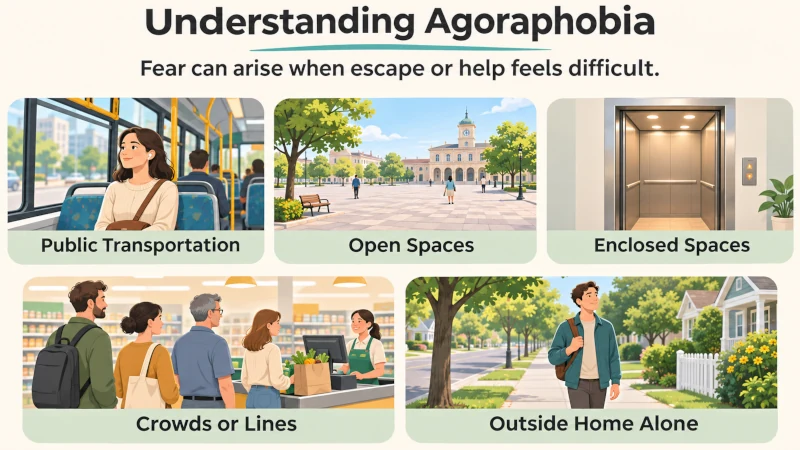
In practice, people avoid those situations, go only with a trusted companion, or get through them in intense distress [Mayo Clinic, n.d.]. Some switch to shopping online so they don’t have to go into stores [NHS, n.d.]. In severe cases, people become housebound and dependent on others for basic needs [Balaram & Marwaha, 2024].
Many people with agoraphobia also have panic attacks: a sudden surge of fear that peaks within minutes, with symptoms such as a racing heart, trouble breathing, chest pain or pressure, dizziness, shaking, sweating, tingling, an upset stomach, or a feeling of losing control or dying [Mayo Clinic, n.d.].
Estimates of how common it is vary. In a large US survey from 2001 to 2003, about 0.9% of adults had agoraphobia in the past year and 1.3% at some point in their lives, and about 40% of those with past-year agoraphobia were seriously impaired [NIMH, n.d.]. The DSM gives a higher 12-month figure of about 1.7%, and part of the gap comes from agoraphobia only recently being diagnosed separately from panic disorder [Balaram & Marwaha, 2024]. It usually begins before age 35 and is diagnosed more often in women [Mayo Clinic, n.d.].
Why agoraphobia develops
Most people develop agoraphobia after one or more panic attacks. They start dreading another one and avoid the places where it might happen [Mayo Clinic, n.d.]. Not everyone follows that route, though. Some people never have panic attacks, and their fear centers instead on things like crime, illness or accidents [NHS, n.d.].
There is no single cause. Biology (including genetics and other health conditions), personality, stress and learning experiences can all contribute [Mayo Clinic, n.d.]. Known risk factors include panic disorder or other phobias, reacting to panic attacks with a lot of fear and avoidance, stressful events such as abuse or the death of a parent, an anxious temperament, and having a blood relative with agoraphobia [Mayo Clinic, n.d.]. Older research put heritability at roughly 48% to 61%, although few studies have looked at agoraphobia on its own [Balaram & Marwaha, 2024].
One mechanism matters more than the rest for treatment: avoidance keeps the fear alive. Anxiety tends to grow when feared situations are avoided [Mayo Clinic, n.d.], which is why nearly every effective treatment involves going back into them gradually.
How agoraphobia is diagnosed
There is no blood test or scan for agoraphobia. A diagnosis is based on your symptoms, an in-depth interview with a health care or mental health provider, and a physical exam to rule out other causes [Mayo Clinic, n.d.]. The exam is not a formality. Panic symptoms can resemble serious problems such as a heart attack, so it makes sense to have a doctor check them [Mayo Clinic, n.d.].
If an office visit feels impossible, start with a phone or video appointment, and bring a trusted friend or relative to in-person visits if that helps [Mayo Clinic, n.d.]. In the UK, a GP can arrange a telephone appointment, and you can refer yourself directly for NHS talking therapies such as CBT [NHS, n.d.]. Before the appointment, write down your symptoms, what you have been avoiding, when it started, and every medicine and supplement you take, with doses [Mayo Clinic, n.d.].
The main treatments for agoraphobia
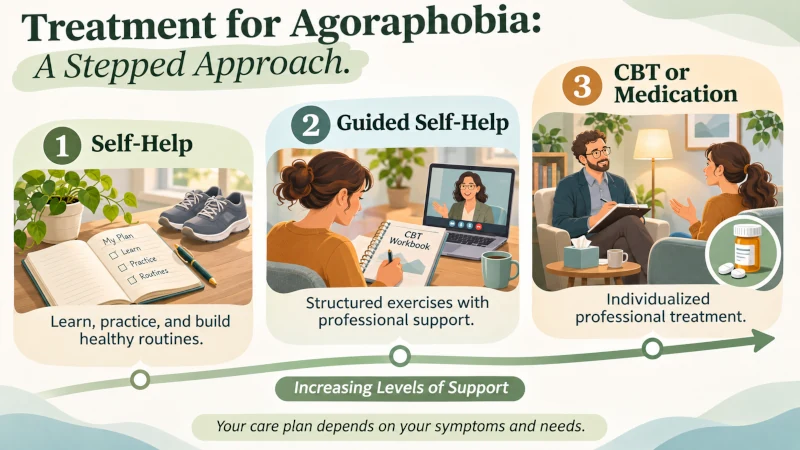
Treatment usually combines talk therapy and medicine. It takes time, but it can help you get better [Mayo Clinic, n.d.]. The NHS recommends a stepped approach. Start with learning about the condition, lifestyle changes and self-help. If that isn’t enough, move to a guided self-help program, and then to more intensive treatment such as CBT or medicine [NHS, n.d.].
Cognitive behavioral therapy with exposure
CBT is the most effective form of psychotherapy for anxiety disorders, agoraphobia included [Mayo Clinic, n.d.]. It works on two fronts. First, it helps you notice and test the thoughts that drive the fear, such as the belief that a panic attack could kill you, and replace them with more realistic ones [NHS, n.d.]. Second, and most important, it uses exposure: approaching feared or avoided situations in a way that is gradual, predictable, controlled and repeated [Mayo Clinic, n.d.].
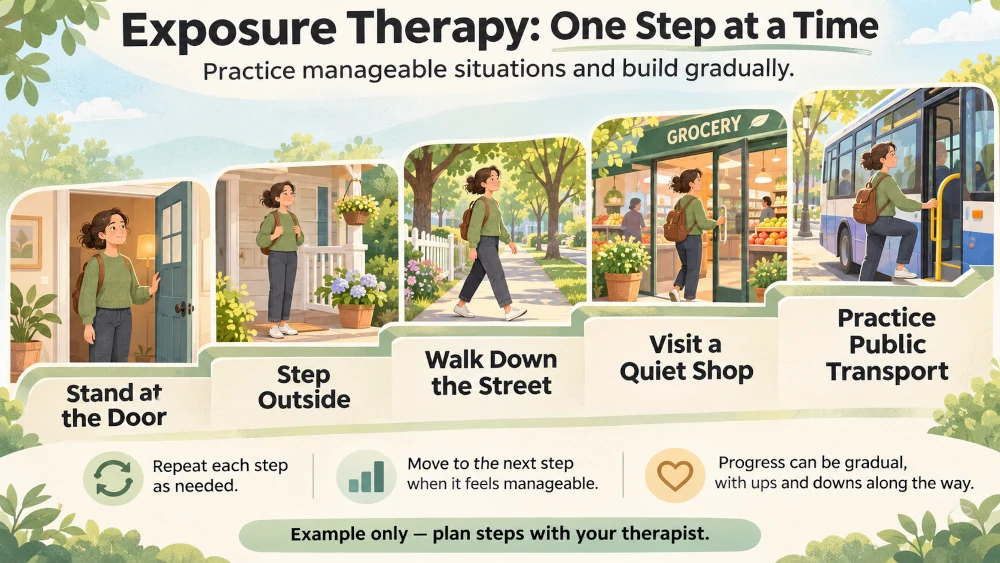
An exposure plan might begin with standing outside your front door for a few minutes, then walking to the end of the street, then visiting a quiet shop at an off-peak hour. The point of each step is to stay long enough to learn that anxiety fades on its own and that the outcome you fear usually doesn’t happen [Mayo Clinic, n.d.]. Your therapist helps you set the pace, and progress builds on early successes.
Through the NHS, a CBT course typically runs 12 to 15 weekly sessions of about an hour each [NHS, n.d.].
How strong is the evidence? A 2016 Cochrane review pooled trials of talking therapies for panic disorder with or without agoraphobia (54 studies and 3,021 participants in the main analyses). Therapy generally did better than no treatment or a waiting list. CBT was the most studied and often came out ahead, but the differences between therapies were small, the overall quality of the evidence was rated low to very low, and no single therapy was clearly superior [Pompoli et al., 2016]. CBT remains the standard first choice because it has the most research behind it, and other structured therapies may also help.
Starting therapy when you can’t leave home
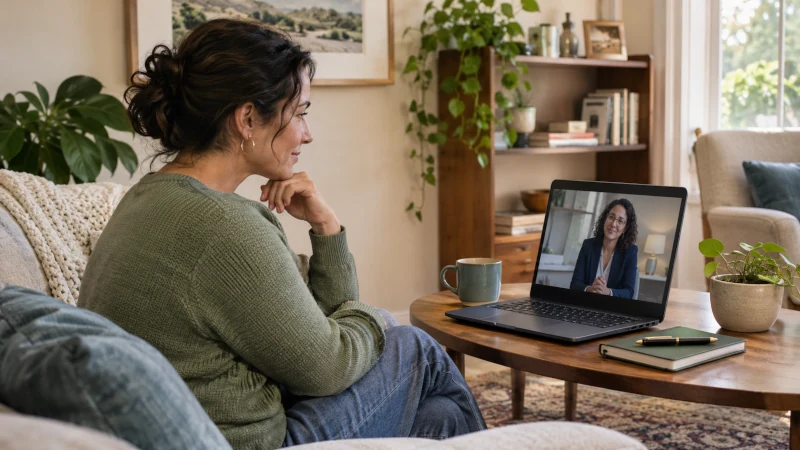
Therapists who treat agoraphobia know that getting to the office can be the hardest part. If you are mostly homebound, look for one who offers home visits, meetings somewhere you feel safe, or video, phone or email sessions, at least early on [Mayo Clinic, n.d.]. Guided self-help is another way in: you work through a CBT-based workbook or online course with support from a therapist [NHS, n.d.].
Medication
For agoraphobia, antidepressants work better than anti-anxiety sedatives [Mayo Clinic, n.d.]. SSRIs are usually tried first. The NHS generally recommends sertraline [NHS, n.d.], and Mayo Clinic also names fluoxetine [Mayo Clinic, n.d.]. Among SSRIs, sertraline and escitalopram have been linked to higher remission rates and fewer side effects, and combining CBT with medicine may give the best symptom control [Balaram & Marwaha, 2024].
What to expect if you start an SSRI:
- It takes weeks. Medicine may take several weeks to help, and you may need to try more than one [Mayo Clinic, n.d.].
- Early side effects. For sertraline these include nausea, lower sex drive, blurred vision, diarrhea or constipation, feeling agitated or shaky, and sweating. They usually ease over time [NHS, n.d.].
- Start low, stop slowly. Both starting and stopping can cause side effects, including panic-like symptoms, so doses are raised gradually and lowered slowly [Mayo Clinic, n.d.]. Don’t stop without your doctor’s advice [NHS, n.d.].
- How long. Some people take an SSRI for 6 to 12 months or longer [NHS, n.d.].
- If it doesn’t suit you. Options include another SSRI or an SNRI. In the UK, pregabalin may be considered if SSRIs and SNRIs aren’t suitable; dizziness and drowsiness are common with it [NHS, n.d.].
Benzodiazepines, the sedative anti-anxiety medicines, have a limited role, mainly short-term relief of acute anxiety. They can be habit-forming and are generally a poor choice for long-term anxiety or if you have a history of alcohol or drug misuse [Mayo Clinic, n.d.]. They also carry risks of sedation, cognitive problems and falls [Balaram & Marwaha, 2024]. If you are pregnant, planning a pregnancy or breastfeeding, talk through any medicine with your prescriber rather than starting or stopping it on your own.
Applied relaxation
Applied relaxation teaches you to recognize tension, relax your muscles, and use that skill in situations that make you anxious. On the NHS it typically runs 12 to 15 weekly one-hour sessions, and in more severe cases it can be combined with medicine [NHS, n.d.].
Intensive programs for severe agoraphobia
When agoraphobia is severe enough that ordinary care is out of reach, specialized programs can help. Intensive outpatient programs usually run half or full days for at least two weeks, and some people need a residential hospital stay [Mayo Clinic, n.d.].
Agoraphobia treatment options at a glance
| Option | Evidence | Usually used for | Practical notes |
| CBT with exposure | Most studied psychological treatment; overall trial quality low to very low [Pompoli et al., 2016] | First-line for most people | 12–15 weekly sessions on the NHS [NHS, n.d.] |
| SSRIs (e.g., sertraline) | Standard first-choice medicine [NHS, n.d.] | Alone, or with CBT | Several weeks to work; taper to stop [Mayo Clinic, n.d.] |
| Guided self-help | Recommended early step [NHS, n.d.] | Milder symptoms, or while waiting | Workbook or online course with support |
| Applied relaxation | Offered on the NHS [NHS, n.d.] | Alternative or add-on | 12–15 weekly sessions |
| Benzodiazepines | Limited role [Mayo Clinic, n.d.] | Short-term acute anxiety | Habit-forming; not for long-term use |
| Supplements and herbs | Not tested in agoraphobia | Not a substitute for treatment | Some interact with SSRIs (see below) |
Self-help that supports treatment
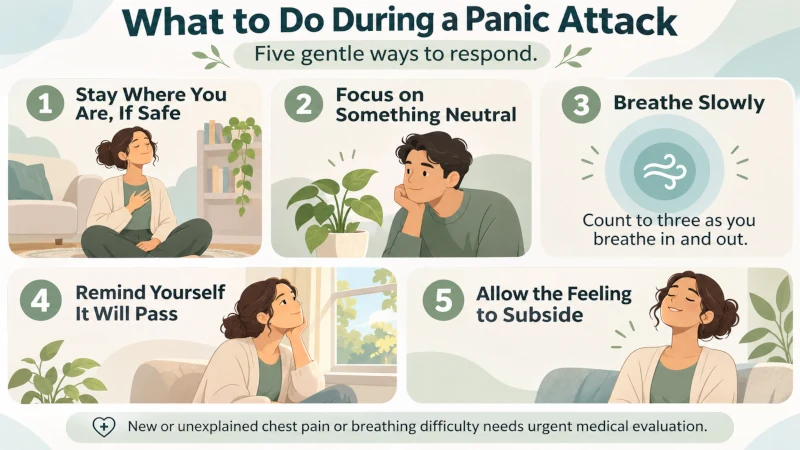
Self-help is the first step in stepped care and stays useful once treatment starts. If a panic attack comes on, the NHS suggests staying where you are (pull over safely if driving), focusing on something non-threatening you can see, breathing slowly and deeply while counting to three on each breath in and out, reminding yourself the feeling will pass, and not fighting the attack, because fighting it can make it worse [NHS, n.d.].
Between attacks, these habits help:
- Go places on purpose. Regularly visiting more places, in small and repeated steps, can reduce fear over time. Family, friends and your therapist can help you plan it [Mayo Clinic, n.d.].
- Cut caffeine, skip alcohol and recreational drugs. All of them can worsen panic and anxiety [Mayo Clinic, n.d.]. Alcohol may feel like it takes the edge off, but it makes symptoms worse in the long run [NHS, n.d.]. Our guide to anti-anxiety foods goes further into caffeine and alcohol.
- Look after the basics. Exercise regularly, get enough sleep, and eat a balanced diet rich in fruit and vegetables [Mayo Clinic, n.d.; NHS, n.d.].
- Practice calming skills when you’re calm. Meditation, yoga and visualization are easier to use under stress if you have rehearsed them first [Mayo Clinic, n.d.].
- Find people who understand. An anxiety support group connects you with others who have been through it [Mayo Clinic, n.d.].
Agoraphobia often travels with low mood. Read more about how anxiety and depression overlap and what helps when both are present.
Natural remedies and supplements: what the evidence says
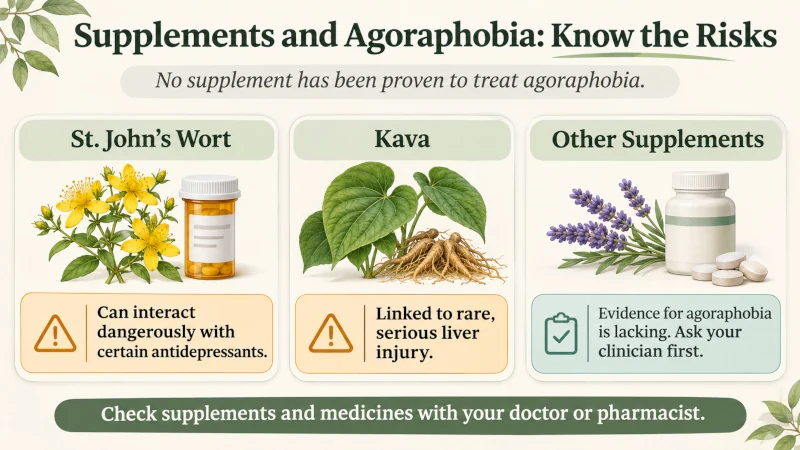
No supplement or herb has been shown to treat agoraphobia. We found no clinical trials testing any of them in people with agoraphobia specifically. The studies below involve general or mild anxiety, or anxiety around stressful situations. Mayo Clinic advises talking with your provider before taking any supplement for agoraphobia, because products sold without a prescription can still carry health risks [Mayo Clinic, n.d.].
Remedies that have been studied for anxiety
Lavender oil capsules (Silexan). A 2019 meta-analysis found that a standardized oral lavender oil, 80 mg a day for at least six weeks, lowered anxiety scores. The authors also flagged the low average quality of the studies, and most trials had a high risk of bias [Donelli et al., 2019]. NCCIH adds that the research is limited by small samples and a lack of independent funding. Oral products can cause diarrhea, headache, nausea or burping, may add to the effect of sedatives, and little is known about safety in pregnancy or breastfeeding [NCCIH, n.d.]. A standardized capsule is not the same as a bottle of essential oil; our lavender evidence guide explains the difference.
Magnesium. A 2017 systematic review found evidence suggestive of a benefit in people already prone to anxiety, such as those with mild anxiety or premenstrual symptoms, but rated the quality of the evidence as poor [Boyle et al., 2017].
Yoga. A 2018 meta-analysis found no effect in people with formally diagnosed anxiety disorders and called the evidence for anxiety disorders inconclusive [Cramer et al., 2018]. It can still be a reasonable relaxation practice alongside treatment [Mayo Clinic, n.d.].
Acupuncture. A systematic review found no trials of acupuncture for panic disorder or phobias at all [Pilkington et al., 2007].
Two to avoid
Kava. Kava products have been linked to rare cases of liver injury, some serious or fatal [NCCIH, n.d.]. Mayo Clinic advises avoiding kava until more thorough safety studies are done, especially if you have liver problems or take medicines that affect the liver [Mayo Clinic, n.d.].
St. John’s wort. Taken with certain antidepressants or other drugs that affect serotonin, it may increase serotonin-related side effects, which can be serious. It also weakens birth control pills and many other medicines, and it may be unsafe in pregnancy [NCCIH, n.d.]. If you take or may start an SSRI, this combination needs a conversation with your prescriber first.
| Remedy | Evidence for general anxiety | Tested in agoraphobia? | Main safety concerns |
| Oral lavender oil (Silexan) | Limited; low-quality trials [Donelli et al., 2019] | No | GI upset, headache; may add to sedatives; pregnancy safety unknown [NCCIH, n.d.] |
| Magnesium | Suggestive; poor-quality evidence [Boyle et al., 2017] | No | Safety not covered by the sources reviewed here; ask a pharmacist first |
| Yoga | Inconclusive for anxiety disorders [Cramer et al., 2018] | No | Generally low risk |
| Acupuncture | No trials in panic disorder or phobias [Pilkington et al., 2007] | No | Use a licensed practitioner |
| Kava | May help some anxiety [NCCIH, n.d.] | No | Rare serious liver injury; avoid [NCCIH, n.d.; Mayo Clinic, n.d.] |
| St. John’s wort | Not established for anxiety [NCCIH, n.d.] | No | Dangerous with SSRIs; weakens birth control; may be unsafe in pregnancy [NCCIH, n.d.] |
Who should be especially careful
Check with a doctor or pharmacist before trying any supplement if you:
- take an antidepressant, sedative, sleep medicine or any other prescription drug [NCCIH, n.d.; NCCIH, n.d.]
- are pregnant, trying to conceive or breastfeeding [NCCIH, n.d.; NCCIH, n.d.]
- have liver disease or drink alcohol regularly (kava in particular) [Mayo Clinic, n.d.; NCCIH, n.d.]
- have surgery coming up, since sedating herbs such as lavender can matter before anesthesia [NCCIH, n.d.]
- are giving it to a child or teenager
For a wider look at the research, see our guides to supplements for anxiety and stress and which herbs have real evidence for nervous complaints. Used sensibly, some may take the edge off. None replaces exposure-based therapy.
When to get help right away
Agoraphobia raises the risk of depression, alcohol or drug misuse, and suicidal thoughts [Mayo Clinic, n.d.]. About 15% of people with agoraphobia report suicidal thoughts or behaviors [Balaram & Marwaha, 2024]. Get urgent help if:
- You have thoughts of suicide or self-harm. In the US, call or text 988, or chat at chat.988lifeline.org, any time [988 Lifeline, n.d.]. If you are in immediate danger, call your local emergency number.
- You have chest pain, trouble breathing, or symptoms you aren’t sure about, especially the first time. Panic symptoms can resemble a heart attack, and only a medical check can tell them apart [Mayo Clinic, n.d.]. Seek emergency care rather than assuming it is panic.
Book a non-urgent appointment soon if you have started avoiding places, are struggling to work, study or run errands, are relying more on others, or are using alcohol or sedatives to cope [Mayo Clinic, n.d.; Balaram & Marwaha, 2024]. Early treatment is recommended, because anxiety gets harder to treat the longer it goes on [Mayo Clinic, n.d.].
| HEALTH DISCLAIMER: This article is for general information and is not a substitute for diagnosis or treatment from a qualified health professional. Agoraphobia and panic symptoms can overlap with other medical conditions, so get any new or worsening symptoms checked. Do not start, stop or change a prescribed medicine without talking to your prescriber. Supplements and herbs can interact with medicines, including antidepressants, and may not be safe in pregnancy or breastfeeding. If you are thinking about harming yourself, call or text 988 in the US or your local emergency number right away. |
Frequently Asked Questions
Can agoraphobia be cured?
Many people improve substantially with treatment, and therapy generally outperforms no treatment in trials [Pompoli et al., 2016]. Without treatment, agoraphobia tends to be persistent; StatPearls puts untreated remission rates at around 10% [Balaram & Marwaha, 2024]. “Cure” is the wrong frame for most people. A realistic goal is getting your life back, with skills to handle setbacks.
How long does treatment for agoraphobia take?
A course of CBT on the NHS is typically 12 to 15 weekly sessions [NHS, n.d.]. Medicine can take several weeks to start working [Mayo Clinic, n.d.], and some people stay on an SSRI for 6 to 12 months or longer [NHS, n.d.]. Severe or long-standing agoraphobia usually takes longer.
Can I get treatment if I can’t leave my house?
Yes. Look for a therapist who offers home visits, video or phone sessions, or meetings somewhere you feel safe, at least at the start [Mayo Clinic, n.d.]. Guided self-help can also begin at home [NHS, n.d.].
Is agoraphobia just a fear of open spaces?
No. It is a fear of situations where escape might be hard or help might not be available, which can include public transport, shops, crowds, lines, enclosed spaces or being away from home alone [NHS, n.d.; Balaram & Marwaha, 2024].
Are natural remedies enough to treat agoraphobia?
No supplement or herb has been tested in people with agoraphobia, and the evidence for general anxiety is limited and mostly low quality [Donelli et al., 2019; Boyle et al., 2017]. Some, such as St. John’s wort and kava, carry real risks [NCCIH, n.d.; NCCIH, n.d.]. Treat them as add-ons to discuss with your clinician, not replacements for therapy.
How can I help someone with agoraphobia?
Offer to go with them to appointments for comfort and coaching [Mayo Clinic, n.d.], and help them practice going places in small, repeated steps as part of their treatment plan [Mayo Clinic, n.d.]. Encourage professional help rather than taking over every errand for them.
References
- 988 Suicide & Crisis Lifeline. 988lifeline.org. View source
- Balaram K, Marwaha R. Agoraphobia. In: StatPearls. StatPearls Publishing; View source
- Boyle NB, Lawton C, Dye L. The effects of magnesium supplementation on subjective anxiety and stress: View source
- Cramer H, Lauche R, Anheyer D, et al. Yoga for anxiety: a systematic review and meta-analysis of randomized controlled trials. View source
- Donelli D, Antonelli M, Bellinazzi C, Gensini GF, Firenzuoli F. Effects of lavender on anxiety: a systematic review and meta-analysis. View source
- Mayo Clinic. Agoraphobia: diagnosis and treatment. View source
- Mayo Clinic. Agoraphobia: symptoms and causes. View source
- Mayo Clinic. Panic attacks and panic disorder: symptoms and causes. View source
- Mayo Clinic. Psychotherapy. View source
- National Center for Complementary and Integrative Health (NCCIH). Kava. View source
- NCCIH. Lavender. View source
- NCCIH. St. John’s Wort. View source
- National Institute of Mental Health (NIMH). Agoraphobia statistics. View source
- NHS. Agoraphobia: overview. View source
- NHS. Agoraphobia: treatment. View source
- Pilkington K, Kirkwood G, Rampes H, Cummings M, Richardson J. Acupuncture for anxiety and anxiety disorders: a systematic literature review. View source
- Pompoli A, Furukawa TA, Imai H, Tajika A, Efthimiou O, Salanti G. Psychological therapies for panic disorder with or without agoraphobia in adults: a network meta-analysis. View source


