
If you want to reduce anxiety and stress with natural supplements, the honest answer is that a few have real evidence behind them, several have only suggestive evidence, and almost all of them work best alongside sleep, exercise, therapy, or medical care — not in place of them. This guide walks through eight of the most-studied options, what the research actually shows, the doses used in trials, and the safety issues people often miss.
Anxiety and stress are different things. Stress is a response to a real or perceived demand and tends to lift when the demand does. Anxiety is more persistent — a state of worry, dread, or physical tension that sticks around even when life calms down. According to the National Institute of Mental Health, anxiety disorders affect roughly 1 in 3 U.S. adults at some point in life, which is why the supplement aisle for mental health support keeps growing. The catch is that supplement quality is uneven and the marketing usually runs ahead of the science.
The quick take
Based on systematic reviews and fact sheets from the [NIH NCCIH, 2023] and the [NIH ODS, 2023], the supplements with the most consistent (though still modest) evidence for stress and mild anxiety are ashwagandha, omega-3 EPA/DHA at higher EPA doses, and magnesium — particularly in people who are deficient or anxiety-prone. Chamomile and lemon balm have smaller, suggestive trials. Melatonin helps sleep timing but is not a treatment for anxiety itself. Vitamin D and B-complex are mainly useful for people who are deficient or under sustained stress.
None of these is a substitute for therapy or prescription treatment when symptoms are moderate to severe. Talk to a clinician before stacking supplements, and read the safety section at the end before you start.
Evidence at a glance
| Supplement | Evidence for stress/anxiety | Typical adult dose studied | Main safety notes |
| Ashwagandha | Promising for stress; mixed for anxiety | 240–600 mg/day standardized root extract, 6–8 weeks | Avoid in pregnancy, thyroid disease, prostate cancer; rare liver injury reports |
| Chamomile | Limited but suggestive for generalized anxiety | 220–1,500 mg/day standardized extract | Ragweed-family allergy; may interact with warfarin |
| Lemon balm | Limited; small trials suggest short-term benefit | 300–600 mg/day extract | May potentiate sedatives; thyroid caution |
| Magnesium | Suggestive in anxiety-vulnerable groups; evidence quality is low | Stay under 350 mg/day from supplements | Diarrhea most common; caution with kidney disease and certain antibiotics |
| Omega-3 (EPA/DHA) | Moderate evidence in clinical samples | ≥2,000 mg/day combined EPA+DHA in trials | Bleeding risk with anticoagulants; fishy aftertaste |
| Vitamin B complex | Limited; one small trial showed less work strain | High-dose B-complex daily for 12 weeks (study) | Bright-yellow urine; B6 toxicity above 100 mg/day long-term |
| Melatonin | Useful for sleep timing, not a treatment for anxiety | 0.5–3 mg, 30–60 min before bed (or earlier for delay phase) | Morning grogginess; vivid dreams; product dosing is often inaccurate |
| Vitamin D | Mood benefit mostly in people who are deficient | 600–2,000 IU/day; higher only with bloodwork | Toxicity above 4,000 IU/day long-term; check level first |
Ashwagandha (Withania somnifera)
Ashwagandha is an adaptogen from Ayurvedic medicine. The [NIH Office of Dietary Supplements, 2023] reviewed seven randomized trials covering 491 adults and concluded that 6–8 weeks of ashwagandha extract can lower self-reported stress and cortisol, with most positive trials using 240 to 600 mg per day of a standardized root extract such as KSM-66 or Sensoril. Effects on anxiety specifically were less consistent — some trials showed improvement, others did not. The [NCCIH, 2023] summarizes the current state plainly: probably useful for stress and insomnia in the short term, evidence unclear for anxiety.
Practical notes. Most products list KSM-66 or Sensoril extracts; doses in trials were typically split into one or two daily servings with food. Studies rarely lasted longer than 3 months, so longer-term safety is unknown. Avoid ashwagandha if you are pregnant or breastfeeding, have prostate cancer, or take thyroid medication — it can shift thyroid hormone levels. The U.S. National Library of Medicine’s LiverTox project has logged rare cases of liver injury linked to ashwagandha products, so stop and see a clinician if you develop nausea, jaundice, or dark urine. For a deeper look at the herb’s mechanism and the trial landscape, see our companion article on ashwagandha for anxiety.
Chamomile
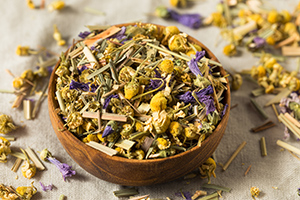
Chamomile flowers contain apigenin, a flavonoid that binds weakly to the same brain receptors as benzodiazepines like diazepam — at far lower potency. The [NCCIH, 2023] notes that small clinical trials suggest a standardized chamomile extract may help with generalized anxiety disorder, though the overall body of evidence is limited and most trials are short.
Doses used in research range from 220 mg twice daily to about 1,500 mg daily of a standardized extract (typically standardized to 1.2% apigenin). A cup of strong chamomile tea is unlikely to do the same thing as a capsule, but it is also unlikely to cause harm. Skip chamomile if you are allergic to ragweed, daisies, or marigolds — they belong to the same plant family.
Chamomile can interact with the blood thinner warfarin and with cyclosporine, and is best avoided in pregnancy because of some signals of preterm delivery and lower birth weight in observational data. If you enjoy the tea as part of a wind-down routine, you can read more about its broader uses in our overview of German chamomile benefits.

Lemon balm (Melissa officinalis)
Lemon balm is a mint-family herb that has been used in Europe for centuries for nervous tension and sleep problems. A 2021 systematic review and meta-analysis in Phytotherapy Research pooled randomized trials and found a meaningful short-term improvement in anxiety and depression scores compared with placebo [Ghaffari et al., 2021].
The authors flagged high heterogeneity between trials and small sample sizes, so the result is best read as promising rather than confirmed. Most trials used 300 to 600 mg per day of leaf extract, often split across the day, for 2 to 8 weeks.
Lemon balm is generally well tolerated. Reported issues are mild — nausea, dizziness, or drowsiness, especially when combined with sedatives, alcohol, or melatonin. It may lower thyroid hormone activity in people with thyroid disease, so caution is reasonable if you take levothyroxine. If you are more interested in aromatherapy than capsules, our piece on lemon balm essential oil covers the topical and inhalation evidence separately.
Magnesium
Magnesium runs more than 300 enzyme reactions in the body, including several involved in the stress response. A 2017 systematic review in Nutrients looked at 18 trials and concluded that magnesium supplementation may reduce subjective anxiety, especially in people who are anxiety-prone or have premenstrual symptoms — but the review also rated the overall quality of the evidence as poor [Boyle et al., 2017]. Translation: it might help you, particularly if your intake is low, but do not expect a sedative-strength effect.
The [NIH ODS, 2022] recommends adults stay under 350 mg per day from supplements and medications combined (food magnesium is not capped). Higher doses commonly cause diarrhea, nausea, and cramping. Magnesium glycinate, citrate, and lactate are generally better absorbed than magnesium oxide.
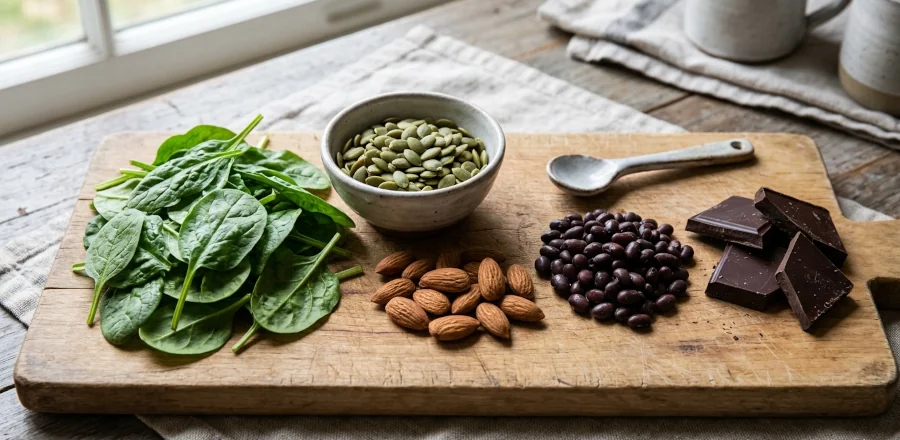
People with chronic kidney disease should not take magnesium without medical guidance, and the mineral can interfere with certain antibiotics (tetracyclines, quinolones) and bisphosphonates if taken at the same time. If you would rather get your magnesium from food, see our list of foods that reduce stress — leafy greens, pumpkin seeds, and dark chocolate are practical sources.
Omega-3 fatty acids (EPA and DHA)
The strongest single piece of evidence for omega-3s and anxiety comes from a 2018 meta-analysis in JAMA Network Open that pooled 19 clinical trials of EPA and DHA and found a small-to-moderate reduction in anxiety symptoms compared with placebo, with larger effects in clinical samples and at doses of at least 2,000 mg per day of combined EPA and DHA [Su et al., 2018]. A 2023 follow-up review in Prostaglandins, Leukotrienes and Essential Fatty Acids found EPA-dominant formulations (≥60% EPA) carried most of the benefit.
Practical points. Many drugstore fish oils provide 300 mg of EPA+DHA per soft-gel, so getting to a research-level dose can mean 4 to 6 soft-gels per day — read the back label, not the front. Algal oil is a vegan source of DHA, with smaller amounts of EPA. Omega-3s can modestly increase bleeding risk and should be paused before surgery and discussed with anyone on warfarin, apixaban, or similar drugs. Burping and a fishy aftertaste are common; refrigeration and split dosing help. For background on fish oil generally, see our overview of the benefits of fish oil.
Vitamin B complex
B vitamins are cofactors for the enzymes that build serotonin, dopamine, and GABA, so the rationale for a stress effect is biologically clean. The most-cited piece of direct evidence is a 2011 double-blind trial in Human Psychopharmacology in which 60 full-time employees took a high-dose B-complex or placebo for 90 days. After controlling for baseline differences, the B-complex group reported less personal strain and less confused, dejected mood than placebo [Stough et al., 2011]. The trial is small, but the design was sound, and later meta-analyses have generally supported a modest stress-reduction signal for B-complex products.
If you eat a varied diet you are likely getting enough B vitamins, with two real exceptions: vegans and vegetarians may run low on B12, and people on metformin or long-term acid suppressors absorb less B12 over time. A standard B-complex covers normal needs. The dose of concern is B6: chronic intake above roughly 100 mg per day has been linked to peripheral neuropathy, so check the label and avoid stacking multiple supplements that all contain B6. Bright-yellow urine after a B-complex is harmless — that is excess riboflavin (B2) leaving the body.
Melatonin
Melatonin is the hormone that signals night to your brain. It is not an anxiolytic — calling it one is one of the most common mistakes in the supplement aisle. What melatonin actually does well is shift the body’s internal clock. The [NCCIH, 2024] notes it has the clearest evidence for jet lag, delayed sleep-wake phase disorder, and circadian rhythm problems in blind adults, with smaller effects on garden-variety insomnia. The [Mayo Clinic, 2024] notes that while melatonin may slightly shorten the time it takes to fall asleep, its effect on total sleep time and sleep quality is unclear.
Doses in trials are usually small — 0.5 to 3 mg taken 30 to 60 minutes before bed, or several hours earlier if you are trying to shift a delayed sleep schedule. Many U.S. products contain 5 to 10 mg, which is higher than needed and increases morning grogginess.
An independent analysis published in JAMA found that melatonin gummies often contain very different amounts than the label claims — sometimes more than 300% of the listed dose — so a brand with third-party testing (USP, NSF, or ConsumerLab) is worth seeking out. If poor sleep is the main driver of your stress, addressing sleep timing and bedroom light can do more than melatonin alone; the list of foods that help you sleep covers some practical food-based options.
Vitamin D
Vitamin D gets attention for mood because receptors for the vitamin are scattered throughout the brain, and low blood levels are common in people with depression. But the evidence that supplementing vitamin D treats anxiety specifically is thinner than headlines suggest. A 2020 meta-analysis in Depression and Anxiety found a modest effect on negative emotions overall, but most of the benefit was concentrated in people who were vitamin D deficient or had depression at baseline; for anxiety symptoms in the general population the effect was small and inconsistent.
The pragmatic move is to test, not guess. If your 25-hydroxyvitamin D level is below 20 ng/mL, correcting that with 1,000 to 2,000 IU per day (or whatever your clinician prescribes) is reasonable. If your level is already adequate, more vitamin D is unlikely to do anything for mood — and intakes above 4,000 IU per day long-term can cause toxicity, including high calcium levels, kidney stones, and nausea. For background on the connection between mood and other nutrients, the article on 1 in 5 adults experiencing anxiety and depression puts the bigger picture in plain language.
Side effects, drug interactions, and who should avoid these
Supplements feel safe because they sit on a grocery shelf, but most of them are pharmacologically active enough to have a downside. A few patterns to keep in mind:
Sedation stacks. Combining lemon balm, chamomile, melatonin, alcohol, or prescription sleep medication can produce more sedation than any one of them on its own. Driving the next morning can be impaired even without you noticing.
Blood thinners. Omega-3s, chamomile, and high-dose vitamin E can all add to the effect of warfarin, apixaban, rivaroxaban, or daily aspirin. Tell whoever manages those prescriptions before starting.
Thyroid disease. Ashwagandha and lemon balm can both affect thyroid hormone levels and may interact with levothyroxine.
Pregnancy and breastfeeding. Ashwagandha, chamomile in pregnancy (especially daily use), and high-dose herbal blends should be avoided. Magnesium and B vitamins from food are fine; supplemental forms should be cleared with the obstetric team.
Product quality. U.S. supplements are not pre-approved by the FDA. Independent testing programs — USP, NSF Certified for Sport, and ConsumerLab — verify that what is in the bottle matches the label and is free of contamination. The extra cost is usually small.
When supplements aren’t enough
Self-care has a real ceiling. See a clinician now — not in a few weeks — if any of the following are happening:
• Panic attacks that come out of nowhere or are starting to limit where you go. • Anxiety bad enough to interfere with work, sleep, or relationships for more than two weeks. • Persistent intrusive thoughts, compulsions, or images you can’t shake. • Symptoms that show up alongside chest pain, palpitations, severe headache, sudden weight loss, or tremor — those can have medical causes (thyroid problems, arrhythmias, anemia) that look like anxiety. • Any thoughts of self-harm or suicide. In the U.S., the 988 Suicide and Crisis Lifeline can be reached by call or text, 24/7.
Cognitive behavioral therapy and a small number of well-studied medications are the standard treatments for anxiety disorders, and they tend to outperform supplements in head-to-head trials. The [Mayo Clinic, 2024] has a free, plain-language guide to relaxation techniques — diaphragmatic breathing, progressive muscle relaxation, guided imagery — that pair well with anything else you are doing.
Realistic expectations
A good rule of thumb: give any single supplement 4 to 8 weeks at a research-level dose, then decide. Track one or two specific things — sleep onset, evening tension, number of anxious episodes per week — rather than relying on vague feelings. Do not start more than one new supplement at a time, or you will not know what is working. And if your situation is heavy enough that you are looking for relief urgently, that is exactly the signal to add a clinician to the picture rather than another bottle.
| Health Disclaimer This article is for educational purposes only and is not medical advice, diagnosis, or treatment. Supplements can interact with prescription medications, change how your body absorbs nutrients, and affect underlying conditions in ways you cannot always predict. Talk with a licensed clinician — a physician, pharmacist, or registered dietitian — before starting, stopping, or combining any supplement, especially if you are pregnant or breastfeeding, taking blood thinners, have a thyroid or liver condition, or are managing a diagnosed mental health condition. If you are in crisis or thinking about self-harm, call or text 988 in the United States to reach the Suicide and Crisis Lifeline, or contact your local emergency number. |
Frequently asked questions
What is the single best supplement for stress?
There is no winner that fits everyone. Across systematic reviews, ashwagandha (240–600 mg/day of a standardized extract) has the most consistent stress-reduction signal in short trials. People with low intake tend to respond best to magnesium, and people with depressive symptoms alongside anxiety may benefit more from EPA-dominant omega-3s. Match the supplement to the pattern, and give it 4 to 8 weeks before judging.
Can I take ashwagandha and magnesium together?
There are no well-documented direct interactions between them, and people commonly combine them. Take them at different times if magnesium upsets your stomach, and avoid stacking ashwagandha with sedating medications. If you take thyroid medication, talk to your clinician first.
Does melatonin help with anxiety?
Not directly. Melatonin is a sleep-timing signal, not an anti-anxiety drug. It can indirectly help anxiety if poor sleep is fueling the problem, but it will not blunt daytime worry the way a true anxiolytic would.
How long do these supplements take to work?
Most trials run 6 to 12 weeks. Melatonin and lemon balm may produce noticeable acute effects within a day; ashwagandha, magnesium, omega-3, and B-complex generally need 4 to 8 weeks of consistent daily use before you can fairly judge.
Are these safe during pregnancy?
Most are not recommended in pregnancy without clinician oversight. Ashwagandha and chamomile are best avoided, and herbal blends in general should be cleared with your obstetric team. Food-based magnesium, omega-3 from low-mercury fish, and prenatal-vitamin B and D are the safer routes, and your clinician will tailor the doses.
What’s the difference between a stress supplement and an anxiety supplement?
The terms overlap, but “stress” generally refers to a response to a stressor that lifts with rest, while “anxiety” refers to a more persistent state that does not. Supplements like ashwagandha and B-complex are studied mostly for stress and strain. Chamomile, lemon balm, and high-EPA omega-3s have more direct anxiety trial data. None of them is approved by the FDA to treat anxiety disorders; that designation is reserved for prescription medications.
References
1. National Center for Complementary and Integrative Health. Ashwagandha: Usefulness and Safety. NCCIH; 2023. → View source
2. National Institutes of Health, Office of Dietary Supplements. Ashwagandha: Is it helpful for stress, anxiety, or sleep? Health Professional Fact Sheet; updated 2023. → View source
3. National Institutes of Health, Office of Dietary Supplements. Ashwagandha — Consumer Fact Sheet; updated 2023. → View source
4. National Center for Complementary and Integrative Health. Chamomile. NCCIH Herbs at a Glance; updated 2023. → View source
5. Ghaffari F, Tavakoli-Far B, Mirzaei N, et al. The effects of lemon balm (Melissa officinalis L.) on depression and anxiety in clinical trials: a systematic review and meta-analysis. Phytotherapy Research. 2021;35(12):6690–6705. → View source
6. Boyle NB, Lawton C, Dye L. The effects of magnesium supplementation on subjective anxiety and stress — a systematic review. Nutrients. 2017;9(5):429. → View source
7. National Institutes of Health, Office of Dietary Supplements. Magnesium — Consumer Fact Sheet; updated 2022. → View source
8. Su KP, Tseng PT, Lin PY, et al. Association of use of omega-3 polyunsaturated fatty acids with changes in severity of anxiety symptoms: a systematic review and meta-analysis. JAMA Network Open. 2018;1(5):e182327. → View source
9. Stough C, Scholey A, Lloyd J, Spong J, Myers S, Downey LA. The effect of 90-day administration of a high-dose vitamin B-complex on work stress. Human Psychopharmacology. 2011;26(7):470–476. → View source
10. National Center for Complementary and Integrative Health. Melatonin: What You Need to Know. NCCIH; updated 2024. → View source
11. Mayo Clinic. Melatonin (oral route) — drugs and supplements. Updated 2024. → View source
12. Mayo Clinic. Relaxation techniques: Try these steps to lower stress. Updated 2024. → View source
13. Cheng YC, Huang YC, Huang WL. The effect of vitamin D supplement on negative emotions: a systematic review and meta-analysis. Depression and Anxiety. 2020;37(6):549–564. → View source
14. National Institute on Drug Abuse. Benzodiazepines and Opioids. NIDA; updated 2024. → View source
