
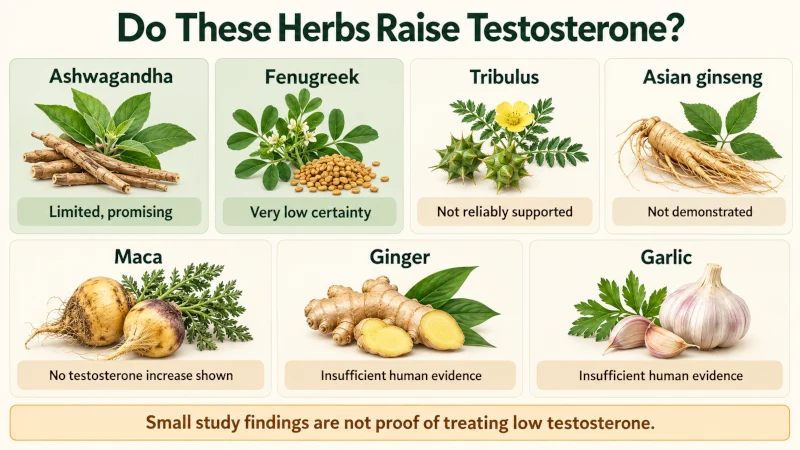
Most herbs sold to raise testosterone barely move the number on a lab report. Of all the herbs for increasing testosterone, only two have fairly consistent human data, ashwagandha and fenugreek, and even their effects are small and measured mostly in healthy men whose levels weren’t low to begin with [Smith et al., 2021]. Tribulus, the herb on nearly every “T-booster” label, has repeatedly failed to raise testosterone in controlled trials [Vilar Neto et al., 2025].
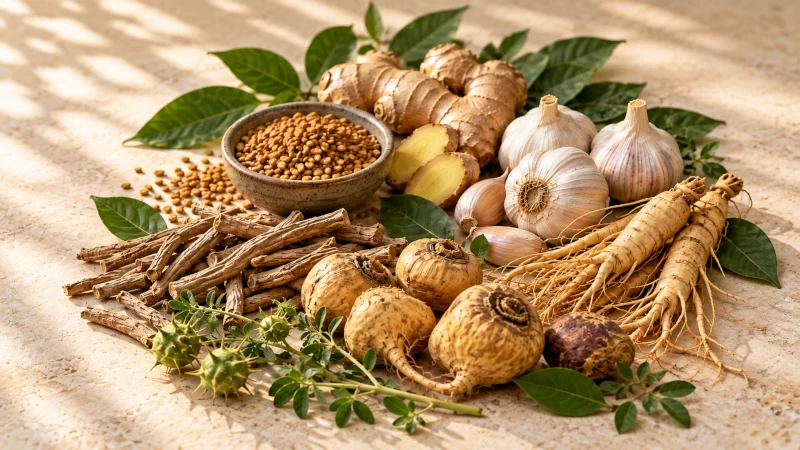
That doesn’t make herbs useless. A few may help with stress, sleep or sex drive, which is often what men are really chasing. But if you’re tired, your libido has slipped or your workouts feel flat, it helps to know what these herbs can realistically do, what they can’t, and what’s more likely to make a difference.
First, Is Your Testosterone Actually Low?
Low testosterone is a diagnosis, not a feeling. Guidelines agree it takes two things: symptoms that fit, such as low sex drive, erectile problems, infertility, breast tenderness or enlargement, or thinning bones, plus blood tests showing a clearly low level, drawn in the morning and repeated [Al-Sharefi & Quinton, 2020]. The American Urological Association uses 300 ng/dL as its cutoff; other societies draw the line somewhat lower [Al-Sharefi & Quinton, 2020].

Here’s the part supplement ads skip. In many middle-aged and older men, a lowish reading reflects weight gain, diabetes or other health problems rather than failing testes, and the hormone system can bounce back once those are treated [Al-Sharefi & Quinton, 2020]. Other causes, such as a pituitary problem or long-term opioid use, need a doctor to find. An herb won’t fix either situation, and some can muddy the picture: maca, for example, may interfere with testosterone lab tests [MSK, Maca].
Herbs for Increasing Testosterone, Graded by the Evidence
A 2021 systematic review of 32 randomized trials found that only 9 showed a significant rise in testosterone, with fenugreek and ashwagandha the most consistent. Half the studies enrolled men under 40, mostly healthy volunteers [Smith et al., 2021]. Keep that in mind as you read: a small bump in a 25-year-old weightlifter says little about a 55-year-old with diagnosed low T.
| Herb | Sold for | What human trials show | Evidence grade |
| Ashwagandha | Testosterone, stress, strength | Small testosterone increases in a few short trials; better evidence for stress and sleep | Limited but promising |
| Fenugreek | Testosterone, libido | Small effect on total testosterone; no reliable effect on free testosterone | Very low certainty |
| Tribulus terrestris | Testosterone, erections | No robust testosterone increase; weak evidence for erections | Not supported for testosterone |
| Asian ginseng | Erections, energy | Trivial effect on erectile function; not shown to raise testosterone | Low certainty (ED only) |
| Maca | Libido | More sexual desire in small trials; testosterone unchanged | Limited (libido only) |
| Ginger | Testosterone | Mostly rat studies | Insufficient in humans |
| Garlic | Testosterone | No controlled human trials found | Insufficient |
Ashwagandha: The Best Case, Still Modest
Ashwagandha has the strongest case, which says as much about the competition as about ashwagandha. In a crossover trial, overweight men aged 40 to 70 who took a standardized extract for 8 weeks had a 14.7% greater rise in salivary testosterone than on placebo. Yet they felt no less tired, no more vigorous and reported no change in sexual well-being [Lopresti et al., 2019]. In 57 young men starting a weight-training program, 600 mg a day of root extract for 8 weeks produced a larger testosterone increase and more strength gain than placebo [Wankhede et al., 2015].
Both trials were small, short and used branded extracts. Ashwagandha’s better-established use is stress and sleep, where some preparations may help [NCCIH, Ashwagandha]. If stress is draining your energy and libido, that’s a reasonable reason to try it. Our guide to ashwagandha benefits covers doses and forms.
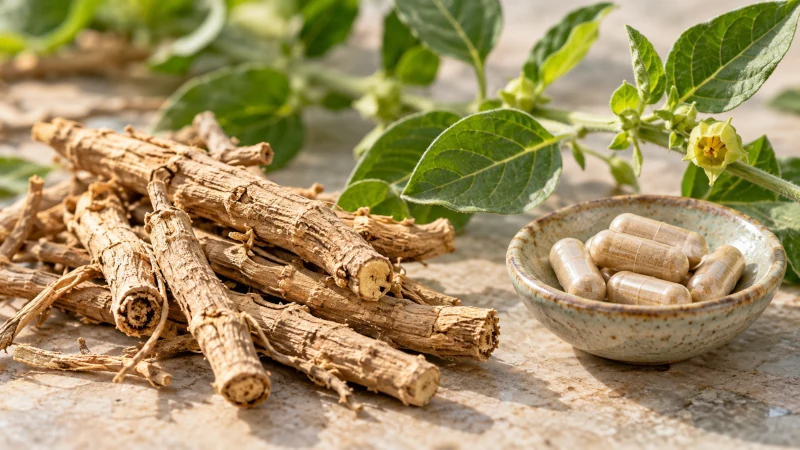
The catch: ashwagandha appears safe for about three months, but it may affect thyroid function, has been linked to liver problems and may not be safe for men with prostate cancer [NIH ODS, Ashwagandha].
Fenugreek: A Small Signal, Very Uncertain
Fenugreek extract shows up in many testosterone formulas, and early pooled data looked encouraging: a 2020 meta-analysis of four trials reported a significant effect on total testosterone [Mansoori et al., 2020]. The newer picture is less flattering. A 2026 meta-analysis found a small effect on total testosterone across six trials, no stable effect on free testosterone (the active fraction), and rated the certainty of both findings very low. Most trials used 500 to 600 mg of extract daily for 8 to 12 weeks, industry funding was common, and the authors concluded the evidence does not support testosterone-boosting claims [Yang et al., 2026].
The two analyses don’t truly conflict. The older one was smaller and less critical of study quality. A possible small nudge to one lab number is the honest ceiling. Fenugreek’s better-studied effects are on blood sugar and cholesterol, which our fenugreek plant guide covers in detail.
Tribulus Terrestris: The Testosterone Claim Doesn’t Hold Up
Tribulus is the herb most tied to testosterone marketing, and the evidence most clearly against it. A 2014 systematic review concluded it doesn’t raise testosterone in humans; the only human increases came when it was part of a combination product [Qureshi et al., 2014]. A 2025 review of 10 trials in 483 men found that 8 showed no hormone change. The two positive studies enrolled men with low testosterone, reported rises of roughly 60 to 70 ng/dL, and were rated low quality [Vilar Neto et al., 2025].
Tribulus may help erections a little: three of five trials that measured erectile function found improvement, though the reviewers called that evidence low-level. None of the reviewed trials reported side effects [Vilar Neto et al., 2025]. The whole plant damages the livers of grazing animals, but tribulus extracts at typical doses haven’t been convincingly linked to liver injury in people [LiverTox, Tribulus].
Ginseng: Studied for Erections, Not Testosterone
Asian ginseng (Panax ginseng) often appears on testosterone lists, but the human research is about erections, not hormone levels. A Cochrane review of nine trials in 587 men with mild-to-moderate erectile dysfunction found a trivial effect on erectile function, on low-certainty evidence, and no trial compared ginseng with prescription ED drugs [Lee et al., 2021].
Insomnia is the most common side effect. Ginseng may also lower blood sugar, interfere with blood clotting and worsen autoimmune conditions [NCCIH, Asian Ginseng], and studies of its interaction with warfarin have been mixed [NCCIH, Herb-Drug Interactions].
Maca: More Desire, Same Testosterone
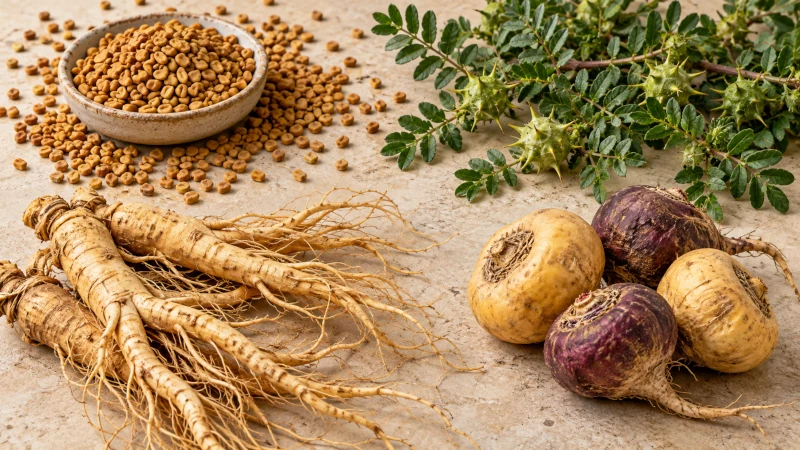
Maca is a good example of an herb that may help with what men actually want without touching testosterone. In a 12-week randomized trial, men aged 21 to 56 taking 1.5 or 3 grams a day reported more sexual desire from week 8, while their testosterone stayed the same as the placebo group’s [Gonzales et al., 2002]. A companion analysis found no change in testosterone or other reproductive hormones [Gonzales et al., 2003].
Memorial Sloan Kettering lists no reported side effects but notes maca may interfere with testosterone lab tests, so mention it to your doctor before bloodwork [MSK, Maca].
Ginger and Garlic: Animal Data, Not Human Proof
Both earn spots on testosterone lists from animal research. A systematic review of ginger found most supportive studies were in rats, often diabetic or otherwise stressed, and concluded the effect is not confirmed in humans [Banihani, 2018]. For garlic, we found no controlled human trial showing it raises testosterone.
Both are good foods. As concentrated supplements, they can add to bleeding risk if you take a blood thinner [Michigan Medicine, Ginger Root; NCCIH, Garlic]. Our ginger guide explains what ginger is genuinely useful for.
What Moves Testosterone More Reliably Than Any Herb
The biggest levers are the unglamorous ones.

- Sleep. In a small lab study, ten young men limited to five hours a night for one week saw daytime testosterone fall 10 to 15% [Leproult & Van Cauter, 2011].
- Weight and metabolic health. Much of the testosterone drop seen in middle-aged and older men tracks with obesity, diabetes and related conditions, and levels can recover when those are treated [Al-Sharefi & Quinton, 2020].
- Your medicines. Long-term opioid use and anabolic steroid use are recognized causes of low testosterone, and guidelines favor addressing the cause first where possible [Al-Sharefi & Quinton, 2020].
- Stress. This is where ashwagandha has its best evidence, and it’s a reasonable first target if stress is what’s wearing you down [NCCIH, Ashwagandha].
If libido, erections or energy are your real concern, our evidence-graded look at herbs for male stamina sorts those claims separately.
Side Effects, Interactions, and Who Should Avoid These Herbs
“Natural” doesn’t mean interaction-free. Here’s what verified sources report:
| Herb | Common side effects | Key interactions and cautions |
| Ashwagandha | Drowsiness, stomach upset, diarrhea, vomiting [NCCIH, Ashwagandha] | May affect thyroid function and thyroid medicine; linked to liver problems; may not be safe with prostate cancer; safety beyond ~3 months unclear [NIH ODS, Ashwagandha] |
| Fenugreek | Allergic reactions possible; anaphylaxis reported on challenge testing [MSK, Fenugreek] | Case reports of increased bleeding with warfarin [MSK, Fenugreek]; not safe in pregnancy above food amounts [NCCIH, Fenugreek] |
| Tribulus | None reported in reviewed trials [Vilar Neto et al., 2025] | Plant is toxic to grazing animals; human liver injury not convincingly linked at typical doses [LiverTox, Tribulus] |
| Asian ginseng | Insomnia; rarely severe rash, liver damage or allergic reaction [NCCIH, Asian Ginseng] | May lower blood sugar; may interfere with clotting; may worsen autoimmune disease [NCCIH, Asian Ginseng]; warfarin data mixed [NCCIH, Herb-Drug Interactions] |
| Maca | None reported [MSK, Maca] | May interfere with testosterone lab tests [MSK, Maca] |
| Ginger (supplements) | Usually mild at food amounts | May raise bleeding risk with blood thinners [Michigan Medicine, Ginger Root] |
| Garlic (supplements) | Allergic reactions in some people [NCCIH, Garlic] | Bleeding risk with anticoagulants or aspirin and around surgery [NCCIH, Garlic]; stop 1–2 weeks before surgery; may reduce effectiveness of some HIV protease inhibitors [MSK, Garlic] |
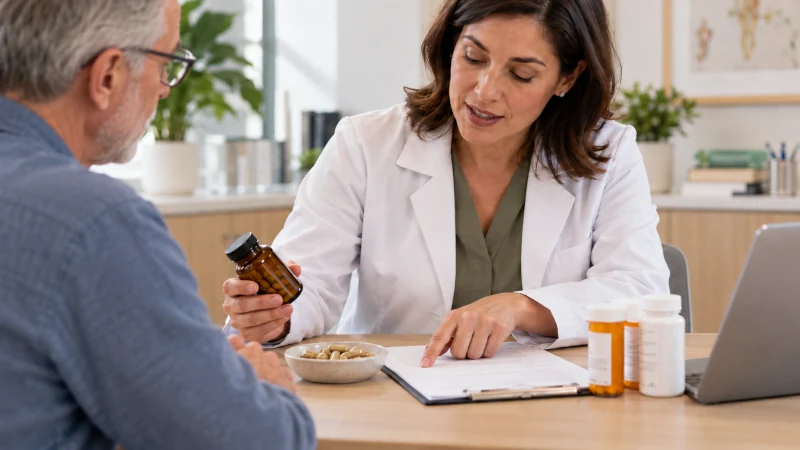
Talk to a doctor or pharmacist first if you: take a blood thinner or have a bleeding disorder; have surgery coming up; take diabetes, thyroid or HIV medicines; have thyroid, liver or autoimmune disease; or have prostate cancer or another hormone-sensitive condition.
The Hidden-Drug Problem With “T-Booster” Products
This risk is bigger than any single herb. The FDA warns that many products sold for sexual enhancement or as male “energy” and “stamina” pills are likely contaminated with hidden drug ingredients, are sometimes falsely marketed as dietary supplements or all-natural treatments, and can lead to severe health problems and hospitalization. Its list of flagged products covers only a small fraction of what’s on the market, so a product’s absence from the list doesn’t mean it’s safe [FDA, 2026]. Multi-ingredient blends promising fast, dramatic results deserve the most suspicion.
Pregnancy and Breastfeeding
These products are marketed to men, but they end up in shared cabinets. Ashwagandha should be avoided during pregnancy and breastfeeding [NCCIH, Ashwagandha]. Fenugreek in amounts larger than food is not safe in pregnancy and has been linked to birth defects [NCCIH, Fenugreek]. Some studies suggest Asian ginseng taken by mouth may be unsafe during pregnancy [NCCIH, Herb-Drug Interactions].
When to See a Doctor Instead
Book an appointment rather than a supplement order if you have any of these [Al-Sharefi & Quinton, 2020]:
- a lasting drop in sex drive or new erectile problems
- breast tenderness or enlargement
- trouble conceiving
- a fracture from a minor fall, or known thinning bones
- symptoms after long-term opioid, steroid or anabolic steroid use
Get urgent care for chest pain, fainting or a racing heart after taking any sexual-enhancement or “T-booster” product. Stop the herb and call your doctor promptly if you develop yellowing of the skin or eyes, dark urine or ongoing abdominal pain while taking ashwagandha, given its link to liver problems [NIH ODS, Ashwagandha].
| HEALTH DISCLAIMER: This article is for general education only. It is not medical advice, a diagnosis or a treatment plan, and it can’t account for your medicines or health conditions. The herbs described here are dietary supplements, not treatments for low testosterone or any other disease, and supplements are not reviewed by the FDA for safety or effectiveness before they are sold. Talk with a doctor or pharmacist before starting any of them, especially if you take prescription medicine (including blood thinners, diabetes, thyroid or HIV drugs), have a liver, thyroid, autoimmune or hormone-sensitive condition, or have surgery scheduled. Don’t stop or change a prescribed medicine because of anything you read here. If you have chest pain, fainting or signs of liver trouble, seek medical care right away. |
Frequently Asked Questions
Which herb raises testosterone the most?
Ashwagandha and fenugreek have the most consistent results, but the increases are small and come mostly from short trials in healthy men, many under 40 [Smith et al., 2021]. Neither is a substitute for evaluation if you have symptoms of low testosterone.
Does tribulus increase testosterone?
Not reliably. Eight of ten trials in a 2025 review showed no hormone change, and the two positive ones were low quality [Vilar Neto et al., 2025]. An earlier review reached the same conclusion [Qureshi et al., 2014].
How long do these herbs take to work?
The trials that found any effect ran about 8 to 12 weeks [Lopresti et al., 2019; Wankhede et al., 2015; Yang et al., 2026]. A product promising results in days is a warning sign, especially given how often “stamina” products contain hidden drugs [FDA, 2026].
Can herbs replace testosterone therapy?
No. The fenugreek research, for example, mostly involved healthy, exercising or older men rather than men with confirmed low testosterone, so it doesn’t tell you whether it would help a diagnosed deficiency [Yang et al., 2026]. Diagnosed low testosterone needs a cause-finding workup [Al-Sharefi & Quinton, 2020].
Is it safe to take several of these herbs together?
Combining them stacks side effects and interactions, several of which involve bleeding, blood sugar or the liver [NCCIH, Asian Ginseng; NCCIH, Garlic; NIH ODS, Ashwagandha]. Check with a pharmacist first, and be especially wary of multi-ingredient “T-booster” blends [FDA, 2026].
References
- Al-Sharefi A, Quinton R. Current national and international guidelines for the management of male hypogonadism: helping clinicians to navigate variation in diagnostic criteria and treatment recommendations. Endocrinol Metab (Seoul). View source
- Smith SJ, Lopresti AL, Teo SYM, Fairchild TJ. Examining the effects of herbs on testosterone concentrations in men: a systematic review. View source
- Lopresti AL, Drummond PD, Smith SJ. A randomized, double-blind, placebo-controlled, crossover study examining the hormonal and vitality effects of ashwagandha (Withania somnifera) in aging, overweight males. Am J Mens Health. View source
- Wankhede S, Langade D, Joshi K, Sinha SR, Bhattacharyya S. Examining the effect of Withania somnifera supplementation on muscle strength and recovery: a randomized controlled trial. View source
- National Center for Complementary and Integrative Health. Ashwagandha. NIH. View source
- NIH Office of Dietary Supplements. Ashwagandha: Is it helpful for stress, anxiety, or sleep? Fact Sheet for Consumers. View source
- Yang P, Niu Z, Guo J, Huang T, Chang D, Huang X. Effects of oral fenugreek-derived preparations on testosterone-related outcomes in adult men: a systematic review and meta-analysis of randomized placebo-controlled trials. View source
- Mansoori A, Hosseini S, Zilaee M, Hormoznejad R, Fathi M. Effect of fenugreek extract supplement on testosterone levels in male: a meta-analysis of clinical trials. View source
- National Center for Complementary and Integrative Health. Fenugreek. NIH. View source
- Memorial Sloan Kettering Cancer Center. About Herbs: Fenugreek. View source
- Vilar Neto JO, de Moraes WMAM, Pinto DV, et al. Effects of Tribulus (Tribulus terrestris L.) supplementation on erectile dysfunction and testosterone levels in men — a systematic review of clinical trials. Nutrients. View source
- Qureshi A, Naughton DP, Petroczi A. A systematic review on the herbal extract Tribulus terrestris and the roots of its putative aphrodisiac and performance enhancing effect. View source
- LiverTox: Clinical and Research Information on Drug-Induced Liver Injury. Tribulus. National Institute of Diabetes and Digestive and Kidney Diseases. View source
- Lee HW, Lee MS, Kim T-H, Alraek T, Zaslawski C, Kim JW, Moon DG. Ginseng for erectile dysfunction. View source
- National Center for Complementary and Integrative Health. Asian Ginseng. NIH. View source
- National Center for Complementary and Integrative Health. Herb-Drug Interactions: What the Science Says. NIH. View source
- Banihani SA. Ginger and testosterone. Biomolecules. View source
- Michigan Medicine (University of Michigan Health). Ginger Root — drug information. View source
- National Center for Complementary and Integrative Health. Garlic. NIH. View source
- Memorial Sloan Kettering Cancer Center. About Herbs: Garlic. View source
- Gonzales GF, et al. Effect of Lepidium meyenii (Maca), a root with aphrodisiac and fertility-enhancing properties, on serum reproductive hormone levels in adult healthy men. View source
- Gonzales GF, et al. Effect of Lepidium meyenii (MACA) on sexual desire and its absent relationship with serum testosterone levels in adult healthy men. View source
- Memorial Sloan Kettering Cancer Center. About Herbs: Maca (patient information). View source
- Leproult R, Van Cauter E. Effect of 1 week of sleep restriction on testosterone levels in young healthy men. View source
- U.S. Food and Drug Administration. Sexual Enhancement and Energy Product Notifications. View source


