
If you’re looking up herbs for the nervous system, you probably want one of three things: to feel less wound up, to sleep better, or to keep your memory sharp. Here is the honest answer. A few calming herbs have modest evidence for mild anxiety or sleep trouble, led by oral lavender oil, chamomile, passionflower, lemon balm, and valerian. None of them repairs, cleanses, or “rebalances” your nerves. Ginkgo, the best-known memory herb, failed its largest trial. And some plants still listed as nervous-system herbs, including monkshood, henbane, and jimson weed, are poisons.
So the useful questions are narrower: which herb matches your problem, how solid the evidence is, and what it might do alongside the medicines you already take.
What calming herbs can and can’t do
Herbs sold for the nervous system mostly act, when they act at all, as mild sedatives. That can take the edge off a stressful week or a restless night. It won’t treat an anxiety disorder, depression, or long-term insomnia, and in the better trials the benefit is small [Donelli et al., 2019; Amsterdam et al., 2009].
“Gentle” doesn’t mean free of consequences, either. Valerian can cause withdrawal symptoms if you stop suddenly after long use [NCCIH Valerian, 2025]. Kava has been linked to rare but sometimes fatal liver injury [NCCIH Kava, 2025]. Tea brewed from unwashed poppy seeds, promoted online as a natural remedy for anxiety and sleeplessness, has caused addiction and fatal morphine overdoses [KFF Health News, 2024]. And because herbal supplements aren’t approved by the FDA before they’re sold, what’s in the bottle can vary [NCCIH Valerian, 2025].
Herbs for the nervous system at a glance
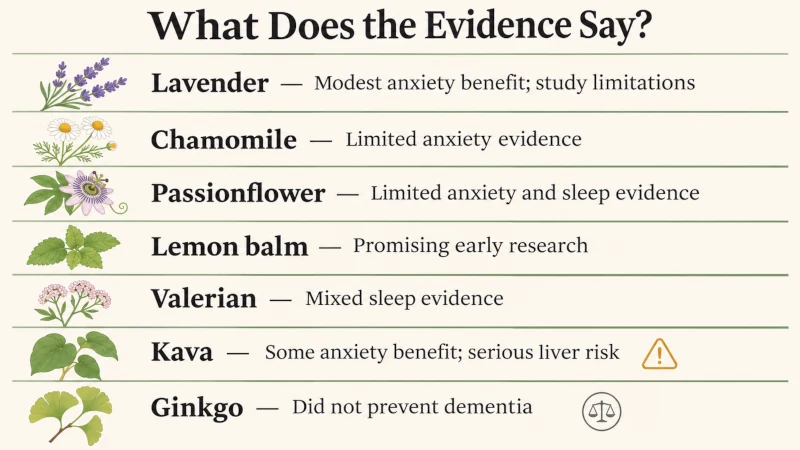
The grades below reflect human research, not tradition. “Limited” means a few small trials point in a helpful direction; “insufficient” means there isn’t enough research to say.
| Herb | Often used for | Evidence | Biggest caution |
| Lavender (oral oil capsule) | Anxiety | Moderate but limited; mostly industry-funded, high risk of bias | GI upset; may add to sedatives; never swallow essential oil |
| Chamomile | Anxiety, sleep | Limited for anxiety (one small trial); insufficient for sleep | Ragweed-family allergy; reported warfarin interaction |
| Passionflower | Anxiety, pre-procedure nerves, sleep | Limited | Drowsiness; avoid in pregnancy and before surgery |
| Lemon balm | Stress, low mood | Limited but promising; small, low-quality trials | Few long-term data; check before combining with sedatives |
| Valerian | Sleep | Mixed; not recommended for chronic insomnia | Next-day dullness; withdrawal after long use; rare liver injury |
| Kava | Anxiety | Some benefit over weeks; not for generalized anxiety disorder | Rare, sometimes fatal liver injury |
| Ginkgo | Memory | Did not prevent dementia in a large trial | Bleeding risk with blood thinners; seeds are toxic |
| Monkshood, jimson weed, henbane, poison hemlock | Historical “nerve” remedies | No safe use at home | Poisonous; can be fatal |
| Poppy seed tea | Sleep, anxiety | Not a remedy | Morphine overdose and addiction |
Calming herbs with the best evidence
Lavender: the oral capsule, not the essential-oil bottle
Lavender has more research behind it than any other calming herb. A 2019 systematic review found that a standardized oral lavender-oil capsule (sold as Silexan), taken at 80 mg a day for at least six weeks, lowered scores on the Hamilton Anxiety Scale by about 3 points compared with placebo. Inhaled lavender also reduced anxiety, but the studies differed too much to pin down how much, and most trials in the review carried a high risk of bias [Donelli et al., 2019].
NCCIH reads the same evidence cautiously: the oral product might help anxiety, but the trials were small, mostly not independently funded, and short on diverse participants. Whether lavender aromatherapy helps sleep is unclear [NCCIH Lavender, 2025].
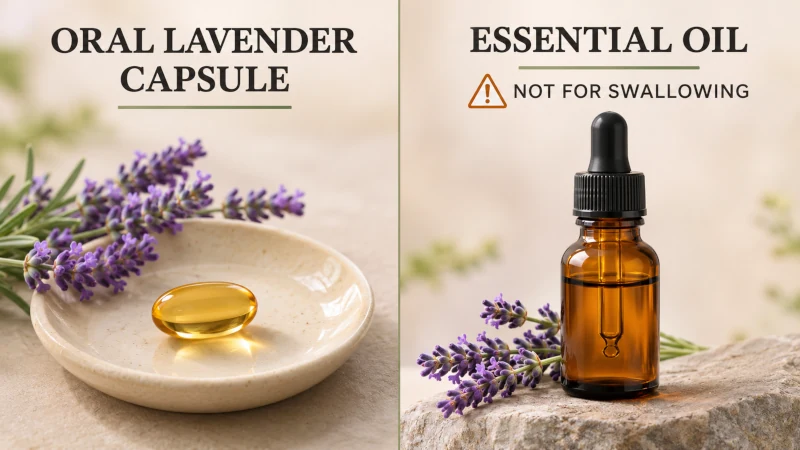
Oral lavender can cause diarrhea, headache, nausea, or burping. On the skin it can trigger allergic reactions, and a few cases of breast swelling have been reported in children using topical lavender products, though it isn’t clear lavender caused them. It may also add to the effect of sedative drugs and herbs [NCCIH Lavender, 2025]. The studied form is a capsule made for oral use, so don’t swallow essential oil. Our guide to lavender’s benefits and risks covers forms and doses.
Chamomile
Chamomile’s best trial is small but well designed. Among 57 adults with mild to moderate generalized anxiety disorder, an oral chamomile extract taken for eight weeks lowered anxiety scores more than placebo, and the researchers described the effect as modest [Amsterdam et al., 2009]. For sleep there’s very little: a 2019 review found one insomnia study, and it showed no benefit [NCCIH Chamomile, 2024].
A cup of chamomile tea is low-risk for most adults, with real exceptions. People allergic to ragweed, chrysanthemums, marigolds, or daisies are more likely to react, and rare reactions include anaphylaxis. Interactions with warfarin have been reported, and chamomile may have estrogen-like effects that could weaken birth control pills [NCCIH Chamomile, 2024].
Passionflower
A small body of research suggests oral passionflower may ease anxiety, including nerves before surgery or dental work, and might lengthen total sleep time in people with insomnia, but the findings aren’t definite [NCCIH Passionflower, 2025]. A Cochrane review found only two eligible trials with 198 people, too few for firm conclusions, although one suggested passionflower worked about as well as a benzodiazepine [Miyasaka et al., 2007].
Passionflower may be safe as a tea for up to seven nights, or as an extract for up to eight weeks. It can cause drowsiness, dizziness, or confusion. Tell your care team if you’ve taken it within two weeks of surgery, and don’t use it during pregnancy, because it may trigger uterine contractions [NCCIH Passionflower, 2025]. Our passion flower guide goes into doses and forms.
Lemon balm
Lemon balm (Melissa officinalis) is a lemon-scented mint used in calming teas. A 2021 meta-analysis of randomized trials found it improved anxiety and depression scores compared with placebo without serious side effects, but the authors said higher-quality studies are needed before the effect can be called established [Ghazizadeh et al., 2021]. If a calming tea appeals to you, our nervine tea guide shows how to combine lemon balm with chamomile, passionflower, and linden at sensible amounts.
Valerian and sleep
Valerian root is the classic herbal sleep aid, and its record is mixed. A 2006 meta-analysis of 16 trials with 1,093 people found that those taking valerian were more likely to report better sleep, but most of the studies had significant flaws and the result showed signs of publication bias [Bent et al., 2006]. The American Academy of Sleep Medicine recommended against valerian for chronic insomnia in its 2017 guideline [NCCIH Valerian, 2025].
Valerian appears safe for most adults short term, at 300 to 600 mg a day for up to six weeks; nobody knows about longer use. Side effects include headache, stomach upset, mental dullness, and vivid dreams. Stopping abruptly after long use can bring on anxiety, irritability, and insomnia, and very rare liver injury has been reported, mostly when valerian was combined with other herbs. Don’t take it with alcohol or sedatives [NCCIH Valerian, 2025]. Our valerian root guide goes deeper.
If poor sleep has dragged on for months, the treatment with the strongest backing isn’t an herb at all. The American College of Physicians recommends cognitive behavioral therapy for insomnia (CBT-I) as the first treatment for chronic insomnia in adults [Qaseem et al., 2016]. Our roundup of natural remedies for insomnia ranks habits, CBT-I, and supplements by evidence.
Kava: a real effect, a real liver risk
Kava, a South Pacific plant in the pepper family, may help anxiety if taken for several weeks, though it doesn’t seem to help generalized anxiety disorder. The catch is serious. Kava products have been linked to rare cases of liver injury, some fatal, including cases involving water-based kava drinks. It shouldn’t be combined with alcohol or benzodiazepines, and it may carry special risks during pregnancy and breastfeeding [NCCIH Kava, 2025]. If you have liver disease or drink regularly, leave kava alone.
Ginkgo and memory: the claim that didn’t hold up
Ginkgo is sold for “brain health” more than almost any herb, and the evidence doesn’t support it. In the Ginkgo Evaluation of Memory study, more than 3,000 adults aged 75 and older took 120 mg of ginkgo extract twice a day or a placebo for a median of six years. Dementia rates were the same in both groups [DeKosky et al., 2008]. NCCIH’s summary is blunt: there’s no conclusive evidence that ginkgo helps any health condition, and it’s uncertain whether it affects thinking in healthy people [NCCIH Ginkgo, 2025].
Ginkgo leaf extract is generally well tolerated, but it may raise bleeding risk in people taking blood thinners such as warfarin, it may be unsafe during pregnancy, and the seeds are toxic [NCCIH Ginkgo, 2025]. New forgetfulness in you or someone close to you deserves a medical evaluation, not a supplement trial. Our ginkgo biloba guide covers what the research does and doesn’t show.
Old “nervous system” plants that are actually poisons
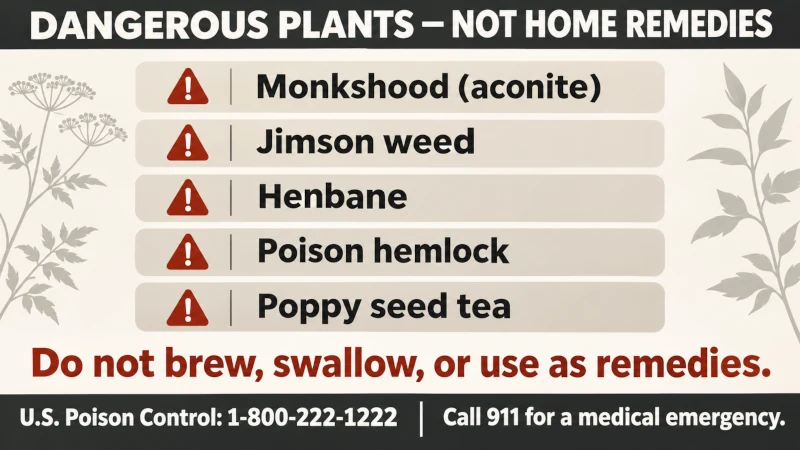
Traditional herbals sorted plants by what they did to the nerves, not by whether that effect was safe in a home kitchen. Several plants on those lists act strongly precisely because they’re toxic. Don’t buy, forage, brew, or swallow any of the following.
Monkshood (aconite, wolfsbane)
Swallowing any part of monkshood, or an herbal product made from it, can kill. Numbness, tingling, vomiting, and dangerous heart-rhythm changes can start within minutes, there’s no specific antidote, and the gap between a claimed therapeutic dose and a toxic one is very small. Poison Control describes a young man who filled capsules with ground monkshood root to treat his anxiety and ended up spending 48 days in the hospital [Poison Control, n.d.]. Our wolfsbane safety guide explains how to recognize it.
Jimson weed and henbane
Jimson weed is a nightshade-family plant whose alkaloids, atropine, hyoscyamine, and scopolamine, block parts of the nervous system. In 1994, two Texas teenagers died after drinking tea brewed from its roots. Its strength varies from plant to plant and even leaf to leaf, so there’s no safe home dose; poisoning can cause hallucinations, high fever, seizures, and coma, and symptoms can last a day or two [CDC, 1995]. Henbane carries similar risks, described in our henbane plant guide.
Opium poppy and poppy seed tea
The opium poppy is the source of morphine and codeine, and its seeds can be coated with opium residue during harvesting. Tea made from large amounts of unwashed seeds has led to addiction and fatal overdoses. One young man who had been struggling with anxiety and insomnia died of morphine poisoning in 2016 after drinking a rinse made from poppy seeds he bought online [KFF Health News, 2024].
Poison hemlock
Poison hemlock gets mistaken for similar-looking edible plants, and children have been poisoned playing with its hollow stems. Its alkaloids act on the nervous system and can cause trembling, poor coordination, a weak heartbeat, and death from respiratory failure [Cornell Weed ID, n.d.].
Wild lettuce
Wild lettuce (Lactuca virosa) is sold as “lettuce opium,” and some herbal sources still suggest it as a sedative for children. People have become ill after eating it, and it may contain traces of hyoscyamine, the same type of alkaloid found in jimson weed [Besharat et al., 2009]. Its calming reputation rests on tradition rather than human trials, and it has no place in a child’s bedtime routine. Our prickly lettuce guide covers its close relative and who should avoid both.
How to try a calming herb sensibly
- Start with one herb. A five-herb blend makes it impossible to tell what’s helping or what’s causing a side effect.
- Choose a labeled product. Look for the plant’s species name and the amount per dose; supplements aren’t FDA-approved before sale, so quality varies [NCCIH Valerian, 2025].
- Keep the trial short. Safety data for most calming herbs cover weeks, not years: up to six weeks for valerian and seven nights for passionflower tea [NCCIH Valerian, 2025; NCCIH Passionflower, 2025].
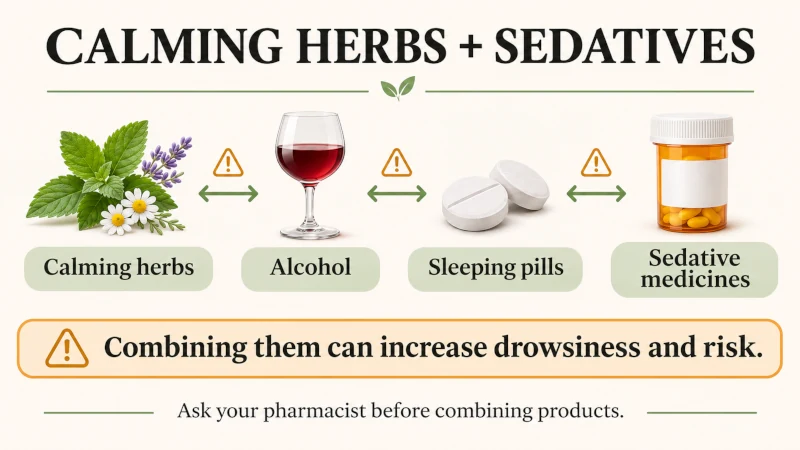
- Don’t stack sedatives. Skip calming herbs with alcohol, sleeping pills, benzodiazepines, or other sedating herbs unless your clinician agrees [NCCIH Valerian, 2025; NCCIH Kava, 2025].
- Wait before you drive. See how an herb affects you at home first, since drowsiness and dizziness are common side effects [NCCIH Passionflower, 2025].
- Show your pharmacist everything you take, especially if you use a blood thinner [NCCIH Chamomile, 2024; NCCIH Ginkgo, 2025].
- Never eat a plant you foraged yourself unless someone with real expertise has confirmed what it is [Poison Control, n.d.].
Who should skip calming herbs or ask first
- Pregnant or breastfeeding people. Passionflower shouldn’t be used in pregnancy, ginkgo may be unsafe, kava may carry special risks, and little is known about valerian, chamomile, or lavender [NCCIH Passionflower, 2025; NCCIH Ginkgo, 2025; NCCIH Kava, 2025; NCCIH Valerian, 2025].
- Children. Most research is in adults, and breast swelling has been reported in children using topical lavender products [NCCIH Lavender, 2025]. Check with a pediatrician before giving any calming herb.
- Anyone taking a blood thinner, because of reported interactions with chamomile and ginkgo [NCCIH Chamomile, 2024; NCCIH Ginkgo, 2025].
- Anyone taking sedatives or sleep medicine, or drinking regularly [NCCIH Valerian, 2025; NCCIH Kava, 2025].
- Anyone with surgery coming up. Passionflower may interact with anesthesia, and lavender may add to sedative drugs [NCCIH Passionflower, 2025; NCCIH Lavender, 2025].
- People with liver disease, given the liver-injury reports with kava and, very rarely, valerian [NCCIH Kava, 2025; NCCIH Valerian, 2025].
- People allergic to ragweed or daisies, or using hormonal birth control, who should be cautious with chamomile [NCCIH Chamomile, 2024].
When to see a doctor instead
Calming herbs are for mild, short-lived stress. Make an appointment if anxiety, low mood, or poor sleep has lasted for weeks or is getting in the way of work, relationships, or safe driving, or if you notice new trouble with memory. Stop any herb and contact your clinician if your skin or the whites of your eyes turn yellow.
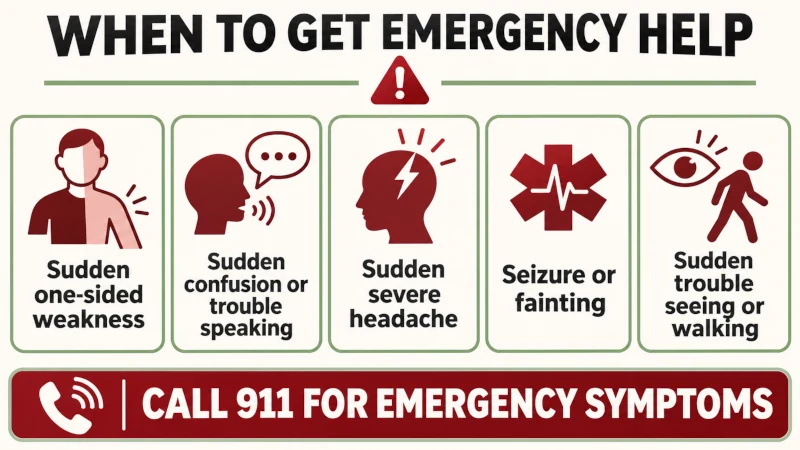
| Get emergency help (call 911) for: Signs of stroke: sudden numbness or weakness of the face, arm, or leg, especially on one side; sudden confusion or trouble speaking; sudden trouble seeing; sudden trouble walking or loss of balance; or a sudden severe headache with no known cause [CDC, 2004].A seizure, fainting, or a racing or irregular heartbeat.Numbness, tingling, hallucinations, or heart-rhythm changes after eating an unknown plant or herbal product. Call Poison Control at 1-800-222-1222, or 911 if the person collapses [Poison Control, n.d.].Thoughts of harming yourself. In the US, call or text 988 to reach the Suicide & Crisis Lifeline. |
| HEALTH DISCLAIMER: This article is for general education and isn’t a substitute for advice, diagnosis, or treatment from a qualified healthcare professional. Herbal products can cause side effects and interact with medicines, and “natural” doesn’t mean safe. Talk with your doctor or pharmacist before using any herb mentioned here, especially if you’re pregnant or breastfeeding, giving it to a child, taking prescription medication, scheduled for surgery, or managing a health condition. Never use monkshood, jimson weed, henbane, poison hemlock, or poppy seed tea as a remedy. |
Frequently Asked Questions
What is the best herb for calming the nervous system?
There isn’t a single best one. For anxiety, a standardized oral lavender-oil capsule has the most trial data, and its effect is modest [Donelli et al., 2019]. Chamomile, passionflower, and lemon balm have smaller, weaker evidence [Amsterdam et al., 2009; Miyasaka et al., 2007; Ghazizadeh et al., 2021]. Pick based on your problem and your medicines, and run it past a pharmacist.
Can herbs repair nerve damage?
None of the herbs covered here has been shown to repair damaged nerves. Numbness, tingling, weakness, or burning pain that doesn’t go away needs a medical evaluation, and sudden numbness or weakness on one side of the body is a stroke warning sign that calls for 911 [CDC, 2004].
Are herbal sedatives safer than prescription medicine?
Not automatically. Valerian can cause withdrawal after long use, kava has been linked to serious liver injury, and poppy seed tea has caused addiction and deaths [NCCIH Valerian, 2025; NCCIH Kava, 2025; KFF Health News, 2024]. Combining an herb with a prescription sedative can also make the sedation stronger than either alone.
Can I give calming herbs to my child?
Ask a pediatrician first. Most of the research is in adults, and breast swelling has been reported in children using topical lavender products, although the cause is unclear [NCCIH Lavender, 2025]. Wild lettuce and other “lettuce opium” products aren’t appropriate for children.
How long do calming herbs take to work?
Usually longer than people expect. The lavender trials that showed a benefit ran for at least six weeks [Donelli et al., 2019]. Safety data are short, too: up to six weeks for valerian and seven nights for passionflower tea [NCCIH Valerian, 2025; NCCIH Passionflower, 2025]. If nothing changes after a fair trial, stop and talk with your clinician rather than raising the dose.
References
- National Center for Complementary and Integrative Health. Valerian: Usefulness and Safety. View source
- National Center for Complementary and Integrative Health. Passionflower: Usefulness and Safety. View source
- National Center for Complementary and Integrative Health. Lavender: Usefulness and Safety. View source
- National Center for Complementary and Integrative Health. Ginkgo: Usefulness and Safety. View source
- National Center for Complementary and Integrative Health. Chamomile: Usefulness and Safety. View source
- National Center for Complementary and Integrative Health. Kava: Usefulness and Safety. View source
- Donelli D, Antonelli M, Bellinazzi C, Gensini GF, Firenzuoli F. Effects of lavender on anxiety: a systematic review and meta-analysis. View source
- Amsterdam JD, Li Y, Soeller I, et al. A randomized, double-blind, placebo-controlled trial of oral Matricaria recutita (chamomile) extract therapy for generalized anxiety disorder. View source
- Miyasaka LS, Atallah ÁN, Soares B. Passiflora for anxiety disorder. Cochrane Database of Systematic Reviews. 2007;(1):CD004518. doi:10.1002/14651858.CD004518.pub2. View source
- Bent S, Padula A, Moore D, Patterson M, Mehling W. Valerian for sleep: a systematic review and meta-analysis. View source
- DeKosky ST, Williamson JD, Fitzpatrick AL, et al. Ginkgo biloba for prevention of dementia: View source
- Ghazizadeh J, Sadigh-Eteghad S, Marx W, et al. The effects of lemon balm (Melissa officinalis L.) View source
- Qaseem A, Kansagara D, Forciea MA, Cooke M, Denberg TD; Clinical Guidelines Committee of the American College of Physicians. View source
- National Capital Poison Center (Poison Control). Monkshood: A purple poison. May ME, Troutman WG. View source
- Centers for Disease Control and Prevention. Jimson weed poisoning — Texas, New York, and California, 1994. View source
- Besharat S, Besharat M, Jabbari A. Wild lettuce (Lactuca virosa) toxicity. View source
- Hilzenrath D. Poppy seed tea triggers morphine overdose, drawing attention of lawmakers. View source
- Cornell University Weed Identification. Poison Hemlock (Conium maculatum). View source
- Centers for Disease Control and Prevention. Awareness of stroke warning signs — 17 states and the U.S. Virgin Islands, 2001. View source


