
Contents

You finish dinner, walk to the couch, and settle in. Your blood sugar climbs. Your blood vessels stiffen slightly. Your blood pressure ticks up for the next hour or two.
Now picture this instead: You finish dinner, lace up your shoes, and walk around the block for ten minutes. Your muscles pull glucose from your bloodstream. Your vessels relax. Your pressure stays steadier.
The difference? A short walk. Not a gym session. Not a training plan. Just movement after you eat.
Walking after meals—especially dinner—helps control blood pressure by improving how your body handles glucose, reducing vascular stiffness, and contributing to your weekly aerobic exercise total. The minimum effective dose is about 10 minutes at an easy pace. But the “right” duration depends on your current fitness, medication timing, and digestive comfort.
Medical disclaimer: This article about walking after meals for blood pressure is for educational purposes only and is not medical advice. If you have high blood pressure, heart disease, kidney disease, are pregnant, or take prescription medications, talk with a qualified clinician before changing treatment, diet, exercise, or supplements. Do not stop or adjust blood pressure medication without your prescriber.
What most people get wrong
Mistake #1: Waiting for immediate blood pressure drops
Most beginners expect their systolic pressure to plummet after one post-meal walk. It doesn’t work that way. Post-meal walking improves blood pressure over weeks by reducing insulin resistance, improving endothelial function, and accumulating aerobic minutes [1]. The immediate effect is modest—maybe 2–5 mmHg lower during the two hours after eating compared to sitting still [2]. The real payoff is consistency over time.
Mistake #2: Walking too hard too soon
Some people turn a gentle post-meal stroll into interval training. That’s not the goal here. Walking after eating should feel easy—conversational pace, no breathlessness. If you’re huffing up a hill 20 minutes after a big meal, you risk reflux, nausea, or lightheadedness. The intensity matters less than the habit.
Mistake #3: Skipping post-meal walks because “I already exercised today”
Your morning workout and your evening post-meal walk serve different purposes. The morning session builds cardiovascular fitness. The evening walk blunts the post-meal glucose spike and keeps you from sitting for three straight hours after dinner. Both matter. The American Heart Association recommends at least 150 minutes of moderate aerobic activity per week [3]. Post-meal walks help you hit that target without carving out extra gym time.
Mistake #4: Thinking all meals are equal
Dinner typically triggers the biggest glucose and blood pressure response, especially if you eat more carbohydrates or a larger portion size in the evening. A 10-minute walk after dinner is more impactful than the same walk after a light breakfast. It depends on what and how much you ate.
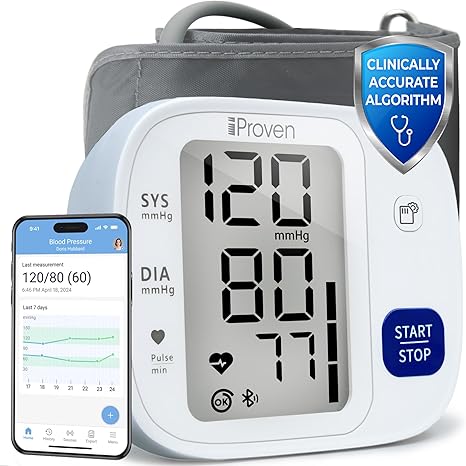
Example: Maria, a 54-year-old with stage 1 hypertension, started walking 10 minutes after dinner five nights a week. She skipped breakfast walks (just coffee and toast) and occasionally walked after lunch if she had a heavy meal. After eight weeks, her home blood pressure readings dropped from an average of 138/86 to 131/82. She didn’t change her medication or diet—just added the post-meal movement.


How to do it step-by-step
Step 1: Pick one meal to start
Don’t try to walk after every meal on day one. Pick dinner. It’s usually the largest meal, you’re likely home, and evening walks double as a wind-down routine.
Step 2: Start with 5–10 minutes
Set a timer. Walk around your block, through your neighborhood, or on a treadmill if weather is an issue. Aim for a pace where you can talk in full sentences without gasping. If you feel winded, slow down.
Step 3: Time it right
Start your walk within 15–30 minutes after finishing your meal. Earlier is slightly better for blunting glucose spikes, but the difference is small. If you feel too full or uncomfortable, wait 20–25 minutes. It depends: If you have acid reflux or GERD, waiting 30–45 minutes may prevent discomfort. If you take blood pressure medication that causes dizziness (like alpha blockers), be cautious right after eating when blood flow is redirected to your gut.
Step 4: Build to 15–20 minutes
After two weeks of 10-minute walks, add five minutes. You don’t need to rush. The goal is a sustainable habit, not a personal record. If 10 minutes feels easy and you’re not dealing with knee pain or fatigue, stretch to 15. If 15 feels good after another two weeks, try 20.
Step 5: Track your weekly total
Three 20-minute post-meal walks = 60 minutes of aerobic activity. Add that to your other movement (morning walks, weekend hikes, etc.) and you’re closing in on the AHA’s 150-minute weekly target [3]. Use a simple notebook or your phone’s notes app. Write the date and duration. Nothing fancy.
Step 6: Adjust for weather, time, and energy
Late dinner at 9 PM? Walk for 10 minutes instead of 20. Raining? Walk indoors—up and down stairs, around your living room, or on a treadmill. Exhausted? Walk slowly. Any movement beats sitting.
Post-Meal Walk Options
| Option | Duration | Intensity | Best for |
|---|---|---|---|
| Starter | 5–10 minutes | Very easy pace (you can sing) | Complete beginners, those with joint pain, or anyone building the habit |
| Standard | 10–15 minutes | Easy pace (you can talk in full sentences) | Most people; sustainable 5–7 nights per week |
| Builder | 15–20 minutes | Easy to moderate pace (you can talk but prefer not to) | Active individuals aiming for 150+ weekly minutes of aerobic exercise |
Walking after meals for blood pressure: Quick checklist
Use this before and after your post-meal walk:
Before you start:
- Ate a meal 15–45 minutes ago
- Wearing comfortable shoes (not sandals or slippers)
- Not feeling dizzy, chest discomfort, or severe reflux
- Set a timer or noted your route length
After your walk:
- Felt comfortable (not breathless or nauseous)
- Logged the duration and date
- Planned tomorrow’s post-meal walk
Frequently Asked Questions
- How long before I see blood pressure changes? Most studies show measurable improvements after 4–8 weeks of consistent post-meal walking [2]. Your home blood pressure monitoring readings may drop 3–8 mmHg systolic if you’re also managing diet, stress, and sleep. Some people see changes sooner. Others need 10–12 weeks. Consistency matters more than intensity.
- Can I walk after every meal? Yes, but it’s not necessary for most people. Dinner walks offer the biggest benefit because evening meals are typically larger and followed by prolonged sitting. If you enjoy walking after lunch, go for it—it counts toward your weekly aerobic total. Breakfast walks are optional unless you eat a heavy breakfast.
- What if I have knee pain or arthritis? Shorten your walk to 5 minutes. Walk on flat surfaces (avoid hills). Consider walking indoors on a cushioned surface or using a stationary bike instead. It depends: If walking hurts even at a slow pace, talk with a physical therapist about alternatives like water walking or seated pedaling exercises.
- Does walking speed matter? Not much. Post-meal walks work by keeping you upright and moving, which helps your muscles absorb glucose and prevents blood from pooling in your legs. A slow stroll (2 mph) is effective. A brisk walk (3–3.5 mph) might offer slightly more cardiovascular benefit, but the difference is small [4]. Pick a pace you can sustain every day.
- Can I split it up—like 5 minutes after dinner and 5 minutes before bed? You can, but it’s less effective. The goal is to interrupt the post-meal blood sugar and blood pressure surge. Walking 5 minutes immediately after eating and then 5 minutes two hours later doesn’t blunt the spike as well as a single 10-minute walk right after your meal. If you can only manage 5 minutes after eating, that’s still better than nothing.
- What if I take blood pressure medication? Keep taking it as prescribed. Post-meal walking is an addition, not a replacement. Some medications (especially alpha blockers or vasodilators) can cause dizziness after eating due to postprandial hypotension. It depends: If you feel lightheaded during post-meal walks, check your blood pressure before and after the walk, and discuss timing adjustments with your prescriber. Never stop or change medication dosing without medical supervision.
- Do I need to walk after meals if I already exercise in the morning? Yes. Morning exercise and post-meal walks serve different roles. Your morning workout builds aerobic capacity and cardiovascular fitness. Post-meal walks reduce the metabolic impact of sitting after eating. Both contribute to exercise for blood pressure management. The combination is more effective than either alone.
- What about fasting or intermittent fasting? If you’re fasting, you obviously can’t walk after a meal you didn’t eat. Walk during your eating window, ideally after your largest meal. The principles still apply—movement after eating helps manage glucose and blood pressure responses.
- Can post-meal walking improve nitric oxide levels? Possibly. Moderate aerobic activity supports endothelial function and nitric oxide for blood pressure regulation, but the evidence for post-meal walking specifically is limited. The bigger benefit is metabolic: improved insulin sensitivity, reduced vascular stiffness, and accumulated aerobic minutes.
- What if I’m too tired after dinner? Walk slower or shorter. A 5-minute walk at a crawl is better than sitting for three hours. If you’re genuinely exhausted every evening, examine your sleep quality, meal timing, and overall stress load. Chronic fatigue isn’t normal and deserves attention.
For more guidance on building an exercise habit that fits your life, see our exercise for blood pressure section. Track your progress using home blood pressure monitoring techniques, and learn how movement supports vascular health through nitric oxide pathways.
References
- [1] American Heart Association. (2023). Recommendations for Physical Activity in Adults and Kids. Retrieved from https://www.heart.org/en/healthy-living/fitness/fitness-basics/aha-recs-for-physical-activity-in-adults
- [2] Buffey, A. J., Herring, M. P., Langley, C. K., Donnelly, A. E., & Carson, B. P. (2022). The Acute Effects of Interrupting Prolonged Sitting Time in Adults with Standing and Light-Intensity Walking on Biomarkers of Cardiometabolic Health in Adults: A Systematic Review and Meta-analysis. Sports Medicine, 52(8), 1765–1787. https://doi.org/10.1007/s40279-022-01649-4
- [3] Piercy, K. L., Troiano, R. P., Ballard, R. M., et al. (2018). The Physical Activity Guidelines for Americans. JAMA, 320(19), 2020–2028. https://doi.org/10.1001/jama.2018.14854
- [4] Akins, J. D., Crawford, C. K., Burton, H. M., Wolfe, A. S., Vardarli, E., & Coyle, E. F. (2019). Inactivity induces resistance to the metabolic benefits following acute exercise. Journal of Applied Physiology, 126(4), 1088–1094. https://doi.org/10.1152/japplphysiol.00968.2018