
Natural Health Message — Herbs, Remedies & Nutrition for Whole-Body Wellness.
  • Health Conditions
    • Cancer & Prevention
    • Cardiovascular Health
    • Digestive Health
    • Eye & Vision
    • Immune & Infections
    • Metabolic Health
    • Musculoskeletal Health
    • Nervous System
    • Reproductive Health
    • Respiratory Health
    • Skin Health
    • Urinary Health
  • Nutrition
    • Diet
    • Foods
    • Recipes
  • Remedies
    • Alternative Treatments
    • Herbal Remedies
    • Herbs
    • Lifestyle & Habits
  • Supplements and Reviews
    • General Supplements
    • Minerals
    • Nitric Oxide
    • Reviews
    • Vitamins
Home | Vitamins | Vitamin D Benefits, Dosage, Deficiency Symptoms, and Functions
Vitamins

Vitamin D Benefits, Dosage, Deficiency Symptoms, and Functions

by Donald Rice Published: November 23, 2024
written by Donald Rice Published: November 23, 2024
Naturalhealthmessage.com receives compensation from some of the companies, products, and services listed on this page. Advertising Disclosure
0FacebookTwitterPinterestTumblrVKWhatsappEmail
1.2K

Contents

  • 1 Vitamin D Sources
  • 2 Toxicity Symptoms
  • 3 Deficiency Symptoms
  • 4 Absorption Factors
  • 5 Dosage and Caution
      • 5.0.1 REFERENCES
Vitamin D Benefits, Dosage, Deficiency Symptoms, and Functions 1

Vitamin D is needed to absorb calcium, phosphorous, and other minerals out of the digestive tract. The thyroid gland requires it. Parathyroids use it to regulate calcium levels in the blood. It is also needed to properly form bones and teeth, especially during childhood. This vitamin possesses many anticancer properties, especially against breast and colon cancer. (Both types of cancer are higher in areas where people are exposed to the least sunlight.)

Featured Picks

Browse popular supplements, vitamins, and minerals.

Browse Supplements

As an Amazon Associate I earn from qualifying purchases.

Vitamin D Sources

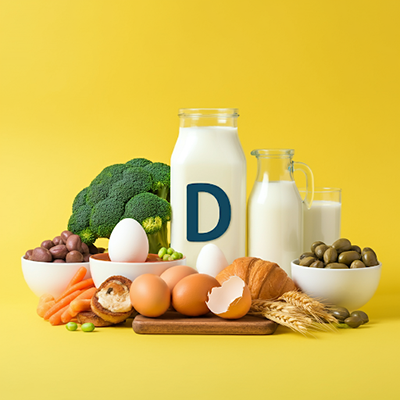
Vitamin D and vitamin B12 are the only vitamins never found in fruits and vegetables. Leafy greens have all the vitamins except those two. (However, if there is enough cobalt in the body, the bowel can make its own B12.) Vitamin D food sources include milk and egg yolks. Beware of fish liver oils! They can damage the heart muscle. (Recent research indicates that there is some vitamin D in dark green leafy vegetables.

Non-Dietetic sources – Sunlight on the skin will provide all the vitamin D you need. Muslim women, fully clothed in black cloth, get adequate amounts of D just by exposing their bare feet to the sum for a few minutes every few days.

Toxicity Symptoms

Excessive amounts of vitamin D can produce increased blood concentration of calcium (a serious situation), deposits of calcium on internal organs, or kidney stones. Some researchers believe that long-term use of “vitamin D fortified foods” (“vitamin D milk,” etc.) increases the risk of atherosclerosis and heart disease (by decreasing magnesium absorption).

Deficiency Symptoms

Pyorrhea, tooth decay, rickets (in children) and osteomalacia (adults), osteoporosis, retarded growth, muscular weakness, and old-age bone problems. Deficiency symptoms primarily occur in older adults who do not get any sunlight, especially in nursing homes. The result is a lack of bone strength and density and joint pain.

Absorption Factors

Vitamins A and C, calcium, choline, essential fatty acids, and phosphorous are needed for vitamin S absorption. Mineral oil, phenobarbital, Dilantin, and other drugs interfere with vitamin D absorption and/or utilization.

a group of people sitting on the grass enjoying the sun and getting vitamin D intake

Dosage and Caution

RDA 400 IU/ ODA 275 IU/ TDA 1000 IU. Recommended dosage and caution – 200-400 USP units. A therapeutic dose is up to 4000-5000 units in a day for adults and half that for children if taken for not longer than one month. Taking too much vitamin D is dangerous! This is the most hazardous of the vitamins if too much is taken (vitamin A is second, but far less of a problem).

Vitamin D can be toxic in excessive doses over some time, especially in infants. The best way to get this vitamin is by exposing your body to sunlight. Doses of 1800 units a day can cause stunted growth in infants and young children. High intake can lead to a coma. Never take over 600 IU a day, half for children, even less for infants. However, older adults not exposed to sunlight or living in northern latitudes should take a daily supplement of 400-600 IU.

HEALTH DISCLAIMER: The information on this website is for educational uses only and is not a substitute for professional medical advice. Always consult an authorized healthcare provider for any health concerns before using any herbal or natural remedy. We do not establish, treat, cure, or prevent any disease. Reliance on any material from this website is solely at your own risk. We are not responsible for any adverse effects resulting from the use of information or products mentioned on this website.

REFERENCES

Vance Ferrell, Harold M. Cherne, M.D. 2010. The Natural Remedies Encyclopedia. Altamont : Harvestime Books, 2010. pp. 105, 106. Vol. Seventh.

Related posts:

  1. Magnesium-Rich Foods: Discover The Top 30 Animal and Plant-Based Sources
  2. Vitamin D Shots: Top 3 Reasons To Unlock Your Health Potential with The Sunshine Boost You Need
  3. Vitamin E Benefits, Functions, Sources, and Dosage Information
  4. Vitamin F Benefits, Sources, Functions, and Dosage Information
benefits of vitamin d from the sunvitamin d foodsvitamin d sourcesvitamin d sources sunvitamin d vegetables and fruitswhich time sunlight is good for vitamin d
0 FacebookTwitterPinterestTumblrVKWhatsappEmail
Donald Rice
Donald Rice

Donald Rice is a natural health advocate and health writer focused on nutrition, wellness, and alternative health education. He creates clear, research-based content designed to help readers better understand health topics through reputable sources, including peer-reviewed studies, academic institutions, government health agencies, and established medical organizations.

previous post
Vitamin A Benefits, Sources, Dosage, and Functions
next post
Vitamin E Benefits, Functions, Sources, and Dosage Information

You may also like

Vitamin C Complex Sources, Functions, Dosage, and Information

Updated: May 16, 2026

Vitamin F Benefits, Sources, Functions, and Dosage Information

Updated: November 26, 2024

Vitamin E Benefits, Functions, Sources, and Dosage Information

Published: November 23, 2024

Vitamin A Benefits, Sources, Dosage, and Functions

Updated: May 16, 2026

B Complex Vitamins

Updated: May 16, 2026

Vitamin D Shots: Top 3 Reasons To Unlock Your Health Potential with The...

Updated: November 23, 2024
Best Health and Wellness Blogs - OnToplist.com

Recent Posts

  • Best Exercises for Flat Feet in Adults

  • What Are Flat Feet? Causes, Types, and Common Symptoms

  • Flat Feet and Fallen Arches: Causes, Symptoms, and What Helps

  • Cardiovascular and Pulmonary Disease: What Every Patient Should Know

  • Acerola Cherry Supplements: 7 Important Things to Look for Before You Buy

Random Articles

How To Treat Dermatitis
Birchwort Plant May Promote Healing
Sea Wormwood Health Benefits

Zinc Benefits: What It Does, How Much You Need, and How to Use It Safely

Recent Articles

10 Game-Changing Benefits of Patch Testing: Uncover Hidden Triggers and Heal Your Skin
Discover the Best 13 Foods to Help Gain Weight
Natural Remedies for Insomnia

Featured

Nitric Oxide: The Complete Guide for Blood Pressure and Heart Health
Feijoa Benefits: Excellent for Pregnancy
Wild Strawberry Plant: Nature’s Medicine Chest

@2024 – All Right Reserved. Natural Health Message.

  • About Us
  • Contact Us
  • Advertising Disclosure
  • Medical Advice Disclaimer
We use cookies on our website to give you the most relevant experience by remembering your preferences and repeat visits. By clicking “Accept All”, you consent to the use of ALL the cookies. However, you may visit "Cookie Settings" to provide a controlled consent.
Cookie SettingsAccept All
Manage consent

Privacy Overview

This website uses cookies to improve your experience while you navigate through the website. Out of these, the cookies that are categorized as necessary are stored on your browser as they are essential for the working of basic functionalities of the website. We also use third-party cookies that help us analyze and understand how you use this website. These cookies will be stored in your browser only with your consent. You also have the option to opt-out of these cookies. But opting out of some of these cookies may affect your browsing experience.
Necessary
Always Enabled
Necessary cookies are absolutely essential for the website to function properly. These cookies ensure basic functionalities and security features of the website, anonymously.
CookieDurationDescription
cookielawinfo-checkbox-analytics11 monthsThis cookie is set by GDPR Cookie Consent plugin. The cookie is used to store the user consent for the cookies in the category "Analytics".
cookielawinfo-checkbox-functional11 monthsThe cookie is set by GDPR cookie consent to record the user consent for the cookies in the category "Functional".
cookielawinfo-checkbox-necessary11 monthsThis cookie is set by GDPR Cookie Consent plugin. The cookies is used to store the user consent for the cookies in the category "Necessary".
cookielawinfo-checkbox-others11 monthsThis cookie is set by GDPR Cookie Consent plugin. The cookie is used to store the user consent for the cookies in the category "Other.
cookielawinfo-checkbox-performance11 monthsThis cookie is set by GDPR Cookie Consent plugin. The cookie is used to store the user consent for the cookies in the category "Performance".
viewed_cookie_policy11 monthsThe cookie is set by the GDPR Cookie Consent plugin and is used to store whether or not user has consented to the use of cookies. It does not store any personal data.
Functional
Functional cookies help to perform certain functionalities like sharing the content of the website on social media platforms, collect feedbacks, and other third-party features.
Performance
Performance cookies are used to understand and analyze the key performance indexes of the website which helps in delivering a better user experience for the visitors.
Analytics
Analytical cookies are used to understand how visitors interact with the website. These cookies help provide information on metrics the number of visitors, bounce rate, traffic source, etc.
Advertisement
Advertisement cookies are used to provide visitors with relevant ads and marketing campaigns. These cookies track visitors across websites and collect information to provide customized ads.
Others
Other uncategorized cookies are those that are being analyzed and have not been classified into a category as yet.
SAVE & ACCEPT
Natural Health Message — Herbs, Remedies & Nutrition for Whole-Body Wellness.
  • Health Conditions
    • Cancer & Prevention
    • Cardiovascular Health
    • Digestive Health
    • Eye & Vision
    • Immune & Infections
    • Metabolic Health
    • Musculoskeletal Health
    • Nervous System
    • Reproductive Health
    • Respiratory Health
    • Skin Health
    • Urinary Health
  • Nutrition
    • Diet
    • Foods
    • Recipes
  • Remedies
    • Alternative Treatments
    • Herbal Remedies
    • Herbs
    • Lifestyle & Habits
  • Supplements and Reviews
    • General Supplements
    • Minerals
    • Nitric Oxide
    • Reviews
    • Vitamins