
The benefits of garlic are real, but they are narrower than many online claims suggest. Garlic is a useful ingredient in a balanced diet. Concentrated garlic supplements may slightly lower blood pressure, LDL cholesterol, and total cholesterol in some people. They are not a substitute for prescribed treatment, and garlic has not been proven to cure infections, remove toxins, cause weight loss, or prevent cancer. [NCCIH, 2025]
The distinction between food and supplements matters. A clove used in dinner is not the same as a standardized aged garlic extract or garlic-powder product used in a clinical trial. If you enjoy garlic in meals, keep using it. If you are considering a supplement for a health condition, discuss it with a healthcare professional first.
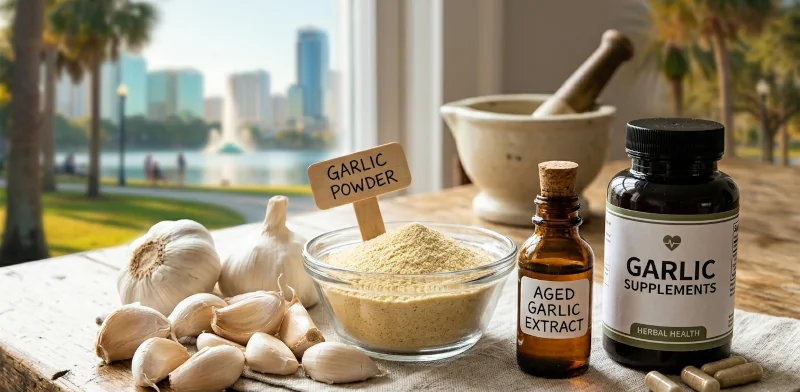
What garlic contains
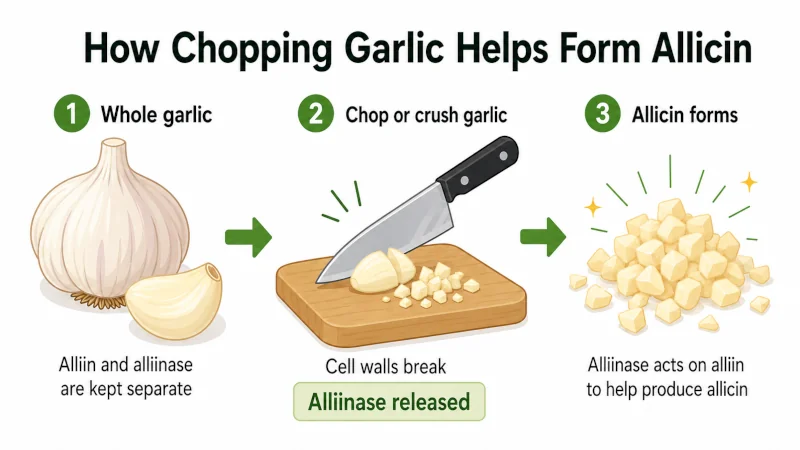
Garlic, or Allium sativum, contains sulfur-based compounds that give it its familiar odor and much of its scientific interest. When a raw clove is chopped, crushed, or chewed, an enzyme called alliinase helps form allicin. Allicin then breaks down into other sulfur compounds. Processing changes the mix of compounds in a supplement, which is one reason products are not interchangeable. [Linus Pauling Institute, accessed 2026]
That chemistry is useful context, not proof that every garlic product works the same way in the body. Human outcomes matter more than laboratory findings when deciding whether a food or supplement has a reliable health benefit.
Benefits of garlic with the best human evidence
| Potential benefit | What the evidence suggests | Practical meaning |
| Blood pressure | Garlic supplements may reduce blood pressure to a small extent in people with hypertension. Some reviews report larger average changes, but NCCIH describes the evidence as limited. | Use only as a possible add-on after discussing it with your clinician. Do not stop blood-pressure medication. |
| LDL and total cholesterol | Garlic supplements may produce small reductions in LDL and total cholesterol in people with high levels. | A small change can be useful, but it does not replace a lipid-lowering plan when one is needed. |
| Blood sugar | Garlic supplements may reduce blood sugar slightly in people with diabetes. | Do not use garlic to replace diabetes medication, glucose monitoring, or medical care. |
| Common cold prevention | Evidence is insufficient. One small trial suggested fewer colds, but the finding needs confirmation. | Enjoy garlic as food, but do not count on it to prevent or treat a cold. |
| Cancer prevention | Garlic supplements have not been shown to prevent stomach cancer. Evidence for colorectal cancer risk is uncertain. | Do not use supplements as a cancer-prevention strategy. |
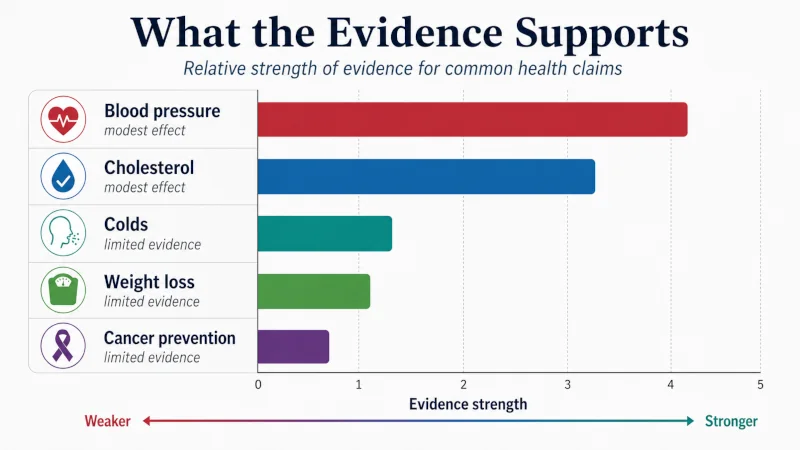
Garlic supplements may modestly lower blood pressure
The National Center for Complementary and Integrative Health (NCCIH) says limited evidence suggests that garlic supplements may reduce blood pressure to a small extent in people who already have high blood pressure. [NCCIH, 2025]
One 2020 review and meta-analysis pooled 12 trials with 553 participants who had hypertension. It reported average reductions of about 8.3 mm Hg in systolic blood pressure and 5.5 mm Hg in diastolic blood pressure. Those results came from supplements, often aged garlic extract, rather than ordinary culinary amounts. The studies varied, and supplement research should not be treated as a reason to replace proven treatment. [Ried, 2020]
A food-first blood-pressure plan still matters. Garlic can fit into meals alongside other foods that lower blood pressure, especially when it helps you add flavor without relying on excess salt.
Garlic supplements may slightly improve cholesterol levels
NCCIH says garlic supplements may lower total cholesterol and LDL cholesterol to a small extent in people with high cholesterol. [NCCIH, 2025]
A 2013 meta-analysis of 39 trials found average reductions of 17 mg/dL in total cholesterol and 9 mg/dL in LDL cholesterol among people with high total cholesterol when garlic was used for longer than two months. The effect was modest, and the authors did not find a significant effect on HDL cholesterol or triglycerides. [Ried et al., 2013]
If you are monitoring your numbers, a cholesterol test is more useful than guessing whether a food or supplement is working. Ask your clinician how often to recheck your levels and what target makes sense for your risk factors.
Blood sugar effects appear small
NCCIH reports that garlic supplements may reduce blood sugar slightly in people with diabetes. That is a limited potential benefit, not a diabetes treatment plan. A supplement should never replace prescribed medication, a clinician-directed eating plan, or glucose monitoring. [NCCIH, 2025]
Claims that need more evidence
Immune support and the common cold
Garlic is often marketed for immune support. The clinical evidence is thin. A Cochrane review found only one eligible trial, with 146 participants. The supplement group reported fewer colds during a 12-week period, but recovery time was similar after a cold began. Cochrane concluded that there was not enough clinical-trial evidence to determine whether garlic prevents or treats the common cold. [Cochrane, 2014]
Eating garlic in meals is reasonable when you are sick if it tastes good and does not upset your stomach. It should not replace rest, fluids, testing when appropriate, or medical care for severe symptoms.
Cancer prevention
Garlic is not a proven cancer-prevention supplement. NCCIH states that consuming garlic does not appear to reduce stomach-cancer risk and that its effect on colorectal-cancer risk remains uncertain. [NCCIH, 2025]
The National Cancer Institute describes weak, difficult-to-generalize evidence from an allitridum-and-selenium trial in a high-risk population and places dietary supplements among interventions with inadequate evidence or evidence of no effect for reducing stomach-cancer risk. [NCI, 2025]
Weight loss, infections, parasites, and “detox” claims
There is no established evidence that eating garlic at night causes weight loss, that garlic “detoxes” the body, or that home preparations treat bacterial infections, intestinal parasites, urinary infections, tuberculosis, or sexually transmitted infections. Laboratory antimicrobial findings do not make raw garlic an alternative to antibiotics or antiparasitic medicine.
Do not drink concentrated garlic mixtures, use garlic enemas, insert garlic into the rectum or vagina, or rely on garlic for an infection that needs diagnosis and treatment. These practices can irritate or injure tissue and may delay effective care.
Food and supplements are not interchangeable
Garlic used in cooking is a food. Garlic capsules, tablets, extracts, oils, and powders are dietary supplements. The amount and chemical profile vary by product and processing method. That makes it difficult to translate a trial result into a universal dose for every supplement on a store shelf. [Linus Pauling Institute, accessed 2026]
| Form | Reasonable use | What to keep in mind |
| Fresh garlic in meals | Use it for flavor in soups, sauces, dressings, vegetables, beans, and grain dishes. | Start with a small amount if raw garlic causes reflux or stomach discomfort. |
| Cooked garlic | A practical option when raw garlic feels harsh. | Cooking changes some sulfur compounds, but garlic remains a useful food ingredient. |
| Garlic supplements | Consider only after discussing your goal, medications, and bleeding risk with a clinician or pharmacist. | Products differ. Follow the label and your clinician’s advice rather than chasing high doses. |
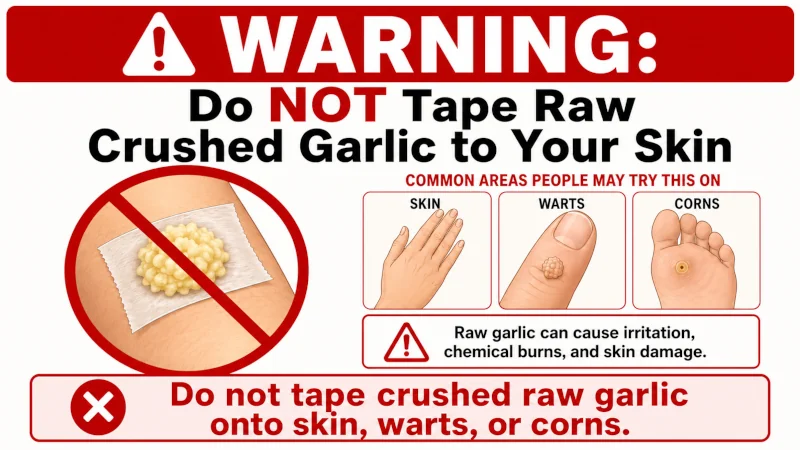
| Raw garlic on skin or mucous membranes | Avoid. | Fresh raw garlic can cause severe irritation and chemical burns. |
Dietary supplements are not approved by the U.S. Food and Drug Administration for safety and effectiveness before sale. The NIH Office of Dietary Supplements advises discussing supplements with healthcare providers and notes that independent quality-testing seals can help confirm manufacturing quality, although a seal does not prove a product is safe or effective. [FDA, accessed 2026] [NIH ODS, accessed 2026]
How to use garlic safely in food
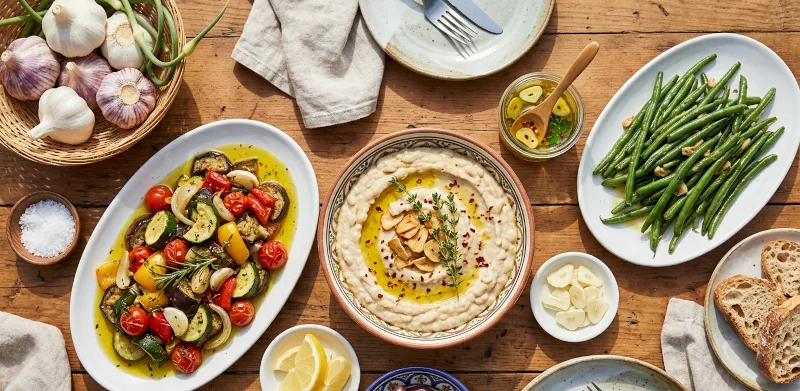
For most adults, the simplest approach is culinary: use garlic in meals that you already enjoy. Mince a small clove into a bean dish, stir cooked garlic into vegetables, or combine it with olive oil and lemon juice for a dressing. Food use does not require a special schedule. Eating garlic at night is fine if it suits your stomach and your social plans, but nighttime use does not add a proven weight-loss effect.
Raw garlic has a sharper taste and is more likely to cause burning, reflux, gas, or nausea. Cooked garlic is often easier to tolerate. If garlic bothers your stomach, reduce the amount or skip it. You do not need to force yourself to eat it to have a healthy diet.
Side effects, interactions, and who should avoid garlic supplements
Common side effects
Oral garlic can cause breath and body odor, stomach pain, gas, nausea, and allergic reactions. The likelihood of discomfort rises when you take concentrated products or large amounts of raw garlic. [NCCIH, 2025]
Talk with a healthcare professional before using supplements if…
- You take an anticoagulant, antiplatelet medicine, aspirin, or another medicine that can affect bleeding.
- You have a bleeding disorder, frequent nosebleeds, heavy menstrual bleeding, or an upcoming surgery or dental procedure.
- You are pregnant or breastfeeding. Amounts greater than those normally used in food may not be safe.
- You take medication for blood pressure, diabetes, or another chronic condition. A supplement may add to the effect of treatment or interact with medication.
- You are considering a supplement for a child. Ask a pediatric healthcare professional first.
NCCIH specifically warns that garlic supplements may increase bleeding risk and advises telling healthcare providers about their use before surgery or when taking medicines such as anticoagulants or aspirin. [NCCIH, 2025]
Do not apply raw garlic to your skin
Fresh raw garlic can cause severe skin irritation and chemical burns. Do not tape crushed garlic to a wart, corn, or painful area. Do not use it on a child’s skin. Do not place it on mucous membranes or inside the body. [NCCIH, 2025]
When to get medical advice
Talk with a doctor or pharmacist before starting a garlic supplement for blood pressure, cholesterol, or blood sugar. Seek prompt medical care for chest pain, shortness of breath, signs of a serious allergic reaction, uncontrolled bleeding, or symptoms of an infection that are severe, persistent, or getting worse.
If you already take medication, do not stop or reduce it because you started eating garlic or taking a supplement. Use follow-up measurements and medical guidance to decide whether any treatment change is appropriate.
| HEALTH DISCLAIMER: This page is for education and general information only. It is not medical advice and is not a substitute for diagnosis, treatment, or guidance from a qualified healthcare professional. Do not start, stop, or change medication based on this page. Talk with a clinician or pharmacist before using garlic supplements, especially if you take medication, have a bleeding condition, are preparing for surgery, are pregnant or breastfeeding, or are considering a supplement for a child. Seek urgent care for severe symptoms or a possible medical emergency. |
Frequently Asked Questions
Is raw garlic healthier than cooked garlic?
Raw and cooked garlic are both reasonable food choices. Crushing raw garlic changes its sulfur compounds, while cooking changes the chemical profile. That does not mean raw garlic is always better for you. Choose the form you tolerate and enjoy. [Linus Pauling Institute, accessed 2026]
How much garlic should I eat each day?
There is no established therapeutic food dose for everyone. Use garlic as a food ingredient in an amount that does not cause reflux, burning, gas, or nausea. Supplement doses depend on the product and your health goal, so discuss them with a clinician or pharmacist.
Does garlic lower blood pressure?
Garlic supplements may modestly lower blood pressure in some people with hypertension, but the evidence is limited and results apply to studied supplement products rather than ordinary culinary amounts. Do not replace blood-pressure medicine with garlic. [NCCIH, 2025]
Does garlic lower cholesterol?
Garlic supplements may slightly lower total cholesterol and LDL cholesterol in people with high levels. The change is usually modest. A repeat lipid panel is the only way to know whether your numbers changed. [NCCIH, 2025]
Does eating garlic at night help with weight loss?
No reliable evidence shows that eating garlic at night causes weight loss. Timing is a comfort preference. Eat it at a time that does not worsen reflux or nausea.
Can I put raw garlic on a wart or corn?
No. Fresh raw garlic can cause chemical burns. Use an evidence-based over-the-counter treatment or ask a healthcare professional which approach is appropriate. [NCCIH, 2025]
References
- National Center for Complementary and Integrative Health. “Garlic.” Updated February 2025. → View source
- Linus Pauling Institute, Oregon State University. “Garlic and Organosulfur Compounds.” → View source
- Ried K. “Garlic lowers blood pressure in hypertensive subjects, improves arterial stiffness and gut microbiota: A review and meta-analysis.” Experimental and Therapeutic Medicine. 2020;19(2):1472–1478. → View source
- Ried K, Toben C, Fakler P. “Effect of garlic on serum lipids: an updated meta-analysis.” Nutrition Reviews. 2013;71(5):282–299. → View source
- Lissiman E, Bhasale AL, Cohen M. “Garlic for the common cold.” Cochrane Database of Systematic Reviews. 2014;11:CD006206. → View source
- National Cancer Institute. “Stomach (Gastric) Cancer Prevention (PDQ®)–Health Professional Version.” Updated April 7, 2025. → View source
- NIH Office of Dietary Supplements. “Dietary Supplements: What You Need to Know.” → View source
- U.S. Food and Drug Administration. “FDA 101: Dietary Supplements.” → View source
