
Barley’s best-proven perk is a specific one: its soluble fiber, called beta-glucan, lowers LDL (“bad”) cholesterol. That is the headline among the barley health benefits, and it is backed by randomized trials and by food regulators in the U.S. and Canada. Barley also blunts the blood-sugar rise after a meal and adds a solid dose of fiber for regularity. What it does not have is good evidence as a remedy for ulcers, colitis, or diarrhea, which older articles (including earlier versions of this one) used to claim. And if you have celiac disease, barley is off the menu.
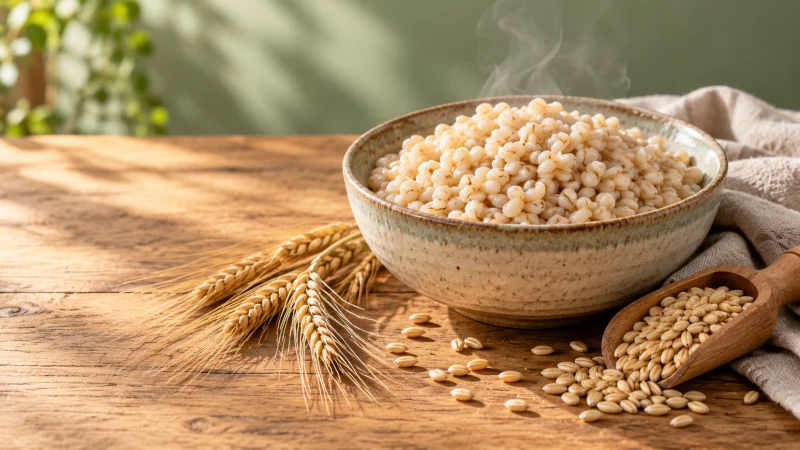
Here is what the research shows, how much you need, and how to get barley onto your plate without a lot of fuss.
Pearl, hulled, or hulless: what you are actually buying
Barley (Hordeum vulgare) comes in several forms, and they are not equal. The difference is how much of the outer grain is polished away.
| Type | Whole grain? | What to know |
| Hulled barley | Yes | Only the inedible hull is removed. Chewy, nutty, and the slowest to cook. |
| Hulless barley | Yes | The hull falls off at harvest, so all the bran and germ stay on. |
| Pearl barley | No | Some or all of the bran is polished off. Technically refined, but still a good source of beta-glucan. |
| Quick pearl barley | No | Pre-steamed pearl barley that cooks in about 10 minutes. |
| Flakes, grits, flour | Depends | Whole grain only if made from hulled or hulless barley, not pearl. |
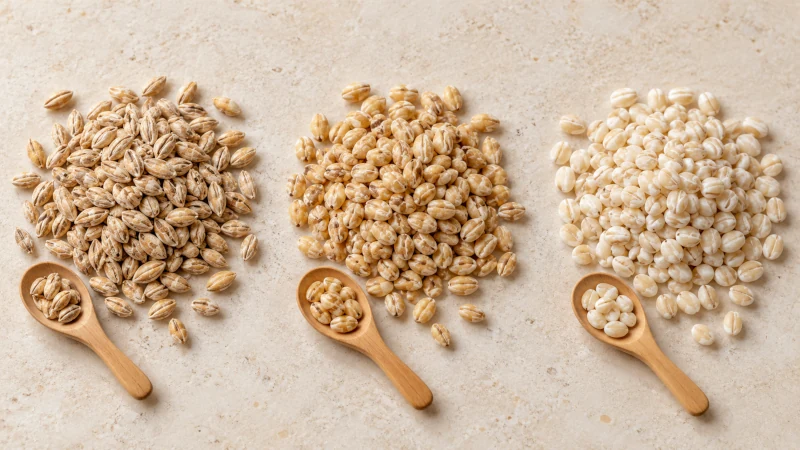
Source for table: [Whole Grains Council]
Pearl barley gets a bad rap it only half deserves. Barley’s fiber is spread through the whole kernel rather than packed into the outer layer [Whole Grains Council], and its beta-glucan sits largely in the starchy endosperm, which survives pearling [Harvard Health, 2020]. Health Canada’s cholesterol claim covers pearl barley alongside dehulled barley, flakes, flour, and bran [Health Canada, 2012]. So if pearl is what your store carries, you still get the main benefit. Hulled or hulless barley simply gives you more of the bran on top.
Barley health benefits and nutrition: fiber is the headline
Barley carries roughly three times as much fiber per serving as oats [Harvard Health, 2020], and much of it is beta-glucan, a soluble fiber. For context, U.S. guidance suggests most adults aim for 22 to 34 grams of fiber a day [NIDDK, 2018], and many people fall short. A bowl of barley soup or a barley grain bowl closes a real part of that gap.
Barley also supplies B vitamins and minerals, though the amounts shift with the type you buy and how you cook it. If you track specific nutrients, check the package label or the USDA’s FoodData Central entry for the exact form.
Barley and cholesterol: the strongest evidence
This is where barley earns its reputation. A 2010 meta-analysis pooled 11 randomized controlled trials and found that barley and barley beta-glucan lowered LDL cholesterol by 0.27 mmol/L (about 10 mg/dL) and total cholesterol by 0.30 mmol/L compared with control diets [AbuMweis, 2010].
Health Canada reached the same conclusion in 2012 after reviewing 13 studies. Whole barley foods worked more reliably than isolated barley extracts: 91% of the grain-product trial arms showed a significant drop, against 57% of the extract arms. In the higher-quality grain studies, LDL fell by anywhere from 0% to 8.5% [Health Canada, 2012]. In the U.S., barley is one of the foods allowed to carry the FDA’s soluble-fiber heart-health claim [FDA, 21 CFR 101.81].
Set your expectations accordingly. A drop of several percent is useful, especially stacked with other changes like eating less saturated fat, but it will not stand in for medication if your doctor has prescribed one. Our guide to foods for healthy arteries covers the other dietary moves that add up.
How much you need
Both the FDA and Health Canada use 3 grams of barley beta-glucan a day as the benchmark [FDA, 21 CFR 101.81] [Health Canada, 2012]. Studies used anywhere from about 3 to 12 grams daily [Health Canada, 2012]. A U.S. food carrying the claim must provide at least 0.75 grams of beta-glucan per serving and say how much each serving contributes toward the 3-gram target [FDA, 21 CFR 101.81], so the label is your easiest guide. Spread your barley across the day and the week; you do not need to eat it all in one sitting.
Barley and blood sugar: helpful, with limits
Beta-glucan slows the rise in blood sugar after a meal. A 2013 review of 34 human studies on oat and barley foods found that intact grains reduced the post-meal glucose response more than processed products did, and that processed foods containing at least 4 grams of beta-glucan alongside 30 to 80 grams of carbohydrate significantly lowered blood sugar after eating [Tosh, 2013].
European regulators allow a claim along these lines, but only at that 4-gram level. In 2025, the European Food Safety Authority declined to lower the threshold to 2 grams because studies in that range did not show a consistent effect [EFSA, 2025]. Dose matters. A sprinkle of barley in a big bowl of white pasta will not do much.
The longer-term picture is less settled. A natural-medicines summary rates the evidence on barley for diabetes itself as insufficient, even though barley fiber may lower blood sugar and insulin levels [WebMD Barley monograph]. In practice, swapping white rice or refined grains for whole barley is a sensible move for anyone watching blood sugar; just do not treat it as a treatment. If you use insulin or glucose-lowering medication, mention big diet changes to your care team. For more swaps, see our list of diabetic-friendly foods.
Digestion and regularity
Fiber from whole grains is a first-line food strategy for constipation, and NIDDK lists whole grains first among good fiber sources [NIDDK, 2018]. Barley fits that bill. Add it gradually, as NIDDK advises, so your gut can adjust [NIDDK, 2018]; too much too fast is a common route to gas and bloating, which are barley’s most frequently reported side effects [WebMD Barley monograph]. Our ranking of foods that help with constipation has more options if you want to mix it up.
Older versions of this page described barley as helpful for gastritis, ulcers, gastroenteritis, and colitis. We could not find good human evidence for those uses, so we have dropped them.
What about barley water?
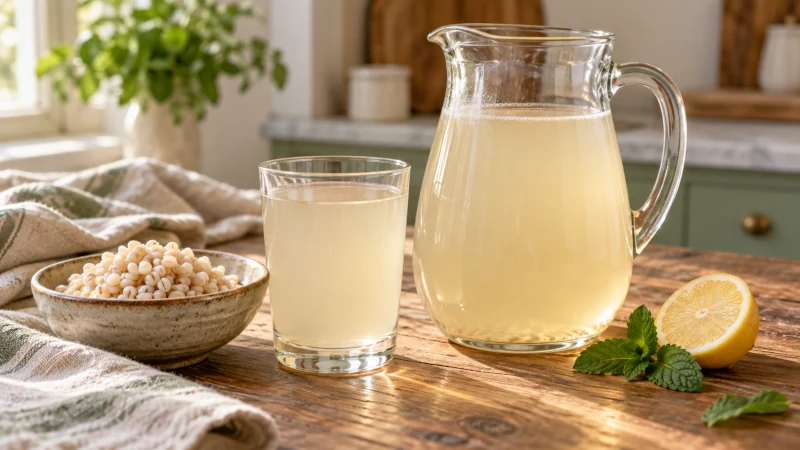
Barley water, made by simmering pearl barley in water and straining it, is a traditional drink for upset stomachs and convalescence. It is a pleasant way to stay hydrated, and that is about as far as the evidence goes. We found no clinical trials showing that it treats diarrhea, indigestion, or colitis, and a natural-medicines review rates barley’s evidence for diarrhea as insufficient [WebMD Barley monograph]. If you have diarrhea, the priority is fluids, and the warning signs below matter more than any home remedy.
Colon cancer: a mixed picture
The World Cancer Research Fund reported in 2017 that eating about 90 grams of wholegrains a day (around three servings) was linked to a 17% lower risk of colorectal cancer [WCRF, 2017]. That finding covers wholegrains broadly, not barley specifically. On barley fiber alone, the natural-medicines summary rates it as possibly ineffective for lowering colon cancer risk [WebMD Barley monograph]. The fair reading: whole barley is a reasonable part of a wholegrain-rich diet, but there is no good evidence that barley itself prevents cancer.
Who should avoid barley or take care
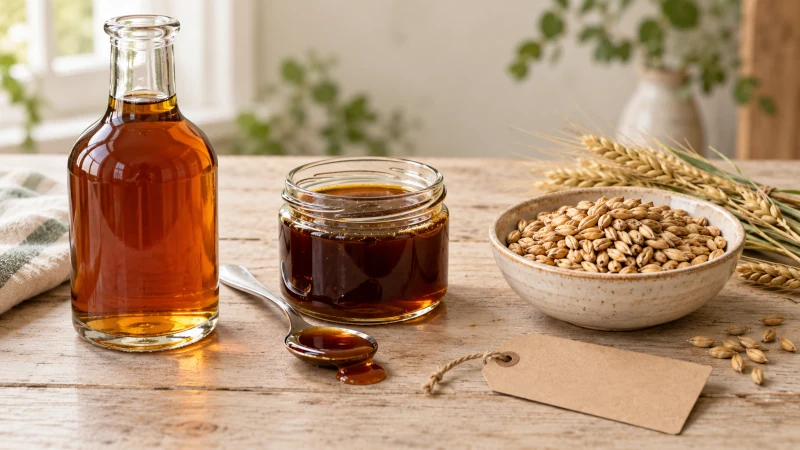
- Celiac disease. Barley contains gluten, and people with celiac disease need a strict gluten-free diet for life. That includes hidden barley in malt, malt extract, malt vinegar, and brewer’s yeast [NIDDK, 2020]. Our guide to foods to avoid with celiac disease covers label reading, and our explainer on how barley becomes malt explains why malt is never gluten-free.
- Grain or grass allergies. People sensitive to wheat, rye, oats, corn, or rice, or to grass pollen, may also react to barley [WebMD Barley monograph].
- Sensitive digestion. More fiber can mean more gas and bloating at first [WebMD Barley monograph]. Start with small portions and increase slowly.
- Pregnancy and breastfeeding. Barley as a normal food is fine. The safety of medicinal amounts, such as concentrated barley products, has not been established, and barley sprouts in large amounts are flagged as possibly unsafe during pregnancy [WebMD Barley monograph]. Stick to food amounts.
- Medications. The only interaction listed in the WebMD monograph is a moderate one with triclabendazole (Egaten), a medicine for liver-fluke infection, whose absorption barley may reduce [WebMD Barley monograph]. Concentrated barley-grass or beta-glucan supplements are a different matter from cooked grain; check with a pharmacist before combining them with prescription drugs.
- Pressure cooking. Starchy grains can foam. Follow your cooker’s manual for grains and do not overfill.
Easy ways to eat more barley
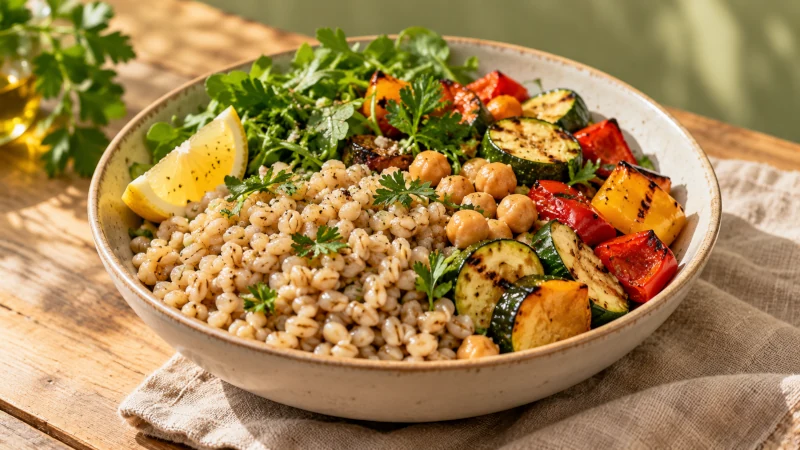
Barley is forgiving, filling, and cheap. Use it anywhere you would use rice or a small pasta. Stir a handful into vegetable or bean soup; it thickens the broth as it cooks. Make a grain bowl with roasted vegetables, greens, and a lemony dressing. Cook it risotto-style for a chewier, nuttier dish. Swap barley flakes for half the oats in your morning porridge. For a heartier, protein-rich meal, pair it with beans or lentils.
Cooking times vary by type and brand. Pearl barley cooks faster than whole-grain barley, and quick pearl barley is ready in about 10 minutes [Whole Grains Council]. Hulled barley takes noticeably longer, so follow the package and cook a big batch to refrigerate for the week.
When to talk to a healthcare professional
Talk to your doctor or a registered dietitian if you are hoping diet changes will let you skip or reduce cholesterol or diabetes medication, or if you suspect a gluten problem. Get tested for celiac disease before you cut gluten, since removing it first can make diagnosis harder.
If you have diarrhea, see a doctor right away for any of these [NIDDK, 2024]:
- Signs of dehydration: extreme thirst, dark urine, dizziness, or sunken eyes or cheeks
- Diarrhea that lasts more than 2 days, or six or more loose stools in a day
- Severe abdominal or rectal pain, or frequent vomiting
- Black, tarry stools, or stools with blood or pus
- A high fever, or a change in mental state such as confusion, irritability, or unusual tiredness
| HEALTH DISCLAIMER: This article is for general education and is not a substitute for advice, diagnosis, or treatment from a qualified healthcare professional. Barley is a food, not a medicine, and it does not replace prescribed treatment for high cholesterol, diabetes, or digestive disease. If you have celiac disease, a food allergy, a chronic condition, or are pregnant or breastfeeding, talk with your doctor or a registered dietitian before making major changes to your diet. |
Frequently Asked Questions
Is pearl barley still healthy?
Yes. Pearl barley is technically a refined grain because some bran is removed, but much of its beta-glucan sits in the endosperm and stays put [Harvard Health, 2020]. Health Canada’s cholesterol claim includes pearl barley [Health Canada, 2012]. Hulled or hulless barley gives you a little more fiber and counts as whole grain.
How much barley do I need to lower cholesterol?
The benchmark is 3 grams of barley beta-glucan a day [FDA, 21 CFR 101.81] [Health Canada, 2012]. Foods that carry the U.S. heart-health claim list how much each serving contributes, so check the label and spread servings through your day.
Is barley better than oats?
Both are good sources of beta-glucan and both qualify for the FDA soluble-fiber heart claim [FDA, 21 CFR 101.81]. Barley has about three times the fiber per serving [Harvard Health, 2020]. Pick the one you will eat more often, or rotate them.
Does barley contain gluten?
Yes. Barley is one of the gluten grains, along with wheat and rye, and it hides in malt, malt vinegar, and brewer’s yeast [NIDDK, 2020]. People with celiac disease must avoid it.
Is barley water good for you?
It is a hydrating drink, but there is no good evidence that it treats diarrhea, indigestion, or other digestive conditions [WebMD Barley monograph]. If you have diarrhea, focus on fluids and watch for warning signs.
References
- AbuMweis SS, Jew S, Ames NP. β-glucan from barley and its lipid-lowering capacity: a meta-analysis of randomized, controlled trials. View source
- Health Canada. Summary of Health Canada’s Assessment of a Health Claim about Barley Products and Blood Cholesterol Lowering. View source
- U.S. Food and Drug Administration. 21 CFR 101.81, Health claims: Soluble fiber from certain foods and risk of coronary heart disease (CHD). View source
- Tosh SM. Review of human studies investigating the post-prandial blood-glucose lowering ability of oat and barley food products. View source
- EFSA Panel on Nutrition, Novel Foods and Food Allergens (NDA). Beta-glucans from oats or barley and reduction of postprandial glycaemic responses: modification of an authorised health claim. EFSA Journal. View source
- World Cancer Research Fund. Positive steps to decrease colorectal cancer risk. View source
- National Institute of Diabetes and Digestive and Kidney Diseases. Eating, Diet, & Nutrition for Celiac Disease. View source
- National Institute of Diabetes and Digestive and Kidney Diseases. Eating, Diet, & Nutrition for Constipation. View source
- National Institute of Diabetes and Digestive and Kidney Diseases. Symptoms & Causes of Diarrhea. View source
- WebMD. Barley: Overview, Uses, Side Effects, Precautions, Interactions, Dosing and Reviews. View source
- Oldways Whole Grains Council. Confused about all the different kinds of barley that are available? View source
- Harvard Health Publishing. Grain of the month: Barley. View source


