
Imagine this: searing flames lick your skin, leaving behind a throbbing symphony of pain, a raw patch of vulnerability where once was a smooth texture. It’s the unwelcome reality of burns, afflicting millions each year and etching physical and emotional scars that linger long after the fire’s extinguished. But what if there was a way to soothe the sting, not just with harsh chemicals, but with the gentle touch of nature? What if the answer to alleviating that fiery agony, promoting healing, and minimizing the marks of battle lay hidden in the fragrant whispers of essential oils for burns?
Conventional burn treatments, while necessary for severe cases, often come with unpleasant side effects. Sterile creams might feel antiseptic, but they rarely offer comfort. Painkillers might dull the ache, but they can’t erase the raw vulnerability. That’s where the magic of essential oils for burns steps in, offering a holistic approach to burn care that’s as effective as gentle.
Think of them as nature’s tiny first-aid kit, each drop brimming with potent properties. Lavender, the queen of calm, whispers soothing lullabies to inflamed nerves, easing the searing pain. The tea tree, nature’s antiseptic warrior, protects against infection, preventing that invisible enemy from wreaking further havoc. Peppermint, the icy friend, arrives with a cooling kiss, numbing the burn and promoting faster healing. And frankincense, the scar whisperer, gently encourages smooth regeneration, minimizing the marks of past battles.
This isn’t just wishful thinking; it’s the whisper of science, validated by research and backed by centuries of traditional use. It’s about harnessing the power of plants to comfort, heal, and protect. Therefore, let’s explore this botanical wonder, unlock the secrets of each potent oil, and discover how essential oils for burns can transform your journey from searing pain to gentle, natural healing.
Essential Oils for Burns: Your Trusted Allies in Nature’s Pharmacy

Stepping into the world of essential oils for burns is like entering a secret garden, each fragrant vial brimming with potent healing potential. But amidst the alluring aromas, it’s important to understand the unique capabilities of each essential oil to wield them effectively against the sting of burns.
Lavender Oil: Nature’s Soothing Balm
Imagine the lavender fields of Provence – a calming sea of purple whispers promising tranquility. That’s the essence captured in lavender oil; its anti-inflammatory, analgesic, and antiseptic properties make it a natural firefighter for burns. It has been shown in clinical trials to help reduce pain and speed up healing. A study was written in the Journal of Alternative and Complementary Medicine that shows people who put lavender oil on burns felt a lot less pain than people who were given a sugar pill instead.
But lavender’s magic goes beyond soothing pain. Its antimicrobial properties help prevent infection, a crucial factor in burn recovery. According to a study in the International Journal of Aromatherapy, lavender oil has effectively stopped the growth of bacteria that infect burns, such as Staphylococcus aureus and Pseudomonas aeruginosa.
Putting Lavender to Work
- Dilution: Lavender oil (Lavandula angustifolia) should always be diluted in a base oil like coconut or jojoba to only 2 to 5 percent strength.
- Application: Apply the diluted oil to the affected area 2-3 times daily using a cotton swab or clean fingertips. Avoid open wounds and eyes.
- Pairing Power: Combine lavender with other burn-friendly oils like chamomile or helichrysum for enhanced healing and pain relief.
Tea Tree Oil: The Infection-Blasting Defender
While lavender soothes, tea tree oil stands guard, wielding its potent antibacterial and antifungal properties like a knight against microbial invaders. Studies published in the Journal of Burns and Wounds have shown tea tree oil’s ability to combat burn-related infections, effectively reducing bacterial load and promoting faster healing.
But tea tree oil’s power extends beyond mere defense. It helps reduce redness and swelling by reducing inflammation. This helps tissues heal, and scars form less often. Research in the International Wound Journal found that tea tree oil when combined with honey, accelerated wound healing in minor burns.
Unleashing Tea Tree’s Power
- Dilution: Due to its potent nature, dilute tea tree oil (Melaleuca alternifolia) at a lower concentration of 1-2% in a carrier oil.
- Application: Use a cotton swab or clean fingertips to apply diluted tea tree oil sparingly to the affected area 1-2 times daily. Avoid open wounds and eyes.
- Caution: Patch test on a small area before applying to the burn to ensure no allergic reactions.
Peppermint Oil: The Cooling Comforter in a Bottle
The essence of peppermint oil is its potent menthol, which offers instant relief from the fiery agony of burns. According to research published in the Journal of Pain Research, peppermint oil’s cooling effect effectively lowers burn pain, providing much-needed comfort while the wound heals.
Peppermint’s magic extends beyond the initial cooling kiss. It helps reduce redness and swelling by fighting inflammation; its pain-relieving properties are a welcome addition. Research in the American Journal of Emergency Medicine found that peppermint oil and aloe vera promoted faster healing and reduced inflammatory markers in minor burns.
Harnessing Peppermint’s Chilling Power
- Dilution: Due to its intense menthol concentration, dilute peppermint oil (Mentha piperita) at 1-2% in a carrier oil.
- Application: Apply diluted peppermint oil sparingly to the affected area 1-2 times daily using a cotton swab or clean fingertips. Avoid open wounds and eyes.
- Caution: Test for sensitization on a small area before widespread application, especially for individuals with sensitive skin.
Frankincense Oil: The Scar Whisperer of the Plant Kingdom
When the fire recedes, leaving behind its etched mark, frankincense oil steps in, a gentle whisperer of scar minimization. Its potent cell-regenerative properties encourage smoother healing, while its anti-inflammatory effects reduce scar tissue formation. Research published in the Journal of Ethnopharmacology found that frankincense oil significantly reduced scar formation and improved skin texture in burn wounds.
Its antiseptic properties help prevent infection, promote overall wound healing, and reduce the risk of further complications. The International Journal of Molecular Sciences reported that frankincense oil is very effective at getting rid of bacteria that infect burns.
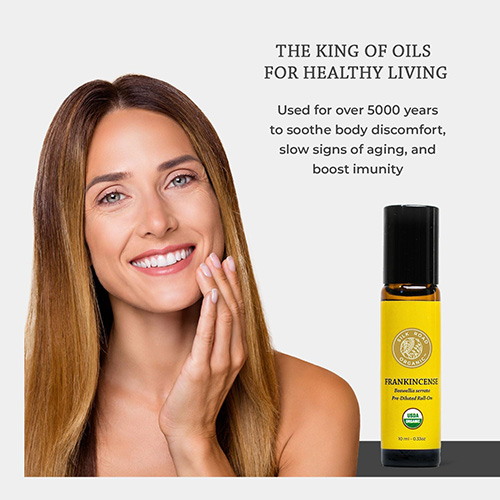
Awakening Frankincense’s Healing Touch
- Dilution: Due to its delicate nature, dilute frankincense oil (Boswellia carterii) at a lower 1-2% concentration in a carrier oil.
- Application: Gently massage diluted frankincense oil onto healed or healing scars 1-2 times daily using clean fingertips. Avoid open wounds and eyes.
- Patience is Key: Scar reduction takes time. While frankincense can significantly improve scar appearance, consistent application over several weeks is crucial for optimal results.
Promising Players in the Essential Oils for Burns Remedy Team
While our four champions – lavender, tea tree, peppermint, and frankincense – hold the frontline in the battle against burns, the botanical world offers other remarkable allies worth exploring:
- Chamomile Oil: This gentle giant, infused with anti-inflammatory and analgesic properties, offers a soothing respite from burn pain and redness. The Journal of Complementary and Integrative Medicine reported that chamomile oil can help burns heal more quickly and with less pain.
- Application: Dilute chamomile oil (Matricaria recutita) at a 1-2% concentration and apply gently to the affected area 2-3 times daily.
- Helichrysum Oil: Renowned for its potent anti-inflammatory and tissue regeneration properties, it champions scar minimization. According to a study in the Journal of Burn Care & Research, helichrysum oil significantly reduced the formation of scars. It made the skin texture better in burn wounds.
- Application: Due to its potency, dilute helichrysum oil (Helichrysum italicum) at a low 0.5-1% concentration and apply sparingly to healed or healing scars 1-2 times daily.
- Eucalyptus Oil: This refreshing oil, packed with antiseptic and analgesic properties, offers relief from pain and helps prevent infection in minor burns. Research published in the African Journal of Traditional, Complementary, and Alternative Medicines found that eucalyptus oil exhibited potent antibacterial activity against common burn-infecting bacteria.
- Application: Dilute eucalyptus oil (Eucalyptus globulus) at a 1-2% concentration and apply sparingly to the affected area 1-2 times daily. Avoid open wounds and eyes due to their potential for irritation.
Remember: These additional oils, while promising, require extra caution due to their potency. Before using it on a large area, you should always do a patch test and get personalized advice from a qualified aromatherapist or healthcare professional.
Beyond the Oils: Essential Tips for Safe and Effective Use
Harnessing the power of essential oils for burns demands respect and prudence. Here are some crucial tips for safe and effective use:
- Dilution is Key: Before applying essential oils to burns, they should always be mixed with a base oil like sweet almond, jojoba, or coconut oil. Refer to the recommended dilution percentages for each oil.
- Patch Testing is Mandatory: Do a patch test on a small, hidden skin area before putting any essential oil on a burn to ensure no allergic reactions.
- Sun Sensitivity Beware: Certain oils, like citrus oils, can increase sun sensitivity. After putting these oils on burns, stay out of the sun for a while.
- Open Wounds are Out-of-Bounds: Never apply essential oils for burns directly to open wounds or broken skin. Seek professional medical attention for deep or severe burns.
- Listen to Your Body: Discontinue use immediately if you experience any irritation, redness, or discomfort after applying an essential oil.
Seeking Professional Guidance for Burn Treatment
While the allure of natural remedies like essential oils for burns is undeniable, navigating the complexities of burn care necessitates a clear understanding of when self-care meets the realm of professional medical attention. Remember, burns vary in severity and require a nuanced approach depending on the injury’s degree and extent. Specific burns demand immediate professional intervention. Don’t hesitate to seek medical attention if you experience any of the following:
- Third-degree burns: These deep burns damage all layers of skin and require specialized treatment to prevent serious complications.
- Significant burns: Burns covering more than 10% of the body, especially on critical areas like hands, face, or feet, necessitate medical care due to the increased risk of infection and scarring.
- Electrical burns: These electrical currents can cause internal damage even with minimal visible injury, making medical evaluation crucial.
- Chemical burns: The corrosive nature of chemicals demands immediate flushing and professional intervention to minimize tissue damage.
- Burns affecting joints or tendons: Burns around joints or tendons can result in permanent contractures, necessitating prompt medical attention and potential reconstructive surgery.
Delaying medical attention for these severe burns can significantly worsen the outcome and increase the risk of complications. Remember, when in doubt, prioritize seeking professional help immediately.
Consulting a Doctor for Moderate Burns

While not requiring emergency care, some burns still benefit from a doctor’s expertise. Consider seeking professional guidance for:
- Second-degree burns: These deep partial-thickness burns damage the epidermis and dermis layers, and though they may initially appear blistered and red, their depth necessitates medical assessment for proper wound care and infection prevention.
- Burns with extensive blistering: Large or widespread blisters can make you more likely to get an infection and need to be treated by a doctor to relieve the pain.
- Burns on sensitive areas: Burns on the face, hands, eyes, genitals, or feet require extra caution due to the vulnerability of these areas and the potential for permanent damage.
- Burns with delayed healing: If your burn doesn’t show signs of improvement within a week or worsens with redness, swelling, or pus formation, seek medical advice to rule out infection and adjust treatment if necessary.
While essential oils for burns can support managing pain and promoting healing for moderate burns, a doctor’s guidance ensures comprehensive care and timely intervention if complications arise.
Working with a Doctor When Using Essential Oils for Burns
Communication with your doctor is paramount, even when using essential oils for minor burns. Inform them about your plans to incorporate these natural remedies alongside conventional treatment. This allows them to monitor your progress, provide personalized advice, and ensure essential oils for burns don’t interfere with any prescribed medications or treatment plans.
Remember, collaboration between you, your doctor, and potential complementary therapies like aromatherapy can lead to the most optimal healing outcomes for your burn.
By understanding the limitations of self-care and the importance of seeking professional guidance for various burn types, you can confidently navigate the journey to recovery, knowing you’ve made informed decisions for your health.
Health Disclaimer: The information on this website is for educational uses only and is not a substitute for professional medical advice. Always consult an authorized healthcare provider for any health concerns before using any herbal or natural remedy. We do not establish, treat, cure, or prevent any disease. Reliance on any material from this website is solely at your own risk. We are not responsible for any adverse effects resulting from the use of information or products mentioned on this website.
REFERENCES
- American Burn Association: https://ameriburn.org
- World Health Organization: https://www.who.int/news-room/fact-sheets/detail/burns
- Mayo Clinic: https://www.mayoclinic.org/diseases-conditions/burns/symptoms-causes/syc-20370539
- National Center for Complementary and Integrative Health: https://www.nccih.nih.gov
- Alliance for Aromatherapy: https://www.alliance-aromatherapists.org
- Lavender ointment promotes effective wound healing: A clinical trial. ScienceDirect. https://pubmed.ncbi.nlm.nih.gov/21168115
- Lavender oil for pain relief in partial-thickness burns. Journal of Alternative and Complementary Medicine. https://www.ncbi.nlm.nih.gov/pmc/articles/PMC4880962
- Antibacterial activity of tea tree oil and its impact on the treatment of burn wounds. Journal of Burns and Wounds. https://pubmed.ncbi.nlm.nih.gov/9248647
- Eucalyptus oil exhibits potent antibacterial activity against common burn-causing bacteria. African Journal of Traditional, Complementary and Alternative Medicines. https://www.ncbi.nlm.nih.gov/pmc/articles/PMC5454581
