
Foods that cause kidney stones don’t work the same way for everyone. The dietary changes that reduce your risk depend significantly on the type of stone you form — and that’s a detail most online lists skip entirely. What follows is a practical, evidence-graded guide to the foods most consistently linked to increased kidney stone risk, with explanations of how each mechanism works and where the evidence is strong, mixed, or nuanced.
Kidney stones — medically known as nephrolithiasis or urolithiasis — are hard mineral deposits that form in the kidney when certain substances become too concentrated in urine. According to the National Institute of Diabetes and Digestive and Kidney Diseases, approximately 11% of men and 6% of women in the United States will develop at least one kidney stone in their lifetime. [NIDDK, 2017] The pain of passing a stone is described by many patients as among the worst they have ever experienced. Fortunately, diet is one modifiable risk factor — meaning that understanding which foods raise your risk is genuinely actionable information.
Before making significant dietary changes, the most important step is to identify your stone type. Your doctor can analyze a passed stone or order urine and blood tests to guide your approach. Dietary advice without knowing your stone type may be unhelpful — or in the case of calcium restriction, actually counterproductive.
What Are Kidney Stones?
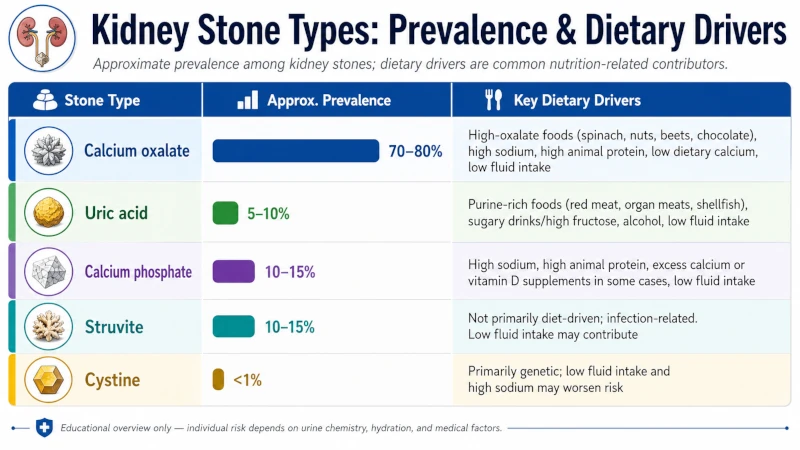
Kidney stones form when substances that are normally dissolved in urine — primarily calcium, oxalate, uric acid, or phosphate — crystallize into hard deposits. The most common types are:
| Stone Type | Approx. Prevalence | Primary Dietary Drivers |
| Calcium oxalate | ~75–80% | High oxalate foods, high sodium, animal protein, low fluid intake |
| Uric acid | ~5–10% | Animal protein (purines), alcohol (especially beer), low fluid intake, acidic urine |
| Calcium phosphate | ~5–10% | High sodium, alkaline urine, animal protein, high-dose calcium supplements |
| Struvite | ~10% | Associated with urinary tract infections — diet plays a smaller primary role |
| Cystine | < 2% | Genetic disorder — dietary fluid intake matters; stone-specific guidance required |
The Single Most Protective Step: Drink More Water
Before discussing individual foods, it’s worth stating clearly: inadequate fluid intake is the most universally recognized dietary driver of kidney stones across all stone types. [NIDDK, 2017] When urine is concentrated, crystal-forming substances are more likely to precipitate. Most kidney specialists recommend drinking enough fluid to produce at least 2 to 2.5 liters of urine daily — roughly 8 to 10 glasses of water for most adults, more in hot weather or if you exercise regularly.
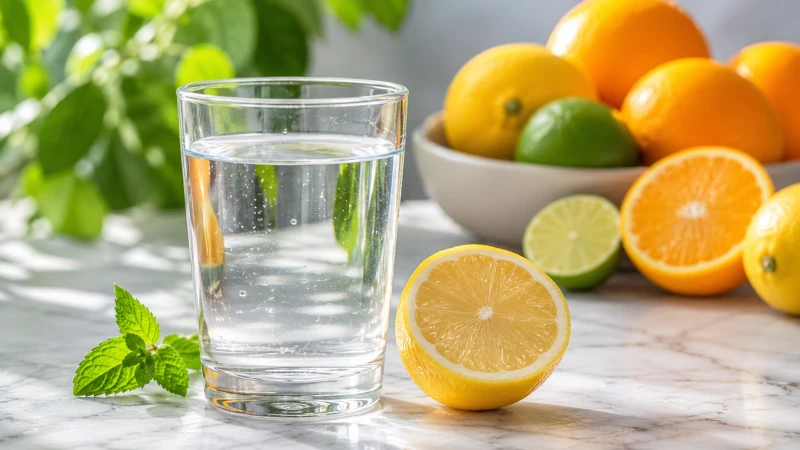
Lemon juice and other citrus drinks are naturally high in citrate, which inhibits the formation of calcium crystals. Replacing sugary sodas with water, diluted citrus juice, or unsweetened drinks is one of the simplest and best-supported steps you can take. [NKF, 2024]
12 Foods That Cause Kidney Stones
1. High-Sodium Foods — Strong Evidence
Sodium is one of the most robustly documented dietary risk factors for calcium stones. The mechanism is direct: excess sodium causes the kidneys to excrete more calcium into urine — a condition called hypercalciuria. The National Kidney Foundation explains that sodium and calcium share the same transport pathway in the kidneys, so when sodium is high, more calcium leaks into the urine where it can combine with oxalate or phosphate to form stones. [NKF, 2024]
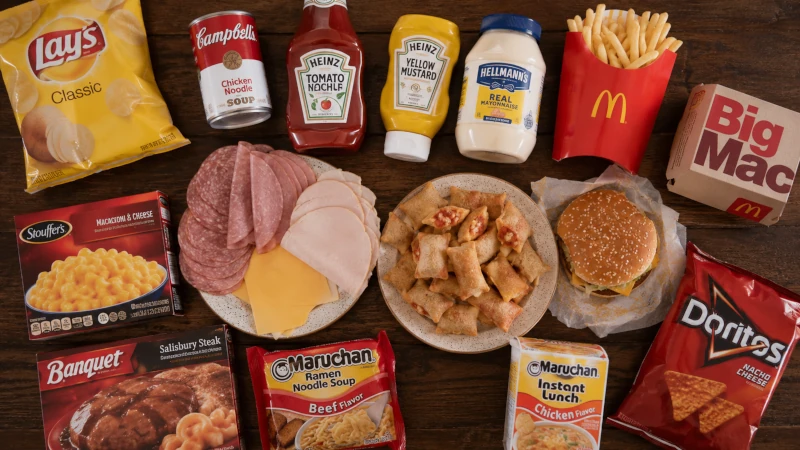
Hidden sodium is the bigger problem for most people, not the salt shaker. Common high-sodium sources include canned soups and vegetables, deli and processed meats, fast food, frozen meals, and condiments. The NKF recommends keeping sodium below 2,300 mg per day for people with a history of calcium stones. For those who excrete excess calcium in urine, even lower targets may be suggested by a physician. [NIDDK, 2017]
Notably, high-sodium diets also raise blood pressure. If you’re already managing both conditions, reducing sodium is doubly important. For a broader look at sodium-heavy foods to watch, see our article on foods that raise blood pressure.
2. Red Meat and Organ Meats — Strong Evidence
Diets high in animal protein — red meat, organ meats, processed meats, poultry, fish, eggs, and shellfish — raise the risk of both calcium oxalate and uric acid stones through two related mechanisms. First, animal protein raises acid levels in the body and urine, making it easier for calcium oxalate and uric acid crystals to form. Second, the metabolic breakdown of animal protein produces uric acid as a byproduct, directly increasing uric acid concentration in urine. [NIDDK, 2017]
This doesn’t mean eliminating meat entirely. Most guidelines suggest capping animal protein at two modest servings per day — roughly 3 to 4 ounces per serving — and substituting plant-based protein sources such as lentils, chickpeas, or tofu more often. [NKF, 2024; Mayo Clinic, 2023]
3. Organ Meats — Strong Evidence for Uric Acid Stones
Purine-rich animal foods — organ meats (liver, kidney, sweetbreads), anchovies, sardines, and mussels — deserve special attention for people who form uric acid stones. Purines are directly converted into uric acid in the body, and organ meats sit at the very top of the purine scale. The high acid concentration that results makes it easier for uric acid crystals to form in the kidney. [NKF, 2024]
The dietary overlap with gout is significant: the same high-purine diet that raises uric acid stone risk also drives gout flare-ups. For more on this connection, see our guide to foods that trigger gout flare-ups.
4. Spinach — Most Relevant for Calcium Oxalate Stone Formers
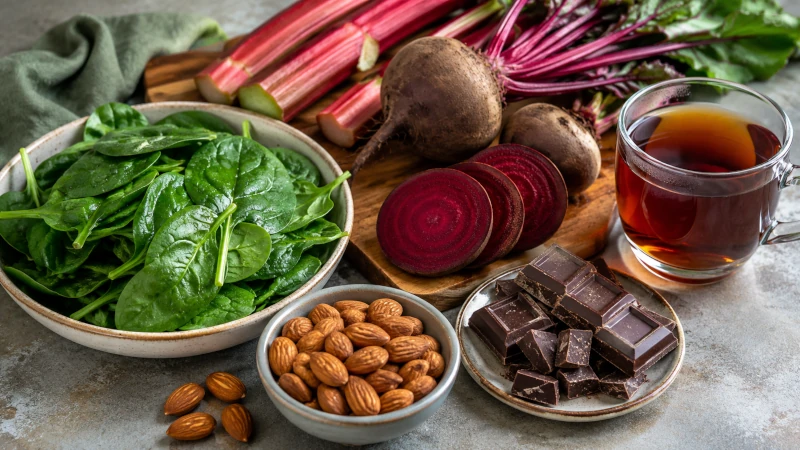
Oxalate is a naturally occurring compound found in many plant foods. In the body, oxalate can bind to calcium in the urine and crystallize into calcium oxalate — the most common stone type. Spinach is one of the most concentrated oxalate sources in the typical diet. For people who already excrete elevated oxalate in their urine, reducing high-oxalate foods is a meaningful intervention. [NIDDK, 2017]
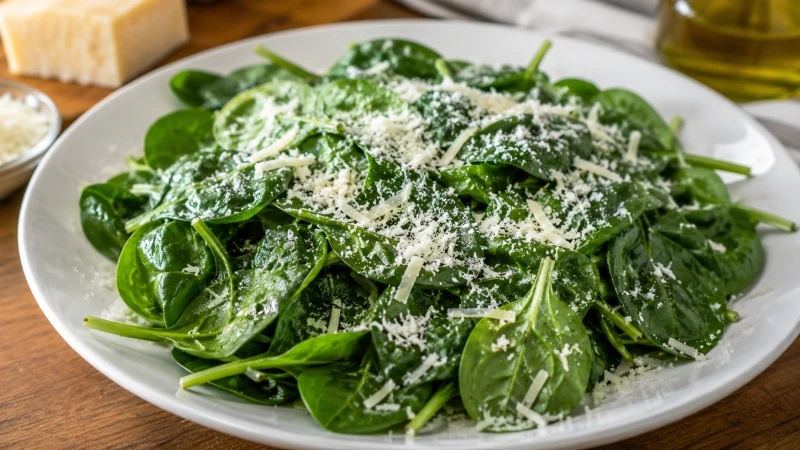
An important nuance: for most healthy adults without a history of calcium oxalate stones, spinach is genuinely nutritious and poses little elevated risk. There is also a practical strategy that reduces oxalate absorption without eliminating these foods: eating a calcium-rich food at the same meal. When calcium and oxalate meet in the gut rather than the kidneys, they bind there and pass out in stool. A spinach salad with a small serving of low-fat cheese, for example, may be safer than spinach eaten alone. [Mayo Clinic, 2021]
5. Rhubarb — Extremely High Oxalate
Rhubarb has an extremely high oxalate content — among the highest of any commonly eaten food. For people prone to calcium oxalate stones, it is often best avoided or sharply limited. Unlike spinach, rhubarb rarely forms the centerpiece of a meal, making it easier to cut out. [NIDDK, 2017]
6. Beets — High Oxalate, Both Root and Greens
Both the root and the leafy tops of beets are high in oxalate, making the whole plant a concern for calcium oxalate stone formers. Beet greens are particularly concentrated. As with spinach and rhubarb, the guidance to limit beets applies most directly to people who have formed calcium oxalate stones and have confirmed high urinary oxalate — not to the general population. [NKF, 2024]
7. Nuts — Almonds, Peanuts, and Cashews in Particular
Nuts — particularly almonds, peanuts, and cashews — are among the higher-oxalate foods in most diets. Peanuts, despite being legumes rather than tree nuts, are especially high. For calcium oxalate stone formers, moderating portion sizes of these foods is a reasonable step. Other nuts such as macadamias and pecans are lower in oxalate and may be tolerated better. [NIDDK, 2017]
8. Chocolate and Cocoa — Moderate Oxalate Concern
Chocolate and cocoa powder carry a meaningful oxalate load, relevant even in moderate amounts for people who form calcium oxalate stones. Dark chocolate is higher in oxalate than milk chocolate, though both contribute. This is not an absolute prohibition for most stone formers — it is a food to be mindful of, particularly when consumed daily or in large amounts.
9. Black Tea — High Oxalate at Large Volumes
Black tea has a high oxalate content, and because many people drink it in large volumes throughout the day, it can contribute substantially to urinary oxalate. Green tea is lower in oxalate than black. For stone-prone individuals who drink multiple cups of black tea daily, switching partially to water, herbal tea, or green tea is a reasonable adjustment. [NKF, 2024]
10. Sugary Drinks and High-Fructose Foods — Moderate Evidence
Sugar-sweetened beverages — especially sodas and fruit drinks containing high-fructose corn syrup — have been linked to increased kidney stone risk. Fructose appears to increase the urinary excretion of calcium, oxalate, and uric acid simultaneously. Phosphoric acid in cola drinks may additionally contribute to calcium phosphate stone formation. [NKF, 2024]
The NKF specifically calls out limiting sugar-sweetened beverages, particularly those with high-fructose corn syrup, as part of a kidney stone prevention diet. Replacing these with water or diluted citrus juice addresses both the fructose risk and the hydration benefit at once.
11. High-Dose Supplemental Vitamin C — Moderate Evidence
The body converts vitamin C into oxalate as part of normal metabolism. At the amounts found in fruits and vegetables, this is not a concern for most people. However, supplemental vitamin C in doses exceeding 500 mg per day can meaningfully increase urinary oxalate levels and raise the risk of calcium oxalate stones. [NIDDK, 2017]
This distinction is important: the vitamin C you consume through diet poses little risk. High-dose vitamin C supplements — particularly popular in doses of 1,000 mg or more per day — are worth discussing with a doctor if you have a history of calcium oxalate stones.
12. Alcohol — Particularly Beer — Moderate Evidence for Uric Acid Stones
Alcohol raises uric acid levels in both blood and urine. Beer is a particular concern because it is also high in purines, which are metabolized into uric acid. For people prone to uric acid stones — or those with gout — limiting alcohol is a reasonable and commonly recommended step.
The evidence on alcohol and calcium oxalate stones is less clear. Some studies suggest moderate wine intake may not increase risk, while heavy drinking of any kind tends to cause dehydration, which concentrates urine and raises risk across all stone types.
What About Coffee? The Evidence Has Changed
Earlier research suggested that caffeine increased calcium excretion in urine, leading to advice to reduce coffee intake. A 2022 prospective study from Mayo Clinic found that caffeine intake was actually associated with lower odds of first-time stone formation, possibly because caffeinated drinks contribute to overall fluid intake. [Mayo Clinic Proceedings, 2022]
The more accurate practical guidance: moderate caffeine intake is unlikely to raise kidney stone risk in otherwise healthy, well-hydrated adults. The advice to ‘avoid coffee’ that appears in many older articles overstates the available evidence.
The Calcium Paradox: Why Cutting Dairy Often Backfires
Perhaps the most widely misunderstood area of kidney stone dietary advice is the role of dairy. Because the most common kidney stones contain calcium, it seems logical that eating less calcium — including less dairy — would help. This reasoning is wrong for most people, and acting on it can actually increase stone risk.
The counterintuitive reality: when you restrict dietary calcium, less oxalate binds to calcium in the gut, so more oxalate is absorbed into the bloodstream and subsequently excreted in urine. Higher urinary oxalate then raises the risk of calcium oxalate stones — the very stones most people are trying to prevent. [NKF, 2024; Mayo Clinic, 2023]
A 2022 Mayo Clinic study found that diets with daily intake of approximately 1,200 mg of calcium may help prevent both first-time and recurrent kidney stones. The NKF recommends consuming 1,000 to 1,200 mg of calcium daily from food sources — dairy, calcium-fortified plant milks, leafy greens, and fortified foods — rather than reducing calcium intake. The key is timing: eating calcium-rich foods with meals (rather than between meals or in supplement form) allows calcium and oxalate to bind in the digestive tract before reaching the kidneys. [Mayo Clinic Proceedings, 2022]
What does raise risk is calcium supplements taken between meals or in high doses. Unlike food-source calcium, supplemental calcium floods the bloodstream and can raise urinary calcium concentration. If you take calcium supplements, discuss timing and dose with your doctor.
Foods and Habits That May Help Protect Against Kidney Stones
A complete picture includes not just what to limit but what actively supports kidney stone prevention:
| Food / Habit | Why It Helps |
| Water | Dilutes urine so minerals are less likely to crystallize. The most effective single prevention tool. |
| Lemon juice / citrus | High in citrate, a natural inhibitor of calcium crystal formation. Tart citrus drinks are preferred over sugary ones. |
| Calcium-rich foods (with meals) | Binds oxalate in the gut before it reaches the kidneys. Dietary calcium (not supplements) is protective. |
| Fruits and vegetables | Provide potassium, magnesium, fiber, and citrate — all associated with reduced stone risk. Aim for 5 servings daily. |
| Plant-based protein | Lentils, chickpeas, tofu — lower acid load than animal protein, lower uric acid production. |
[NKF, 2024; Mayo Clinic Proceedings, 2022]
When to Seek Medical Care
Dietary changes can reduce recurrence risk but cannot guarantee stone prevention, and some symptoms require urgent medical evaluation.
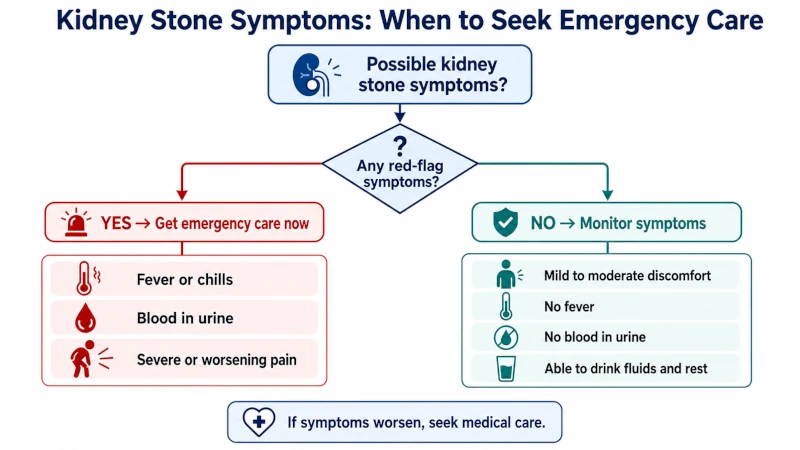
Seek prompt medical care if you experience any of the following:
- Severe, sudden pain in the back, side, or lower abdomen — especially pain that comes in waves
- Pain that radiates toward the groin
- Blood in the urine (pink, red, or brown discoloration)
- Nausea or vomiting alongside pain
- Fever or chills — which may indicate a kidney or urinary tract infection requiring antibiotics
- Difficulty urinating or a persistent urge to urinate without passing much urine
If you have had one kidney stone, your risk of recurrence is significantly elevated. A Mayo Clinic study found that after experiencing a first stone, you have approximately a 30% chance of developing another within five years without prevention measures — and the risk climbs over time. [Mayo Clinic Proceedings, 2022] Work with your doctor to identify your stone type, and consider asking for a referral to a nephrologist or a registered kidney dietitian for individualized dietary guidance. [NIDDK, 2017]
For a broader look at how whole-food choices affect your overall health, see our guide to best foods for humans.
| HEALTH DISCLAIMER The information in this article is for general educational purposes only and does not constitute medical advice. Kidney stone prevention is highly individualized — the right dietary approach depends on your stone type, urine chemistry, and overall health history. Always consult a qualified healthcare professional, nephrologist, or registered kidney dietitian before making significant dietary changes, especially if you have kidney disease, take medications, or have a history of recurrent kidney stones. If you are pregnant, nursing, or have any pre-existing medical conditions, seek professional guidance before adjusting your diet. |
Frequently Asked Questions
Does dairy cause kidney stones?
For most people, no — and the opposite is often true. Dietary calcium, including from dairy, binds oxalate in the digestive tract so less reaches the kidneys. Major kidney health organizations, including the National Kidney Foundation, recommend maintaining adequate dietary calcium rather than restricting it. The exception is very high-dose calcium supplements taken between meals, which can raise urinary calcium. Talk to your doctor about your individual calcium needs. [NKF, 2024]
Can I eat spinach if I have kidney stones?
It depends on your stone type and urinary oxalate levels. If you form calcium oxalate stones and have elevated urinary oxalate, reducing high-oxalate foods like spinach is advisable. However, you don’t necessarily have to eliminate it entirely. Eating spinach alongside a calcium-rich food — low-fat cheese, yogurt, or milk — causes oxalate and calcium to bind in the gut rather than the kidneys, reducing absorption. [Mayo Clinic, 2021]
Is coffee bad for kidney stones?
Probably not in moderate amounts for most people. Older research raised concerns about caffeine increasing calcium excretion, but more recent evidence is reassuring. A 2022 Mayo Clinic study found caffeine intake was actually associated with lower first-time stone risk, potentially because caffeinated beverages contribute to overall fluid intake. Moderate coffee consumption is unlikely to raise risk as long as total hydration is adequate. [Mayo Clinic Proceedings, 2022]
How much water should I drink to prevent kidney stones?
Most kidney specialists recommend drinking enough fluid to produce at least 2 to 2.5 liters of urine per day — often equating to 8 to 12 cups of fluid daily for most adults, depending on body size, climate, and physical activity. A practical rule of thumb is to aim for pale yellow (not clear, not dark yellow) urine throughout the day. Water is best; lemon water adds the bonus of citrate. [NIDDK, 2017; NKF, 2024]
Are all high-oxalate foods equally risky?
No. The guidance to limit high-oxalate foods applies most specifically to people who have already formed calcium oxalate stones and have confirmed elevated urinary oxalate. For healthy adults without this history, most high-oxalate foods pose little elevated risk — and many are nutritionally valuable. Work with a registered kidney dietitian to determine which foods matter most in your individual case.
References
- National Institute of Diabetes and Digestive and Kidney Diseases. Kidney Stones (Hub Page). → View source
- National Institute of Diabetes and Digestive and Kidney Diseases. Eating, Diet, & Nutrition for Kidney Stones. → View source
- National Kidney Foundation. Kidney Stone Diet Plan and Prevention. → View source
- Mayo Clinic News Network. Q&A: What Causes Kidney Stones? (2019, updated). → View source
- Mayo Clinic News Network. Mayo Clinic Minute: What You Can Eat to Help Avoid Getting Kidney Stones. (2021). → View source
- Mayo Clinic News Network. Diets Higher in Calcium and Potassium May Help Prevent Recurrent Symptomatic Kidney Stones, Mayo Clinic Study Finds. (2022). → View source
- MedlinePlus / NLM. Kidney Stones — Genetics Condition Overview. → View source
