
If your doctor has mentioned high blood pressure, diet is likely one of the first things that came up. That makes sense. What you eat day after day shapes the pressure inside your arteries — and some foods push it in the wrong direction more reliably than others.
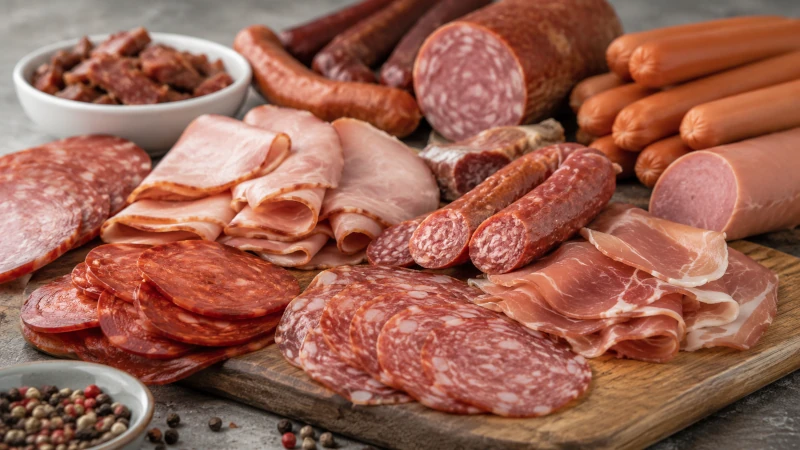
This article covers 13 foods that cause high blood pressure, why each one matters, and what the evidence actually says. Not every item on this list carries the same research weight, so we’ve graded the evidence where it makes a practical difference. For the other side of this equation — what to eat more of — see our companion guide to foods that lower blood pressure.
What Is High Blood Pressure?
High blood pressure, or hypertension, occurs when the force of blood pressing against your artery walls is consistently too high. Current U.S. guidelines from the National Heart, Lung, and Blood Institute define Stage 1 hypertension as a systolic reading of 130–139 mm Hg or a diastolic of 80–89 mm Hg; Stage 2 begins at 140/90 mm Hg or higher [NHLBI, 2024]. The World Health Organization uses 140/90 as its diagnostic threshold [WHO, 2025].
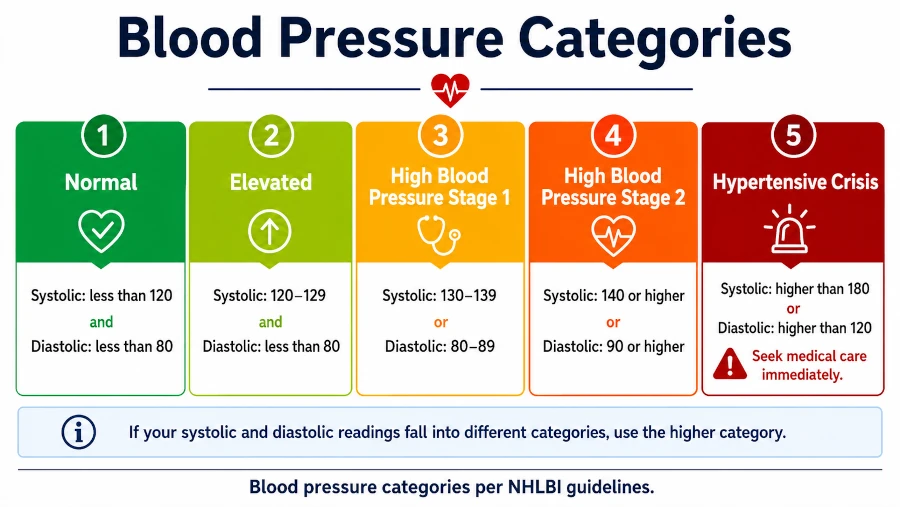
The most troubling thing about this condition is that it produces no symptoms for years — sometimes decades. The CDC describes it as the “silent killer” for exactly this reason. About 1 in 3 U.S. adults have high blood pressure, and roughly half don’t have it under control [CDC, 2016]. Globally, the WHO estimates that 1.4 billion adults aged 30–79 had hypertension in 2024, with 600 million of them unaware they had it [WHO, 2025].
Left unmanaged, hypertension silently damages the arteries of the heart, brain, eyes, and kidneys. It substantially raises the risk of heart attack, stroke, heart failure, and chronic kidney disease — conditions that are far harder to reverse once established [Mayo Clinic, 2024]. That’s why controlling it with diet, before medication becomes necessary, is worth taking seriously.
To keep tabs on where your numbers stand, it helps to monitor your blood pressure at home with a reliable device. Tracking readings over time gives you and your doctor a clearer picture than a single clinic measurement.
13 Foods That Cause High Blood Pressure
1. Salt
The connection between salt intake and high blood pressure is one of the most consistently supported diet-disease relationships in medicine. Reducing salt reliably lowers blood pressure — across large clinical trials, systematic reviews, and the landmark dietary guidelines from the American Heart Association [Appel et al., 2006]. The effect is strongest in people who are “salt-sensitive”: Black and African American adults, adults over 60, people with existing hypertension, and those with diabetes or chronic kidney disease.
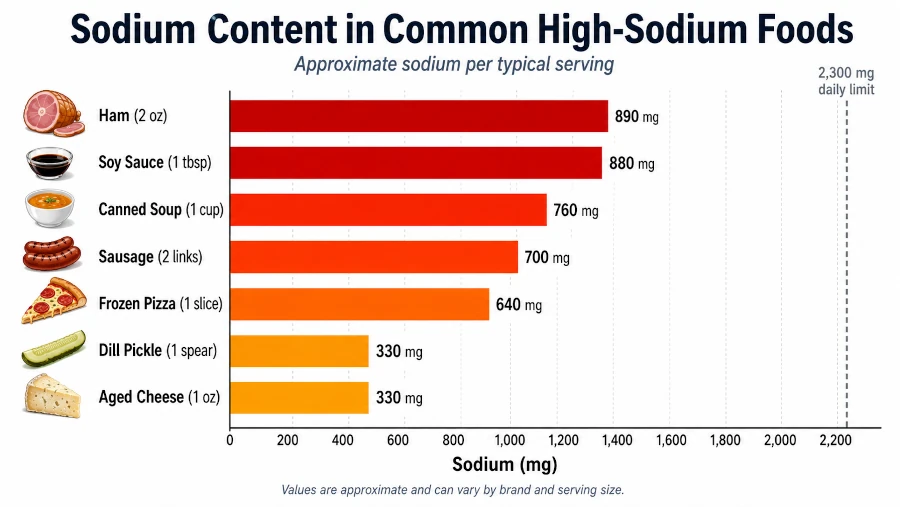
The AHA recommends staying below 2,300 mg of sodium per day, with an ideal target under 1,500 mg for those with hypertension [AHA, 2024]. The practical challenge is that most dietary sodium doesn’t come from the salt shaker — it comes from processed and restaurant foods.
Evidence quality: Strong. One of the most robust dietary-disease relationships in cardiovascular medicine.
2. Sodium
Salt raises blood pressure because of its sodium content. But sodium appears independently of the salt shaker in many foods and even medications: bread, canned goods, sauces, cured meats, cheese, and some antacids and over-the-counter pain relievers all contribute to the daily sodium total.
Reading nutrition labels is more useful than simply avoiding the table salt. It is the cumulative daily total from all sources that matters. Someone who rarely salts their food but eats a lot of deli meat, canned soup, and takeout may still be far above the recommended threshold without realizing it.
3. Ham
Cured ham is one of the highest-sodium foods in a typical Western diet. A 3-ounce serving of deli ham can contain 900 to 1,100 mg of sodium — more than half the recommended daily limit for someone managing hypertension. The curing process uses salt, nitrites, and other sodium-based additives by design. For people with elevated blood pressure, ham is best treated as an occasional item rather than a regular protein source.
Evidence quality: Strong. High sodium content is well-documented; recommendation follows directly from salt evidence [Appel et al., 2006].
4. Sausages
Processed sausages carry a double burden for blood pressure: the meat itself contains sodium naturally, and the curing, seasoning, and preservation process adds substantially more. They are also high in saturated fat, which contributes to arterial stiffening over time. Breakfast sausages, chorizo, Italian sausage, hot dogs, and deli-style meats all fall into this category. The combination of sodium and saturated fat makes sausages among the most significant dietary contributors to hypertension.
Evidence quality: Strong for sodium content; moderate-strong for saturated fat effects via arteriosclerosis pathway [AHA, 2024].
5. Meat
Regular meat consumption — particularly red meat — is associated with higher blood pressure in population studies. The mechanism isn’t fully settled, but it likely involves the relatively high sodium in processed forms and the low potassium content of meat compared to plant foods. Potassium counterbalances sodium’s effect on blood pressure at the cellular level: a diet high in sodium and low in potassium is a well-established contributor to elevated readings. See our potassium-rich foods chart for plant-based sources that can help restore the balance.
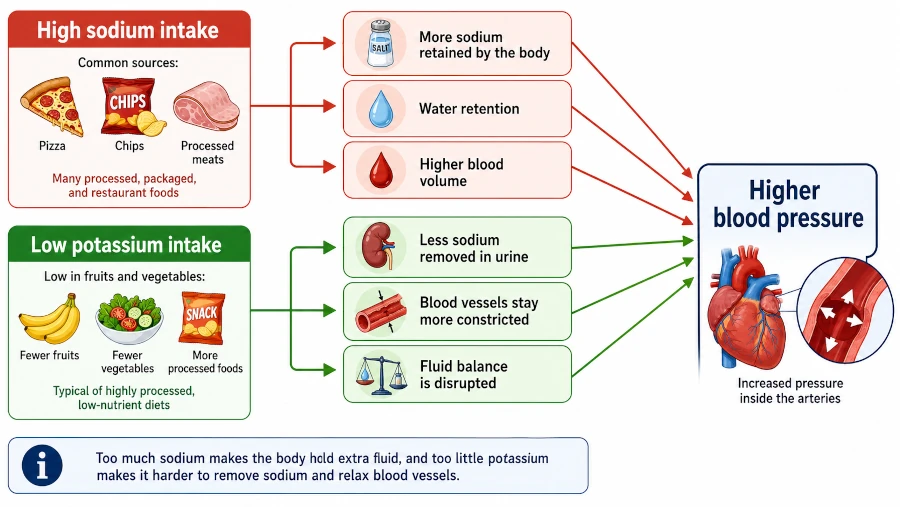
Evidence quality: Moderate. Population studies show consistent associations, but effect size varies and dietary confounding is difficult to fully exclude.
6. Animal Proteins
Diets high in animal protein overall — not just red meat, but also large quantities of full-fat dairy, aged cheese, and processed fish — appear to have a mild hypertensive effect compared to predominantly plant-based diets. The effect is likely amplified when animal protein intake combines with high sodium and low fruit-and-vegetable intake. The individual protein-specific contribution (separate from sodium) is harder to isolate in studies.
Evidence quality: Moderate. Individual contribution of protein content beyond sodium effects is not conclusively established [Appel et al., 2006].
7. Alcoholic Beverages
Alcohol’s effect on blood pressure is dose-dependent and well-documented. Consuming more than one to two standard drinks per day is associated with measurable increases in blood pressure [Appel et al., 2006]. Even amounts often considered “moderate” — two to three glasses of wine daily — can raise blood pressure. Heavier drinking substantially raises cardiovascular risk.
The AHA recommends limiting alcohol to no more than one standard drink per day for women and two for men [AHA, 2024]. Alcohol also interferes with some blood pressure medications and disrupts sleep quality, which independently affects blood pressure. For people with hypertension, reducing alcohol is one of the most reliable lifestyle changes for seeing a measurable result.
Evidence quality: Strong. Dose-response relationship well-established in multiple systematic reviews.
8. Saturated Fats
Diets high in saturated fat contribute to arteriosclerosis — the gradual stiffening and narrowing of arteries due to plaque buildup on their walls. When arteries lose elasticity and diameter, the heart must pump harder against increased resistance, and blood pressure rises. This mechanism is well-supported by decades of cardiovascular research. Saturated fat is concentrated in fatty meats, butter, full-fat dairy, tropical oils (coconut and palm), and processed pastries. Replacing them with unsaturated fats — particularly those found in seeds, nuts, and olive oil — is associated with better arterial health [AHA, 2024].
For a natural source of heart-healthy unsaturated fats that actively work against arteriosclerosis, see our article on the benefits of sunflower seeds.
Evidence quality: Moderate-strong. Saturated fat’s role in arteriosclerosis is well-supported; direct blood pressure effect is partly mediated through this pathway.
9. Coffee
Regular coffee consumption raises blood pressure acutely, and research consistently shows that people who stop drinking coffee regularly tend to see a measurable drop in their readings. Read more about the broader effects of coffee on the cardiovascular system.
Habitual coffee drinkers develop some tolerance to caffeine’s cardiovascular effects over time, meaning the acute spike becomes smaller. Even so, evidence suggests that long-term heavy coffee consumption maintains a modest sustained blood pressure effect for many people, particularly those sensitive to caffeine. Decaffeinated coffee appears to have minimal blood pressure impact.
For people with hypertension, limiting coffee to one to two cups per day or switching to decaf is reasonable. There is no need to eliminate it entirely if readings are well-controlled, but quantity and timing are worth tracking.
Evidence quality: Moderate. Acute pressor effect is well-established; long-term habitual effects are variable by individual sensitivity.
10. Caffeinated and Stimulant Beverages
Tea, caffeinated soft drinks, energy drinks, and yerba mate all contain stimulant compounds — caffeine, theobromine, and related xanthines — that can raise blood pressure with regular consumption. Their effect is generally less pronounced than coffee, but it is real and cumulative. See our article on the yerba mate plant, which covers its specific stimulant effects, caffeine content, and the contraindications for those with hypertension.
Energy drinks merit special attention because they combine caffeine with other stimulants, large amounts of sugar, and sometimes sodium — a combination that can produce acute blood pressure spikes disproportionate to caffeine alone.
Evidence quality: Moderate. Effect is established but quantitatively smaller than for coffee; energy drinks have limited long-term human data.
11. Pepper and Piquant Spices
Pepper and hot spices — particularly cayenne and other capsaicin-containing chiles — can cause a short-term rise in blood pressure through their stimulant effect on the cardiovascular system. This is a traditional observation supported by some physiological research on capsaicin’s vasoconstrictive properties.
The evidence here is genuinely mixed, however. Some research suggests a possible mild blood pressure-lowering effect with regular capsaicin consumption over time, possibly through vasodilatory mechanisms. Until more consistent evidence is available, people with hypertension who are sensitive to spicy foods may benefit from moderation. This is a cautious note rather than a firm dietary restriction.
Evidence quality: Limited and mixed. Traditional observation partially supported; contradicted by some capsaicin research. Moderate intake unlikely to cause significant harm for most people.
12. Aged Cheeses
Matured and aged cheeses — parmesan, aged cheddar, gouda, blue-vein varieties, brie — are high in both sodium and vasoactive amines, compounds formed during fermentation. These amines (including tyramine and histamine) can constrict blood vessels and briefly raise blood pressure, particularly in people sensitive to them or in those taking MAO inhibitor medications (a class used for depression and some other conditions).
The sodium content alone makes aged cheeses worth limiting for people managing hypertension. A single ounce of parmesan contains approximately 450 mg of sodium. Fresh cheeses — ricotta, mozzarella, cottage cheese — tend to be significantly lower in both sodium and amines.
Evidence quality: Moderate for sodium contribution; limited for amine-specific effects in the general population.
13. Egg Yolk
Egg yolk contains significantly more sodium than egg white, and the evidence on eggs and blood pressure overall is genuinely mixed. Some observational studies show a modest association between frequent egg consumption and slightly higher blood pressure; others find no meaningful effect in the context of an otherwise balanced diet.
For most people, eating up to one egg per day is not considered a meaningful blood pressure risk. The concern is primarily for those eating several eggs daily as a primary protein source within a diet already high in sodium and saturated fat. Egg whites — with their very low sodium and high protein content — are a straightforward alternative for people managing their readings closely.
Evidence quality: Limited and mixed. Egg consumption’s independent effect on blood pressure is not conclusively established in well-controlled studies.
Who Should Be Extra Careful
The dietary changes above matter for anyone with elevated blood pressure, but certain groups face greater risk and should pay particularly close attention:
- People with diagnosed hypertension or prehypertension.
- Black and African American adults, who tend to be more salt-sensitive and have a higher prevalence of severe hypertension.
- Adults over 60, whose blood vessels are naturally less elastic and more vulnerable to sodium’s effects.
- People with diabetes or chronic kidney disease, as both conditions amplify the organ damage that high blood pressure can cause.
- Pregnant individuals — hypertension in pregnancy requires medical supervision, and dietary self-management alone is not sufficient.
- Anyone on blood pressure medication — some foods, particularly heavy caffeine and high sodium, may reduce medication effectiveness or interact with specific drug classes.
When to Talk to Your Doctor
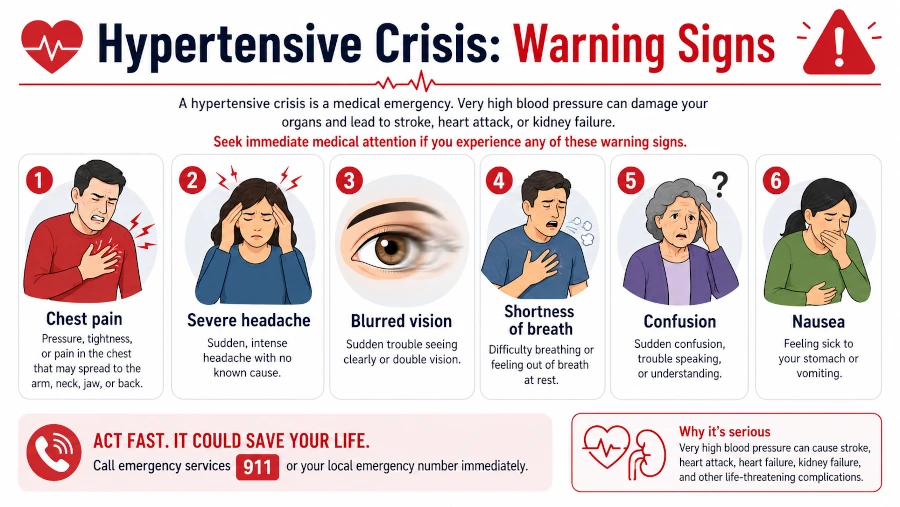
Diet matters, but it has limits. See a healthcare provider if:
- You have not had your blood pressure checked in the past year.
- Your home readings are consistently at or above 130/80 mm Hg.
- You are already managing hypertension with medication but readings remain high despite dietary changes.
Seek immediate medical care if you experience sudden severe headache, chest pain, blurred vision, difficulty breathing, or nosebleeds. These can be signs of hypertensive crisis — a medical emergency [Mayo Clinic, 2024].
| Medical Disclaimer The information in this article is for educational purposes only and is not a substitute for professional medical advice, diagnosis, or treatment. High blood pressure is a serious medical condition. Dietary changes can support blood pressure management but should not replace prescribed medication or regular monitoring by a licensed healthcare provider. If you are pregnant, nursing, have a diagnosed medical condition, or take any medications, speak with your doctor before making significant dietary changes. |
Frequently Asked Questions
What is the single most impactful dietary change for high blood pressure?
Reducing sodium — especially the hidden sodium in processed and restaurant foods — is the most consistently supported dietary target. Cutting daily sodium intake reliably lowers blood pressure in most people, particularly those who are salt-sensitive [Appel et al., 2006].
Can dietary changes actually bring blood pressure down without medication?
For Stage 1 hypertension (systolic 130–139, diastolic 80–89), dietary changes — particularly reducing sodium, cutting alcohol, and following a DASH-style eating pattern — are used as first-line treatment before medication. For Stage 2 or higher, medication is usually necessary, and diet supports but does not replace it [NHLBI, 2024].
Why does meat raise blood pressure if it doesn’t have much added salt?
Unprocessed meat is relatively low in sodium but also low in potassium — a mineral that counteracts sodium’s blood pressure-raising effect. A diet heavy in meat and low in fruits and vegetables creates an imbalanced sodium-to-potassium ratio, which is independently associated with hypertension. See our potassium-rich foods chart for plant-based sources that can help restore balance.
Is coffee actually bad for blood pressure long-term, or just in the moment?
Both. Coffee raises blood pressure acutely with each cup, and habitual heavy consumption maintains a modest sustained effect in many people — particularly those who are caffeine-sensitive. People who stop drinking coffee regularly often see a measurable drop in their readings. See our article on the effects of coffee on the body for a full breakdown.
Are any foods on this list safe in small amounts?
For most people, yes. Moderation rather than total elimination is appropriate for most items on this list. Salt and sodium require the most vigilance because they are pervasive in processed foods. Having occasional ham, aged cheese, or a single glass of wine is unlikely to cause lasting harm in the context of an otherwise low-sodium, plant-forward diet. The overall dietary pattern across a week matters more than any single meal.
References
- Pamplona-Roger, G.D. (2005). Encyclopedia of Foods and Their Healing Power, Vol. 2. Editorial Safeliz.
- Hardinge, M.G. & Shryock, H. (1999). Family Medical Guide, Vol. 3. Pacific Press / Review and Herald.
- Appel LJ, et al. (2006). Dietary approaches to prevent and treat hypertension. Hypertension, 47(2):296–308. PMID 16434724. DOI: 10.1161/01.HYP.0000202568.01167.B6. Available at: https://pubmed.ncbi.nlm.nih.gov/16434724/
- American Heart Association. High Blood Pressure. https://www.heart.org/en/health-topics/high-blood-pressure
- National Heart, Lung, and Blood Institute. What Is High Blood Pressure? NIH/NHLBI, updated 2024. https://www.nhlbi.nih.gov/health/high-blood-pressure
- Mayo Clinic. High blood pressure (hypertension) — Symptoms & causes. Updated February 2024. https://www.mayoclinic.org/diseases-conditions/high-blood-pressure/symptoms-causes/syc-20373410
- World Health Organization. Hypertension Fact Sheet. Updated September 2025. https://www.who.int/news-room/fact-sheets/detail/hypertension
- Centers for Disease Control and Prevention. High Blood Pressure. https://www.cdc.gov/bloodpressure/index.htm (Note: prevalence figures on this page reference 2016 data)
- Academy of Nutrition and Dietetics. https://www.eatright.org/
- American College of Cardiology. https://www.acc.org/
