
The health benefits of squash are real, but they are also more modest than most food blogs imply. A cup of cooked winter squash gives you a meaningful amount of potassium, fiber, vitamin C, and the orange pigments your eyes use to filter light. It does not cure high blood pressure, reverse heart disease, or replace medical care. This guide walks through what the strong evidence supports, what is only suggestive, and how to actually fit squash into the diet of someone managing blood pressure, blood sugar, or vision concerns.
Squash here means the edible fruits of Cucurbita pepo, Cucurbita maxima, and Cucurbita moschata — the family that includes butternut, acorn, kabocha, spaghetti squash, pumpkin, zucchini, and yellow summer squash. They are botanically fruits, eaten as vegetables, and most of the human data centers on winter (hard-rind) varieties because of their richer carotenoid content [USDA FoodData Central, 2024].
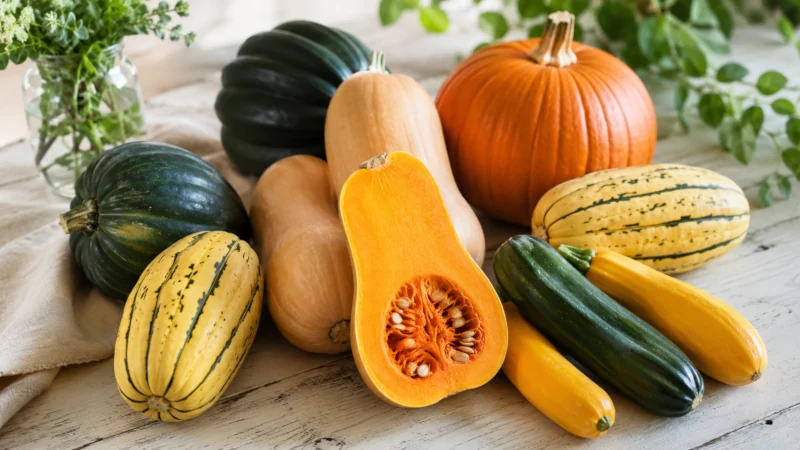
Health Benefits of Squash: The short answer
- Low in calories, low in sodium, high in potassium and beta-carotene — useful as part of a blood-pressure-friendly diet such as DASH.
- A reliable source of provitamin A (from beta-carotene), vitamin C, and the eye-supporting carotenoids lutein and zeaxanthin.
- Filling but moderate in carbohydrate — friendly to most people with diabetes when portioned.
- Pumpkin seeds (a squash byproduct) have small randomized trials in benign prostatic hyperplasia and a long history of folk use against intestinal tapeworms — modest evidence, not a substitute for medical treatment.
- Not a cure for any disease. People taking ACE inhibitors, ARBs, or potassium-sparing diuretics, and people with advanced kidney disease, should keep portion sizes consistent and ask their clinician about potassium intake.
Squash nutrition at a glance
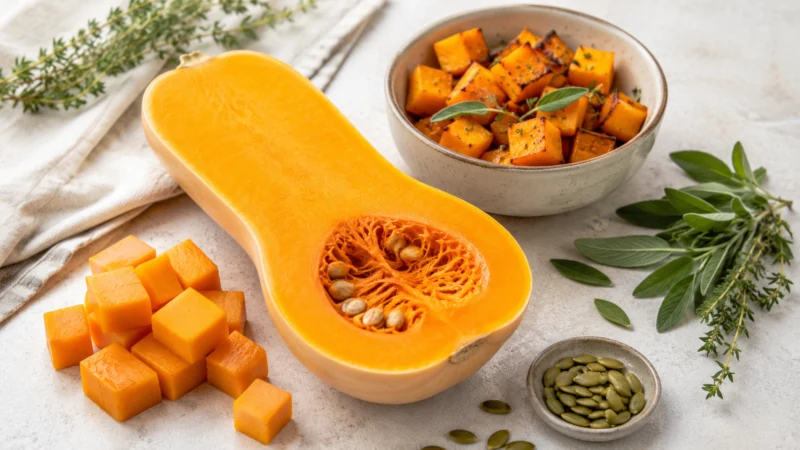
Per 100 g of raw winter squash, USDA data show roughly 34 calories, 8.6 g carbohydrate (of which about 1.5 g is fiber and 2.2 g is naturally occurring sugars), 0.95 g protein, almost no fat, 350 mg potassium, only 4 mg sodium, and 12 mg vitamin C, along with about 820 µg beta-carotene and 38 µg combined lutein and zeaxanthin [USDA FoodData Central, 2024]. A typical cooked cup is around 200 g, so the numbers roughly double in a real serving.
Two things stand out for cardiovascular health: the very low sodium and the very high potassium-to-sodium ratio. The American diet runs the other way — far too much sodium and not enough potassium — and shifting that ratio is one of the few dietary changes with consistent blood-pressure data behind it [NIH ODS, 2024].
| Nutrient (per 100 g raw) | Amount | Why it matters |
| Calories | 34 kcal | Low energy density — useful for weight-conscious diets. |
| Carbohydrate | 8.6 g | Mostly complex carbs with some natural sugars. |
| Fiber | 1.5 g | Mostly soluble — supports satiety and gentle digestion. |
| Protein | 0.95 g | Not a protein source on its own; pair with beans, eggs, fish, etc. |
| Fat | 0.13 g | Essentially fat-free. |
| Potassium | 350 mg | Helps blunt the blood-pressure effect of dietary sodium. |
| Sodium | 4 mg | Naturally very low — most sodium comes from how you cook it. |
| Vitamin C | 12 mg | About 14% of the adult Daily Value. |
| Beta-carotene (provitamin A) | 820 µg | Converts to vitamin A; gives flesh its orange color. |
| Lutein + zeaxanthin | 38 µg | Concentrated in the retina; modest amounts here, larger in dark leafy greens. |
Note that values shift between varieties. Butternut and kabocha are higher in beta-carotene and slightly higher in carbohydrate than acorn or spaghetti squash. Summer squash (zucchini, yellow squash) has less carotenoid pigment but even fewer calories.
Squash and blood pressure: what the evidence supports
Potassium is the mechanism. The NIH Office of Dietary Supplements summarizes the human data this way: in adults with hypertension, increasing potassium intake — particularly when it displaces some sodium — produces small but real reductions in systolic blood pressure, on the order of 5 to 7 mmHg in pooled analyses [NIH ODS, 2024]. The effect is smaller, and not always statistically significant, in people who are not hypertensive.
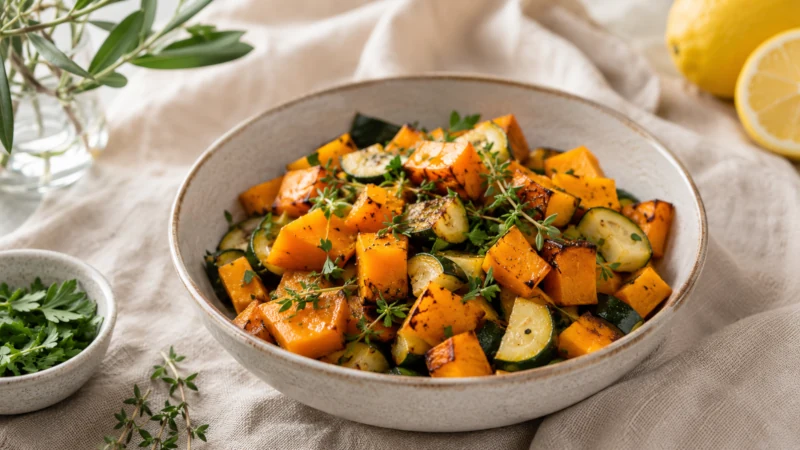
Two practical points follow. First, the win comes from a pattern, not a single food: the DASH and Mediterranean patterns deliver this potassium-rich, sodium-light shape across all meals, and squash slots in well. Second, what you put on the squash matters. Roasting butternut with a tablespoon of olive oil and herbs is a low-sodium dish. Drowning it in butter and salt, or smothering it in maple syrup, cancels most of the benefit. For more context on the dietary side of blood-pressure care, see best herbs for high blood pressure and the broader cardiovascular health hub.
An important caution: extra dietary potassium is not safe for everyone. People with advanced chronic kidney disease, and people taking ACE inhibitors (such as lisinopril), angiotensin receptor blockers (such as losartan), or potassium-sparing diuretics (such as spironolactone), can develop dangerously high blood potassium. The NHLBI’s potassium guidance is explicit about this [NHLBI, 2020]. Squash by itself is unlikely to push anyone into trouble, but pairing it with bananas, potatoes, tomatoes, and salt substitutes can. Ask the clinician who manages your prescriptions before changing the pattern.
Squash, the heart, and “clogged arteries”
The original article called squash “an ally to the arteries.” That is closer to a slogan than a finding. What the diet research supports is more nuanced: vegetable-heavy patterns rich in fiber, potassium, magnesium, and carotenoids are associated with lower rates of cardiovascular events, and squash fits that pattern. Beta-carotene and other carotenoids are antioxidants, but the lesson from large randomized trials — the AREDS2 and CARET studies — is that high-dose beta-carotene supplements can backfire, especially in smokers, even though the same compounds eaten as food are linked to better outcomes [National Eye Institute, 2022]. The pragmatic conclusion: eat the vegetable; don’t load up on beta-carotene capsules.
For people managing coronary disease or arteriosclerosis, squash counts as a heart-friendly side dish — naturally low in saturated fat and sodium, filling enough to crowd out less healthy options, and a source of soluble fiber that modestly improves LDL cholesterol when it replaces refined starches in the diet. It is not a substitute for statins, blood-pressure medication, or smoking cessation.
Squash and eye health
The strongest single piece of evidence for diet and vision comes from the Age-Related Eye Disease Studies (AREDS and AREDS2) run by the National Eye Institute. The trials enrolled more than 4,000 adults with intermediate age-related macular degeneration (AMD) and tested supplement formulas including beta-carotene, vitamin C, vitamin E, zinc, and later lutein and zeaxanthin. The AREDS2 formula — which swapped beta-carotene for 10 mg lutein and 2 mg zeaxanthin — reduced the risk of progression to advanced AMD by about 26% over five years, and the lutein/zeaxanthin version was safer for current and former smokers [National Eye Institute, 2022].
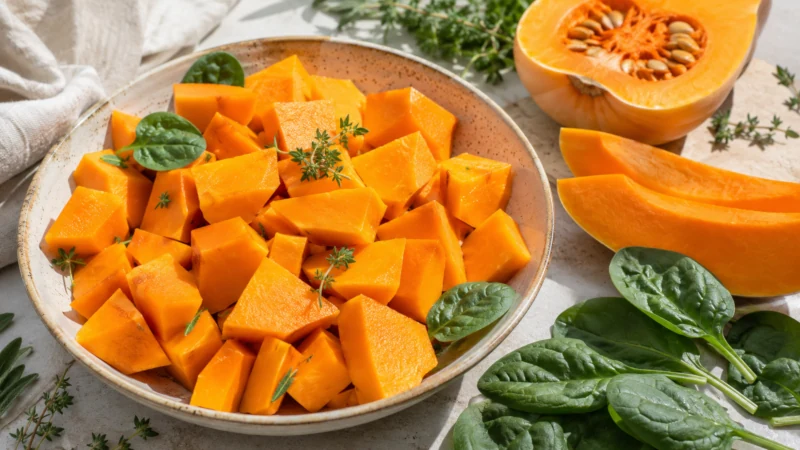
Squash contributes small amounts of lutein and zeaxanthin and a meaningful amount of beta-carotene, which the body converts to vitamin A — a nutrient retinal cells need to detect light. Squash will not, on its own, reach AREDS2 doses. Think of it as one of several carotenoid-rich foods (alongside dark leafy greens, eggs, and orange peppers) that together support the diet side of eye care. If you already have AMD, talk to your ophthalmologist about whether an AREDS2-formula supplement makes sense for you. For the herbal and lifestyle side, see the best herbs for eye health and the eye and vision conditions hub.
Digestion, blood sugar, and weight
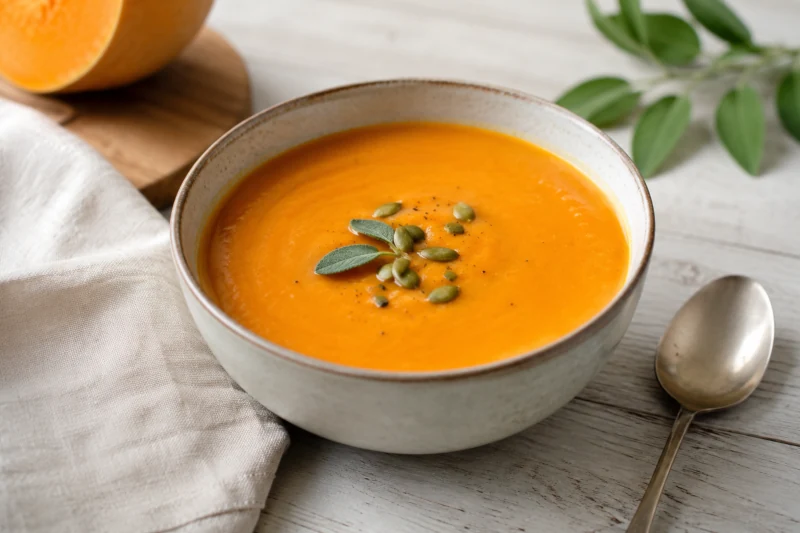
Squash flesh is soft, mostly water, and rich in soluble fiber. For most people that translates to easy digestion and a sense of fullness disproportionate to the calories. Pureed squash and squash soups are commonly used as transitional foods after gastrointestinal illness or surgery for that reason — they are gentle and dense in fluid.
On blood sugar, the picture is more nuanced than the food’s reputation suggests. Winter squash has more carbohydrate than a leafy green or cucumber, and varieties like butternut and kabocha can raise blood glucose if eaten in large portions. The fiber and water content soften that response, and roasted squash generally produces a more moderate post-meal glucose curve than mashed potato or white rice in head-to-head comparisons. For someone with type 2 diabetes, the practical guidance is portion (about half a cup to one cup cooked) and pairing with protein and healthy fat — not avoidance.
Pumpkin seeds: the part with the most clinical data
Squash seeds, especially from Cucurbita pepo, contain zinc, magnesium, healthy fats, and a distinctive amino acid called cucurbitin. Two areas of human research are worth knowing about.
Benign prostatic hyperplasia (BPH)
Pumpkin seed oil and pumpkin seed extracts have been studied in men with lower urinary tract symptoms from BPH. A 2021 single-blind randomized trial in Iran assigned 60 men over 50 to either 0.4 mg tamsulosin nightly or 360 mg pumpkin seed oil twice daily for three months.
Both groups improved on the International Prostate Symptom Score; tamsulosin worked better, but the pumpkin seed oil produced no notable side effects [Damavandi et al., BMC Urology, 2021]. A 2022 meta-analysis of two longer placebo-controlled trials of a proprietary pumpkin seed extract showed modest, inconsistent effects. The honest summary: pumpkin seed products can ease mild BPH symptoms for some men, but they are not as effective as standard prescription therapy, and they should not delay evaluation for urinary symptoms that are getting worse.
Intestinal tapeworms
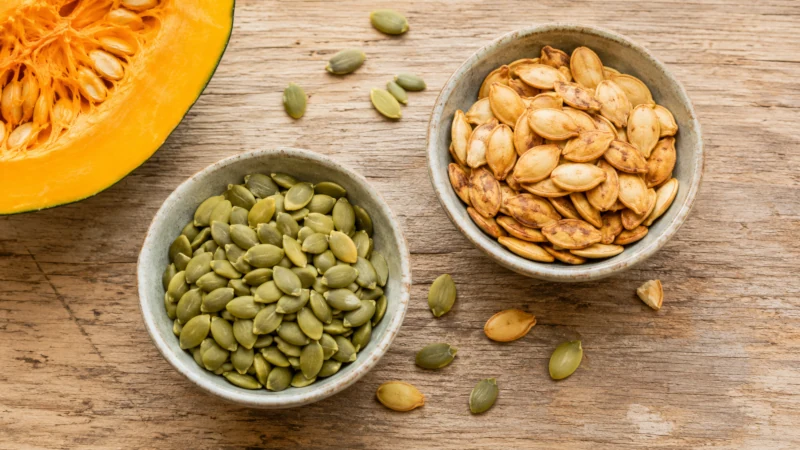
The folk use of pumpkin seeds against tapeworms is centuries old and is not pure myth. A community trial in northwest Sichuan, China, treated taeniasis patients with pumpkin seeds, areca nut extract, or both. The combination expelled intact tapeworms in roughly 89% of confirmed cases, with most worms passed within three hours; pumpkin seeds alone worked in about three-quarters of cases but took much longer [Li et al., Acta Tropica, 2012].
That said, taeniasis is a parasitic infection that, in the case of Taenia solium, can also cause cysticercosis — including seizures and other neurologic complications if larvae invade the brain. The CDC recommends praziquantel or niclosamide as first-line treatment; pumpkin seeds are not a substitute [CDC, 2024]. Anyone who suspects a tapeworm infection should see a clinician, not self-treat.
How to actually use squash in the kitchen
The cooking method changes the nutrition profile more than people expect. A few practical patterns:
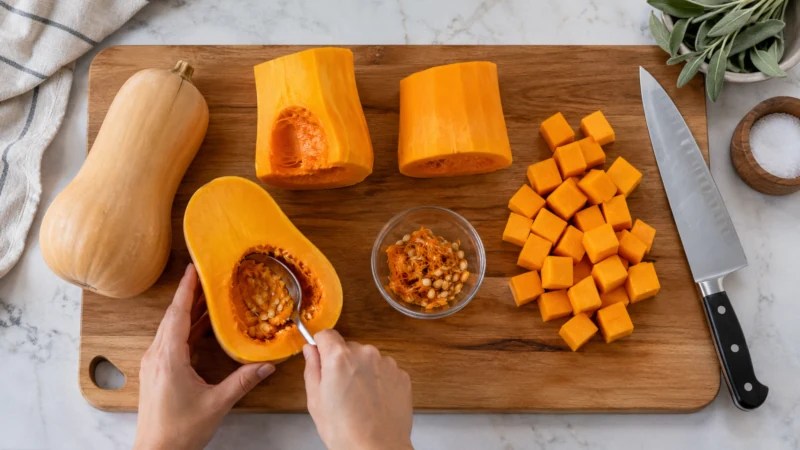
- Roasting — halve a winter squash, scoop out the seeds, brush with olive oil and a pinch of salt, and roast cut side down at 200 °C (400 °F) for 35 to 45 minutes. Brings out natural sweetness; minimal added sodium.
- Steaming or pressure cooking — preserves the most vitamin C and potassium. Useful for purées and soups.
- Puréed soups — blend roasted squash with low-sodium broth, a small onion, and a little ginger. Filling, low in calories, and easy on a sensitive stomach.
- Pumpkin seeds — rinse, dry on a sheet pan, toss with a teaspoon of olive oil, and roast at 150 °C (300 °F) for about 30 minutes. Eat as a snack; do not salt heavily.
- Skin — delicata, kabocha, and acorn skins are edible when roasted. Butternut skin is usually peeled.
Who should be cautious, and what to watch for
Squash is one of the safer foods to introduce, but a few groups should pay attention:
- People with chronic kidney disease, especially those on a potassium-restricted diet, should portion squash carefully and follow their nephrologist’s potassium target.
- People taking ACE inhibitors, ARBs, or potassium-sparing diuretics (spironolactone, eplerenone) should keep dietary potassium steady rather than dramatically increasing it; combining these drugs with very high potassium intake can cause hyperkalemia.
- People with diabetes can usually include squash, but should treat dense varieties (butternut, kabocha) as a starchy carbohydrate when counting carbs.
- Smokers and recent smokers should not take beta-carotene supplements, which increased lung cancer risk in two large trials. Beta-carotene from food is not implicated [Mayo Clinic, 2026].
- Toxic squash syndrome (cucurbitacin poisoning) is rare but real. If a raw squash, pumpkin, or zucchini tastes intensely bitter, spit it out and discard the rest. Bitter cucurbitacins can cause severe vomiting and diarrhea. Commercially grown squash is bred to be low in cucurbitacins, but garden-grown gourds occasionally cross-pollinate with ornamentals and produce bitter fruit.
- Pregnancy and breastfeeding — squash as a food is fine. Concentrated pumpkin seed oil supplements have not been well studied in these populations; discuss with a clinician before starting.
Seek medical care promptly if you have urinary symptoms that are worsening, unexplained weight loss, persistent abdominal pain, blood in stool, vision changes, or symptoms suggestive of a parasitic infection (visible segments in stool, abdominal pain with eosinophilia). Squash is food. It is not a workup.
Realistic expectations
Adding a cup of squash to dinner three or four nights a week will not measurably change a blood pressure number on its own. What it can do — alongside reduced sodium, regular activity, and weight management — is contribute to a dietary pattern that, in randomized trials, has lowered blood pressure by 5 to 10 mmHg in people with hypertension. For diabetes, vision, and digestive health, the picture is similar: small, additive contributions from a whole-food pattern, not a single hero ingredient. If anything you read about squash promises more, treat that promise with the skepticism it deserves.
| Important — read before acting on anything here: This article is for general education and is not medical advice. It does not diagnose, treat, cure, or prevent any disease. Reading it does not create a clinician-patient relationship. Nutrient values, study findings, and dosing examples are accurate to the cited sources at the time of writing but may not reflect more recent research. Do not change prescription medications, supplements, or a managed condition such as hypertension, kidney disease, or diabetes based on this page. Talk to a licensed clinician — physician, registered dietitian, or pharmacist — about your individual situation, especially if you are pregnant or breastfeeding, are managing a chronic illness, take prescription drugs, or are considering pumpkin seed or beta-carotene supplements. If you are experiencing urgent symptoms — severe abdominal pain, sudden vision changes, fainting, signs of stroke, or a suspected serious parasitic or infectious illness — contact your local emergency services or call 911 (US) without delay. |
Frequently Asked Questions
Is squash a vegetable or a fruit?
Botanically a fruit (it grows from a flower and contains seeds); culinarily a vegetable. Nutrition guidance treats squash as a vegetable, with winter varieties counted in the “starchy vegetable” group on plates like MyPlate.
Is squash safe for people with type 2 diabetes?
Yes, with attention to portion. Winter squash contains real carbohydrate — about 9 to 15 grams of net carbs per cooked half-cup depending on the variety. Pair it with protein and non-starchy vegetables, and count it against your meal’s carbohydrate target.
Are pumpkin seeds the same as squash seeds?
Functionally yes. Pumpkin is a type of squash (Cucurbita pepo), and most of the seed research uses C. pepo seeds. Seeds from acorn, butternut, and other Cucurbita species are also edible, though commercial pumpkin seed extracts standardize the active compounds.
Can squash help my high blood pressure?
It can contribute, mostly through its high potassium and low sodium content, but only as one piece of an overall dietary pattern. Reliable blood pressure reductions in trials come from full diet patterns like DASH, not from any single food.
Should I eat pumpkin seeds to treat a prostate problem?
Pumpkin seed oil has modest evidence in mild benign prostatic hyperplasia, but worsening urinary symptoms can also signal infection, stones, or, less commonly, prostate cancer. See a clinician for an evaluation before relying on a supplement.
Is it safe to eat the skin and seeds?
Seeds are safe to eat when roasted. Skins are edible on delicata, kabocha, and acorn; butternut and Hubbard skins are usually peeled. Bitter-tasting squash should be discarded — bitterness signals high cucurbitacin content, which can cause severe gastrointestinal upset.
References
- U.S. Department of Agriculture, Agricultural Research Service. FoodData Central — Squash, winter, all varieties, raw (and butternut, cooked, baked). 2024. → View source
- National Institutes of Health, Office of Dietary Supplements. Potassium — Fact Sheet for Health Professionals. Updated 2024. → View source
- National Heart, Lung, and Blood Institute. Getting More Potassium Fact Sheet. 2020. → View source
- Chew EY, Clemons TE, Agron E, et al. Long-term outcomes of adding lutein/zeaxanthin and omega-3 fatty acids to the AREDS supplements on age-related macular degeneration progression: AREDS2 Report 28. JAMA Ophthalmology. 2022. → View source
- National Eye Institute. NIH study confirms benefit of supplements for slowing age-related macular degeneration. 2022. → View source
- Mayo Clinic. Beta-carotene (oral route) — Description and brand names. 2026. → View source
- Damavandi RD, Shidfar F, Najafi M, et al. Pumpkin seed oil (Cucurbita pepo) versus tamsulosin for benign prostatic hyperplasia symptom relief: a single-blind randomized clinical trial. BMC Urology. 2021;21(1):147. → View source
- Li T, Ito A, Chen X, et al. Usefulness of pumpkin seeds combined with areca nut extract in community-based treatment of human taeniasis in northwest Sichuan Province, China. Acta Tropica. 2012;124(2):152-157. → View source
- Centers for Disease Control and Prevention. Human Tapeworm (Taeniasis) — Clinical Care. 2024. → View source
- Harvard T.H. Chan School of Public Health, The Nutrition Source. Potassium. 2024. → View source
- Mayo Clinic. Trichinosis — Symptoms and causes. 2025. → View source
