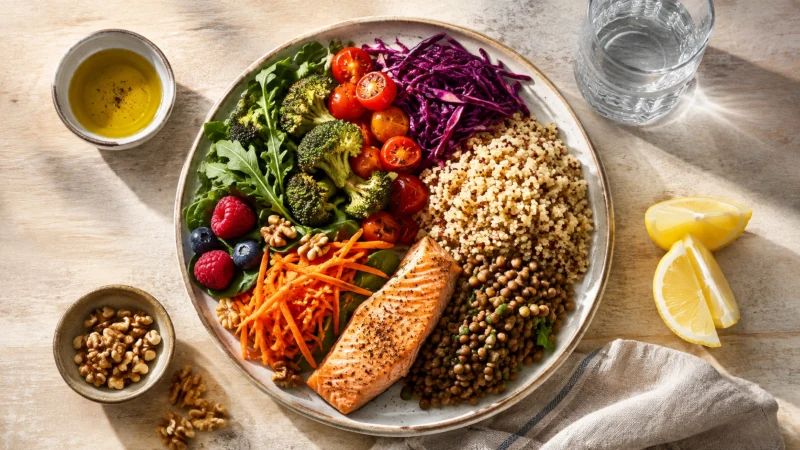
A cancer-preventing diet isn’t one miracle food or a punishing elimination plan. It’s a steady, mostly-plant pattern — whole grains, vegetables, fruit, beans, nuts, and healthy fats — with not much processed meat, alcohol, or ultra-processed food. That’s the whole idea in one sentence. Everything below is detail.
Here’s the honest part most food articles skip: what you eat is one lever, and it’s a real one, but it isn’t the only one. Cancer risk is shaped by age, genetics, infections, tobacco, radiation, and the environment too. Still, public health agencies estimate that a large share of cancers are preventable through the risk factors we can change — the World Health Organization currently puts it around 38% (WHO cancer fact sheet, 2026), and the World Cancer Research Fund around 40% (WCRF/AICR Cancer Prevention Recommendations, 2024). Diet, weight, and activity sit near the center of that.
So this guide does two things. It tells you what a cancer-preventing diet actually looks like on a plate, and it grades each claim by how strong the evidence really is — because “linked to cancer” can mean anything from proven to someone once saw a pattern in mice. The recommendations here follow the WCRF/AICR, the WHO, the International Agency for Research on Cancer (IARC), and the American Cancer Society.
The eating pattern with the strongest evidence
Before the food-by-food detail, this is the core. These points come from the WCRF/AICR Cancer Prevention Recommendations, the output of the largest continuing review of diet, weight, activity, and cancer (WCRF/AICR Cancer Prevention Recommendations, 2024).
- Stay a healthy weight. Carrying excess body fat is linked to at least 13 cancers, so keeping your weight in a healthy range — and avoiding steady weight gain through adult life — matters more than almost any single food swap (NCI Obesity and Cancer, 2022).
- Move most days. Aim for 150–300 minutes of moderate activity (or 75–150 minutes of vigorous activity) a week, plus muscle-strengthening twice a week.
- Make plants the base of your meals. Build meals around whole grains, vegetables, fruit, and beans. A practical target is at least 30 grams of fiber and at least five servings (about 400 grams) of vegetables and fruit a day.
- Go easy on fast food and ultra-processed food. These are engineered around refined starch, sugar, and fat, and they drive weight gain.
- Limit red meat, and eat little or no processed meat. Keep red meat to roughly 350–500 grams cooked per week (about three modest servings) and treat bacon, ham, and hot dogs as occasional at most.
- Cut sugary drinks. Water, unsweetened coffee or tea, or plain milk do the same job without the calories.
- For cancer risk, less alcohol is better and none is best.
- Don’t count on supplements to prevent cancer. Meet your needs with food. A few high-dose single-nutrient pills have actually raised cancer risk in large trials.
- If you’re a new mother, breastfeed if you can — it lowers the mother’s breast cancer risk and benefits the baby.
- After a cancer diagnosis, the same pattern applies — but always alongside your care team’s advice.
Two non-food habits outrank everything on that list: don’t smoke, and protect your skin from excess sun. If you smoke, quitting is the single biggest thing you can do for your cancer risk, and our guide on how to stop smoking lays out a practical plan and the free 1-800-QUIT-NOW support line.
What the evidence actually shows: foods and cancer risk
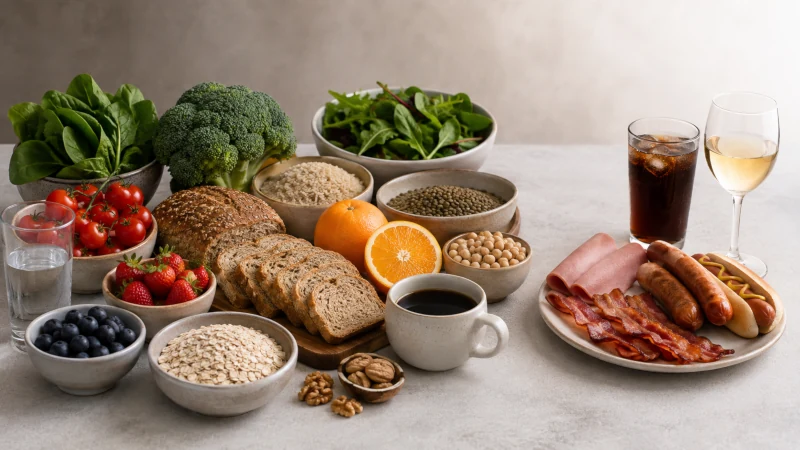
The table below grades each food-and-cancer link the way expert reviews do. “Convincing” is the top grade — strong enough to act on. “Probable” is the next tier. Weaker grades (“limited/suggestive”) are left off here so shaky claims don’t sit next to solid ones.
| Food or factor | Effect | Strength of evidence | Most linked cancers |
| Processed meat (bacon, ham, sausage, hot dogs) | Increases | Convincing (IARC Group 1) | Colorectal |
| Red meat (beef, pork, lamb) | Increases (>~500 g/wk cooked) | Probable (IARC Group 2A) | Colorectal |
| Alcoholic drinks | Increases | Convincing (IARC Group 1) | Mouth, throat, esophagus, breast, liver, colorectal |
| Excess body fat | Increases | Convincing | At least 13, incl. post-menopausal breast, colorectal, endometrial, kidney |
| Very hot drinks (≥65°C / 149°F) | Increases | Probable (IARC Group 2A) | Esophagus |
| Whole grains | Decreases | Convincing | Colorectal |
| Foods with dietary fiber | Decreases | Convincing | Colorectal |
| Vegetables and fruit | Decreases | Probable | Mouth, throat, esophagus, stomach, lung |
| Physical activity | Decreases | Convincing / Probable | Colon, post-menopausal breast, endometrial |
| Dairy / calcium (moderate) | Decreases | Probable | Colorectal |
| Coffee | Decreases | Probable | Liver, endometrial |
Grades reflect the WCRF/AICR Continuous Update Project and IARC classifications. This is a simplified summary; the WCRF publishes full reports by cancer site.
Foods to build meals around
Whole grains and high-fiber foods
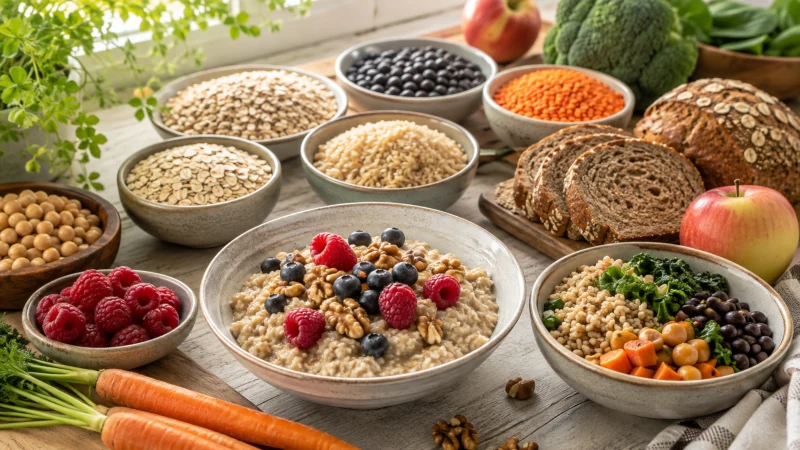
This is the strongest “eat more” signal in the whole field. Whole grains and dietary fiber convincingly lower colorectal cancer risk, and the dose-response is clean: roughly each additional 10 grams of fiber a day is associated with about a 10% lower risk of colorectal cancer in pooled data (Aune et al., BMJ, 2011). Easy sources: oats, barley, brown rice, whole-wheat bread and pasta, popcorn, beans, lentils, and chickpeas.
Vegetables and fruit
Vegetables and fruit are probably protective against several cancers of the mouth, throat, esophagus, stomach, and lung. Aim for variety and color: dark leafy greens, cruciferous vegetables (broccoli, cabbage, kale, Brussels sprouts), tomatoes, citrus, berries, and orange vegetables like carrots and squash. Frozen counts. Juice mostly doesn’t — it strips the fiber and concentrates the sugar, so it doesn’t earn a full “serving.”
Beans, nuts, and seeds
Beans, lentils, chickpeas, soy foods, and peas bring fiber, plant protein, and minerals; nuts and seeds add healthy fats and vitamin E. Soy is worth a specific note because of an old worry: the fear that soy’s plant estrogens raise breast cancer risk hasn’t held up in human studies. Soy foods — tofu, tempeh, soymilk, edamame — are safe and, if anything, look neutral to modestly protective.
Healthy fats and a Mediterranean-style pattern
A Mediterranean-style way of eating — olive oil, nuts, and fish as the fat sources — tracks with lower rates of several cancers and better survival after a diagnosis. In a secondary analysis of the Spanish PREDIMED trial, women assigned to a Mediterranean diet supplemented with extra-virgin olive oil had a lower rate of invasive breast cancer than women on a lower-fat control diet (Toledo et al., JAMA Internal Medicine, 2015).
Worth knowing about the strength of that finding: it comes from one trial, in older women who were already at high cardiovascular risk, with a relatively small number of breast cancer cases, and the trial’s data later required published corrections. So it’s encouraging and consistent with the broader pattern — not proof that olive oil prevents breast cancer.
Coffee and tea, unsweetened
Good news for coffee drinkers. After reviewing more than 1,000 studies, IARC found no convincing evidence that coffee causes cancer and moved it off its “possibly carcinogenic” list; the same review noted reduced risks of liver and endometrial (uterine) cancer among coffee drinkers (IARC coffee and very hot beverages, 2016). Green and black tea are fine and may help modestly. The catch is what you put in it — skip the added sugar, and let it cool (more on that below).
Tomatoes and lycopene (a “maybe”)
Cooked tomato products — sauce, paste — deliver lycopene, which has been studied for a possible protective effect against prostate cancer. Be honest about where this stands: the evidence is genuinely mixed. One large meta-analysis found higher total tomato intake associated with lower prostate cancer risk, while others found no significant link, and the overall grade sits at “limited/suggestive” (Rowles et al., Prostate Cancer and Prostatic Diseases, 2018). Translation: enjoy tomatoes as part of a Mediterranean pattern, but don’t reach for lycopene pills expecting protection.
Foods and drinks to limit or skip
Processed meat
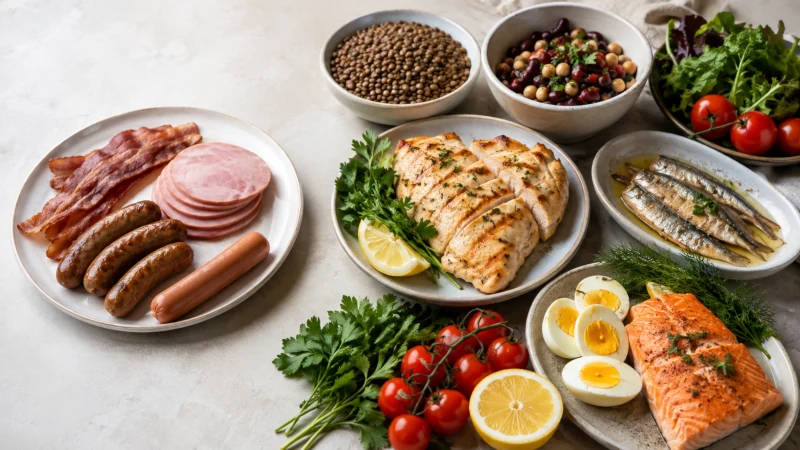
Processed meat — bacon, ham, sausages, hot dogs, cured deli meats — is classified by IARC as a Group 1 carcinogen, the same evidence category (not the same magnitude of risk) as tobacco. That classification means there’s sufficient evidence it causes colorectal cancer in people (IARC red and processed meat, 2015). The often-quoted figure: each 50-gram daily portion (about two slices of ham or one hot dog) is associated with roughly an 18% higher relative risk of colorectal cancer. In absolute terms that shifts an average lifetime risk from about 5% to about 6% — small per person, meaningful across a population. The practical rule is “little or none,” especially if you already eat red meat.
Red meat
Red meat — beef, pork, lamb, goat — is Group 2A, “probably carcinogenic,” mainly for colorectal cancer (WCRF meat and cancer, 2024). You don’t have to give it up. Keeping cooked red meat under about 350–500 grams a week, and swapping some of it for fish, poultry, beans, or lentils, is what the evidence supports.
Alcohol
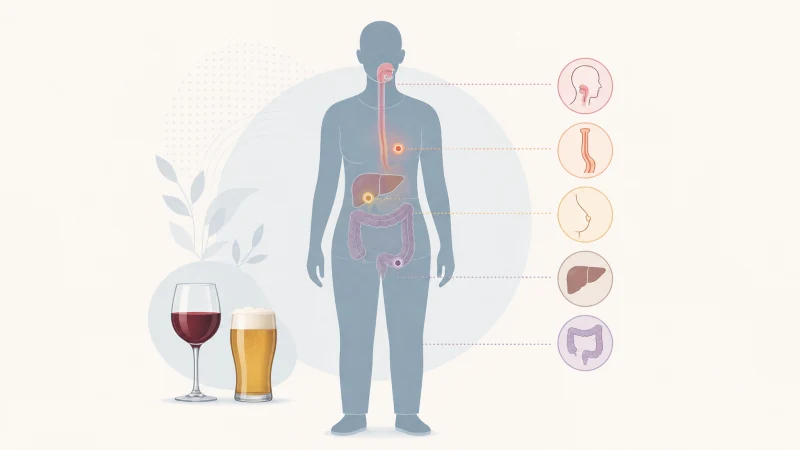
This is the one people are most surprised by. Alcohol is causally linked to at least seven cancers: mouth, pharynx, larynx, esophagus, liver, colorectal, and female breast (NCI Alcohol and Cancer, 2024; WCRF alcohol and cancer, 2024). Risk climbs with the amount you drink, but for breast cancer it starts rising at low intakes — around one drink a day. For cancer risk specifically, no “safe” threshold has been established, so less is better and none is best. Plenty of people weigh that against other reasons they drink; if you’re trying to balance it against your own risk profile, that’s a good conversation to have with your doctor.
Sugary drinks and ultra-processed foods
Sugary drinks don’t have a direct “sugar feeds tumors” effect. The problem is weight: they promote weight gain, and excess body fat is itself a cause of at least 13 cancers (NCI Obesity and Cancer, 2022). Ultra-processed foods have been linked in large European cohorts to modestly higher cancer risk — likely through the combined effect of weight gain, additives, and crowding nutrient-dense foods off the plate. The WHO recommends keeping added (“free”) sugars under 10% of daily calories (WHO sugars guideline, 2015).
Very hot drinks
Drinking beverages hotter than about 65°C (149°F) is classified by IARC as probably carcinogenic to the esophagus — and the culprit is the heat, not the drink (IARC coffee and very hot beverages, 2016). This mostly matters for tea, coffee, or maté drunk scalding. The fix is easy: let it cool for a few minutes.
Salt-preserved and heavily smoked foods
A diet heavy in salt-preserved foods — salt-cured fish, some pickled vegetables — is linked to stomach cancer in populations that eat a lot of them. Occasional use isn’t the issue; making them a daily staple is.
Diet and specific cancers
There isn’t a separate diet for each organ. The same protective pattern does most of the work. Here’s where the emphasis shifts.
- Colorectal. The cancer most influenced by diet. Protective: whole grains, fiber, moderate dairy/calcium, activity. Harmful: processed meat, high red meat intake, alcohol, excess weight. It’s also where screening matters most — colonoscopy or stool-based tests, starting at age 45 for average-risk adults.
- Breast. Protective: physical activity, breastfeeding, a Mediterranean-style pattern. Harmful: alcohol (even small amounts) and excess body fat after menopause. Soy is safe. Dairy and saturated fat aren’t clearly linked.
- Prostate. Probable protective factors: tomato products and a plant-forward pattern. Very high dairy and calcium intake (above roughly 1,500 mg a day) has been tied to higher risk in some studies, so aim for moderate. Beta-carotene supplements aren’t recommended.
- Stomach. Protective: fruit and vegetables. Harmful: very high salt intake and salt-preserved foods. Helicobacter pylori infection is a major driver — and it’s treatable. Smoking is the biggest non-dietary factor.
- Liver. Protective: coffee, fish, a Mediterranean pattern. Harmful: alcohol, aflatoxin-contaminated foods (moldy peanuts, poorly stored grains), hepatitis B and C (preventable or treatable), and fatty liver tied to obesity.
- Lung. Smoking dwarfs everything else here; diet is secondary. Fruit and vegetables are probably protective — but beta-carotene supplements raised lung cancer risk in smokers in two large trials and should be avoided.
- Mouth, throat, and esophagus. Alcohol and tobacco (especially together) dominate. Vegetables, fruit, and skipping scalding-hot drinks are the protective moves.
A realistic day of eating
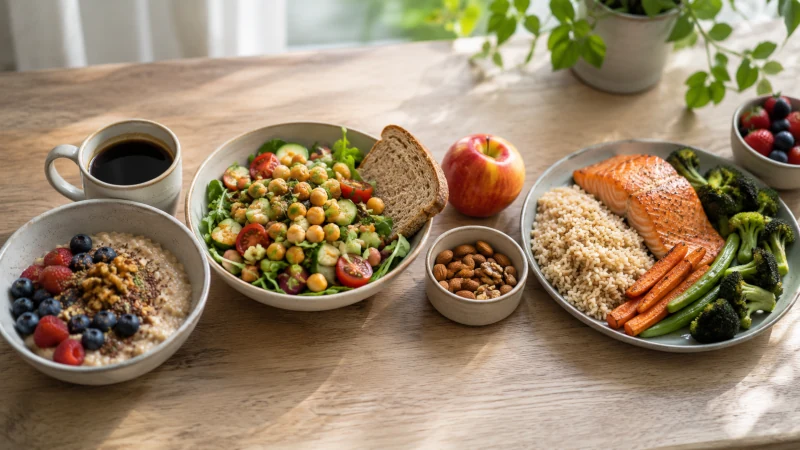
This isn’t a rigid meal plan — it’s what the pattern looks like when it’s just, well, dinner.
- Breakfast: Oatmeal with berries, walnuts, and ground flax; plain yogurt or soymilk; unsweetened coffee.
- Lunch: A big salad with leafy greens, chickpeas or lentils, cherry tomatoes, olive oil and lemon, plus whole-grain bread. Add grilled chicken or canned sardines if you like.
- Snack: An apple or orange and a small handful of unsalted nuts.
- Dinner: Baked salmon or a bean-and-vegetable stew, brown rice or whole-wheat pasta, and a generous portion of roasted or steamed vegetables.
- Evening: Fresh fruit, a square of dark chocolate, herbal tea.
That lines up with the Harvard Healthy Eating Plate and WCRF guidance: half the plate vegetables and fruit, a quarter whole grains, a quarter protein leaning plant-forward, healthy fats, and water (Harvard Healthy Eating Plate, 2023). It’s also consistent with the Mediterranean and DASH patterns — you don’t have to choose between them. If you want more on how everyday foods fit together, our overview of how foods affect health and the wider cancer and prevention section go further.
What about supplements?
The short version from large trials: for cancer prevention, food beats pills. Several big single-nutrient trials came back negative, and a few showed harm (NCI Diet and Cancer Risk, 2024):
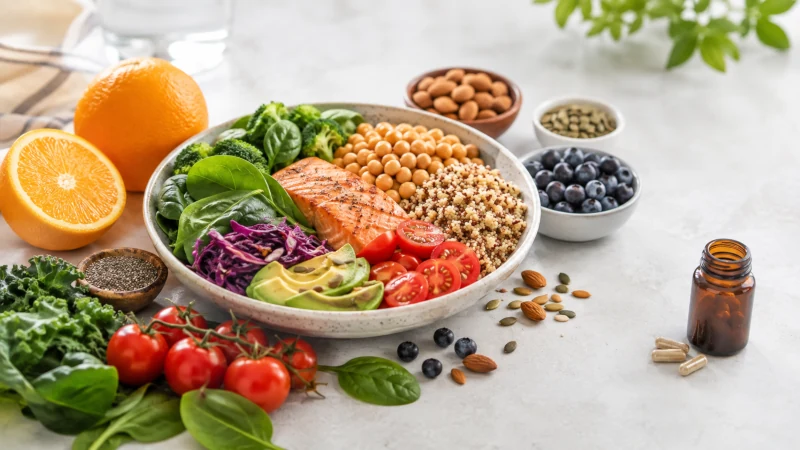
- Beta-carotene raised lung cancer risk in smokers in the ATBC and CARET trials. Don’t use it.
- High-dose vitamin E didn’t prevent cancer and was tied to higher prostate cancer risk in the SELECT trial.
- Selenium didn’t prevent prostate cancer in SELECT.
- Vitamin D hasn’t clearly prevented cancer in the large VITAL trial, though it may help other aspects of health.
Supplements do have a place — correcting a diagnosed deficiency or meeting a specific need (B12 on a vegan diet, folate in pregnancy, vitamin D with low sun exposure). Those are decisions to make with a doctor, pharmacist, or registered dietitian, not defaults to reach for off a shelf.
Who should take a tailored approach
The advice above is general adult guidance. Some people need something more individualized:
- People in active cancer treatment. Needs during chemotherapy, radiation, or surgery are different — often more calories and protein, not less. Work with an oncology dietitian.
- Pregnancy and breastfeeding. Follow prenatal guidance, limit certain fish for mercury, and avoid alcohol. Our guide to the best foods for pregnant women has more.
- People with kidney disease. Protein, potassium, and phosphorus may need to be individualized — check before loading up on legumes or leafy greens.
- People on warfarin. Keep vitamin K intake from greens consistent rather than cutting it out.
- Children. These are adult guidelines. Kids need more fat and calcium for growth and shouldn’t cut food groups without pediatric advice.
- Older adults with low appetite or muscle loss. Getting enough protein and calories matters more than restriction here.
When diet is not enough
A cancer-preventing diet is one part of lowering your risk. It does not replace the two things with the strongest evidence for catching cancer early and surviving it: screening and prompt evaluation of symptoms.
See a doctor without delay for any unexplained lump, unusual bleeding, a persistent cough, unintended weight loss, new belly pain, blood in your stool or urine, trouble swallowing, or a mole that changes size, shape, or color. And stay current on age-appropriate screening — that’s how the most treatable cancers get found. No diet substitutes for it.
| Health Disclaimer This article is for general educational purposes and does not replace advice from a qualified doctor or registered dietitian. No food, eating pattern, or supplement can guarantee that a person won’t develop cancer, and no dietary change can replace medical treatment once cancer is diagnosed. If you have a current or past cancer diagnosis, are pregnant or breastfeeding, take prescription medication, or have a chronic condition, talk with your doctor or a registered dietitian before making major changes to how you eat. Recommended cancer screenings remain the most important tool for early detection — diet is complementary, not a replacement. |
Frequently Asked Questions
Do I have to go vegan to prevent cancer?
No. A plant-forward pattern has the strongest evidence, but that can be fully vegan, vegetarian, or a Mediterranean-style omnivorous diet with fish, poultry, and small amounts of lean red meat. What matters is the overall pattern: lots of plants, little processed meat, limited alcohol.
Does sugar “feed” cancer?
All your cells use glucose, cancer cells included — but eating sugar doesn’t directly feed tumors, and cutting all carbohydrates isn’t a proven prevention strategy. The real issue is that high sugar intake drives weight gain, and excess body fat raises the risk of many cancers. Limit added sugar and sugary drinks; you don’t need to fear fruit or whole grains.
Are there “superfoods” that prevent cancer?
No single food prevents cancer. Broccoli, berries, green tea, turmeric, and garlic contain compounds studied in the lab, but human evidence for any one food as a prevention tool is weak. They earn their place as part of the pattern, not as a substitute for it.
Is any amount of alcohol safe for cancer risk?
From a cancer standpoint, no safe level has been established — risk starts to rise from low intake, especially for breast cancer (NCI Alcohol and Cancer, 2024). Many people still choose to drink moderately for other reasons; that’s a personal decision worth discussing with your doctor, particularly if you have other risk factors.
Can a cancer-preventing diet reverse an existing cancer?
No. Diet is not a treatment for established cancer. After a diagnosis, good nutrition supports strength, recovery, and quality of life alongside medical treatment — never instead of it. Anyone promising that a specific food or diet will “cure” cancer is not being truthful.
How much fiber should I actually aim for?
About 30 grams a day is a reasonable target, and most US adults fall well short. Building meals around whole grains, beans, vegetables, and fruit gets you there without counting — and it’s the single best-supported “eat more” move for lowering colorectal cancer risk (Aune et al., BMJ, 2011).
References
- World Cancer Research Fund / AICR (2024). Our Cancer Prevention Recommendations. → View source
- World Health Organization (2026). Cancer — Fact Sheet. → View source
- IARC (2015). IARC Monographs evaluate consumption of red meat and processed meat (Press release N° 240). → View source
- IARC (2016). IARC Monographs evaluate drinking coffee, maté, and very hot beverages (Press release N° 244). → View source
- National Cancer Institute (2024). Alcohol and Cancer Risk. → View source
- National Cancer Institute (2022). Obesity and Cancer. → View source
- National Cancer Institute (2024). Diet and Cancer Risk. → View source
- World Health Organization (2015). Guideline: Sugars intake for adults and children. → View source
- American Cancer Society (2020). Guideline for Diet and Physical Activity for Cancer Prevention. → View source
- Harvard T.H. Chan School of Public Health (2023). Healthy Eating Plate. → View source
- Aune D, et al. (2011). Dietary fibre, whole grains, and risk of colorectal cancer. BMJ 343:d6617. PMID 22074852. → View source
- Toledo E, et al. (2015). Mediterranean Diet and Invasive Breast Cancer Risk in the PREDIMED Trial. JAMA Intern Med 175(11):1752–1760. PMID 26365989. → View source
- Rowles JL 3rd, et al. (2018). Processed and raw tomato consumption and risk of prostate cancer. Prostate Cancer Prostatic Dis 21(3):319–336. PMID 29317772. → View source
- World Cancer Research Fund (2024). Meat and cancer. → View source
- World Cancer Research Fund (2024). Alcohol and cancer. → View source
