
Ever feel inexplicably tired, sluggish, or like your brain is stuck in mud? These could be signs of a hidden nutritional deficiency: selenium deficiency. Selenium, a trace mineral superstar, is critical in many bodily functions, from keeping your thyroid happy to bolstering your immune system. While rare in developed countries, selenium deficiency can have significant health consequences if left unchecked.

But what exactly is selenium, and why is it essential for your health? Think of it as your body’s protector, silently working in the background to defend your cells, regulate your metabolism, and keep your immune system fighting fit. Without adequate selenium, your body struggles to execute these vital functions, which can cause a range of symptoms from fatigue and hair loss to weakened immunity and even cognitive decline. While getting enough selenium from a balanced diet is usually sufficient, certain medical conditions, geographical locations, and dietary restrictions can put you at risk of deficiency.
This article will dissect the symptoms, causes, diagnosis, and treatment options of selenium deficiency. We’ll also answer common questions about selenium, discuss its role in specific health concerns, and provide tips on ensuring you get this vital mineral through your diet or supplements.
Unveiling Selenium Deficiency: Signs, Symptoms, and Culprits
Selenium deficiency isn’t always a blaring alarm; sometimes, it’s a subtle whisper. Understanding the potential signs and knowing what puts you at risk is the first step toward addressing this silent threat. While selenium deficiency can manifest in many ways, some common signs may initially seem unrelated.
Fatigue that doesn’t seem to lift, persistent muscle weakness, and unexplained hair loss could all indicate that your body lacks this vital mineral. Your immune system might also weaken, making you more susceptible to colds and infections and slower healing.
Mood swings, anxiety, and even brain fog can also creep in due to selenium’s role in cognitive function and mood regulation. In extreme cases, selenium deficiency can result in serious conditions like Keshan disease (a heart condition) and Kashin-Beck disease (a joint disorder), primarily seen in regions with selenium-deficient soils.
Unmasking the Culprits: Causes and Risk Factors
Selenium deficiency rarely happens overnight; it’s often a gradual process with various contributing factors. The most common culprit is a diet lacking in selenium-rich foods. Suppose your meals regularly skip Brazil nuts, seafood (like tuna and halibut), meat, or whole grains. In that case, you might need more of this essential mineral.
Certain medical conditions can also hinder your body’s absorption or utilization of selenium. Kidney disease, digestive disorders like Crohn’s disease, ulcerative colitis, and even HIV can increase your risk of deficiency. Your locally grown produce might not provide adequate amounts if you live in a region with selenium-deficient soil.
Medications can sometimes inhibit selenium absorption, so it’s important to discuss any likely interactions with your doctor. As we age, our bodies naturally become less efficient at absorbing nutrients, making older adults more susceptible to selenium deficiency.
The Telltale Test: Measuring Selenium Levels
When you visit your doctor concerning selenium deficiency, they will likely advise a blood test to measure your levels. This test analyzes your blood for the amount of selenium present and compares it to the normal range. It’s a painless and efficient way to clearly understand your selenium status.
However, blood tests alone may not provide the full story. Your doctor will also regard your medical history, symptoms, dietary habits, and any medications you’re taking to make an accurate diagnosis. Selenium levels can fluctuate, so a single test may only sometimes be definitive. Suppose your doctor suspects you might have Keshan disease or Kashin-Beck disease (both associated with severe selenium deficiency). In that case, they might recommend additional tests to assess your heart or joint health.
Seeking Professional Guidance: Consulting Your Doctor
While self-diagnosing based on symptoms might be tempting, consulting a doctor is crucial. They can interpret your blood test results regarding your overall health and rule out any other probable causes of your symptoms. Furthermore, they can instruct you on the appropriate course of action, whether it involves dietary changes, selenium supplementation, or addressing any underlying medical conditions contributing to your deficiency.
Remember, earlier diagnosis and intervention are pivotal to preventing the long-term consequences of selenium deficiency. If you experience any of the symptoms mentioned earlier or suspect you might be at risk, don’t hesitate to contact your healthcare provider. They can help you uncover the truth about your levels.
Nourishing Your Body: Dietary Changes for Selenium Replenishment
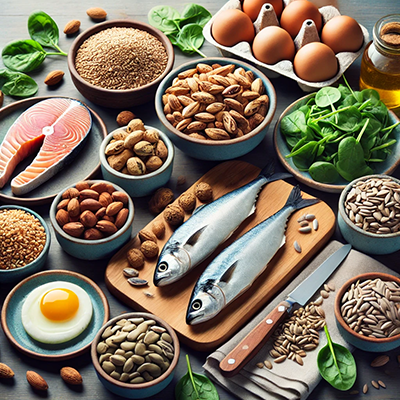
The most natural and sustainable way to address selenium deficiency is through diet. Load your plate with selenium-rich foods, and you’ll be well on your way to restoring optimal levels. Brazil nuts reign supreme as the selenium champions, with just one nut providing more than your daily requirement.
Seafood lovers rejoice! Tuna, halibut, and shrimp are excellent sources of selenium. Incorporate them into your meals a few times weekly to boost your body’s selenium. Meat-eaters can also benefit from beef, chicken, and turkey, which offer a moderate amount of this essential mineral. For vegetarians and vegans, options like brown rice, eggs, sunflower seeds, and mushrooms can increase your intake. If you live in a region with deficient soil, consider importing or purchasing foods from other areas to ensure you’re getting enough of this vital mineral.
Supplementing with Care: Additional Support
Sometimes, dietary changes alone may not be enough to correct a significant selenium deficiency. If your doctor recommends it, selenium supplements can provide additional support. These supplements typically come in the form of selenomethionine or sodium selenite, and your doctor will advise you on the suitable dosage based on your individual needs.
Remember, supplements should never supersede a healthy diet. Always talk to a healthcare professional prior to initiating any new supplement, as excessive selenium intake can lead to toxicity. While selenium is essential for health, too much can be harmful. High doses of selenium supplements can cause nausea, vomiting, nail changes, and even nerve damage. They can also help you determine the best type of selenium supplement and dosage based on your circumstances.
Addressing Underlying Issues: Treating Contributing Factors
Sometimes, selenium deficiency is a symptom of an underlying medical condition. If your doctor identifies a contributing factor, such as kidney disease or a digestive disorder, treating that condition becomes crucial for improving selenium absorption and utilization.
For example, your doctor might recommend specific dietary modifications or medications to manage inflammation and enhance nutrient absorption if you have Crohn’s disease. In some cases, intravenous selenium may be necessary for individuals with severe malabsorption issues. Remember, treating the root cause of your selenium deficiency is essential.
The Thyroid Connection: Selenium and Hormone Production
Your thyroid gland, a butterfly-shaped organ in your neck, relies on selenium for the production of thyroid hormones. These hormones regulate metabolism, energy levels, body temperature, and mood. Selenium deficiency can disrupt this delicate balance, potentially contributing to thyroid disorders like Hashimoto’s thyroiditis (an autoimmune condition) and Graves’ disease (an overactive thyroid).
Ongoing research has shown that adequate selenium levels are essential for maintaining healthy thyroid function. Some evidence suggests that selenium supplementation may benefit individuals with certain thyroid conditions. Still, more research is needed to confirm these findings. If you have concerns about your thyroid health, talk to your doctor about the likely role of selenium and whether supplementation might be appropriate.
Bolstering Your Defenses: Selenium and Immune Health
Your immune system, an intricate network of cells, tissues, and organs, tirelessly defends your body against harmful pathogens. Selenium plays a crucial role in this defense system, influencing innate and adaptive immunity. It helps activate immune cells, enhances antibody production, and protects against oxidative deterioration caused by free radicals.
When your selenium levels are low, your immune response may weaken, leaving you more vulnerable to infections and illnesses. Selenium supplementation may boost immune function in individuals with deficiency, potentially reducing the severity and duration of infections. However, maintaining adequate selenium levels through a balanced diet is the best way to support your immune system’s natural defenses.
The Cancer Conundrum: Exploring Selenium’s Potential Role
Extensive research has examined the link between selenium and cancer with mixed results. Some studies suggest that adequate selenium intake may reduce the risk of certain cancers, notably prostate cancer. Selenium’s antioxidant properties and function in DNA repair contribute to its potential cancer-protective effects.
However, other studies have not found a significant association between selenium and cancer prevention. Furthermore, excessive selenium intake (selenium toxicity) has been linked to an augmented risk of certain cancers. The complex relationship between selenium and cancer requires further investigation. While maintaining adequate selenium levels through a healthy diet is generally recommended, relying on selenium supplements for cancer prevention is not advisable without consulting your doctor.
Cognitive Clarity: The Potential Impact of Selenium on Brain Health

While the brain might not be the first organ you associate with selenium, this mineral may influence cognitive function and mental well-being. Selenium’s antioxidant properties protect brain cells from oxidative stress, which is involved in cognitive decline and neurodegenerative diseases like Alzheimer’s.
Emerging research suggests that adequate selenium levels may be associated with better cognitive function and a diminished risk of cognitive impairment. However, more studies are needed to fully understand the complex relationship between selenium and brain health. If you’re concerned about mental decline, talk to your doctor about the potential benefits of maintaining optimal selenium levels through diet and supplementation.
Taking Charge of Your Selenium Health: A Concluding Note Remember, selenium is not a magic bullet but a paramount nutrient that is vital to your overall health and well-being. By understanding its importance, recognizing the signs of deficiency, and taking proactive steps to maintain adequate levels, you empower yourself to live a healthier, more vibrant life. Don’t let selenium deficiency hold you back – take the necessary steps today to nourish your body and unlock your full potential.
Health Disclaimer: The information on this website is for educational uses only and is not a substitute for professional medical advice. Always consult an authorized healthcare provider for any health concerns before using any herbal or natural remedy. We do not establish, treat, cure, or prevent any disease. Reliance on any material from this website is solely at your own risk. We are not responsible for any adverse effects resulting from the use of information or products mentioned on this website.
References
- Schiavon, L., et al. (2016). Selenium and Selenoproteins in Chronic Kidney Disease. Nutrients, 8(4), 211. https://www.ncbi.nlm.nih.gov/pmc/articles/PMC4848676
- Rayman, M. P. (2012). Selenium and human health. The Lancet, 379(9822), 1256-1268. https://www.thelancet.com/journals/lancet/article/PIIS0140-6736(11)61452-9/fulltext
- Köhrle, J., & Gärtner, R. (2009). Selenium and thyroid. Best Practice & Research Clinical Endocrinology & Metabolism, 23(6), 815-827.
- McKenzie, R. C., Arthur, J. R., & Beckett, G. J. (2002). Selenium and the regulation of cell signaling, growth, and survival: a review. Biological Trace Element Research, 89(3), 221-235.
- Gärtner, R., Gasnier, B. C., Dietrich, J. W., Krebs, B., & Köhrle, J. (2002). Selenium supplementation in patients with autoimmune thyroiditis decreases thyroid peroxidase antibodies concentrations. Journal of Clinical Endocrinology & Metabolism, 87(4), 1687-1691.
- Lyons, G. H., Stangoulis, J. C., & Graham, R. D. (2004). Biofortification of wheat with selenium. Journal of Agricultural and Food Chemistry, 52(17), 5312-5316.
- Kieliszek, M., & Błażejak, S. (2016). Selenium: significance, and outlook for supplementation. Nutrition, 32(2), 75-85.
- Institute of Medicine (US) Panel on Dietary Antioxidants and Related Compounds. (2000). Dietary reference intakes for vitamin C, vitamin E, selenium, and carotenoids. National Academies Press (US). https://www.ncbi.nlm.nih.gov/books/NBK225476
