Herbs for acne may help a little in mild cases, but they are not a cure and the evidence is limited. The plant-based options with the most support are topical tea tree oil, topical green tea extract, and aloe vera used as an add-on to standard treatment.
Many traditional acne herbs have little or no convincing human evidence, so they should be approached cautiously rather than marketed as proven fixes[NCCIH, 2025],[NCCIH, 2021],[Kim et al., 2021],[Cao et al., 2015].
If you have deep, painful acne, acne that is scarring, or breakouts that have not improved after a few months of careful self-care, it is time to see a dermatologist. Herbs are best thought of as optional adjuncts for mild acne, not replacements for evidence-based treatment[AAD, 2024a],[AAD, 2023a].
The short answer
- Most promising: topical tea tree oil, topical green tea extract, and aloe vera used alongside standard acne treatment.
- Unproven or weakly supported: evening primrose oil, burdock, pansy, onion juice, cabbage compresses, carrot poultices, and most other folk remedies.
- Not enough on their own: cystic acne, nodular acne, scarring acne, or acne linked to hormone disorders.
- Safest expectation: modest improvement is possible; complete clearing usually needs a broader acne plan.
| Acne Type | Whiteheads (Comedones) | Inflammatory Pimples (Papules/Pustules) | Cystic Acne (Nodules/Cysts) |
| Pore Type | Closed: Debris trapped just under the skin surface. | Partially Clogged: Inflammation occurs closer to the surface. | Deeply Blocked: The blockage forms deep within the hair follicle. |
| Appearance | Small, flesh-colored or white bumps. | Red, raised, and swollen. Pustules have a central pus point. | Large, red, and swollen. Often painful to the touch. |
| Location | Superficial (surface-level) of the epidermis. | Moderate depth; primarily in the upper dermis. | Deep Dermis/Subcutaneous Tissue. They form deep, solid lumps. |
| Scarring Risk | Very low, unless picked. | Low to moderate. | High. This type causes the most tissue damage, leading to scarring. |
Why herbs do not fix every cause of acne
Acne does not happen for just one reason. It involves clogged pores, extra oil production, inflammation, acne-associated bacteria, and often hormones. That is why a remedy that only sounds antibacterial may still do very little for the whole problem[AAD, 2024b],[AAD, 2024a].
That also helps explain why so many online claims about ‘detoxing acne’ or using one herb to balance everything fall short. Acne is usually managed best with a combination of gentle skin care, the right active ingredients, and patience. Readers looking for broader botanical background on the site can exploreour herbs for skin guide, but acne needs a more evidence-focused lens.
Which herbs for acne have the best evidence?
Tea tree oil
Tea tree oil is the botanical acne remedy with the best name recognition and some limited research behind it. NCCIH says small amounts of research suggest topical tea tree oil may help acne, but the evidence is still not strong enough to call it a proven replacement for standard treatment[NCCIH, 2025],[Cao et al., 2015].
- What it may help with: mild inflammatory pimples and overall redness.
- What it does not do well: deep cysts, hormonal acne, or rapid clearing.
- How to use it more safely: choose a properly formulated topical product instead of applying undiluted essential oil directly to your face.
- Main caution: tea tree oil should never be swallowed and can irritate skin or trigger allergic contact dermatitis[NCCIH, 2025].
Topical green tea extract
Green tea is one of the more promising plant-based options for acne in topical form. A 2021 systematic review and meta-analysis found that topical green tea extract reduced inflammatory acne lesions, while oral green tea had much less impact[Kim et al., 2021].
That does not mean drinking green tea will clear your skin. A better takeaway is that a topical green tea product may offer a modest benefit for mild acne, especially if your skin tolerates it well. If you want a food-first angle, carrots are a nutritious food, but there is no good evidence that eating carrots alone clears acne.
Aloe vera as an add-on
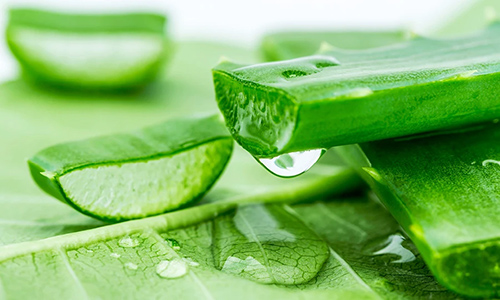
Aloe vera looks most useful as a supportive ingredient rather than a stand-alone acne treatment. In a small randomized trial, aloe vera gel used together with topical tretinoin improved acne lesions more than tretinoin alone and caused less redness[Hajheydari et al., 2014].
- Best use: a soothing add-on if a proven acne treatment is irritating your skin.
- Not supported: using aloe vera by itself as a cure for moderate or severe acne.
- Product tip: choose a fragrance-free topical product and skip oral aloe for acne.
Evidence at a glance
| Remedy | Evidence strength | What it may help | Main cautions |
| Tea tree oil | Limited but promising | Mild inflammatory acne in topical form | Can irritate skin; never swallow |
| Topical green tea extract | Limited to moderate | Modest reduction in inflammatory lesions | Topical data are better than oral data |
| Aloe vera | Limited | May reduce irritation and help as an add-on | Not enough as a stand-alone treatment |
| Barberry or berberine | Very early | Too little evidence for routine acne use | Oral supplement side effects and drug interactions |
| Evening primrose, burdock, pansy, onion, cabbage, carrot poultices | Unproven | No convincing acne-specific human evidence | DIY applications can irritate inflamed skin |
Herbs and supplements with weak or unproven acne evidence
Evening primrose oil, burdock, pansy, onion, cabbage, and carrot poultices
These remedies are often repeated in older herb lists, but high-quality acne evidence is missing. In the better evidence reviews, they do not emerge as well-supported acne treatments. That does not prove they have zero effect, but it does mean readers should not expect reliable acne results from them[Cao et al., 2015],[NCCIH, 2021].
This matters even more for homemade topicals. Harsh scrubs, frequent product switching, and face applications that sting or burn can worsen acne by irritating the skin barrier[AAD, 2024c]. If you are mainly interested in hormone-related acne patterns,this guide to herbs for women may be useful as broader site reading, but it should not replace acne-specific medical guidance.
Barberry or berberine
Barberry and berberine are worth mentioning because they occasionally appear in acne roundups. NCCIH notes a small study of barberry in acne, but that is far from enough to recommend it routinely. This is better viewed as early-stage evidence than something ready for broad self-treatment[NCCIH, 2021].
Safety is a bigger concern with oral berberine products. NCCIH warns that berberine can cause nausea, diarrhea, bloating, and constipation, may interact with medicines, and should not be used during pregnancy or breastfeeding[NCCIH, 2024].
What to do alongside herbs for acne
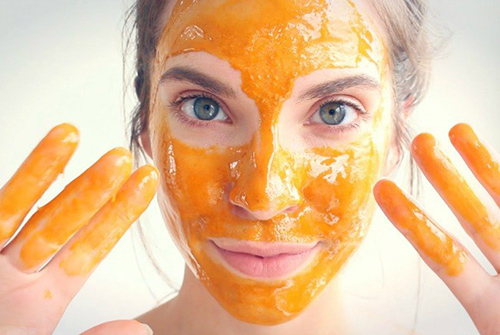
If you want to try a plant-based acne product, the smartest approach is to keep the rest of your routine simple and consistent. Dermatologists recommend gentle care, non-comedogenic products, and enough time for a treatment to work before deciding it has failed[AAD, 2023a],[AAD, 2024c].
- Wash gently up to twice a day and after sweating.
- Use non-comedogenic moisturizer and sunscreen.
- Patch-test any new botanical product before using it on the whole face.
- Add only one new treatment at a time so you can tell what helps or irritates.
- Give a product about 6 to 8 weeks before judging it, unless it causes burning, swelling, or rash[AAD, 2024c].
It is also worth being honest about what works best for many people with mild acne: standard over-the-counter ingredients such as adapalene, benzoyl peroxide, azelaic acid, and salicylic acid still have much stronger support than most herbal options[AAD, 2023a].
Safety, side effects, and who should avoid herbal acne remedies
Natural does not automatically mean gentle. Essential oils, plant extracts, and oral supplements can all cause side effects or interact with medicines.
Common side effects
- Redness, burning, stinging, dryness, or peeling, especially with essential oils or when layered with acne medication.
- Allergic rash or contact dermatitis, especially with tea tree oil[NCCIH, 2025].
- Stomach upset with oral supplements such as berberine[NCCIH, 2024].
Medication interactions and pregnancy cautions
- Tea tree oil is for topical use only and should never be swallowed[NCCIH, 2025].
- Berberine can interact with medicines and is not appropriate during pregnancy or breastfeeding[NCCIH, 2024].
- If you are pregnant or trying to become pregnant, talk with your obstetric clinician or dermatologist before treating acne on your own[AAD, 2025].
Who should avoid self-treating with herbs alone
- Anyone with painful nodules, cysts, or acne that is already scarring.
- Anyone with sudden severe adult acne or signs of a hormone disorder, such as irregular periods or new excess facial hair[AAD, 2024b].
- People who are pregnant, breastfeeding, taking prescription medicines, or managing another medical condition.
When to talk to a healthcare professional
- Your acne is deep, painful, widespread, or leaving scars.
- You have used self-care or over-the-counter treatment for 8 to 12 weeks without enough improvement[AAD, 2023a].
- You think your acne may be hormone-related or medication-related[AAD, 2024b].
- You are pregnant or planning pregnancy and want acne treatment advice[AAD, 2025].
Seek urgent care if you develop facial swelling, blistering, trouble breathing, severe pain, or rapidly spreading redness after applying a product. Those symptoms are not typical mild acne and may signal a serious reaction.
Health Disclaimer:This article is for educational purposes only and is not a substitute for medical advice, diagnosis, or treatment. Acne can have different causes, and not every breakout is acne. Herbs, supplements, and natural skin products can irritate skin or interact with medicines. If you are pregnant, breastfeeding, have an ongoing medical condition, or have moderate to severe acne, speak with a qualified healthcare professional before starting a new treatment.
Frequently Asked Questions
Can tea tree oil replace benzoyl peroxide or adapalene?
Usually no. Tea tree oil may help mild inflammatory acne, but the evidence is much weaker than it is for standard acne treatments. It is better viewed as an optional add-on than a one-for-one replacement[NCCIH, 2025],[AAD, 2023a].
Are herbs better for hormonal acne?
Not based on current evidence. Hormonal acne often needs a tailored plan, and adult acne can sometimes point to an underlying issue. If your breakouts cluster around the jawline or come with cycle changes, it is worth getting evaluated[AAD, 2024b].
Is aloe vera enough for cystic acne?
No. Aloe vera may soothe irritation and may help as an adjunct to a proven acne medicine, but it is not enough for cystic or scarring acne[Hajheydari et al., 2014],[AAD, 2024a].
How long should I try a botanical acne product before giving up?
If your skin tolerates it, give it about 6 to 8 weeks before deciding it is not helping. Stop sooner if you develop burning, swelling, or a rash[AAD, 2024c].
Are herbs for acne safe during pregnancy?
Not automatically. Pregnancy changes what is safe to use for acne, and even over-the-counter products may need review. Ask your obstetric clinician or dermatologist before treating acne on your own[AAD, 2025].
References
- American Academy of Dermatology. Acne: Diagnosis and treatment.→ View source
- American Academy of Dermatology. Adult acne: Why it happens and what you can do for it.→ View source
- American Academy of Dermatology. Adult acne treatment dermatologists recommend.→ View source
- American Academy of Dermatology. 10 skin care habits that can worsen acne.→ View source
- American Academy of Dermatology. Is any acne treatment safe to use during pregnancy?→ View source
- National Center for Complementary and Integrative Health. Tea Tree Oil: Usefulness and Safety.→ View source
- National Center for Complementary and Integrative Health. Skin Conditions and Complementary Health Approaches.→ View source
- National Center for Complementary and Integrative Health. Diabetes and Dietary Supplements: What You Need To Know.→ View source
- Cao H, Yang G, Wang Y, Liu JP. Complementary therapies for acne vulgaris. Cochrane Database of Systematic Reviews. 2015;(1):CD009436.→ View source
- Kim S, Park TH, Kim WI, Park S, Kim JH, Cho MK. The effects of green tea on acne vulgaris: A systematic review and meta-analysis of randomized clinical trials. Phytotherapy Research. 2021;35(1):374-383.→ View source
- Hajheydari Z, Saeedi M, Morteza-Semnani K, Soltani A. Effect of Aloe vera topical gel combined with tretinoin in treatment of mild and moderate acne vulgaris: a randomized, double-blind, prospective trial. Journal of Dermatological Treatment. 2014;25(2):123-129.→ View source
