
Foods that cause cancer get discussed as if a single bite could flip a switch. That is not how cancer risk works. One meal does not decide your future, and everyday foods like eggs, coffee, fish, and milk do not belong on a blanket list of cancer-causing foods. The dietary risks with the clearest evidence are narrower: processed meat, alcohol, certain salt-preserved foods, foods contaminated with aflatoxins, and the habit of drinking beverages while they are scalding hot. Other eating patterns matter mostly because they make excess body weight more likely, and excess weight is linked to several cancers. [WHO, 2015] [NCI, 2025b] [WCRF, n.d.a]
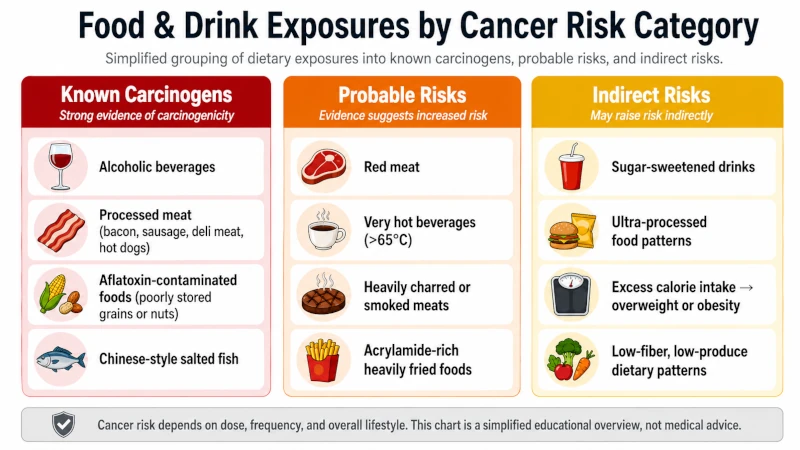
So the useful question isn’t which single ingredient to fear. It’s which patterns you can change often enough to make a real difference. The list below ranks food and drink exposures by what the evidence actually supports, from established carcinogens down to habits that raise risk only indirectly.
Foods That Cause Cancer: What the Phrase Really Means
Cancer develops through many influences: age, inherited risk, tobacco, alcohol, infections, ultraviolet radiation, excess body weight, and some occupational or environmental exposures. Diet is one part of that picture, and the food evidence comes in different grades. A known human carcinogen is not the same as an indirect risk factor, and an association is not proof that one food caused one person’s cancer.
The International Agency for Research on Cancer (IARC) classifies processed meat as carcinogenic to humans because the evidence that it causes colorectal cancer is sufficient. Red meat is classified as probably carcinogenic because the evidence is less certain. Those labels describe confidence in the evidence, not the size of the danger. Processed meat is not as dangerous as smoking simply because both sit in IARC Group 1. [WHO, 2015]
10 Food and Drink Risks Worth Limiting
| # | Exposure | Evidence level | Main concern | What to know |
| 1 | Processed meat | Known human carcinogen | Colorectal cancer | Bacon, sausage, hot dogs, ham, salami, and many deli meats. |
| 2 | Frequent red meat intake | Probable risk | Mainly colorectal cancer | Beef, pork, lamb, veal, mutton, and goat. Portion size and frequency matter. |
| 3 | Alcoholic drinks | Known human carcinogen | At least seven cancer types | Beer, wine, liquor, hard cider, and cocktails all count. |
| 4 | Salt-preserved foods | Probable risk | Stomach cancer | Salted or dried fish and heavily salted or pickled foods are the main concern. |
| 5 | Cantonese-style salted fish | Probable risk; region-specific | Nasopharyngeal cancer | A specific preserved-fish exposure, not a warning against ordinary fish. |
| 6 | Charred, smoked, or very well-done meat | Human evidence is mixed | Possible links: colorectal, pancreatic, prostate | High heat can form HCAs and PAHs. Reduce charring rather than panicking over a cookout. |
| 7 | Aflatoxin-contaminated foods | Convincing cause | Liver cancer | Discard moldy grains, legumes, and nuts. Storage conditions matter. |
| 8 | Very hot drinks above 65°C / 149°F | Probable risk | Esophageal cancer | Temperature is the issue, not coffee or tea itself. |
| 9 | Sugar-sweetened drinks | Indirect risk | Cancers linked to excess weight | Soda, sugary energy drinks, sweet tea, and syrup-heavy coffee drinks ease weight gain. |
| 10 | Fast foods and calorie-dense processed foods | Indirect risk; direct UPF evidence unsettled | Cancers linked to excess weight | Limit foods easy to overeat that crowd out fiber-rich choices. |
The table mixes direct carcinogens, probable hazards, and habits that raise risk mainly through weight gain. They are not equal, and it helps to treat them that way. [NCI, 2025b] [WCRF, n.d.b] [WCRF, n.d.c]
The Strongest Evidence: Processed Meat and Alcohol
Processed meat
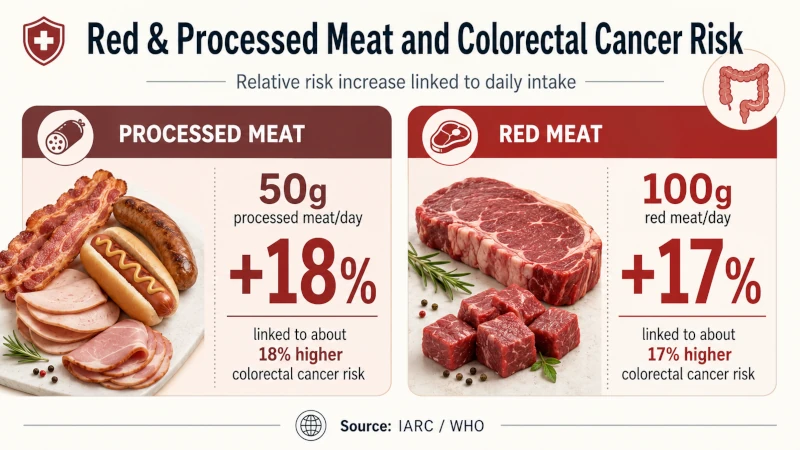
Processed meat earns the clearest warning. It covers meat preserved or flavored through salting, curing, fermentation, or smoking: bacon, sausage, hot dogs, ham, salami, and many deli meats. WHO states that eating processed meat causes colorectal cancer. An analysis of 10 studies estimated that each 50-gram portion eaten daily raises colorectal-cancer risk by about 18%. Fifty grams is roughly 1.8 ounces, about one hot dog. [WHO, 2015]
That doesn’t mean an occasional sandwich guarantees harm. It means the risk climbs as regular intake climbs. The practical move is to treat processed meat as an occasional food rather than a daily protein. The American Cancer Society advises eating it sparingly, if at all. [ACS, 2025]
Red meat
Red meat includes beef, pork, lamb, veal, mutton, and goat. The evidence here is softer than for processed meat. IARC classifies red meat as probably carcinogenic, with the strongest but still limited evidence involving colorectal cancer. WHO reports that, if the association is causal, the same research suggests a 17% increase in colorectal-cancer risk for each 100-gram daily portion. [WHO, 2015]
You don’t need to treat every steak as dangerous. Frequency and portion size are what matter. Swap some servings for beans, lentils, fish, or poultry, and stop making red meat the automatic center of every dinner.
Alcohol
Alcohol is a known human carcinogen. Wine gets no health exemption, and neither does beer. The National Cancer Institute states that alcohol causes cancers of the mouth, throat, voice box, esophagus, and liver, and is also linked to breast and colorectal cancers. Risk rises with intake, but even light drinking can increase the risk of some cancers. [NCI, 2025a]
One claim worth correcting: an older version of this page said a daily glass of wine raises breast-cancer risk by 250%. The NCI fact sheet does not support that figure. NCI reports that women who have one drink a day have a higher breast-cancer risk than women who drink less than once a week. For alcohol-related cancers as a group, the Surgeon General data summarized by NCI estimate about 17 cases per 100 women among those who drink less than once a week, compared with 19 per 100 among women who have one drink a day. [NCI, 2025a]
If lowering cancer risk is the goal, drinking less is better, and people who don’t drink shouldn’t start for a supposed health benefit.
Risks That Depend on Preparation, Storage, or Temperature
Salt-preserved foods and Cantonese-style salted fish
The concern here is not every salty snack or every fillet of fish. The World Cancer Research Fund (WCRF) identifies foods preserved by salting, including salt-preserved vegetables and salted or dried fish, as a probable cause of stomach cancer. It also identifies Cantonese-style salted fish as a probable cause of nasopharyngeal cancer. These exposures matter most in food traditions where salt preservation is common. [WCRF, n.d.d]
Choose fresh or frozen more often, and read sodium labels. Just don’t confuse the general goal of cutting excess sodium with the idea that one salty meal causes cancer.
Aflatoxin-contaminated foods
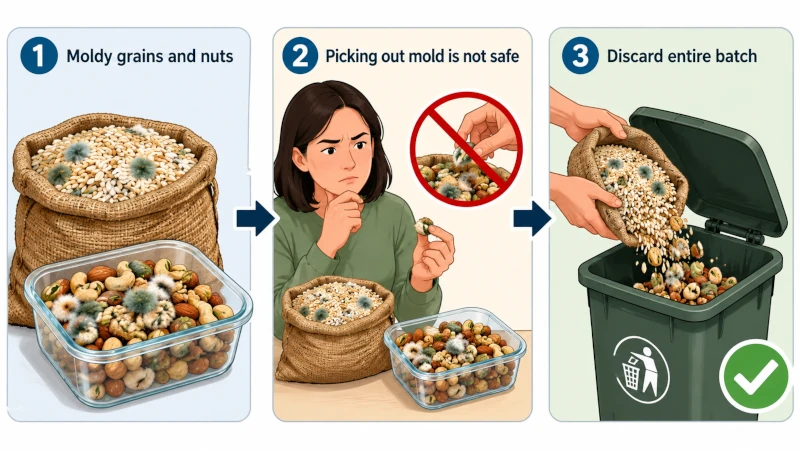
Aflatoxins are toxins produced by certain molds. WHO notes that mycotoxin-producing molds can grow on cereals, nuts, spices, dried fruits, apples, and coffee beans, especially in warm, humid conditions. Aflatoxins can damage DNA, and there is evidence that they cause liver cancer in humans. WCRF advises against eating moldy grains or legumes. [WHO, 2023] [WCRF, n.d.d]
Throw out anything visibly moldy, musty-smelling, or stored damp. Don’t scrape mold off grains or nuts and eat the rest. Commercial food-safety controls reduce exposure, but home storage still matters.
Very hot drinks
Coffee and tea are not the problem; temperature is. IARC classifies drinking beverages above 65°C (149°F) as probably carcinogenic because of a likely link with esophageal cancer. The research doesn’t say a single hot sip causes cancer. The concern is repeated exposure to scalding drinks. [IARC, 2016]
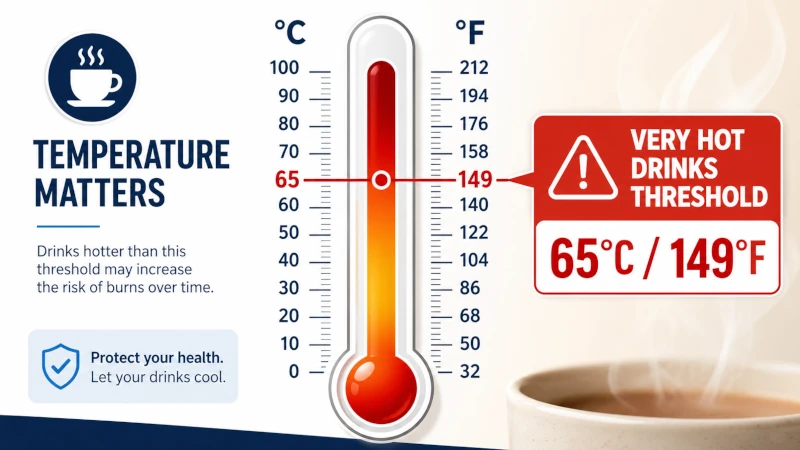
Let a steaming drink cool before sipping. If it’s hot enough to burn your mouth, wait.
Charred, smoked, and very well-done meat
High-temperature cooking can form heterocyclic amines (HCAs) and polycyclic aromatic hydrocarbons (PAHs), which damage DNA in laboratory studies. NCI reports that population studies have found associations between high intake of well-done, fried, or barbecued meat and some cancers, while other studies have found none. A definitive human link from HCA and PAH exposure in cooked meat has not been established. [NCI, 2017]
You can cut exposure without giving up every grilled meal:
- Avoid prolonged cooking over an open flame or a very hot metal surface.
- Turn meat frequently instead of leaving it over high heat for long stretches.
- Remove heavily charred sections before eating.
- Lean on lower-temperature methods more often.
These steps follow NCI’s own exposure-reduction advice. [NCI, 2017]
Diet Habits That Raise Risk Indirectly
Sugar-sweetened drinks
Sugar does not “feed” cancer in the simplistic way social-media posts claim. NCI states that no studies have shown that eating sugar makes cancer worse, or that cutting out sugar makes a tumor shrink or disappear. The real concern is practical: a high-sugar diet can drive weight gain, and excess body weight is associated with several cancers. [NCI, 2024] [NCI, 2025b]
Sugary drinks deserve particular attention because they add calories without filling you up the way solid food does. WCRF reports that regularly drinking sugar-sweetened beverages can lead to weight gain over time, which can raise the risk of 13 types of cancer. Soda, sweet tea, sugary energy drinks, and syrup-heavy coffee drinks are sensible places to cut back. [WCRF, n.d.b]
Fast foods and calorie-dense processed foods
Ultra-processed foods are often treated as if every packaged product were equally harmful. The evidence is more measured. WCRF states that highly processed foods high in fat, salt, or sugar can contribute to overweight or obesity, and also says researchers cannot yet state definitively that ultra-processed foods directly increase cancer risk. [WCRF, n.d.c]
Focus on the repeat offenders: meals, snacks, and drinks that are easy to overeat and low in fiber. A bag of frozen vegetables, a can of beans, or plain yogurt does not belong in the same category as a steady diet of fast food, sugary drinks, and packaged sweets. For the other side of the plate, see our guide to foods that fight cancer.
Foods That Should Not Be Labeled as Cancer-Causing
A useful prevention page should also tell you what not to fear. The evidence does not support sweeping warnings against the foods below.
Coffee
Coffee does not belong on a blanket list of cancer-causing foods. WCRF reports that coffee probably protects against liver and endometrial cancers, though it makes no general prevention recommendation because preparation and drinking patterns vary. The temperature caveat still applies: let scalding drinks cool. [WCRF, n.d.d] [IARC, 2016]
Milk and other dairy foods
The dairy evidence splits by cancer type. WCRF reports strong evidence that dairy products probably protect against colorectal cancer, alongside limited but suggestive evidence that they might increase prostate-cancer risk. That is not a basis for claiming milk broadly causes cancer, or that a virus in ordinary milk is a proven explanation. [WCRF, n.d.d]
Eggs
Major prevention recommendations do not name eggs as an established cancer-causing food. Eggs can fit into an overall eating pattern according to your nutritional needs. The stronger priorities remain processed meat, alcohol, excess body weight, and a low-fiber diet. [WCRF, n.d.a]
Fish and shellfish
Ordinary fish and shellfish should not be labeled as foods that cause cancer. The American Cancer Society recommends fish as one protein to choose in place of red meat. The better-supported warning is narrow: salt-preserved fish, especially Cantonese-style salted fish, is not the same as fresh, frozen, or normally prepared fish. [ACS, 2025] [WCRF, n.d.d]
Spicy foods
Hot peppers and spices don’t belong on a general cancer-causing-food list. The evidence on specific spices isn’t strong enough for a broad warning, and the burn of capsaicin in a chili is a different thing from the temperature of a scalding drink.
A Practical Cancer-Risk-Reduction Eating Pattern
Cancer prevention does not require a perfect diet. It requires a pattern you can repeat. WCRF recommends a healthy weight, regular physical activity, and a diet built on whole grains, vegetables, fruit, and beans, while limiting fast foods, red and processed meat, sugar-sweetened drinks, and alcohol. Our cancer-preventing diet guide goes deeper on what to put on the plate. [WCRF, n.d.a]
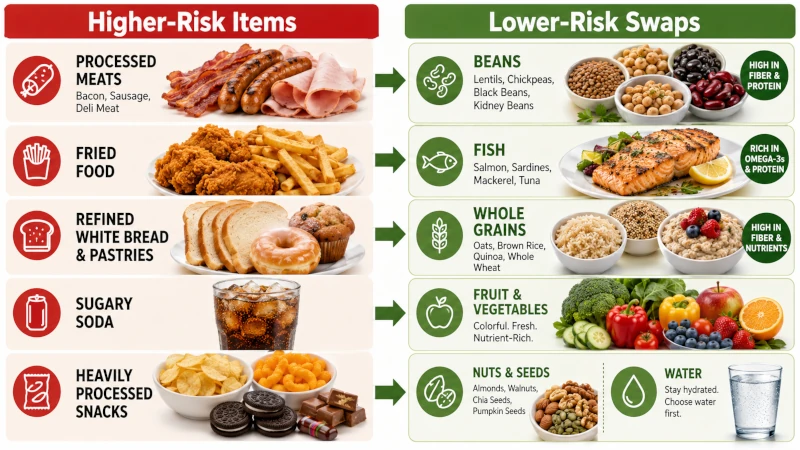
Use these as a grocery-list filter:
- Buy beans, lentils, vegetables, fruit, and whole grains often enough that they become the default ingredients at home. For ideas, browse our food guides.
- Reserve bacon, sausage, hot dogs, and deli meats for rare occasions rather than routine breakfasts and lunches.
- Replace some red-meat meals with beans, fish, or poultry.
- Choose water or unsweetened drinks most of the time, and let steaming drinks cool before sipping.
- Discard moldy grains, nuts, legumes, and spices, and avoid eating food stored in damp conditions.
- Don’t lean on pills as a shortcut. WCRF advises against using supplements for cancer prevention. Review anything you take with your clinician, and treat our supplement guides as educational background, not a substitute for medical advice. [WCRF, n.d.a]
Food is only one part of prevention. Tobacco matters enormously — if you use chewing tobacco, snuff, or similar products, our guide to smokeless tobacco risks is worth a read — and so does recommended screening, which no diet can replace.obacco matters enormously, and so does recommended screening, which no diet can replace.
When Food Advice Is Not Enough
Diet changes can support long-term health, but they cannot diagnose cancer or replace screening. Talk with a healthcare professional if you have unexplained weight loss, blood in your stool or urine, a persistent change in bowel habits, trouble swallowing, a cough or hoarseness that won’t go away, a lump, unusual bleeding, or symptoms that linger without a clear reason. NCI lists these among possible cancer symptoms while stressing that other conditions can cause them too. [NCI, 2019]
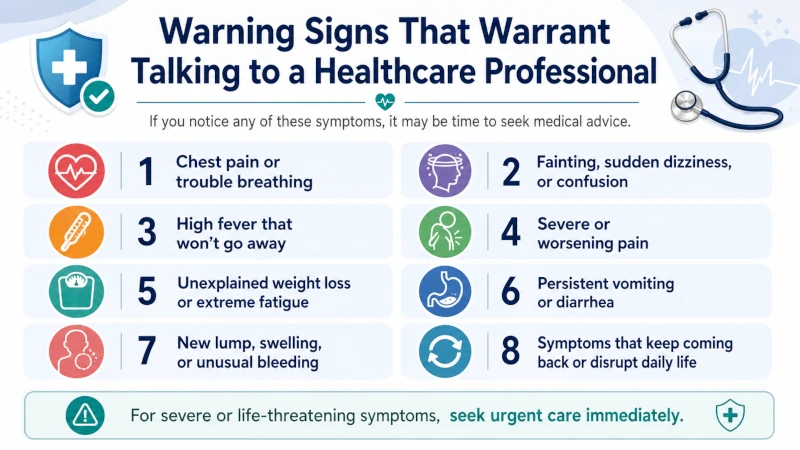
Don’t delay an evaluation because you are trying a new diet, and don’t skip recommended screening. Older adults and their caregivers can review our overview of cancer risks, screening, and warning signs in seniors. If you have already been diagnosed with cancer, ask your oncology team or a registered dietitian before making major dietary changes. Treatment, side effects, weight loss, kidney function, and medication interactions can all change what is appropriate for you.
| Health disclaimer Educational information only. This page is not a substitute for diagnosis, cancer screening, treatment, or individualized advice from a qualified healthcare professional. A food choice cannot confirm, rule out, cure, or treat cancer. Seek medical care promptly for concerning symptoms. If you are receiving cancer treatment, pregnant, breastfeeding, or managing a chronic condition, discuss major diet changes and supplements with your healthcare team. |
Frequently Asked Questions
What food has the clearest evidence of causing cancer?
Processed meat. WHO states that eating processed meat causes colorectal cancer. Examples include bacon, sausage, hot dogs, ham, salami, and many deli meats.
Does sugar feed cancer?
Sugar provides energy to both normal and cancer cells, but NCI states that studies have not shown that eating sugar makes cancer worse, or that stopping sugar makes a tumor shrink. Cutting sugary drinks still helps, because they contribute to weight gain.
Does coffee cause cancer?
Coffee should not be labeled a general cancer-causing drink. WCRF reports that coffee probably protects against liver and endometrial cancers. Let very hot coffee cool first, since repeated exposure to drinks above 65°C is a separate concern.
Should I stop eating red meat completely?
The evidence supports limiting red meat rather than treating every serving as dangerous. Replace some red-meat meals with beans, lentils, fish, or poultry, and keep processed meat occasional.
Is grilled food unsafe?
An occasional grilled meal is not a reason to panic. Reduce heavy charring and prolonged high-heat cooking, turn meat often, avoid direct flames when you can, and remove burned portions.
Can a diet prevent every cancer?
No. Diet is one modifiable part of cancer risk. Tobacco, alcohol, body weight, activity, infections, sun exposure, genetics, age, and recommended screening all matter too.
References
- World Health Organization (2015). Cancer: Carcinogenicity of the consumption of red meat and processed meat. View source
- National Cancer Institute (2025a). Alcohol and Cancer Risk Fact Sheet. View source
- National Cancer Institute (2025b). Obesity and Cancer Fact Sheet. View source
- National Cancer Institute (2024). Common Cancer Myths and Misconceptions. View source
- National Cancer Institute (2017). Chemicals in Meat Cooked at High Temperatures and Cancer Risk. View source
- National Cancer Institute (2019). Symptoms of Cancer. View source
- World Cancer Research Fund (n.d.a). Our Cancer Prevention Recommendations. View source
- World Cancer Research Fund (n.d.b). Sugar and cancer. View source
- World Cancer Research Fund (n.d.c). Ultra-processed food and cancer. View source
- World Cancer Research Fund (n.d.d). Regional variations | Recommendation evidence. View source
- World Health Organization (2023). Mycotoxins. View source
- International Agency for Research on Cancer (2016). Fact sheet: Cancer of the oesophagus and drinking very hot beverages. View source
- American Cancer Society (2025). ACS Guideline for Diet and Physical Activity for Cancer Prevention. View source
