
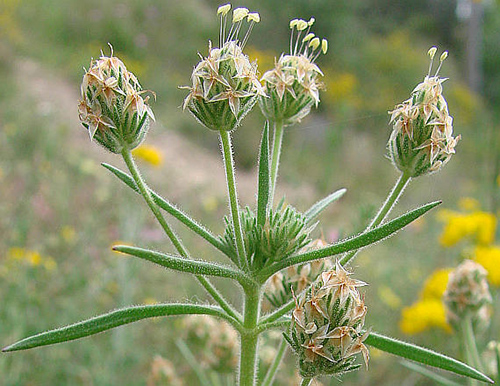
The psyllium plant is best known as the source of a gel-forming fiber used in many over-the-counter constipation products. When psyllium seed or husk is mixed with enough water, it swells and helps make stool softer and easier to pass. The evidence is strongest for constipation relief. Psyllium husk may also produce a modest drop in LDL cholesterol, and some studies suggest smaller supporting benefits for blood-sugar control and weight management. It is not a detox product, and it does not replace medical care for ongoing digestive symptoms.
Safe use matters. Psyllium powder and granules need a full glass of liquid, and some people should not take them without first speaking with a doctor or pharmacist. [MedlinePlus, 2024] [EMA, 2014a]
What is the psyllium plant?
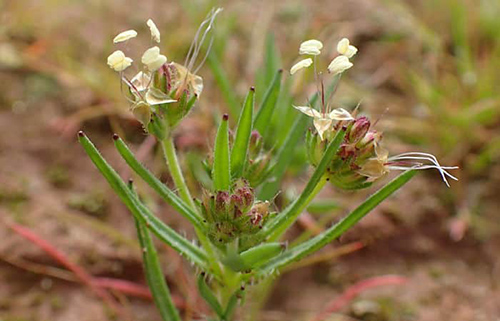
Psyllium is a common name used for fiber-rich seeds and seed coats from plants in the genus Plantago. A common commercial source is Plantago ovata, also called ispaghula. Kew Science lists Plantago ovata as an accepted species that grows mainly in dry regions. [Kew Science, n.d.]
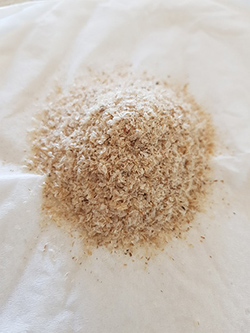
The seed and the husk are related, but they are not identical. The husk is the outer seed coat. It contains a high concentration of soluble, viscous fiber. Once hydrated, that fiber forms a gel-like mass. EMA public summaries describe oral medicines made from whole or powdered ispaghula seed and from powdered seed coats. [EMA, 2014a] [EMA, 2014b]
Psyllium plant benefits with the strongest evidence
Constipation relief
Psyllium is a bulk-forming laxative. It absorbs liquid in the intestines, swells, and forms a bulkier stool that is easier to pass. [MedlinePlus, 2024] EMA states that hydrated ispaghula fiber softens stool by increasing its water content and supports movement through the bowel. [EMA, 2014a]
For adults with chronic idiopathic constipation, the 2023 AGA–ACG guideline suggests fiber supplementation, including psyllium. The recommendation is conditional because the certainty of evidence is low. That distinction is useful: psyllium is a reasonable first option for many people, but it will not solve every case of constipation. [AGA–ACG, 2023]
Food, fluids, and movement still matter. NIDDK advises eating more high-fiber foods, drinking plenty of liquids when increasing fiber or using a fiber supplement, and getting regular physical activity. A related guide on foods that help with constipation can support the diet side of that plan. [NIDDK, 2018b]
Softer stools when straining hurts
EMA also recognizes ispaghula seed and husk for situations in which softer stool can reduce pain with bowel movements, including anal fissures, hemorrhoids, and recovery after surgery involving the anus or rectum. This does not mean psyllium heals those conditions on its own. It may make passing stool less difficult while the underlying problem is assessed and treated. [EMA, 2014a] [EMA, 2014b]
Cholesterol support
Psyllium husk can be a useful add-on for cholesterol management. A 2018 systematic review and meta-analysis of randomized trials found improvements in LDL cholesterol and other lipid markers with psyllium fiber. A commonly cited pooled estimate is a drop of about 13 mg/dL in LDL cholesterol with roughly 10 grams per day taken for at least three weeks. [Jovanovski et al., 2018]
The FDA allows a qualified heart-health claim for eligible foods that provide soluble fiber from psyllium seed husk as part of a diet low in saturated fat and cholesterol. The regulation identifies 7 grams or more per day of soluble fiber from psyllium seed husk as the intake level associated with reduced coronary-heart-disease risk. That rule applies to qualifying products and the overall diet, not to any random scoop of fiber. [FDA/eCFR, accessed 2026]
Psyllium is not a substitute for a prescribed cholesterol medicine. A clinician can help you decide whether it fits alongside dietary changes and a broader heart-health plan. The site’s guide to foods for healthy arteries may be a useful next read.
Blood-sugar support
Psyllium may slow the digestion and absorption of nutrients when its hydrated fiber forms a viscous gel. In a 2015 meta-analysis, blood-sugar effects differed by starting glucose level: no significant glucose-lowering effect appeared in people with normal blood sugar, a modest improvement appeared in people at risk for type 2 diabetes, and the largest improvement appeared in people already being treated for type 2 diabetes. [Gibb et al., 2015]
Treat this as an adjunct, not a diabetes treatment plan. If you use glucose-lowering medicine, ask your clinician or pharmacist how psyllium fits with your dosing schedule and monitoring routine.
Weight loss: modest evidence, not a stand-alone plan
Psyllium can make a meal feel more filling, but expectations should stay realistic. A 2023 meta-analysis included six studies with 354 adults who were overweight or obese. Across those studies, psyllium was taken before meals at an average dose of 10.8 grams per day for an average of 4.8 months. The pooled difference in body weight was about 2.1 kilograms, or 4.6 pounds, compared with control groups. [Gibb et al., 2023]
There are limits to that evidence. The analysis was small, and the authors disclosed that they were employees of a company that manufactures a psyllium-containing product. Psyllium may help some people build a higher-fiber eating pattern, but it is not a shortcut. Focus first on meals you can sustain, adequate sleep, activity that fits your health, and medical guidance when needed. [Gibb et al., 2023]
How to take psyllium safely
Use the directions on the product label or the instructions from your clinician. Psyllium is sold as powder, granules, capsules, liquid products, and wafers. The safe-use rule that cannot be skipped is water. [MedlinePlus, 2024]
- Measure the labeled dose. Do not add extra powder because a larger amount seems more natural or more effective.
- Mix powder or granules with at least 8 ounces (240 milliliters) of liquid. Stir and drink the mixture promptly before it thickens. [MedlinePlus, 2024]
- Drink enough fluid during the day. EMA warns that swallowing ispaghula without enough liquid can lead to a build-up of hard, dry stool. [EMA, 2014a]
- Do not take it immediately before bed. EMA advises taking it during the day. [EMA, 2014a]
- Separate it from medicines. EMA advises taking ispaghula at least 30 to 60 minutes before or after other medicines. MedlinePlus specifically says not to take digoxin, salicylates such as aspirin, or nitrofurantoin within three hours of psyllium. Ask a pharmacist about your full medication list. [EMA, 2014a] [MedlinePlus, 2024]
- Reassess quickly if it is not working. EMA advises contacting a doctor or pharmacist if constipation does not resolve after three days. MedlinePlus advises against using psyllium longer than one week unless a doctor tells you to do so. [EMA, 2014a] [MedlinePlus, 2024]
People with IBS can react differently to added fiber. If you have IBS with constipation, consider discussing the amount and timing with a clinician or dietitian, especially if bloating is a major symptom. The site’s comparison of an anti-inflammatory diet and a low-FODMAP diet for IBS may help you frame that conversation.
Side effects, interactions, and who should avoid psyllium
Gas and abdominal bloating are common complaints, particularly when a person increases fiber quickly. EMA also warns about the risk of hard, dry stool if psyllium is swallowed without enough liquid. [EMA, 2014a]
Stop using the product and get medical help for trouble breathing, difficulty swallowing, a rash, itching, nausea, vomiting, or significant stomach pain. Avoid breathing in loose psyllium powder while mixing it because inhalation can trigger allergic reactions. [MedlinePlus, 2024]
Do not self-treat with psyllium without medical advice if you have:
- difficulty swallowing or throat problems
- a known or suspected narrowing or blockage in the stomach or intestines
- rectal bleeding that has not been explained
- a sudden change in bowel habits that has lasted more than two weeks
- failure to pass stool after using a laxative
- diabetes, heart disease, high blood pressure, kidney disease, or a long medication list that needs a pharmacist review
- pregnancy, plans to become pregnant, or breastfeeding
These precautions come from MedlinePlus and EMA. For children, use a pediatric product only with age-appropriate directions and professional advice. [MedlinePlus, 2024] [EMA, 2014a]
Claims that need more caution
Oral psyllium has a clear place as a bulk-forming fiber. Claims about detoxing the intestines, drawing pus from sores, treating cystitis, healing ulcers, or using homemade psyllium enemas and poultices are not supported by the same quality of evidence used for oral constipation products. Those uses should not be presented as routine home care.
Psyllium also does not treat the cause of persistent constipation, rectal bleeding, inflammatory bowel disease, or unexplained abdominal pain. A symptom that keeps returning deserves a proper diagnosis.
When to contact a healthcare professional
Call a doctor promptly if constipation does not improve with self-care. NIDDK advises seeking medical care right away if constipation occurs with any of the following symptoms: [NIDDK, 2018a]
- bleeding from the rectum or blood in the stool
- constant abdominal pain
- inability to pass gas
- vomiting
- fever
- lower back pain
- weight loss that you did not intend
Get advice sooner if the change in your bowel habits is new, severe, or unusual for you. A fiber supplement should not delay evaluation of a possible obstruction or another medical problem.
This page is for educational purposes only. It does not provide a diagnosis or a personal treatment plan. Psyllium products can affect symptoms and medication timing. Speak with a qualified healthcare professional or pharmacist before using psyllium if you are pregnant, breastfeeding, giving it to a child, managing a chronic condition, or taking prescription medicine. Seek urgent care for the red-flag symptoms listed above.
Frequently Asked Questions
Is psyllium husk the same as psyllium seed?
No. Psyllium husk is the outer seed coat. Psyllium seed refers to the whole seed. Both can be used in oral products, but husk products are common because the seed coat is rich in gel-forming fiber. [EMA, 2014a] [EMA, 2014b]
Can I take psyllium every day?
Some people use psyllium regularly, but the right plan depends on why you are taking it and which product you use. For self-treatment of constipation, MedlinePlus advises not taking psyllium longer than one week unless a doctor tells you to. [MedlinePlus, 2024]
How much water should I drink with psyllium?
For powder or granules, MedlinePlus says to mix the dose with at least 8 ounces, or 240 milliliters, of liquid and drink it promptly. Drinking too little liquid can raise the risk of blockage or a build-up of hard stool. [MedlinePlus, 2024] [EMA, 2014a]
Does psyllium lower cholesterol?
Psyllium husk can modestly lower LDL cholesterol for some people. FDA regulations recognize soluble fiber from qualifying psyllium-husk foods as part of a diet low in saturated fat and cholesterol. It should complement, not replace, the plan you make with your clinician. [FDA/eCFR, accessed 2026] [Jovanovski et al., 2018]
Can psyllium help with weight loss?
Possibly, but the average effect in the available studies was modest. One 2023 meta-analysis reported an average weight difference of about 2.1 kilograms over an average of 4.8 months. The study pool was small, and the authors disclosed an industry connection. [Gibb et al., 2023]
Can psyllium interfere with medicine?
Yes. Fiber can affect medication timing. EMA advises spacing ispaghula from other medicines by at least 30 to 60 minutes. MedlinePlus lists a three-hour separation for digoxin, salicylates such as aspirin, and nitrofurantoin. Ask your pharmacist about your exact medicines. [EMA, 2014a] [MedlinePlus, 2024]
References
- European Medicines Agency (EMA). Ispaghula Husk: Plantaginis ovatae seminis tegumentum — herbal medicinal product. Public summary. First published 2014. → View source
- European Medicines Agency (EMA). Ispaghula Seed: Plantaginis ovatae semen — herbal medicinal product. Public summary. First published 2014. → View source
- MedlinePlus. Psyllium: Drug Information. U.S. National Library of Medicine. Revised June 20, 2024. → View source
- American Gastroenterological Association. ACG and AGA guideline on chronic constipation management. Published May 19, 2023. → View source
- Electronic Code of Federal Regulations. 21 CFR 101.81: Health claims: Soluble fiber from certain foods and risk of coronary heart disease. Accessed June 2, 2026. → View source
- Jovanovski E, et al. Effect of psyllium (Plantago ovata) fiber on LDL cholesterol and alternative lipid targets: a systematic review and meta-analysis of randomized controlled trials. American Journal of Clinical Nutrition. 2018;108(5):922–932. doi:10.1093/ajcn/nqy115. → View source
- Gibb RD, et al. Psyllium fiber improves glycemic control proportional to loss of glycemic control: a meta-analysis. American Journal of Clinical Nutrition. 2015;102(6):1604–1614. doi:10.3945/ajcn.115.106989. → View source
- Gibb RD, Sloan KJ, McRorie JW Jr. Psyllium is a natural nonfermented gel-forming fiber that is effective for weight loss: a comprehensive review and meta-analysis. Journal of the American Association of Nurse Practitioners. 2023;35(8):468–476. doi:10.1097/JXX.0000000000000882. → View source
- National Institute of Diabetes and Digestive and Kidney Diseases (NIDDK). Symptoms & Causes of Constipation. Last reviewed May 2018. → View source
- National Institute of Diabetes and Digestive and Kidney Diseases (NIDDK). Treatment for Constipation. Last reviewed May 2018. → View source
- Kew Science. Plants of the World Online: Plantago ovata Forssk. Accessed June 2, 2026. → View source
