No single meal or superfood can cure cancer, but decades of research show that certain foods that fight cancer — or, more accurately, dietary patterns built around them — can meaningfully lower your risk of several common cancers. The World Cancer Research Fund estimates that between 30 and 50 percent of cancer cases are preventable through diet, body weight, physical activity, alcohol, tobacco, and other modifiable factors [WCRF/AICR, 2018]. What you put on your plate every day is one of the few cancer-related levers you actually control.
This guide translates the strongest, most consistent nutrition evidence into a practical list of foods worth eating more of, what the science actually says (and does not say), and how to build a realistic cancer-protective plate. A strength-of-evidence table, a safety section, and clear guidance on when to involve a healthcare professional follow.
Key Takeaways
- No food prevents or cures cancer on its own. The overall dietary pattern matters far more than any single ingredient.
- The strongest human evidence supports whole grains and dietary fiber, non-starchy vegetables, fruits, legumes, nuts, and a Mediterranean-style pattern for lowering risk of colorectal and several aerodigestive cancers [WCRF/AICR, 2018].
- Cruciferous vegetables, berries, alliums (garlic, onion), and soy foods show promising but mostly supportive, not definitive evidence in humans.
- Limiting processed meat, alcohol, sugary drinks, and ultra-processed foods is as important as adding “healthy” foods.
- Diet complements, but never replaces, cancer screening and medical care.
What “Cancer-Fighting Foods” Actually Means
The phrase “cancer-fighting” is popular online but scientifically imprecise. A more accurate framing is cancer-protective: foods that, as part of an overall pattern, are associated with a lower statistical risk of developing certain cancers — and, in some cases, a lower risk of recurrence after treatment.
The most authoritative source on this topic is the World Cancer Research Fund and American Institute for Cancer Research Third Expert Report, Diet, Nutrition, Physical Activity and Cancer: a Global Perspective. It systematically reviews thousands of studies and grades the evidence as convincing, probable, limited-suggestive, or limited-no conclusion [WCRF/AICR, 2018]. The categories below prioritize foods and patterns that reach at least the “probable” threshold, and flag claims resting on weaker evidence.
1. Whole Grains and Dietary Fiber
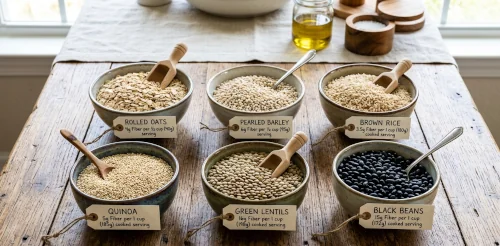
The evidence linking whole grains and fiber to lower colorectal cancer risk is among the strongest in nutrition science. A meta-analysis in the BMJ pooling 25 prospective studies found that every 10 grams per day of total dietary fiber was associated with a 10 percent lower risk of colorectal cancer [Aune et al., 2011]. The WCRF/AICR report grades whole grains and foods containing fiber as offering convincing protection against colorectal cancer.
Fiber works through several mechanisms: it speeds transit of waste through the colon, dilutes potential carcinogens, feeds beneficial gut bacteria that produce anti-inflammatory short-chain fatty acids like butyrate, and helps regulate insulin and body weight — all relevant to cancer risk.
What to eat
- Oats, barley, rye, brown rice, quinoa, buckwheat, bulgur, farro
- 100% whole-grain bread and pasta (check that “whole” is the first ingredient)
- Beans, lentils, chickpeas, split peas — they count toward fiber and contribute plant protein
- Aim for at least 30 grams of fiber per day from food, not supplements.
2. Non-Starchy Vegetables (Especially Cruciferous and Allium)
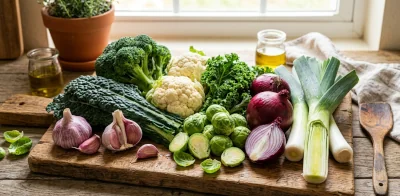
Non-starchy vegetables are rich in fiber, carotenoids, vitamin C, folate, and a range of phytochemicals. The WCRF/AICR grades them as offering probable protection against cancers of the mouth, pharynx, and larynx, and limited-suggestive protection against several others [WCRF/AICR, 2018].
Cruciferous vegetables
Broccoli, cauliflower, Brussels sprouts, kale, cabbage, bok choy, and arugula contain glucosinolates, which break down into sulforaphane and indole-3-carbinol when chopped or chewed. In laboratory and animal studies these compounds activate detoxification enzymes and promote apoptosis (programmed death) of abnormal cells [NCI, 2012]. Human evidence is promising but not yet conclusive: population studies show modest inverse associations with some cancers, but results are not uniform.
Allium vegetables
Garlic, onions, leeks, shallots, and scallions contain organosulfur compounds such as allicin. Several observational studies link higher allium intake with lower risk of stomach and colorectal cancers, although the WCRF/AICR classifies this evidence as limited-suggestive rather than convincing [WCRF/AICR, 2018].
Carotenoid-rich vegetables
Carrots, sweet potatoes, pumpkin, red peppers, and tomatoes are rich in beta-carotene, alpha-carotene, and lycopene. Cooked tomatoes and tomato products are the main dietary source of lycopene, which has been studied for a possible protective role against prostate cancer; the evidence is suggestive rather than definitive [NCI, 2024]. A note of caution: high-dose beta-carotene supplements increased lung cancer risk by 18% in male smokers in the ATBC trial and by 28% in current and former smokers in the CARET trial — so get carotenoids from food, not pills [NIH ODS, 2025].
3. Fruits, Especially Berries and Citrus
Fruit intake is associated with lower risk of several aerodigestive cancers, with the WCRF/AICR grading the protection against cancers of the mouth, pharynx, larynx, and lung as probable [WCRF/AICR, 2018]. A pooled analysis from the large EPIC study in Europe (more than 142,000 participants) also linked higher combined fruit and vegetable intake with a modest but meaningful reduction in overall cancer risk [Boffetta et al., 2010].
Berries
Blueberries, blackberries, raspberries, strawberries, and black currants are particularly rich in anthocyanins and ellagic acid. Laboratory studies show these compounds reduce oxidative DNA damage and inhibit tumor cell growth; small human trials in people with precancerous lesions of the colon, mouth, and esophagus have shown encouraging but preliminary effects [Stoner, 2009].
Citrus and apples
Oranges, lemons, grapefruits, and apples provide vitamin C, flavonoids, and pectin (a soluble fiber). The evidence for any single-fruit cancer effect is modest, but they fit a dietary pattern linked with lower cancer risk overall.
4. Legumes, Including Soy Foods
Beans, lentils, chickpeas, and soy foods deliver fiber, plant protein, folate, and polyphenols. They are a core component of the dietary patterns most consistently linked with lower cancer risk and lower overall mortality.
Soy deserves a specific note because of persistent misinformation. Whole soy foods — edamame, tofu, tempeh, soy milk — contain isoflavones (genistein, daidzein), which are weak plant estrogens. A large prospective cohort of 5,042 Chinese women diagnosed with breast cancer found that the highest quartile of soy food intake was associated with a 29% lower risk of death and a 32% lower risk of recurrence [Shu et al., 2009]; subsequent reviews concluded moderate whole-soy intake is not harmful and may be modestly protective [Messina, 2016]. This refers to whole soy foods, not high-dose isoflavone supplements, which are not recommended for cancer survivors without medical guidance.
5. Extra Virgin Olive Oil and the Mediterranean Pattern
The Mediterranean diet — vegetables, fruits, legumes, whole grains, nuts, fish, and extra virgin olive oil, with little processed meat — is one of the most thoroughly studied dietary patterns in cancer research. In the PREDIMED randomized trial in Spain (4,282 women, median follow-up 4.8 years), women assigned to a Mediterranean diet supplemented with extra virgin olive oil had a 62% lower relative risk of invasive breast cancer compared with women on a low-fat control diet [Toledo et al., 2015]. The absolute risk reduction was smaller, breast cancer was a secondary endpoint, and the result needs replication — but it is one of the strongest trial-level signals for any single dietary component and cancer.
Extra virgin olive oil is rich in monounsaturated fats and polyphenols such as oleocanthal and hydroxytyrosol, which have anti-inflammatory and antioxidant effects in laboratory studies. Refined olive oils have far lower polyphenol content.
6. Nuts and Seeds
Tree nuts, peanuts, flaxseed, and chia provide healthy fats, fiber, vitamin E, magnesium, and selenium. A 2016 meta-analysis pooling 29 prospective studies and over 800,000 participants linked an increase of 28 grams per day of nuts with a 15% lower risk of cancer mortality and a 22% lower risk of all-cause mortality [Aune et al., 2016]. A small handful (about 30 g) most days is a reasonable target for people without allergies.
7. Yogurt and Fermented Foods: A More Cautious Story
Evidence on dairy and cancer is mixed and depends on the cancer type. The WCRF/AICR concludes that dairy products are probably protective against colorectal cancer, largely attributed to calcium, while noting limited evidence of increased prostate cancer risk with very high dairy intake [WCRF/AICR, 2018]. Yogurt specifically has shown modest inverse associations with colorectal cancer in some observational studies, but the evidence is not strong enough to call it a cancer-fighting food on its own. Fermented foods such as kimchi, sauerkraut, kefir, and miso are a useful part of a varied plant-rich diet, but cancer-specific human data remain limited.
8. Herbs, Spices, and Green Tea
Turmeric (curcumin), ginger, rosemary, and green tea (catechins such as EGCG) show impressive anticancer activity in cells and animals. Human evidence is much weaker and inconsistent. A 2020 Cochrane systematic review of 142 studies and over 1.1 million participants found insufficient and conflicting evidence to give firm recommendations for green tea consumption as a cancer-prevention strategy, with most positive signals coming from East Asian populations and not consistently replicating in Western ones [Filippini et al., 2020]. Use herbs and spices generously for flavor and to replace salt, but do not treat them as standalone cancer treatments — and be cautious with concentrated supplement forms, which can interact with chemotherapy and blood thinners.
Strength of Evidence on the Foods That Fight Cancer
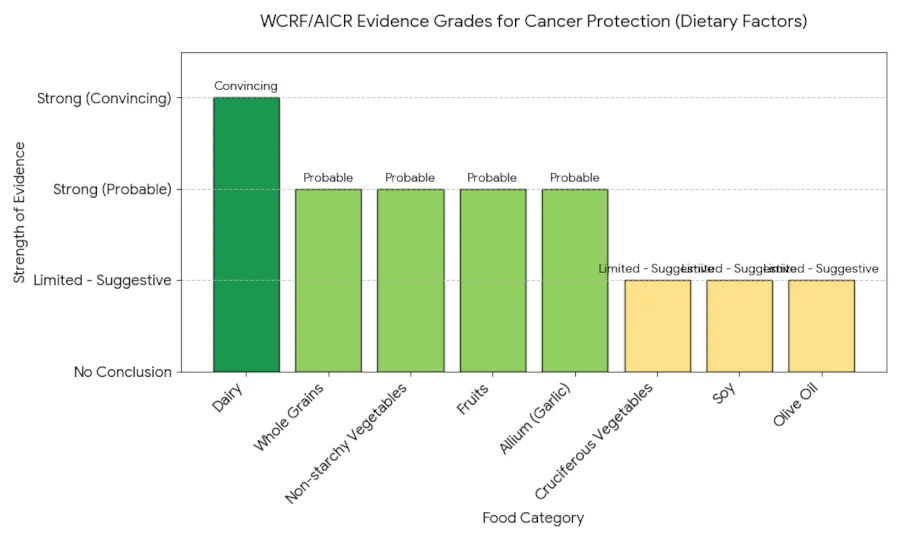
The table below summarizes how the WCRF/AICR Third Expert Report and other major reviews grade the evidence for common food categories and cancer risk. This is a simplified summary; full sources are in the References section.
| Food / Pattern | Cancer(s) with best evidence | Strength of evidence |
| Whole grains, foods containing fiber | Colorectal | Convincing ↓ risk |
| Non-starchy vegetables | Mouth, pharynx, larynx (aerodigestive) | Probable ↓ risk |
| Fruits | Mouth, pharynx, larynx, lung | Probable ↓ risk |
| Dairy products (calcium) | Colorectal | Probable ↓ risk |
| Mediterranean diet + extra virgin olive oil | Breast (PREDIMED trial) | Limited–trial evidence |
| Cruciferous vegetables | Several (mechanistic) | Limited–suggestive |
| Allium vegetables (garlic, onion) | Stomach, colorectal | Limited–suggestive |
| Soy foods (moderate, whole) | Breast (neutral to protective) | Limited–suggestive |
| Processed meat | Colorectal | Convincing ↑ risk |
| Alcohol | Mouth, pharynx, larynx, esophagus, liver, colorectal, breast | Convincing ↑ risk |
Source: WCRF/AICR Third Expert Report, Diet, Nutrition, Physical Activity and Cancer: a Global Perspective (2018) and supporting literature.
Foods and Habits to Limit
Adding protective foods matters less if the rest of your diet is loaded with cancer-promoting factors. The strongest human evidence supports limiting:
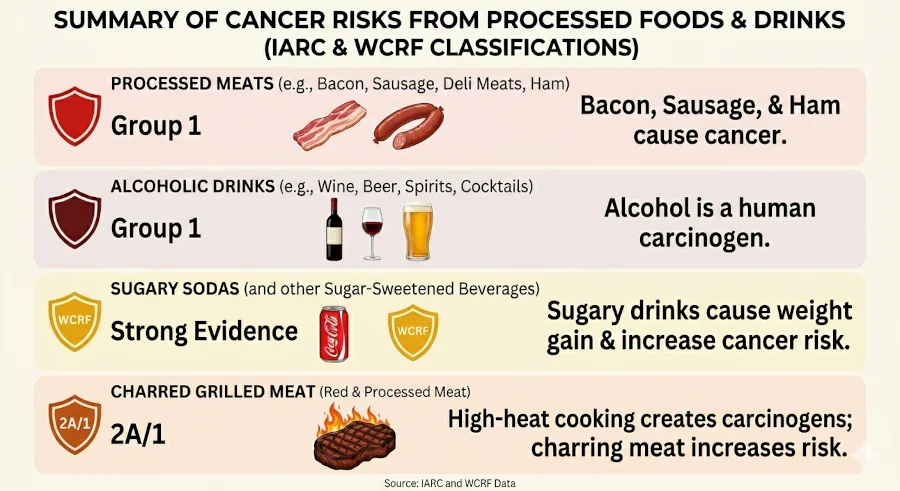
- Processed meats (bacon, hot dogs, ham, salami, deli meats). The International Agency for Research on Cancer classifies them as Group 1 — carcinogenic to humans — for colorectal cancer, with each 50 g eaten daily raising risk by about 18% [IARC, 2015].
- Alcohol. No level is safe; risk rises with intake and is causally linked to at least seven cancers [WCRF/AICR, 2018].
- Sugary drinks and ultra-processed foods, which promote weight gain and insulin resistance — themselves risk factors for multiple cancers.
- Charred, grilled, or smoked meats, which produce heterocyclic amines and polycyclic aromatic hydrocarbons.
- Very high red meat intake (more than ~500 g cooked per week).
What a Cancer-Protective Day of Eating Looks Like
Illustrative, not prescriptive. Adapt it to your culture, budget, allergies, and medical situation.
- Breakfast: steel-cut oats with berries, ground flaxseed, walnuts, and plain yogurt.
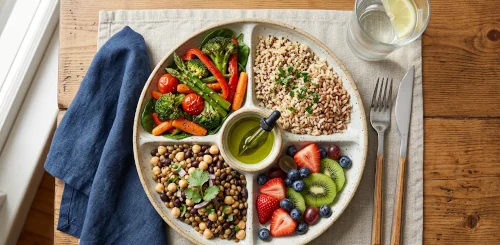
- Lunch: large salad with kale, cherry tomatoes, chickpeas, roasted sweet potato, pumpkin seeds, and extra virgin olive oil dressing; a piece of fruit. See more on the benefits of olive oil for choosing a good bottle.
- Snack: a handful of unsalted almonds and an apple.
- Dinner: stir-fried broccoli, garlic, peppers, and tofu over brown rice; steamed bok choy.
- Drinks: water, green tea, coffee. Little or no alcohol.
Safety, Medication Interactions, and Who Should Talk to a Doctor
Whole foods are generally safe in normal culinary amounts, but there are important exceptions if you are receiving cancer treatment, take prescription medication, or are pregnant.
Common interactions and cautions
- Grapefruit and grapefruit juice can significantly alter blood levels of many drugs, including some chemotherapy agents, statins, and calcium-channel blockers. Ask your pharmacist if you take regular medication.
- Leafy greens high in vitamin K (kale, spinach, collards) can affect warfarin dosing. Consistency, not avoidance, is the goal.
- Garlic, ginger, and green tea in large supplemental doses may increase bleeding risk with blood thinners.
- High-dose antioxidant supplements (beta-carotene, vitamin E, selenium) may interfere with radiation and some chemotherapies. Beta-carotene supplements have increased lung cancer risk in smokers in two randomized trials [NIH ODS, 2025].
- Raw or undercooked foods (sprouts, unpasteurized dairy, raw fish) are generally not recommended for people who are immunosuppressed from chemotherapy.
Who should get individualized advice
- Anyone currently undergoing cancer treatment
- People with a strong personal or family history of cancer
- Pregnant or breastfeeding individuals
- People taking blood thinners, chemotherapy, or hormone-modulating medication
- Anyone with inflammatory bowel disease, kidney disease, or diabetes, where fiber, potassium, or carbohydrate intake may need tailoring
Red flags — seek medical care promptly
Diet is about risk reduction, not diagnosis. See a healthcare professional promptly for any of the following: unexplained weight loss, persistent unusual fatigue, a new lump, blood in stool or urine, a cough or hoarseness lasting more than three weeks, a mole that is changing, difficulty swallowing, or a sore that does not heal. These symptoms are not proof of cancer, but they warrant evaluation rather than self-management with food.
Realistic Expectations
Even the best diet is only one part of cancer risk. Genetics, age, environment, infections (such as HPV and hepatitis), tobacco, alcohol, body weight, physical activity, and screening all play major roles. A reasonable goal is to shift the odds in your favor over decades, not to chase a guarantee. The payoff is real but gradual — and a plant-forward, minimally processed diet also reduces risk of heart disease, type 2 diabetes, and dementia, which magnifies the benefit. For a broader rule set, see our piece on the cancer-preventing diet.
| Health Disclaimer This article is for educational and informational purposes only. It is not medical advice and is not a substitute for diagnosis, treatment, or guidance from a qualified healthcare professional. No food, supplement, or dietary pattern can cure, prevent, or treat cancer on its own. If you have been diagnosed with cancer, are undergoing treatment, take prescription medication, are pregnant or breastfeeding, or have any chronic health condition, speak with your doctor, oncologist, or a registered dietitian before making significant changes to your diet. |
Frequently Asked Questions
What is the single best food to fight cancer?
There is not one. The most robust research points to overall dietary patterns — particularly Mediterranean-style and plant-forward diets — rather than a single food. If you had to pick one category to prioritize, the strongest human evidence supports eating more high-fiber whole plant foods: whole grains, vegetables, fruits, legumes, nuts, and seeds.
Can diet reverse or cure cancer?
No. No diet has been shown to cure cancer. Some dietary patterns may modestly lower the risk of recurrence and support recovery, but they work alongside — never instead of — surgery, chemotherapy, radiation, immunotherapy, or other evidence-based treatments. Be skeptical of any source that claims otherwise.
Is soy safe for women with breast cancer?
Current evidence from large studies suggests that moderate intake of whole soy foods — such as tofu, tempeh, edamame, and soy milk — is safe and may be slightly protective, including for breast cancer survivors [Shu et al., 2009; Messina, 2016]. The caution applies to high-dose isoflavone supplements, which should only be used under medical guidance.
Are organic foods better for cancer prevention?
The evidence that organic produce reduces cancer risk compared with conventionally grown produce is limited and mixed. Eating more fruits and vegetables of any kind almost certainly matters more than whether they are organic. If pesticide exposure is a concern, washing produce and varying your sources is reasonable.
Do antioxidant supplements prevent cancer?
Large randomized trials have generally found that isolated antioxidant supplements (beta-carotene, vitamin E, vitamin C, selenium) do not prevent cancer, and some have caused harm — high-dose beta-carotene increased lung cancer risk in smokers in the ATBC and CARET trials [NIH ODS, 2025]. Food sources are safer and more effective.
How long does it take for a better diet to lower cancer risk?
Epidemiological studies typically detect meaningful risk reductions over years to decades of sustained changes. Some short-term biological changes (inflammation, insulin sensitivity, gut microbiome) occur within weeks. The practical message: start now, think long-term, and aim for consistency rather than perfection.
Related Reading
- Health Benefits of Grapes
- Plum Health Benefits
- Pineapple Health Benefits
- Acerola Benefits
- Benefits of Olive Oil
- Red Beet Health Benefits
- Health Benefits of Carrots
- Cancer-Preventing Diet: What the Evidence Actually Shows
References
- National Institutes of Health, Office of Dietary Supplements. Vitamin A and Carotenoids — Health Professional Fact Sheet (updated March 2025). → View source
- American Institute for Cancer Research. Cancer Prevention Recommendations. → View source
- World Cancer Research Fund / American Institute for Cancer Research. Diet, Nutrition, Physical Activity and Cancer: a Global Perspective. Continuous Update Project Expert Report (2018). → View source
- World Cancer Research Fund. What we know about preventing cancer (2024). → View source
- Aune D, Chan DSM, Lau R, et al. Dietary fibre, whole grains, and risk of colorectal cancer: systematic review and dose-response meta-analysis of prospective studies. BMJ. 2011;343:d6617. → View source
- Toledo E, Salas-Salvadó J, Donat-Vargas C, et al. Mediterranean Diet and Invasive Breast Cancer Risk Among Women at High Cardiovascular Risk in the PREDIMED Trial: A Randomized Clinical Trial. JAMA Intern Med. 2015;175(11):1752–1760. → View source
- Boffetta P, Couto E, Wichmann J, et al. Fruit and vegetable intake and overall cancer risk in the European Prospective Investigation into Cancer and Nutrition (EPIC). J Natl Cancer Inst. 2010;102(8):529–537. → View source
- Shu XO, Zheng Y, Cai H, et al. Soy food intake and breast cancer survival. JAMA. 2009;302(22):2437–2443. → View source
- Messina M. Impact of Soy Foods on the Development of Breast Cancer and the Prognosis of Breast Cancer Patients. Forsch Komplementmed. 2016;23(2):75–80. → View source
- Aune D, Keum N, Giovannucci E, et al. Nut consumption and risk of cardiovascular disease, total cancer, all-cause and cause-specific mortality: a systematic review and dose-response meta-analysis. BMC Med. 2016;14:207. → View source
- Stoner GD. Foodstuffs for preventing cancer: the preclinical and clinical development of berries. Cancer Prev Res (Phila). 2009;2(3):187–194. → View source
- International Agency for Research on Cancer (IARC). IARC Monographs evaluate consumption of red meat and processed meat. Press release, October 2015. → View source
- National Cancer Institute. Cruciferous Vegetables and Cancer Prevention Fact Sheet. → View source
- National Cancer Institute. Diet (Cancer Causes and Prevention). → View source
- Filippini T, Malavolti M, Borrelli F, et al. Green tea (Camellia sinensis) for the prevention of cancer. Cochrane Database Syst Rev. 2020;3:CD005004. → View source
