Ginkgo biloba benefits get marketed for almost everything — memory, dementia, ringing in the ears, cold hands, heart disease, anxiety. The honest picture from large, recent reviews is narrower, and in many cases the evidence does not match the marketing. Below is what current research from the [NCCIH, 2025], [Mayo Clinic, 2025], and major clinical trials actually shows about ginkgo — what it may do, what it doesn’t do, how to use it safely, and who should skip it.
Quick version: ginkgo leaf extract is one of the most studied herbal supplements in the world. For most of the conditions it’s sold for, the benefit is small or absent. There are a few areas where modest effects are possible. There are also real safety issues — especially bleeding risk, drug interactions, and the danger of eating the seeds — that are worth understanding before you start.
What is ginkgo biloba?
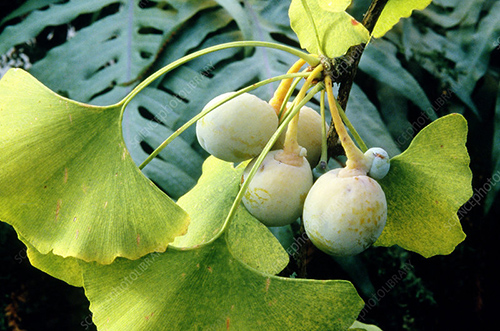
Ginkgo biloba is one of the oldest tree species on Earth and the only living member of its botanical family. It’s native to China, Japan, and Korea and now grows ornamentally across much of North America and Europe. [Mayo Clinic, 2025] Almost all modern ginkgo products use an extract made from the fan-shaped leaves, not the seeds.
Two groups of compounds get most of the credit for whatever effects ginkgo has. Flavone glycosides are antioxidants that help protect cells from oxidative damage. Terpene lactones — bilobalide and the ginkgolides A, B, and C — appear to widen small blood vessels and modestly reduce platelet stickiness. [StatPearls, 2023] That second action is also where most of ginkgo’s drug-interaction problems come from.
The most studied form is a standardized European extract called EGb 761, which is built to a fixed spec of 24% flavone glycosides and 6% terpene lactones. When you see headline studies on ginkgo, they were usually done with EGb 761, not with whatever capsule you picked up at the pharmacy.
Ginkgo biloba benefits at a glance
The table below summarizes what large reviews from the U.S. National Center for Complementary and Integrative Health (NCCIH) and the Mayo Clinic currently say about ginkgo for the conditions it’s most often used for. The rest of the article walks through each one.
| Claimed benefit | Evidence | What current reviews say |
| Preventing Alzheimer’s or dementia | No benefit | The GEM trial in more than 3,000 older adults found no difference in dementia rates between ginkgo and placebo over a median 6 years [NCCIH, 2025]. |
| Easing existing dementia symptoms | Mixed, modest | High-dose standardized extract (240 mg/day, often EGb 761) may produce small symptom improvements; results across trials are inconsistent [NCCIH, 2025; Mayo Clinic, 2025]. |
| Improving memory in healthy adults | Little to none | Most studies in cognitively healthy people show no meaningful effect on memory, attention, or processing speed [Mayo Clinic, 2025]. |
| Intermittent claudication (leg pain from PAD) | Limited | Some small studies showed slightly longer pain-free walking distance; larger trials have not confirmed a meaningful benefit [Mayo Clinic, 2025]. |
| Stroke recovery | Possible | NCCIH notes ginkgo might help rehabilitation after stroke, but evidence is preliminary [NCCIH, 2025]. |
| Anxiety, PMS, vertigo, schizophrenia | Limited / preliminary | Small trials hint at possible benefit; evidence is not strong enough to recommend ginkgo over established treatments [NCCIH, 2025]. |
| Tinnitus (ringing in the ears) | Not effective | Reviews do not show a reliable benefit [NCCIH, 2025]. |
| Lowering blood pressure or preventing heart disease | Not effective | Research does not support these uses [NCCIH, 2025]. |
Memory, dementia, and Alzheimer’s
This is the headline claim for ginkgo, and it’s where the evidence is weakest. The best test was the Ginkgo Evaluation of Memory (GEM) trial: more than 3,000 adults age 75 and older with normal cognition or mild cognitive impairment took 120 mg of standardized ginkgo extract twice daily, or placebo, for a median of about 6 years. Rates of dementia and Alzheimer’s were the same in both groups. [DeKosky et al., JAMA, 2008]
A follow-up analysis from the same trial looked at slower, milder cognitive decline — memory, attention, language, executive function — and again found no benefit from ginkgo over placebo. [Snitz et al., JAMA, 2009]
That’s where NCCIH lands now: “There’s no conclusive evidence that ginkgo is helpful for any health condition,” and specifically, “Ginkgo has not been shown to be beneficial for preventing or slowing the progression of dementia.” [NCCIH, 2025]
There’s one narrower finding worth keeping. In people who already have dementia — Alzheimer’s or vascular dementia — a 2020 meta-analysis of randomized trials found that high-dose ginkgo extract (usually 240 mg/day) produced small improvements in cognitive scores and daily function compared with placebo, particularly when neuropsychiatric symptoms like agitation were also present. [Liao et al., Clinical Neuropharmacology, 2020] The effects are modest, the trials are not all high quality, and ginkgo does not replace prescribed dementia treatment.
For healthy adults hoping ginkgo will sharpen memory or focus: most studies do not show that effect. [Mayo Clinic, 2025]
Circulation, leg pain, and intermittent claudication
Ginkgo’s terpene lactones widen blood vessels and reduce platelet aggregation, so it has long been used for circulation problems. The clearest test has been intermittent claudication — calf or thigh pain on walking caused by peripheral artery disease. Small studies suggested that people taking ginkgo could walk a little farther before pain hit. Larger trials have not consistently confirmed a meaningful benefit. [Mayo Clinic, 2025]
If your goal is better cardiovascular circulation overall, the evidence is much stronger for lifestyle and diet changes than for ginkgo. Useful starting points on this site include foods that battle arteriosclerosis, herbs that support healthy arteries, and herbs that support heart function.
Ginkgo is not a treatment for varicose veins, swollen ankles, Raynaud’s phenomenon, or chilblains. Older traditional sources list those uses, but the modern clinical-trial evidence does not support adding ginkgo to any of them as a primary treatment. Take these traditional indications with a healthy amount of skepticism.
Stroke recovery
NCCIH notes that ginkgo “might also be helpful in the rehabilitation of patients who have had strokes.” [NCCIH, 2025] That’s a careful statement based on preliminary evidence, mostly from trials done in China. It is not a green light to use ginkgo instead of standard stroke care, but it’s one of the few areas where the signal is not flat.
Anxiety, vertigo, PMS, and tinnitus
Small trials have looked at ginkgo for anxiety, premenstrual syndrome, schizophrenia, and vertigo, with hints of modest benefit. None of these results are strong enough to make ginkgo a first-line option for any of them, and bigger, better-designed studies are needed before drawing firm conclusions. [NCCIH, 2025]
Tinnitus is a special case because it gets recommended so often. Reviews do not show that ginkgo reliably reduces tinnitus or improves the underlying ear function. If you have persistent ringing in your ears, the right step is an evaluation by a clinician, not a ginkgo bottle.
Blood pressure and heart disease
Ginkgo is not a treatment for high blood pressure or coronary artery disease. [NCCIH, 2025] For lifestyle and dietary approaches that actually do affect blood pressure, see the lists of foods that can raise blood pressure and herbs that may help support healthy blood pressure.
How ginkgo is used: forms and typical doses
Standardized leaf extract is the form used in research. Dosing in most studies has been 120–240 mg per day, split into two or three doses, taken for at least 8 weeks. 240 mg/day is the upper end used in clinical trials and is generally treated as the ceiling. [StatPearls, 2023]
| Form | Typical use in research | Important notes |
| Standardized leaf extract (e.g., EGb 761) | 120–240 mg/day, split into 2–3 doses, for at least 8 weeks | Most studied form. 240 mg/day is the ceiling used in trials. |
| Capsules / tablets (general supplement) | Look for products labeled 24% flavone glycosides + 6% terpene lactones (the EGb 761 spec) | Quality varies. Third-party tested products are more reliable. |
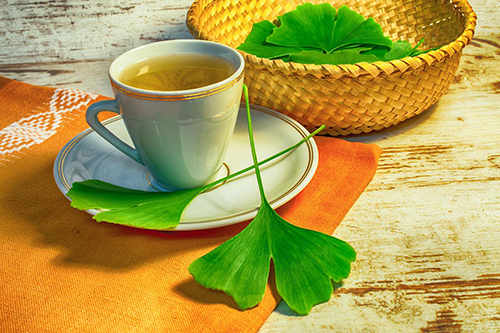
| Ginkgo tea (leaf) | Used traditionally; not equivalent to standardized extract | Active compound content is lower and inconsistent. |
| Ginkgo seeds (raw or roasted) | Do not consume | Contains ginkgotoxin and can cause poisoning and seizures. |
If you’re going to try ginkgo, look for a product labeled with the EGb 761 specification — 24% flavone glycosides and 6% terpene lactones — and choose brands with third-party testing (USP, NSF, or ConsumerLab). Supplements are not reviewed by the FDA the way drugs are; product quality varies. [NCCIH, 2025]
Give any honest trial of ginkgo at least 6–8 weeks before judging whether you feel a difference. Effects, when present, build slowly.
Side effects
In typical doses, standardized ginkgo leaf extract is reasonably well tolerated in adults. The most common side effects reported in studies are:
- Headache
- Dizziness or feeling lightheaded
- Upset stomach, nausea, constipation, or diarrhea
- Heart palpitations (a racing or pounding sensation)
- Skin reactions and allergic rashes
- Low sodium levels, in some reports
Source: [Mayo Clinic, 2025]; [Cleveland Clinic, 2026].
The more serious safety issue is bleeding. Ginkgo can reduce platelet stickiness, and several case reports describe bleeding events — including intracranial bleeds — in people taking ginkgo, particularly when it was combined with other blood thinners. [Poison Control, 2024]
Drug interactions to know about
Ginkgo is on most pharmacists’ watch list for drug interactions. The main ones, drawn from Mayo Clinic and Cleveland Clinic summaries:
- Anticoagulants and antiplatelet drugs — warfarin, apixaban, rivaroxaban, clopidogrel, aspirin. Combining with ginkgo raises bleeding risk.
- NSAIDs — ibuprofen and similar drugs, especially used long term. Bleeding risk rises with ginkgo.
- Anticonvulsants and seizure-threshold-lowering drugs — ginkgo, especially the seeds, can reduce the effectiveness of seizure medications and may lower the seizure threshold.
- Antidepressants and anti-anxiety drugs — fluoxetine (Prozac), alprazolam (Xanax). Ginkgo can reduce the effect of some of these.
- Some statins — simvastatin and atorvastatin can be less effective when combined with ginkgo.
- Diabetes medications — ginkgo can change how the body responds to insulin and oral diabetes drugs. Monitor blood sugar closely.
If you’re on any prescription medication, check with your pharmacist before adding ginkgo. [Mayo Clinic, 2025]
If you’d like a wider overview of how blood-thinning herbs work and where they fit, this site’s roundup of blood-cleansing and blood-thinning herbs is a useful companion read.
Who should avoid ginkgo
Based on current safety guidance from Mayo Clinic, NCCIH, and the National Capital Poison Center, ginkgo is not a good fit for the following groups:
- People who are pregnant or breastfeeding. Ginkgo may cause early labor or excess bleeding during delivery, and there isn’t enough data on use during breastfeeding. [LactMed, 2021]
- People with a bleeding disorder or on blood thinners. The bleeding risk outweighs any likely benefit.
- Anyone scheduled for surgery in the next two weeks. The American Society of Anesthesiologists recommends stopping herbal medicines two to three weeks before elective surgery, and specifically calls out ginkgo. [Poison Control, 2024]
- People with epilepsy or any history of seizures. High amounts of ginkgo can lower the seizure threshold.
- People with diabetes, unless their clinician is monitoring blood sugar — ginkgo can interact with diabetes medications.
- Children. Ginkgo has not been studied in children for general use.
- Older adults at risk of falls. Dizziness and bleeding risk both matter more in this group.
Ginkgo seeds are not the same as ginkgo extract
This is the part most consumer articles either skip or get wrong. The fruit and seed of the ginkgo tree are not safe food. They contain a compound called ginkgotoxin (4′-O-methylpyridoxine), and eating them — especially raw seeds, but also large amounts of roasted seeds — can cause vomiting, seizures, and in serious cases death. [Mayo Clinic, 2025]
Most cases of ginkgo seed poisoning have been reported in East Asia, where the seeds are sometimes eaten as a delicacy. Children are at highest risk. The standardized leaf extract used in supplements is processed to remove ginkgotoxin and is a completely different product from the seeds. Don’t confuse the two.
Realistic expectations
If you decide to try ginkgo, calibrate expectations against what trials actually show:
- It will not prevent dementia or Alzheimer’s. The largest trial we have says it doesn’t.
- It is unlikely to give a healthy adult a noticeable boost in memory or focus.
- For someone already living with mild-to-moderate dementia, a high-dose standardized extract may produce small symptom improvements when added to standard care — under medical supervision.
- For circulation, anxiety, vertigo, or PMS, results in studies are inconsistent. Some people may feel a difference; many won’t.
- It is not a substitute for treatment of any diagnosed condition.
When to talk to a doctor
Before starting ginkgo, check in with a clinician or pharmacist if any of the following apply: you take any prescription medication, you have a bleeding disorder, you have epilepsy or diabetes, you are pregnant or breastfeeding, you have surgery planned, or you are using ginkgo because you’re worried about memory changes.
Stop ginkgo and seek urgent care if you experience any of these red-flag symptoms: unusual bruising or bleeding (nosebleeds that won’t stop, bleeding gums, blood in urine or stool), sudden severe headache, fainting, signs of stroke (face drooping, arm weakness, slurred speech), a seizure, or signs of a serious allergic reaction (swelling of the face or throat, trouble breathing, widespread hives).
New, persistent forgetfulness in yourself or a family member is also worth a medical evaluation — not a supplement experiment. Many causes of memory change are treatable when caught early.
| Health Disclaimer This article is for general education and is not medical advice, diagnosis, or treatment. Ginkgo biloba is a supplement, not a drug, and supplements are not reviewed by the FDA before they reach the shelf. Quality and active-compound content vary between products. Do not use ginkgo to self-treat dementia, stroke, heart disease, tinnitus, anxiety, or any other diagnosed condition without talking to a clinician. If you take prescription medication, are pregnant or breastfeeding, have a bleeding disorder, have epilepsy or diabetes, or have surgery planned in the next two weeks, talk to your doctor or pharmacist before starting ginkgo. Stop ginkgo and seek urgent care for unusual bleeding, fainting, severe headache, a seizure, or signs of an allergic reaction. |
Frequently asked questions
Is it safe to take ginkgo biloba every day?
For most healthy adults not in the “who should avoid” groups above, standardized ginkgo leaf extract has been used daily in clinical studies for up to six years without major safety problems. [NCCIH, 2025] That said, daily use is not risk-free: bleeding risk and drug interactions still apply. Don’t take ginkgo daily without telling your clinician, and stop it at least two weeks before any planned surgery.
How long does ginkgo take to work?
Most trials measure outcomes after 8–24 weeks of daily use. If you’re going to try it, give it at least 6–8 weeks at a steady dose before deciding whether it’s doing anything. Anything advertised as a same-day cognitive boost from a single dose is overselling what the research supports.
Can ginkgo biloba raise blood pressure?
In healthy adults, ginkgo doesn’t typically raise blood pressure, and research does not support using it to lower blood pressure either. [NCCIH, 2025] If you’re being treated for hypertension, the meaningful changes will come from medication adherence and diet — not ginkgo.
Does ginkgo biloba thin your blood?
Ginkgo modestly reduces platelet stickiness, and case reports link it to bleeding events. It is not a prescription blood thinner, but it can add to the effect of one, and that’s why it interacts with warfarin, aspirin, NSAIDs, and other blood-thinning drugs.
Is ginkgo tea as good as the extract?
No. Almost all of the research has been done with standardized leaf extract, especially EGb 761, at doses of 120–240 mg per day. A cup of ginkgo tea delivers a small and variable amount of the active compounds, so you can’t assume the tea will produce the effects seen in trials of the extract.
Should I take ginkgo to prevent Alzheimer’s?
No. The largest randomized trial we have — the GEM study, more than 3,000 older adults followed for a median of 6 years — found that ginkgo did not reduce the rate of dementia or Alzheimer’s compared with placebo. [DeKosky et al., 2008] If dementia prevention is your goal, focus on the things that are known to help: blood pressure control, regular physical activity, hearing care, sleep, social engagement, and treatment of diabetes.
References
- National Center for Complementary and Integrative Health (NCCIH). Ginkgo: Usefulness and Safety. Updated February 2025. → View source (NCCIH)
- Mayo Clinic. Ginkgo (Drugs and Supplements). Updated March 21, 2025. → View source (Mayo Clinic)
- DeKosky ST, Williamson JD, Fitzpatrick AL, et al. Ginkgo biloba for prevention of dementia: a randomized controlled trial. JAMA. 2008;300(19):2253–2262. → View source (PubMed)
- Snitz BE, O’Meara ES, Carlson MC, et al. Ginkgo biloba for preventing cognitive decline in older adults: a randomized trial. JAMA. 2009;302(24):2663–2670. → View source (PubMed)
- Liao Z, Cheng L, Li X, et al. Meta-analysis of Ginkgo biloba preparation for the treatment of Alzheimer’s disease. Clinical Neuropharmacology. 2020;43(4):93–99. → View source (PubMed)
- Mahadevan S, Park Y. Multifaceted therapeutic benefits of Ginkgo biloba L.: chemistry, efficacy, safety, and uses (StatPearls). NCBI Bookshelf, last updated 2023. → View source (StatPearls)
- Drugs and Lactation Database (LactMed). Ginkgo. National Institute of Child Health and Human Development. Updated May 2021. → View source (LactMed)
- National Capital Poison Center. Ginkgo biloba: Risks and benefits. → View source (Poison Control)
- Cleveland Clinic. Ginkgo: Uses, Interactions & Side Effects. Updated 2026. → View source (Cleveland Clinic)
