
Natural ways to support nitric oxide start with the basics: nitrate-rich vegetables, regular movement, good oral habits, and caution with supplements. That may sound less exciting than a “nitric oxide booster,” but it is closer to what the evidence actually supports.
Nitric oxide is a short-lived signaling molecule your body uses to help blood vessels relax and widen. That matters for normal circulation, blood pressure regulation, and exercise blood flow. Your body can make nitric oxide from the amino acid L-arginine, and it can also use dietary nitrates from vegetables through a pathway that involves bacteria in your mouth. Mayo Clinic describes L-arginine as involved in widening blood vessels, and NIH notes that beetroot-derived nitrate is proposed to work partly through conversion into nitric oxide and vasodilation.
The key word is support. These habits are not a substitute for blood pressure medication, heart care, or medical treatment. They are reasonable ways to support normal nitric oxide pathways as part of a heart-healthy lifestyle.
What nitric oxide does in the body
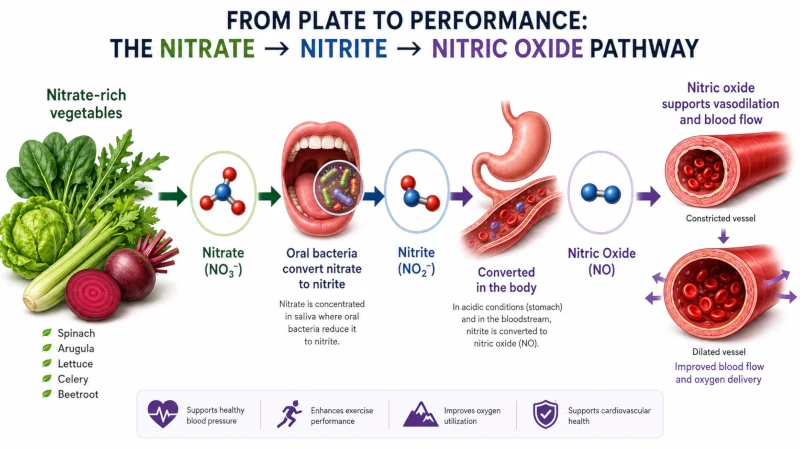
Nitric oxide helps blood vessels relax. When blood vessels relax, blood can move more easily through them. That is one reason nitric oxide gets attention in conversations about blood pressure, circulation, and exercise performance.
Your body makes nitric oxide in more than one way. One route uses L-arginine, an amino acid found in protein-rich foods. Another route starts with nitrates from foods such as beets and leafy greens. Oral bacteria help convert nitrate into nitrite, which can then be converted into nitric oxide under the right conditions.
That does not mean every food, powder, or capsule marketed for nitric oxide produces meaningful health benefits. The strongest practical evidence is not for miracle supplements. It is for dietary patterns and habits that support cardiovascular health over time.
Natural ways to support nitric oxide with the best evidence
1. Eat more nitrate-rich vegetables
Vegetables are the most practical starting point. Beets, beetroot juice, spinach, arugula, lettuce, celery, and other leafy greens can contribute dietary nitrate. Your body can use that nitrate as part of the nitrate-nitrite-nitric oxide pathway.

The best-supported food in this area is beetroot or inorganic nitrate supplementation, especially for short-term blood pressure effects. A 2013 systematic review and meta-analysis in The Journal of Nutrition reviewed 16 randomized trials with 254 participants and found that inorganic nitrate and beetroot juice supplementation reduced systolic blood pressure by an average of 4.4 mm Hg. The effect on diastolic blood pressure was smaller and did not clearly reach statistical significance. The authors also noted that longer-term trials were still needed.
That is useful, but it is not a cure. A few points of systolic blood pressure reduction can matter at a population level, yet it does not replace prescribed treatment for hypertension.
| Goal | What to do |
| Daily vegetable support | Add a serving of leafy greens, beets, or other nitrate-rich vegetables most days. |
| Pre-workout option | Consider beetroot juice before exercise if you tolerate it, especially if you are a recreational exerciser. |
| Safer long-term habit | Build meals around vegetables rather than relying on concentrated powders every day. |
| Medication caution | Ask a clinician before using beetroot concentrates if you take blood pressure medication or have a condition where blood pressure changes matter. |
2. Move your body most days
Regular physical activity is one of the most reliable ways to support vascular health. The CDC recommends that adults aim for at least 150 minutes of moderate-intensity aerobic activity each week, plus muscle-strengthening activity on 2 days. The CDC also emphasizes that some activity is better than none.

You do not need to train like an athlete. Brisk walking, cycling, swimming, light jogging, resistance training, and active chores all count when they raise your effort level.
A simple weekly target:
- Walk briskly for 30 minutes, 5 days per week.
- Add 2 short strength sessions using weights, bands, machines, or bodyweight movements.
- Break up long sitting periods with 2-5 minutes of movement.
Exercise supports more than nitric oxide. It also helps blood pressure, insulin sensitivity, weight management, sleep, mood, and overall cardiovascular risk. That broader benefit is why movement belongs near the top of the list.
3. Be careful with strong antibacterial mouthwash
The nitrate pathway begins partly in the mouth. Certain oral bacteria help convert nitrate from vegetables into nitrite, an intermediate step in nitric oxide production.
This does not mean mouthwash is “bad.” It does mean frequent use of strong antibacterial mouthwash may not be ideal for everyone, especially if you are using it many times per day without a dental reason. A 2026 Health.com review summarized research suggesting that heavy antibacterial mouthwash use may affect oral bacteria involved in nitrate conversion, while also noting that the evidence is mixed and not proof that mouthwash directly causes high blood pressure.
The practical move is moderation. Brush, floss, and see a dentist. Use antiseptic mouthwash as directed, especially if it was prescribed after dental work or for gum disease. Avoid turning strong antibacterial rinses into an all-day habit unless your dentist has told you to.
4. Get amino-acid support from food first
L-arginine is one building block your body can use to make nitric oxide. Mayo Clinic notes that people usually get enough L-arginine from protein-rich foods, including fish, red meat, poultry, soy, whole grains, beans, and dairy products.
Food-first options include:
- beans and lentils
- soy foods such as tofu, tempeh, and edamame
- fish and poultry
- yogurt or other dairy foods, if tolerated
- whole grains
- nuts and seeds
This is not about eating huge amounts of protein. It is about having enough protein across the day and pairing it with a vegetable-rich diet. That combination supports overall cardiovascular health better than focusing on one amino acid.
5. Treat “nitric oxide booster” supplements cautiously
Many supplements marketed for nitric oxide contain L-arginine, L-citrulline, beetroot powder, nitrate salts, or blends of several ingredients. Some may help certain people in certain contexts, but the evidence is not equally strong across products.
NIH’s Office of Dietary Supplements describes the evidence for L-arginine and L-citrulline in exercise performance as limited or conflicting. It also notes that beetroot or beetroot juice may help some recreationally active people in some exercise settings, while findings are not consistent across all groups and protocols. NIH ODS, Exercise and Athletic Performance Fact Sheet
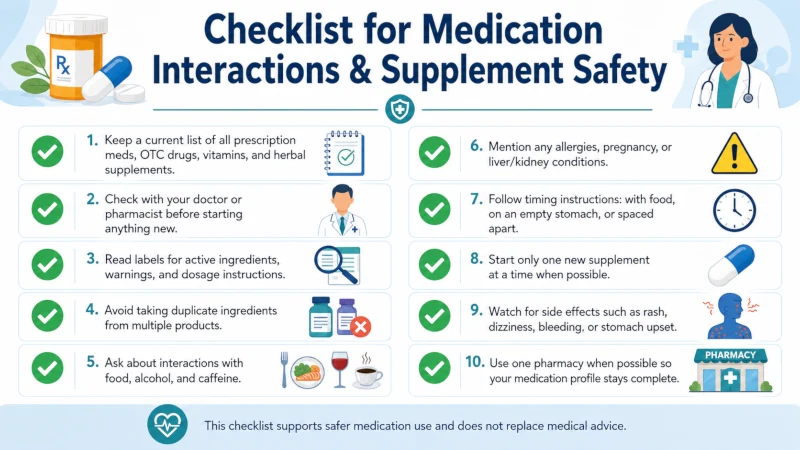
Safety deserves real attention. The FDA does not approve dietary supplements before they are marketed, and manufacturers are responsible for meeting legal requirements. The FDA advises people to check with a healthcare professional before using supplements, especially because supplements can interact with medicines.
L-arginine is a good example. Mayo Clinic describes oral L-arginine as generally safe for many people, but it can cause nausea, abdominal pain, diarrhea, bloating, headache, allergic response, airway inflammation, and worsening asthma. Mayo Clinic also warns against L-arginine after a recent heart attack and lists possible interactions with blood pressure drugs, diabetes drugs, nitrates, blood thinners, potassium-sparing diuretics, and sildenafil. Mayo Clinic, 2026
Do not combine nitric oxide supplements with prescription heart, blood pressure, chest pain, erectile dysfunction, diabetes, or blood-thinning medications unless your clinician says it is safe.
A simple daily plan for nitric oxide support
Here is a realistic plan that does not depend on expensive supplements. If blood pressure is the reason you are trying this, pair the plan with a home blood pressure tracking routine so you can judge real trends.
- Morning: Eat a vegetable-forward breakfast or lunch later in the day. If breakfast is light, plan greens or beets with lunch.
- Midday: Walk for 10-20 minutes after a meal. This helps movement become part of your normal day instead of a separate project.
- Afternoon or evening: Include a nitrate-rich vegetable with dinner, such as spinach, arugula, beet salad, roasted beets, or a mixed green salad.
- Weekly: Aim for 150 minutes of moderate activity and 2 strength sessions, matching CDC guidance.
- Oral care: Brush and floss consistently. Use antibacterial mouthwash when needed, but avoid excessive use unless your dentist recommends it.
- Supplements: Consider them optional, not foundational. If you use one, choose a third-party-tested product when possible and review it with a clinician if you take medication or have a medical condition.
Safety: who should be careful
Talk with a healthcare professional before using beetroot concentrates, L-arginine, L-citrulline, nitrate supplements, or “nitric oxide booster” blends if you:
- take medication for high blood pressure
- use nitrates for chest pain
- take sildenafil or similar erectile dysfunction medication
- use blood thinners or antiplatelet drugs
- take diabetes medication
- have heart disease, kidney disease, or a history of recent heart attack
- have asthma that worsens with supplements
- are pregnant, trying to become pregnant, or breastfeeding
- have been advised to follow a kidney, potassium, sodium, or low-oxalate diet
Pregnancy deserves extra care. Mayo Clinic notes that L-arginine has been studied for pregnancy-related blood pressure issues, but that does not make self-treatment safe. Pregnancy-related high blood pressure and preeclampsia need medical supervision. Mayo Clinic, 2026
When to seek medical help
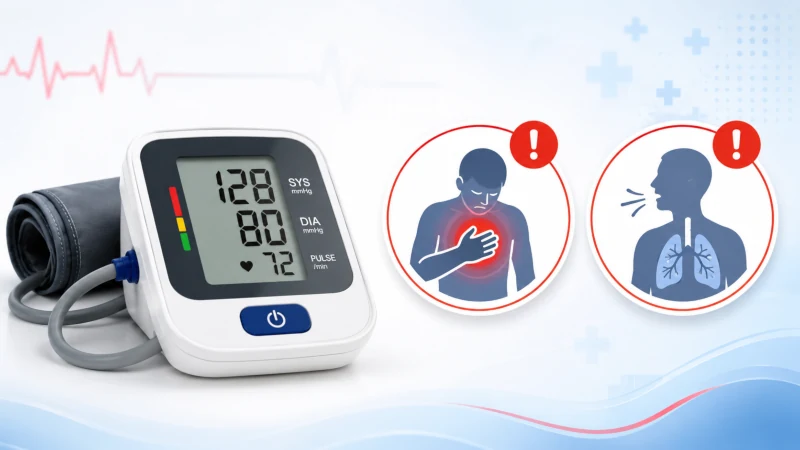
Natural strategies are not enough if you have concerning symptoms or very high blood pressure. The American Heart Association says a blood pressure reading higher than 180/120 mm Hg can be a hypertensive crisis. If that reading is accompanied by chest pain, shortness of breath, back pain, numbness, weakness, vision changes, difficulty speaking, or other concerning symptoms, call 911.
Also contact a healthcare professional if you have repeated high blood pressure readings, dizziness or fainting after starting a supplement, chest pain during exercise, new shortness of breath, or swelling in your legs.
| This article is for general education only. It is not medical advice, diagnosis, or treatment. Nitric oxide-related foods and supplements can affect blood pressure and may interact with medications. Talk with a qualified healthcare professional before changing your treatment plan, starting a supplement, or using dietary nitrate products for a medical condition. |
Frequently Asked Questions
What foods naturally support nitric oxide?
Nitrate-rich vegetables are the best starting point. Beets, beetroot juice, spinach, arugula, lettuce, celery, and other leafy greens can support the nitrate-nitrite-nitric oxide pathway. Protein-rich foods also provide L-arginine, which your body can use in nitric oxide production. Siervo et al., 2013 and Mayo Clinic, 2026
Does beetroot juice really help blood pressure?
It may help modestly in the short term. A 2013 meta-analysis found that inorganic nitrate and beetroot juice supplementation reduced systolic blood pressure by an average of 4.4 mm Hg across 16 randomized trials, but the authors called for longer-term research. Siervo et al., 2013
Are nitric oxide supplements safe?
Not automatically. Supplements can contain L-arginine, citrulline, beetroot powder, nitrates, or blends, and the FDA does not approve dietary supplements before they are sold. L-arginine can also interact with blood pressure drugs, nitrates, diabetes drugs, blood thinners, potassium-sparing diuretics, and sildenafil. FDA dietary supplement Q&A and Mayo Clinic, 2026
Is L-citrulline better than L-arginine?
The evidence is not strong enough to make a broad “better” claim. NIH describes exercise-performance evidence for citrulline as limited, with few trials and mixed findings. It also notes possible gastrointestinal discomfort at some doses. NIH ODS
Can mouthwash lower nitric oxide?
Possibly, depending on the type and frequency of use, but the evidence is mixed. The concern is that strong antibacterial rinses may reduce oral bacteria involved in nitrate conversion. Use mouthwash as directed, and do not stop a dentist-prescribed rinse without asking your dentist. Health.com, 2026
References
- Siervo M, Lara J, Ogbonmwan I, Mathers JC. “Inorganic Nitrate and Beetroot Juice Supplementation Reduces Blood Pressure in Adults: A Systematic Review and Meta-Analysis.” The Journal of Nutrition. 2013. DOI: 10.3945/jn.112.170233. View source
- Mayo Clinic Staff. “L-arginine.” Mayo Clinic. Updated March 16, 2026. View source
- NIH Office of Dietary Supplements. “Dietary Supplements for Exercise and Athletic Performance: Fact Sheet for Health Professionals.” View source
- Centers for Disease Control and Prevention. “Adult Activity: An Overview.” View source
- U.S. Food and Drug Administration. “Questions and Answers on Dietary Supplements.” View source
- American Heart Association. “When To Call 911 About High Blood Pressure.” View source
- Health.com. “Is Mouthwash Raising Your Blood Pressure? Here’s What Experts Say.” View source
