
Digestive Health
Understand common digestive symptoms, conditions, and the everyday factors that influence gut health. Explore evidence-informed guides to reflux, IBS, constipation, bloating, gallbladder health, fiber, probiotics, food choices, and supportive natural approaches.
Start with a symptom, explore a condition, or learn how food and lifestyle affect digestion.
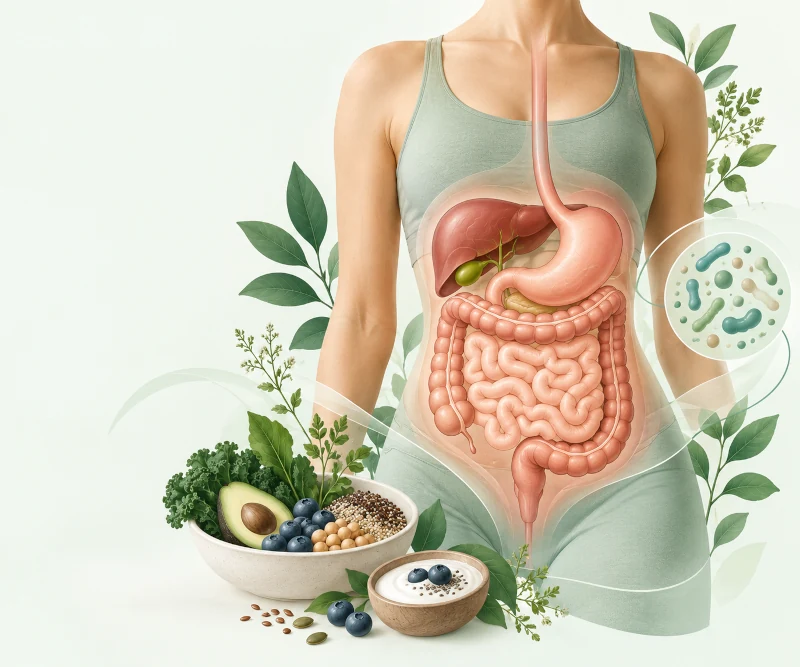
What are you dealing with?
Choose a symptom or digestive topic to jump to the most relevant guidance and featured resources.
Heartburn & Reflux
Explore upper-digestive issues including reflux symptoms, hiatal hernia guidance, foods, testing, and treatment pathways.
Bloating & Gas
Find guidance on common causes of bloating, gas, food triggers, and supportive digestion strategies.
Constipation
See evidence-informed resources on bowel regularity, fiber, foods, teas, and related digestive support.
Diarrhea
Review possible causes, food strategies, hydration support, and when symptoms should be medically evaluated.
IBS
Browse IBS-centered guidance covering food triggers, anti-inflammatory eating, and low-FODMAP-related support.
Gallbladder & Gallstones
Jump to your strongest digestive-content cluster on gallstones, diet, remedies, procedures, and gallbladder support.
Start with the foundations of a healthy gut
Digestion depends on more than avoiding symptoms. Fiber, food variety, fermented foods, hydration, and bowel regularity all influence how comfortably the digestive system works.
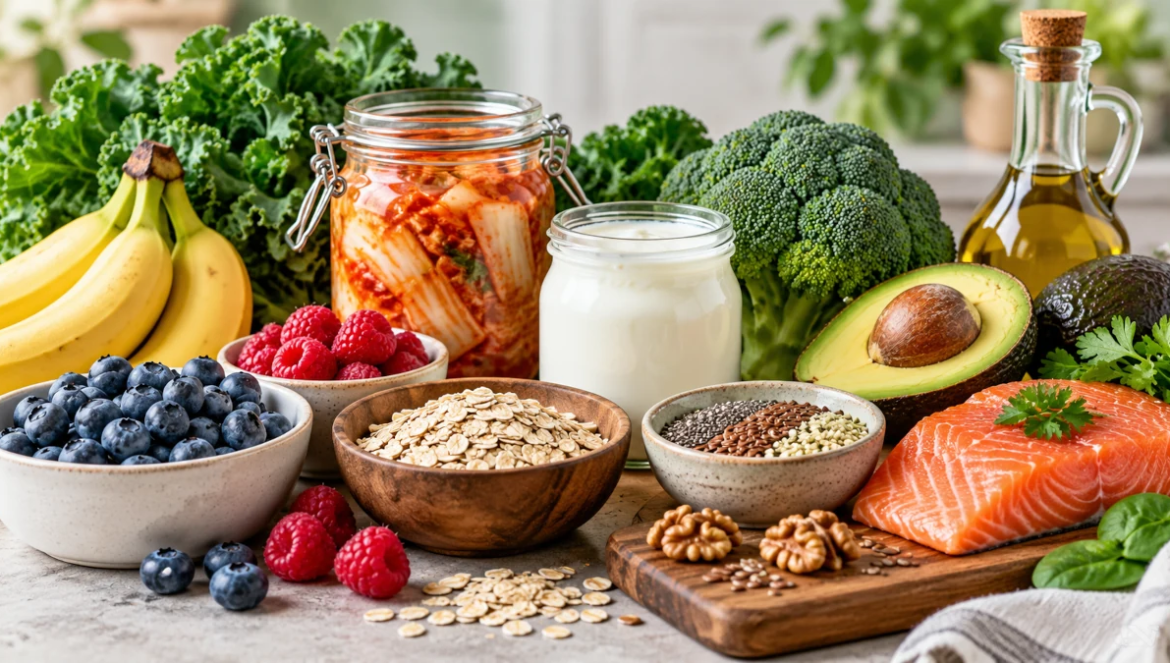
The 10 Best Foods for Gut Health
Learn which foods support gut bacteria, regularity, and everyday digestive comfort—and what the evidence actually shows about fiber, fermented foods, and probiotics.
Build your digestive foundation
Fiber-Rich Foods: The Best Natural Sources
A practical introduction to dietary fiber and the plant foods that provide it.
Best Probiotics for Bloating and Gas
A cautious look at strain-specific probiotic evidence, realistic expectations, and where the research remains uncertain.
Herbs for the Digestive System
An overview of traditional digestive herbs and how they are commonly used to support digestive function.
Heartburn, Reflux & Hiatal Hernia
Heartburn and acid reflux can occur for several reasons, and a hiatal hernia is one possible contributor. Start with the featured treatment guide, then explore food choices, surgery and recovery, and the connection with gastric sleeve procedures.
FEATURED GUIDE
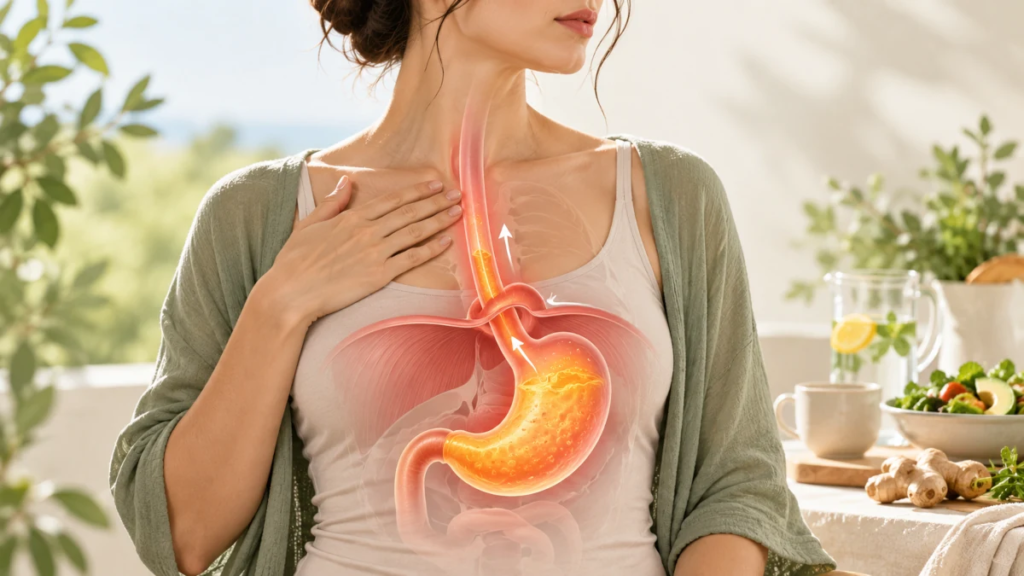
Hiatal Hernia Treatment Options
Understand what a hiatal hernia is, how reflux fits into the picture, when lifestyle changes or medication may help, and when surgery may be considered.
Explore the resource center
Eating With a Hiatal Hernia
Explore foods and common dietary triggers that may affect reflux symptoms.
Weight Changes After Hiatal Hernia Surgery
Learn why eating patterns and body weight may change during recovery and what to discuss with your care team.
Hiatal Hernia and Gastric Sleeve Surgery
Understand why the two conditions often intersect, how reflux factors into the decision, and why screening matters.
IBS & Changing Bowel Habits
IBS can involve abdominal pain along with constipation, diarrhea, or a mixture of both. Explore IBS-specific diet guidance first, then jump to practical resources for the bowel symptom that matters most to you.
Anti-Inflammatory Diet vs Low FODMAP Diet for IBS
Both approaches may sound healthy, but they serve different purposes. See how a low FODMAP strategy differs from an anti-inflammatory eating pattern, where the evidence is strongest, and why individual food tolerance matters.
Continue exploring IBS
Supporting Regularity
Explore fiber, food choices, hydration, and carefully selected digestive supports that may help with occasional constipation.
Food, Fluids & Recovery
Learn what to eat and drink during short bouts of diarrhea, with an emphasis on hydration, gentle foods, and knowing when symptoms require medical attention.
Find Your Triggers
Understand why certain foods produce more intestinal gas and how fiber, FODMAPs, lactose, and individual tolerance can affect symptoms.
Gallbladder & Gallstones
Gallstones can be symptom-free or cause significant pain and complications. Start by understanding what stone size does—and does not—tell you, then explore food choices, treatment options, procedures, and evidence-informed natural support.
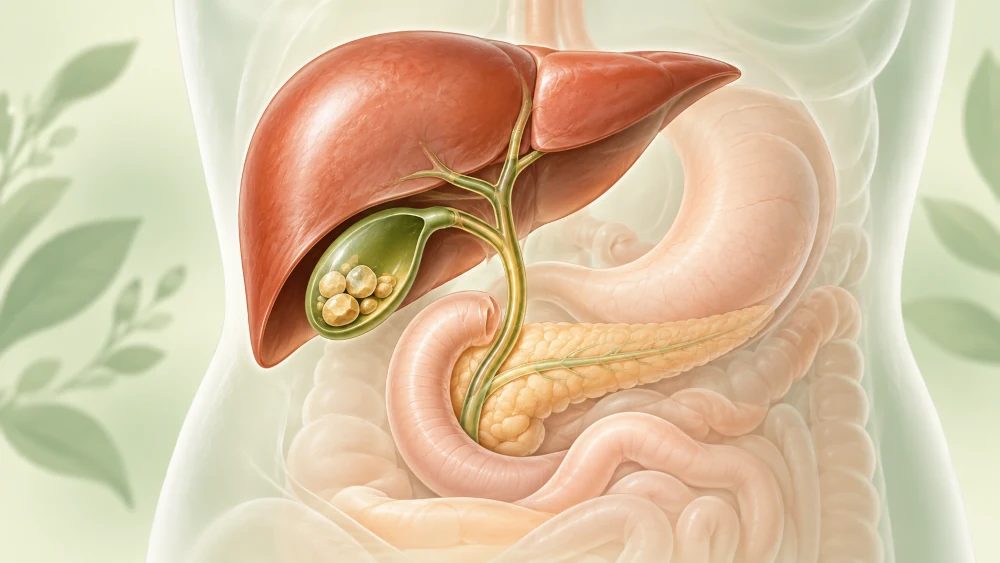
Gallstones Size Chart: What Your Stone Size Really Means
Put an ultrasound measurement into perspective and learn why a small stone is not automatically harmless—or a large stone automatically dangerous. Size is only one part of the clinical picture.
What to Eat With Gallstones
Explore lower-fat, fiber-rich food choices that may be easier to tolerate while supporting an overall gallbladder-friendly eating pattern.
Herbs for the Gallbladder and Liver
See which herbs have meaningful human evidence, which rely mainly on traditional use, and when gallstones or bile-duct obstruction make herbal self-treatment inappropriate.
Can Sound Waves Treat Gallstones?
Learn where shock-wave lithotripsy fits into gallstone treatment, why it is used only selectively, and how it differs from surgery or medication.
Can You Eat Bananas With Gallstones?
Get a straightforward answer to a common food question and learn why individual tolerance and the overall dietary pattern matter more than one fruit.
Herbs, Foods & Supplements for Digestive Comfort
Natural digestive support can be useful for some symptoms, but evidence varies widely by ingredient and condition. These guides separate better-supported options from traditional claims and explain when self-treatment is not appropriate.
Fennel for Gas, Bloating & Indigestion
Fennel is one of the better-supported traditional digestive herbs for occasional gas and bloating. Learn what the human research suggests, how food and tea differ from concentrated extracts, and who should be cautious.
How strong is the evidence?
Probiotics for Bloating & Gas
Some strains may help certain people, but effects are strain-specific and major GI guidelines do not support treating probiotics as a universal IBS solution.
Papaya & Digestive Enzymes
Papaya contains papain, a protein-digesting enzyme, but the evidence for major digestive benefits from ordinary fresh fruit is much thinner than marketing claims suggest.
Herbs for the Digestive System
Browse traditional digestive herbs, while keeping in mind that the quality of evidence varies substantially from one plant to another.
Explore Other Digestive Concerns
Some digestive conditions need more specialized guidance than everyday symptom management. Explore these additional resources on inflammatory bowel disease, celiac-related nutrition, rectal health, and intestinal infections.
Ulcerative Colitis & Diet
Learn how eating patterns may change during a flare versus remission, including fiber, hydration, meal size, and the importance of individualized food tolerance.
Hemorrhoids, Irritation & Rectal Health
Review supportive measures for hemorrhoids and irritation, including fiber and stool-softening strategies—and why unexplained rectal bleeding should be medically evaluated.
Celiac Disease & Nutrient Needs
Explore common nutrient gaps associated with celiac disease and why supplements should complement—not replace—a balanced gluten-free diet and appropriate medical follow-up.
Intestinal Worms & Parasites
Learn why persistent digestive symptoms should be properly diagnosed rather than treated on the assumption that parasites are the cause.
How We Evaluate Digestive-Health Advice
Digestive-health advice can range from well-established medical guidance to promising research and long-standing traditional use. We aim to make those differences clear so you can understand what is known, what remains uncertain, and when professional care matters.
Start With Established Evidence
We prioritize credible sources such as medical organizations, government health agencies, academic institutions, and peer-reviewed research when evaluating digestive-health claims.
Separate Research From Tradition
A food, herb, probiotic, or remedy may have promising evidence, limited evidence, or mainly traditional use. Those categories should not be presented as though they carry the same level of certainty.
Explain More Than Potential Benefits
We aim to include limitations, uncertainty, important risks, and situations where symptoms or treatment decisions deserve evaluation by a qualified healthcare professional.
When Digestive Symptoms Need Medical Attention
Many digestive symptoms are temporary, but some can signal bleeding, obstruction, severe infection, or another condition that should not be managed with diet or home remedies alone.
Seek urgent medical care for:
• Vomiting blood or material that looks like coffee grounds
• Black, tarry stools or significant blood in the stool
• Severe, sudden, or persistent abdominal pain
• Persistent vomiting or inability to keep fluids down
• Signs of significant dehydration, fainting, or severe dizziness
Arrange medical evaluation for:
• Difficulty or pain with swallowing
• Unexplained weight loss or loss of appetite
• Yellowing of the skin or eyes
• Digestive symptoms that persist, worsen, or repeatedly return
• A significant or unexplained change in bowel habits
This list is not exhaustive. If symptoms are severe, rapidly worsening, or you are unsure whether they are urgent, seek medical advice rather than delaying care.
Explore Related Natural Health Topics
Digestive health overlaps with food choices, natural remedies, and supplements. Explore these broader sections for related guidance beyond digestive conditions.
Nutrition
Explore food choices, nutrients, eating patterns, recipes, and practical strategies for supporting overall health.
Herbs & Remedies
Browse evidence-informed guides to herbs, traditional remedies, supportive therapies, benefits, limitations, and safety.
Supplements
Learn about vitamins, minerals, dietary supplements, potential benefits, risks, interactions, and smarter ways to evaluate supplement claims.
Latest Digestive Health Guides
Browse the newest articles, updates, and practical guides from our Digestive Health library.

