
If you think you or your child has worms, the safest first step is not a parasite cleanse. It is figuring out what kind of worm may be involved and treating it correctly. Natural remedies for worms can support hygiene, nutrition, and prevention, but they should not replace proven deworming medicine when an infection is suspected or confirmed. [CDC pinworm guidance, 2024]
Some home steps are genuinely useful: wash hands carefully, keep fingernails short, launder bedding and underwear during a pinworm infection, cook meat safely, wash produce, and avoid barefoot contact with contaminated soil. Those measures lower spread and reinfection risk. They do not reliably kill established intestinal worms by themselves. [CDC pinworm prevention, 2026] [WHO soil-transmitted helminth fact sheet, 2023]
Quick answer: natural support helps, but it is not a substitute for treatment
For pinworms, roundworms, hookworms, whipworms, and tapeworms, standard treatment usually means an anti-parasitic medicine chosen for the specific infection. For common soil-transmitted worms, CDC clinical guidance describes short medication courses as highly effective, and WHO notes that safe, effective medicines are available. [CDC clinical care, 2024] [WHO, 2023]
That does not make home care useless. It means home care has the right job: reducing spread, preventing reinfection, supporting nutrition, and helping you know when symptoms need medical care.
What kind of worms are we talking about?
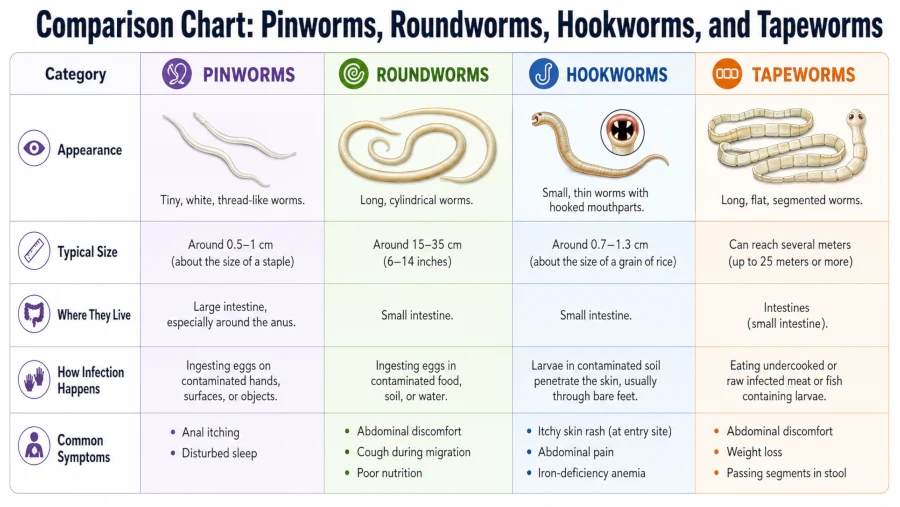
“Worms” is a broad search term. The safe advice depends on the organism. A remedy that sounds harmless for one situation can be useless or risky in another.
Pinworms
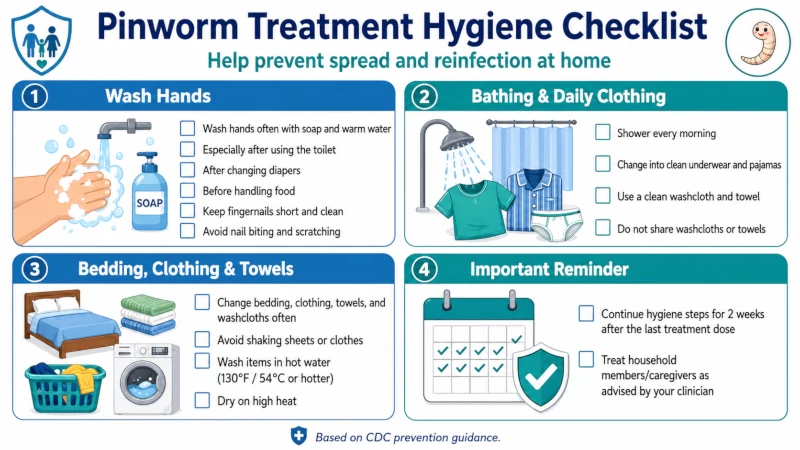
Pinworms are tiny intestinal worms that often cause itching around the anus, especially at night. They spread easily when microscopic eggs get onto fingers, bedding, clothing, bathroom surfaces, toys, or food. CDC notes that pinworm eggs can survive on surfaces for weeks, which is why hygiene and laundry matter so much. [CDC pinworm infection, 2024]
Roundworms, whipworms, and hookworms
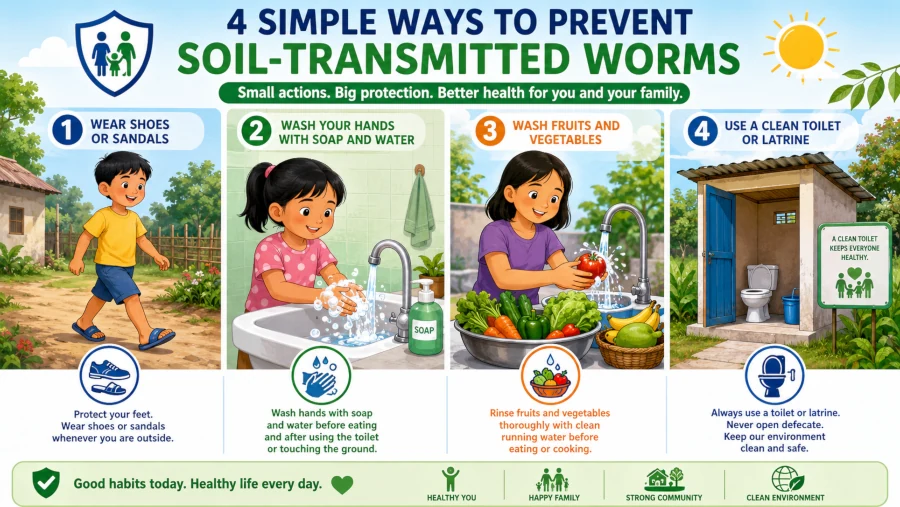
These are often grouped as soil-transmitted helminths. They spread through eggs in feces-contaminated soil or, in the case of hookworm, through larvae that can penetrate skin. WHO describes these infections as common worldwide and especially linked with sanitation, contaminated soil, and areas where safe disposal of human waste is limited. [WHO, 2023] CDC also notes that Ascaris infection is linked with swallowing eggs from contaminated soil and that hookworm can be acquired through barefoot contact with contaminated soil. [CDC ascariasis, 2024] [CDC hookworm, 2024]
Tapeworms
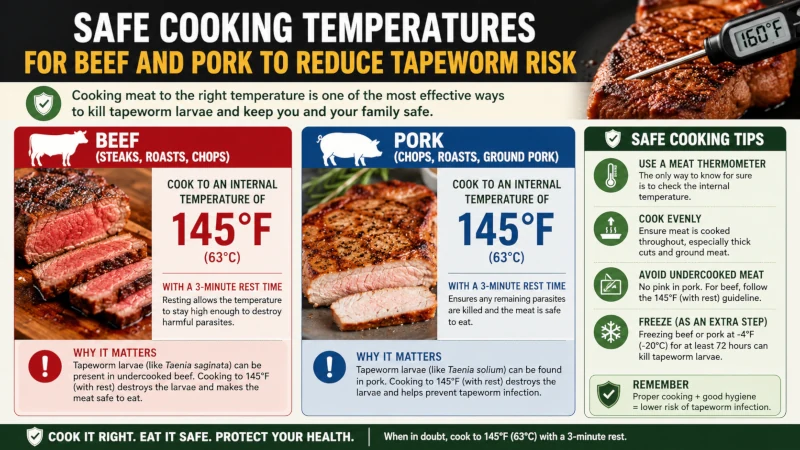
Human tapeworm infection, or taeniasis, is usually linked with eating raw or undercooked beef or pork that contains tapeworm larvae. Many cases are mild, but pork tapeworm exposure can become serious if eggs cause cysticercosis, which may affect the brain or other tissues. [CDC taeniasis, 2024]
Symptoms that may point to worms
Symptoms vary by worm type and infection intensity. Some people have no symptoms. Others may notice anal itching, visible worms or worm segments, abdominal discomfort, nausea, diarrhea, appetite changes, weight loss, cough during certain roundworm life stages, fatigue, or signs of anemia. Heavy soil-transmitted infections can impair nutrition and growth, especially in children. [WHO, 2023] [CDC hookworm, 2024]
Do not assume every digestive symptom is parasites. Irritable bowel syndrome, food intolerance, hemorrhoids, medication side effects, bacterial infections, and inflammatory bowel disease can overlap with some symptoms. Seeing a worm, passing tapeworm segments, or having persistent symptoms is a reason to seek testing instead of guessing.
What actually gets rid of worms?
Treatment depends on the worm. Pinworms are often treated with over-the-counter or prescription medicine, commonly with a second dose two weeks later because the medicine kills worms but not newly laid eggs. CDC also recommends treating household members and close contacts in many situations to reduce reinfection. [CDC pinworm infection, 2024]
For soil-transmitted worms such as ascariasis and hookworm, clinicians may use medicines such as albendazole, mebendazole, ivermectin, or pyrantel pamoate depending on the infection. CDC cautions that pregnancy, lactation, very young age, and certain clinical situations need special judgment. [CDC clinical care, 2024]
For tapeworm infection, CDC describes stool testing and treatment with anti-parasitic medication. Because pork tapeworm can be associated with cysticercosis, neurological symptoms such as seizures, severe headaches, or new confusion need urgent medical evaluation. [CDC taeniasis, 2024]
Natural remedies for worms that are reasonable and safe
The safest “natural” plan is not a cleanse. It is a careful hygiene, food-safety, and reinfection-prevention plan alongside appropriate medical care when needed.
| Home step | What to do | Evidence posture |
| Handwashing and nail hygiene | Wash hands with soap and warm water after using the bathroom, changing diapers, and before food. Keep nails short and discourage nail biting and scratching. | Strong prevention support for pinworm spread and reinfection. |
| Laundry and morning bathing for pinworms | Change underwear and pajamas daily during infection. Wash bedding, towels, and clothing in hot water and dry with heat. Morning bathing can remove eggs from the skin. | Strong prevention support for pinworm reinfection. |
| Clean produce | Wash, peel, or cook raw fruits and vegetables, especially after soil exposure or travel to areas with sanitation concerns. | Strong prevention support for soil-transmitted worms. |
| Cook meat safely | Cook whole cuts of beef and pork to at least 145°F with a 3-minute rest and ground meat to 160°F. | Strong prevention support for beef/pork tapeworm. |
| Wear shoes outdoors | Avoid barefoot contact with soil where fecal contamination is possible, especially in warm, moist areas. | Strong prevention support for hookworm. |
| Eat enough during recovery | Use regular meals with protein, fluids, and fiber-rich foods as tolerated. Ask about iron testing if hookworm or anemia is suspected. | Supportive; does not kill worms. |
Food can support you, but food is not a deworming drug. Garlic, pumpkin seeds, cabbage, onions, carrots, pineapple, figs, and pomegranate appear in many traditional remedy lists. It is fine for most people to eat normal food amounts as part of a varied diet. It is not accurate to promise that these foods will eliminate pinworms, tapeworms, or hookworms. For related reading, see Natural Health Message guides on garlic as a food and herb, cabbage and vegetable nutrition, and foods for healthy digestion.
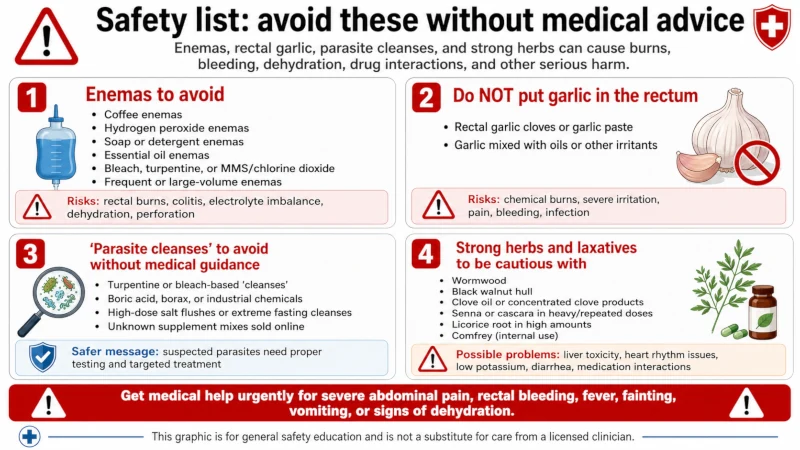
Garlic deserves special care because people often turn it into aggressive home treatment. Eating garlic in food is different from using concentrated garlic supplements, applying garlic to skin, or inserting garlic rectally or vaginally. NCCIH notes that garlic supplements may increase bleeding risk and that using more than food amounts during pregnancy or breastfeeding may be unsafe. [NCCIH garlic safety, 2020]
Natural remedies and parasite cleanses to avoid
A remedy can be “natural” and still be unsafe. Avoid the following unless a qualified clinician specifically advises otherwise.
| Avoid / do not rely on | Why it was removed or softened |
| Enemas, colonics, salt enemas, or rectal garlic | These can irritate or injure the rectum and do not replace evidence-based treatment. They are especially inappropriate for children. |
| Diatomaceous earth capsules or parasite-cleanse products | Quality, dosing, contamination, and effectiveness are not established for treating human intestinal worms. Product links should not be presented as medical instructions. |
| Wormwood, black walnut, tansy, bitterroot, quassia, pennyroyal, or concentrated essential oils | Traditional use is not the same as proven safety. Some herbs can be toxic, interact with medicines, or be unsafe during pregnancy, breastfeeding, or childhood. |
| Aloe latex or oral aloe as a dewormer | NCCIH reports safety concerns with aloe latex and oral aloe preparations, including abdominal cramps/diarrhea and pregnancy/breastfeeding cautions. |
| Goldenseal as a parasite remedy | NCCIH notes a lack of rigorous human studies for health conditions and flags medication interactions plus pregnancy, breastfeeding, and infant cautions. |
| Fasting, raw-pineapple-only plans, or sugar bans as treatment | Restrictive plans can worsen nutrition and do not reliably treat intestinal worms. Children, pregnant people, and underweight adults should not use them. |
Aloe and goldenseal are good examples of why safety language matters. NCCIH says oral aloe latex can cause abdominal pain and diarrhea and that oral aloe during pregnancy or breastfeeding may be unsafe. NCCIH also notes that goldenseal lacks rigorous human evidence for health conditions and can interact with medicines, including metformin. [NCCIH aloe vera safety, 2020] [NCCIH goldenseal safety, 2020]
When to talk to a healthcare professional
Contact a healthcare professional if you see worms or tapeworm segments, have intense nighttime anal itching, persistent diarrhea, abdominal pain, unexplained weight loss, anemia symptoms, blood in stool, ongoing cough after soil exposure, or symptoms after travel. Children, pregnant or breastfeeding people, immunocompromised people, and anyone with liver disease, kidney disease, seizure history, or complex medication use should get individualized advice before using medicines or supplements.
Seek urgent care for severe abdominal pain, repeated vomiting, a swollen or rigid abdomen, fainting, dehydration, seizures, new confusion, severe headache with neurological symptoms, or signs of intestinal blockage. Tapeworm exposure involving pork is one reason neurological symptoms deserve extra caution. [CDC taeniasis, 2024]
| Health disclaimer: This article is for educational purposes only and is not a diagnosis or treatment plan. Intestinal worms can require specific testing and medication. Do not use herbs, supplements, enemas, fasting plans, or parasite cleanses in place of medical care, especially for children, pregnancy, breastfeeding, chronic illness, or prescription medication use. |
Frequently Asked Questions
Can natural remedies get rid of worms?
Natural remedies can reduce spread and reinfection risk, especially for pinworms, but they are not reliable stand-alone treatment for confirmed intestinal worms. Proven medication is usually needed, and the right medicine depends on the worm type. [CDC clinical care, 2024]
What is the fastest way to get rid of pinworms?
Use the pinworm medicine recommended by a clinician or pharmacist and pair it with household hygiene. CDC notes that treatment often involves two doses two weeks apart because medicine kills worms but not eggs. [CDC pinworm infection, 2024]
Can garlic kill intestinal worms?
Garlic is a traditional remedy and a normal food for many people, but human evidence is not strong enough to claim it cures pinworms, tapeworms, hookworms, or roundworms. Avoid inserting garlic rectally or using high-dose supplements without medical advice. [NCCIH garlic safety, 2020]
Are parasite cleanses safe?
Many parasite cleanses combine strong laxatives, herbs, essential oils, or restrictive diets. They may cause side effects and can delay proper treatment. Avoid cleanse products for children, pregnancy, breastfeeding, chronic illness, or medication use unless a clinician approves them.
How do I prevent worms from coming back?
For pinworms, focus on handwashing, short nails, daily underwear changes, morning bathing, hot laundry, and household treatment when advised. For soil-transmitted worms, wash produce, improve sanitation, and wear shoes outdoors in risky areas. [CDC pinworm prevention, 2026] [CDC hookworm prevention, 2024]
Should the whole family be treated?
For pinworms, CDC says household members and caretakers often need treatment at the same time. For other worms, treatment depends on diagnosis, exposure, symptoms, and local guidance. [CDC pinworm infection, 2024]
References
- Centers for Disease Control and Prevention. “About Pinworm Infection.” CDC, 2024. View source
- Centers for Disease Control and Prevention. “Preventing Pinworm Infection.” CDC, 2026. View source
- World Health Organization. “Soil-transmitted helminth infections.” WHO, 2023. View source
- Centers for Disease Control and Prevention. “About Ascariasis.” CDC, 2024. View source
- Centers for Disease Control and Prevention. “About Hookworm.” CDC, 2024. View source
- Centers for Disease Control and Prevention. “Clinical Care of Soil-transmitted Helminths.” CDC, 2024. View source
- Centers for Disease Control and Prevention. “About Human Tapeworm (Taeniasis).” CDC, 2024. View source
- National Center for Complementary and Integrative Health. “Garlic.” NCCIH, 2020. View source
- National Center for Complementary and Integrative Health. “Aloe Vera.” NCCIH, 2020. View source
- National Center for Complementary and Integrative Health. “Goldenseal.” NCCIH, 2020. View source
