
If you’re reading about damiana, the word aphrodisiac probably got you here. So let’s be straight from the top: most of what we can say about the damiana plant’s benefits comes from centuries of traditional use and a set of animal studies — not from solid trials in people. That doesn’t make it useless, and it doesn’t make it a cure. It makes it a folk remedy with an interesting research trail, a few genuine cautions, and a lot of marketing built on top of thin evidence.
Damiana (Turnera diffusa) has a real history as a Mexican folk medicine for low libido, low mood, and sluggish digestion. What it doesn’t have is the human research to back the bolder promises you’ll see online. According to Memorial Sloan Kettering, there is limited evidence of damiana’s stimulant effects, and it has not been shown to treat any disease in humans [Memorial Sloan Kettering, 2023]. Here’s what the damiana plant benefits actually look like when you sort the tradition from the science — and what to watch out for before you brew a cup or open a capsule.
What is the damiana plant?
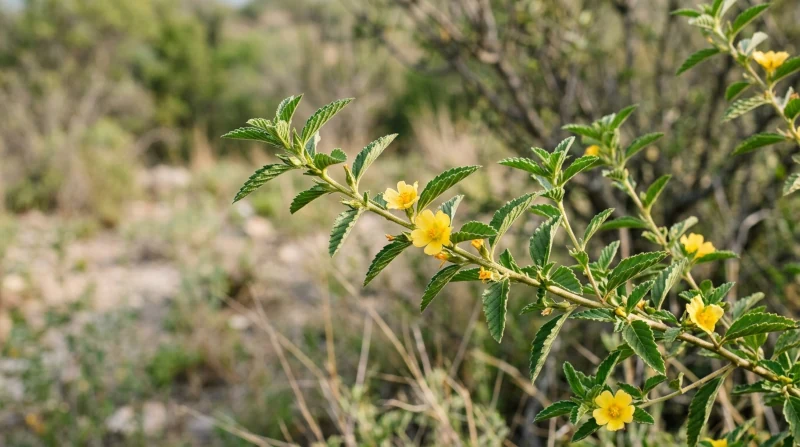
Damiana is a small aromatic shrub with toothed leaves and little yellow flowers. Its correct botanical name is Turnera diffusa (you’ll also see the synonym Turnera aphrodisiaca), in the Turneraceae family, which some botanists now place within Passifloraceae. It grows wild across Mexico, Central America, and parts of South America, and into the Caribbean and the southern United States. The leaves are the part used, dried for tea or packed into supplements.
The leaf carries an aromatic essential oil, tannins, flavonoids, and a compound called arbutin, among dozens of others. People sometimes assume a single “active ingredient” explains an herb’s effects, but with damiana no one compound has been pinned down as the driver — and, importantly, no compound has been shown to produce the dramatic results the old sales copy promised.
Damiana plant benefits: what the evidence actually says
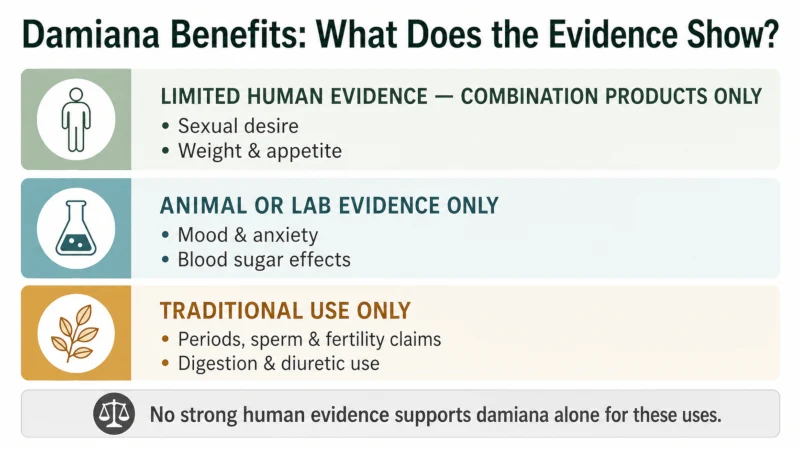
The most useful thing anyone can do with damiana is be honest about which claims have human evidence, which rest on animal studies, and which are pure tradition. Here’s the map.
| Claimed use | What the research actually shows | Evidence grade |
| Sexual desire / aphrodisiac | Animal studies show effects on male sexual behavior; the only human signal comes from multi-herb supplements, not damiana alone | Animal + limited combination data |
| Mood, stress, anxiety | Anxiety reduced in mice; no human trials | Animal only |
| Blood sugar | Lowered blood sugar in animal studies — the basis for a real drug-interaction caution, not a proven treatment | Animal only |
| Weight / appetite | Small studies of a damiana-containing herbal blend suggested modest short-term effects | Limited, combination product |
| “Regulates periods / ovaries,” boosts sperm | Widespread traditional use; no human data to validate | Traditional only |
| Digestion, constipation, diuretic | Traditional use; no supporting data | Traditional only |
Sexual desire and function
This is damiana’s headline use, and it’s where tradition runs furthest ahead of proof. In animal research, Turnera diffusa has repeatedly affected sexual behavior — for example, helping sexually exhausted male rats resume mating, an effect studied alongside yohimbine as a comparison [Estrada-Reyes et al., 2009]. Laboratory work has also shown damiana compounds interacting with the enzyme aromatase and, separately, with the nitric oxide pathway that helps regulate blood flow [Memorial Sloan Kettering, 2023]. Nitric oxide is genuinely central to arousal and circulation, which is one reason the herb keeps its reputation — you can read more about that pathway in our guide to supporting nitric oxide naturally.
Here’s the catch: these are animal and laboratory findings, and there are no human data on damiana itself for sexual function. The closest thing to human evidence is indirect. A small study in postmenopausal women with low sexual desire found that a multi-ingredient supplement improved sexual-function scores over two months — but that product combined damiana with fenugreek, tribulus, and ginkgo, and the study had no placebo group [Palacios et al., 2019].
When four herbs are taken together with no control group, you simply cannot credit the result to damiana. The authors themselves leaned toward fenugreek as the likely driver. Damiana also appears in ArginMax, a botanical blend marketed for female sexual function that improved symptoms in a small study — again, a blend, not damiana alone.
Bottom line: if damiana helps libido, the effect in humans is unproven and, at most, modest. If low desire or erectile changes are persistent, that deserves a real workup rather than a supplement. For the broader category, our overview of herbs for male stamina and our evidence review of yohimbe walk through what does and doesn’t hold up.
Mood, stress, and anxiety
Damiana has a traditional role as a gentle “nerve tonic,” and animal work offers a thread of support: studies in mice show damiana reduced anxiety, though human studies are lacking. Some of its flavonoids have shown activity on brain enzymes in the lab. That’s a plausible mechanism and a reasonable reason for interest — but “reduced anxiety in mice” is a long way from “treats anxiety in people.” Treat any calming effect as unproven.
Blood sugar
Several animal studies found damiana lowered blood sugar, and it may affect blood sugar levels on that basis. This is worth knowing less as a “benefit” and more as a safety flag: an herb that nudges blood sugar down can stack with diabetes medication and push it too low. More on that in the safety section.
Weight and appetite
A few small studies looked at a herbal combination containing damiana (alongside yerba maté and guarana) and reported modest short-term effects on gastric emptying, weight, or appetite [Memorial Sloan Kettering, 2023]. As with the libido research, these tested blends rather than damiana by itself, so they can’t tell you what damiana alone does. Confirmatory research is lacking.
“Regulates periods / ovaries,” boosts sperm — the claims to retire
You’ll still find pages stating that damiana increases sperm count and vitality, “regulates” menstrual cycles, and “stimulates ovary function.” These claims don’t hold up. There is no human evidence that damiana improves sperm or fertility, and while traditional use for menstrual complaints is widespread, there are no data to validate the menstrual use. Whether damiana has any estrogen-like activity is itself unsettled — the findings are mixed. Read confident fertility or hormone claims about damiana as folklore, not fact.
Digestion, diuretic, and other traditional uses
Damiana has been used traditionally as a mild diuretic, a laxative, and a digestive aid. These are old uses without modern evidence behind them; for constipation, for example, there are no data to substantiate the use, and no scientific evidence supports a kidney benefit.
How people take damiana (and why there’s no established dose)
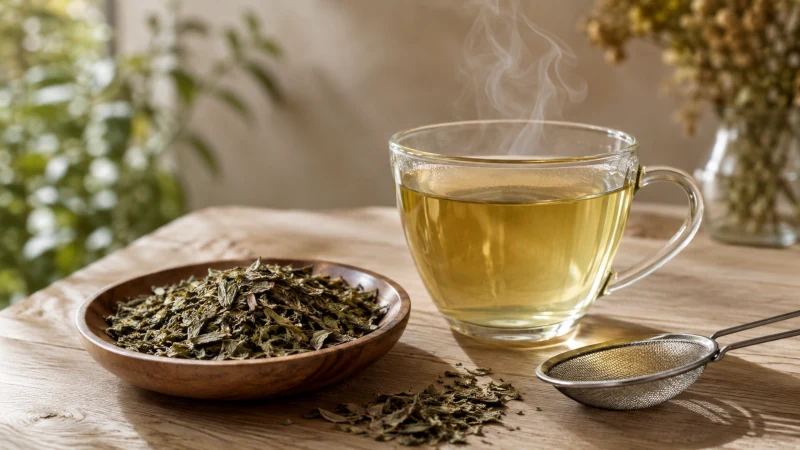
Damiana is sold as dried leaf for tea, as capsules, and as tinctures and liquid extracts. Traditionally the leaf is brewed as an infusion; if you’re curious about that method in general, see our guide to preparing herbs as teas and tinctures.
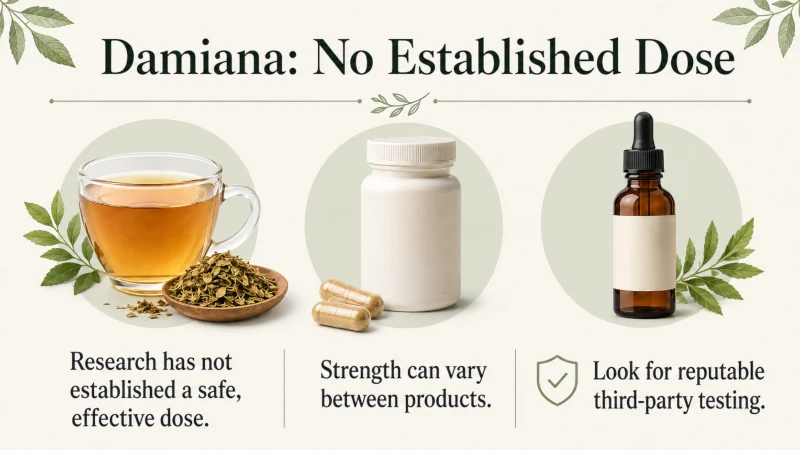
What you won’t find is a reliable dose, because one doesn’t exist. There isn’t enough research to establish a safe, effective amount of damiana, and because supplements aren’t standardized, the strength of one product can differ a lot from another. There are no regulated manufacturing standards for many herbal products, and some marketed supplements have been found contaminated with toxic metals or other drugs, so buying from a reputable brand — ideally one with third-party testing (USP, NSF, or ConsumerLab) — matters [Drugs.com, 2026]. More is not better here: very large amounts have been linked to reports of seizures, and damiana is not approved by the FDA and shouldn’t be used in place of a medication your doctor prescribed.
Damiana side effects and safety
At the modest amounts found in teas and typical supplements, damiana is generally reported to be well tolerated, and serious reactions are uncommon. “Uncommon,” though, is not “none” — and the claim you’ll sometimes see that damiana has no side effects is simply false.
Stop taking damiana and get medical care if you notice warning signs. Drugs.com advises seeking emergency help for signs of an allergic reaction — hives, difficulty breathing, or swelling of the face, lips, tongue, or throat — and to stop and call a healthcare provider for a seizure, trouble breathing, fever with nausea or vomiting, changes in mental status such as agitation, confusion, or hallucinations, trouble swallowing or excessive drooling, loss of movement in any part of the body, or painful muscle spasms [Drugs.com, 2026]. Those are rare, but they’re the ones that matter.
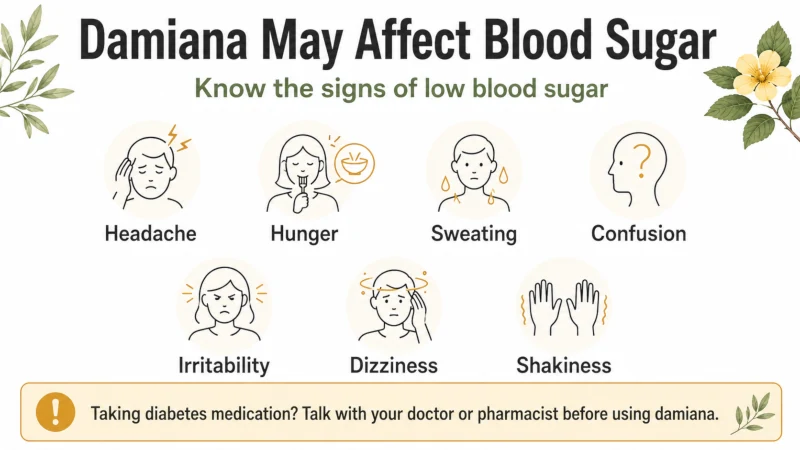
The most practical, well-documented concern is blood sugar. Damiana can affect blood sugar levels, so if you have diabetes you should monitor carefully and watch for signs of low blood sugar — headache, hunger, sweating, confusion, irritability, dizziness, or shakiness. Because of this, it can interact with insulin and oral diabetes medicines and with other blood-sugar-lowering supplements. Talk to your doctor or pharmacist before combining them [Drugs.com, 2026].
Two more cautions are worth flagging. Because some plant compounds have mild blood-thinning potential, people on anticoagulants should check with a pharmacist before adding any new herb. And the tannins in damiana, like the tannins in ordinary tea, can reduce how much iron your body absorbs from food, which is worth keeping in mind if you’re managing low iron.
Who should avoid damiana
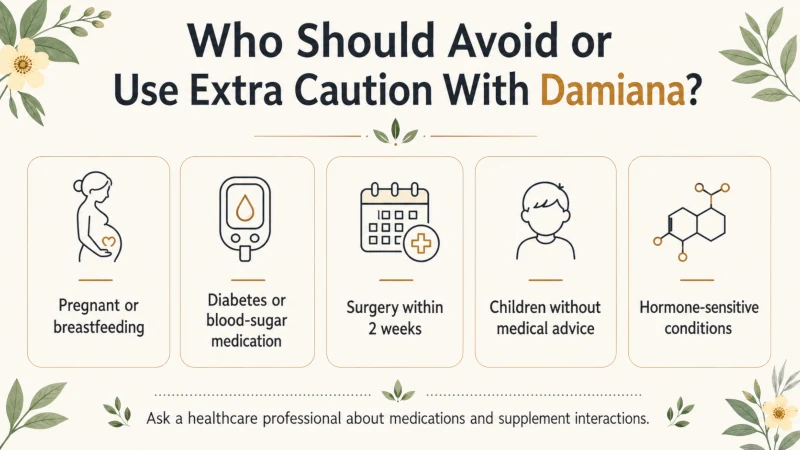
- If you’re pregnant or breastfeeding. There isn’t reliable safety data, and the standard advice is to avoid it without medical guidance. Some traditional sources also used it to affect the uterus, which is one more reason to steer clear during pregnancy.
- If you have diabetes or take blood-sugar-lowering medication. The interaction above is real; monitor closely and involve your doctor or pharmacist.
- If you have surgery scheduled. Because of the blood-sugar effect, stop damiana at least 2 weeks before any planned surgery or dental procedure.
- Children. Don’t give any herbal supplement to a child without medical advice.
- If you have a hormone-sensitive condition. Because damiana’s estrogen-related activity is unresolved, it’s reasonable to be cautious and ask a specialist first.
When to talk to a doctor
Damiana is not a substitute for a diagnosis. The symptoms people reach for it to fix — low libido, erectile changes, persistent low mood or anxiety, ongoing fatigue — can each have a treatable medical cause, and some can be early warning signs. Erectile dysfunction in particular can be an early marker of cardiovascular disease, which is a reason to see a primary care doctor rather than order a supplement.
Book a visit if a symptom is persistent, worsening, or affecting your daily life, and involve your doctor or pharmacist before combining damiana with any prescription medication — especially diabetes drugs, blood thinners, or hormone therapies. For a suspected overdose in someone awake and breathing, call Poison Help at 1-800-222-1222. For a seizure, trouble breathing, fainting, or swelling of the face or throat, call 911.
| Health Disclaimer This article is for general education and is not medical advice, diagnosis, or treatment. Damiana is sold as a dietary supplement, which means it is not reviewed by the FDA for safety or effectiveness before sale, and product quality varies. Talk with a qualified healthcare professional — your doctor, and your pharmacist or a registered dietitian for questions about supplements and interactions — before using damiana, especially if you take prescription medication, have a chronic condition such as diabetes, have surgery scheduled, or are pregnant or breastfeeding. If you think you or someone else has taken too much, call Poison Help at 1-800-222-1222. For a seizure, trouble breathing, fainting, or swelling of the face or throat, call 911. |
Frequently Asked Questions
Is damiana an effective aphrodisiac?
It has a long traditional reputation and some supportive animal research, but no human studies have tested damiana on its own for sexual function. The one human signal comes from multi-herb blends that also contain fenugreek, tribulus, or ginkgo, so any effect can’t be credited to damiana alone. Treat it as unproven and, at best, modest.
Does damiana have side effects?
At typical amounts it’s usually well tolerated, but it is not side-effect-free. Rarely, it has been linked to allergic reactions and, at very high doses, seizures, and Drugs.com lists specific warning signs — including seizure, trouble breathing, and confusion — that mean you should stop and seek care.
Can damiana affect blood sugar?
Yes. Animal studies show it can lower blood sugar, so it may interact with diabetes medications and other blood-sugar-lowering supplements. If you have diabetes, monitor closely and talk with your doctor or pharmacist.
Is damiana safe during pregnancy or breastfeeding?
There isn’t reliable safety data, and the standard advice is to avoid it unless a doctor says otherwise.
How much damiana should I take?
There’s no established dose, because the research needed to set one doesn’t exist. Supplement strength also varies between products. If you use it, choose a third-party-tested brand, follow the label, and don’t exceed it — large amounts have been linked to seizures.
Does damiana boost sperm or regulate periods?
There’s no human evidence for either. Traditional use for menstrual complaints is common, but there’s no data to validate it, and no research supports a sperm or fertility benefit.
References
- Memorial Sloan Kettering Cancer Center. “Damiana.” About Herbs, Botanicals & Other Products. Updated March 10, 2023. View source
- Drugs.com (Cerner Multum). “Damiana: Uses, Side Effects & Warnings.” Medically reviewed May 8, 2026. View source
- Palacios S, et al. “Effect of a multi-ingredient based food supplement on sexual function in women with low sexual desire.” BMC Women’s Health. 2019;19:58. DOI 10.1186/s12905-019-0755-9. View source
- Estrada-Reyes R, et al. “Turnera diffusa Wild (Turneraceae) recovers sexual behavior in sexually exhausted males.” J Ethnopharmacol. 2009;123(3):423-9. PMID 19501274. View source
- Zhao J, et al. “Anti-aromatase activity of the constituents from damiana (Turnera diffusa).” J Ethnopharmacol. 2008;120(3):387-93. PMID 18948180. View source
