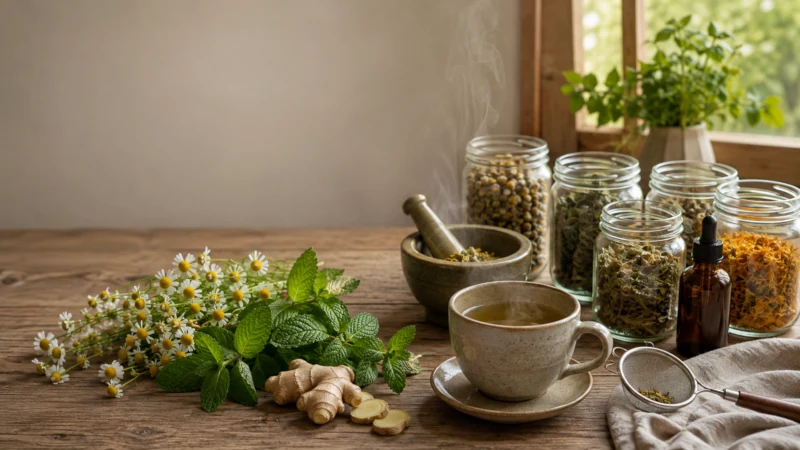
Knowing how to prepare herbs correctly is the difference between getting their full benefit and wasting your time. A chamomile infusion steeped in boiling water for five minutes will pull out calming essential oils and flavonoids almost intact. Boil that same chamomile for twenty minutes in a decoction, and you will lose most of those volatile compounds to heat. The method matters.
Herbs for medicinal uses and preparations fall into two broad categories: water-based methods you can do in your kitchen (infusions, decoctions, cold extracts) and more concentrated forms (tinctures, extracts, syrups, powders, ointments) that require additional steps or materials. This guide covers both, with practical instructions, general dosage guidelines, and safety considerations grounded in guidance from the FDA, the National Center for Complementary and Integrative Health (NCCIH), and the University of Rochester Medical Center.
One thing to understand up front: in the United States, herbal products are regulated as dietary supplements, not as drugs. That means the FDA does not evaluate them for safety and effectiveness before they reach store shelves. The responsibility for quality and safety falls largely on the manufacturer — and on you, the consumer, to use herbs carefully and to talk with your healthcare provider about what you are taking.
Herbal Teas: The Foundation of Herbs for Medicinal Uses
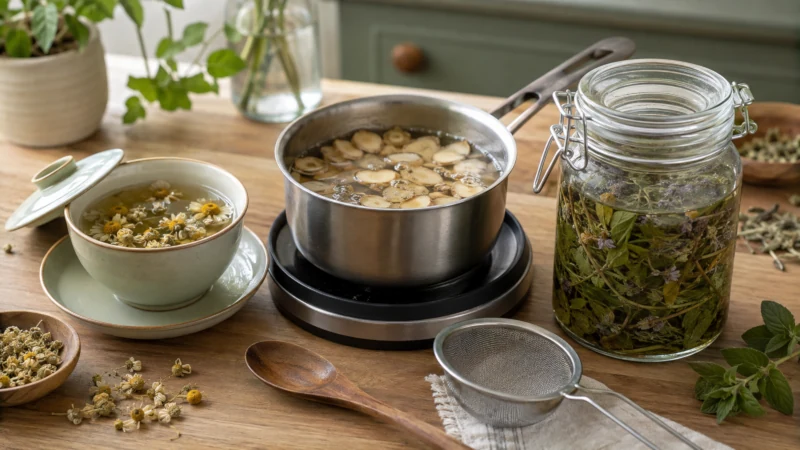
An herbal tea is any preparation that uses water to extract the active compounds from plant material. It is the oldest, most accessible, and most widely used method in herbal medicine around the world. Water dissolves a broad range of plant chemicals — flavonoids, tannins, alkaloids, essential oils, saponins — which makes it an effective and versatile extraction medium.
There are three main types of herbal tea, each suited to different plant parts and chemistry. All three start the same way: measure the appropriate amount of dried (or fresh) herb, then chop or lightly crush it to expose more surface area.
Infusion
An infusion is the most common herbal tea preparation and the best method for delicate plant parts — flowers, leaves, and tender stems. Because these parts release their active compounds easily, hot water and a brief steep are enough.
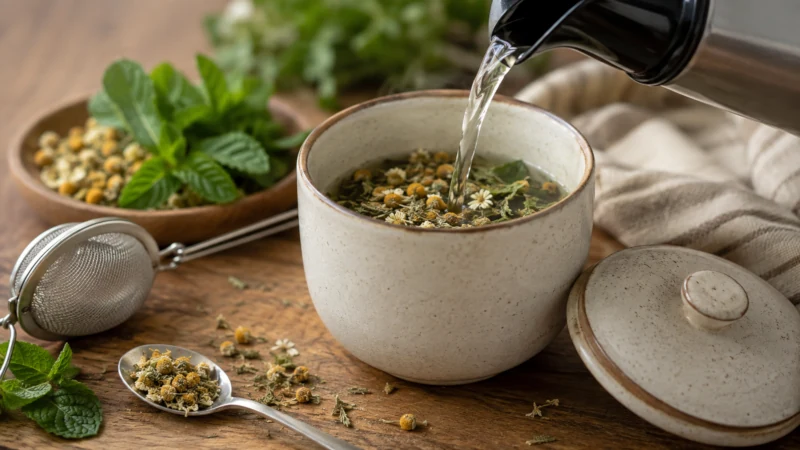
How to make an infusion:
1. Place the herb (dried or fresh) in a heat-resistant glass, ceramic, or china container — either loose or in a tea strainer.
2. Pour just-boiled water over the herb, using enough to fully cover it.
3. Cover the container to keep volatile oils from escaping in the steam.
4. Steep for 5 to 10 minutes. Thicker leaves may need closer to 15 minutes.
5. Strain the liquid and drink it warm or at room temperature.
Storage: Infusions are best consumed the same day they are made. In warm weather, refrigerate any portion you plan to drink later. You can gently reheat an infusion but should not re-boil it. Discard any infusion that is more than 24 hours old, as bacterial growth becomes a concern in standing plant-water mixtures.
Decoction
A decoction uses sustained simmering to extract compounds from tough plant material — roots, bark, rhizomes, dried berries, and seeds. These harder structures do not release their contents into still water quickly enough, so they need active heat over a longer period.
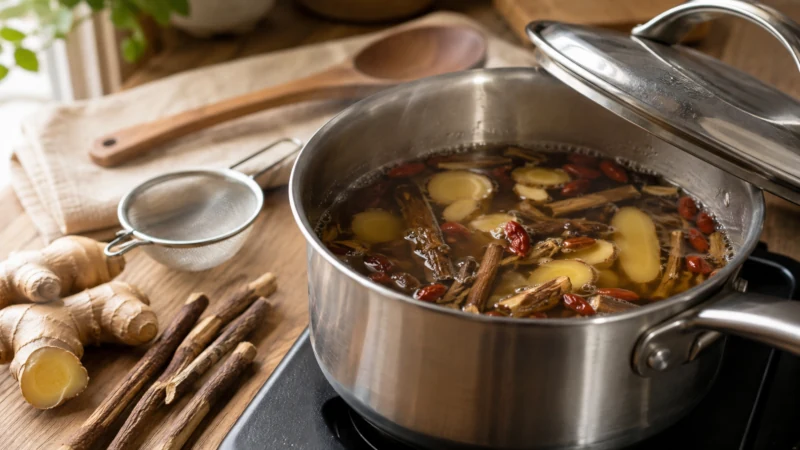
How to make a decoction:
1. Place the plant material and cold water together in a pot (stainless steel, glass, or enamel — avoid aluminum, which can react with some plant acids).
2. Bring to a boil, then reduce to a low simmer.
3. Simmer covered for 10 to 20 minutes. Some very hard roots may need up to 30 minutes.
4. Remove from heat and let steep for a few additional minutes.
5. Strain through a fine-mesh strainer.
Storage: Because boiling sterilizes the liquid, decoctions keep slightly longer than infusions — up to about 72 hours refrigerated. Decoctions stored longer than a few days should be discarded.
Trade-off: The extended heat that makes decoctions effective for roots and bark can degrade heat-sensitive compounds. If you are working with a plant that contains both tough and delicate parts, make the decoction with the roots first, then remove from heat and add the flowers or leaves as an infusion in the same pot.
Cold Extract (Maceration)
Cold extraction — soaking plant material in room-temperature water — is used in two situations: when the active compounds break down in heat, or when you want to avoid extracting high levels of tannins (which can make a preparation unpalatably bitter).
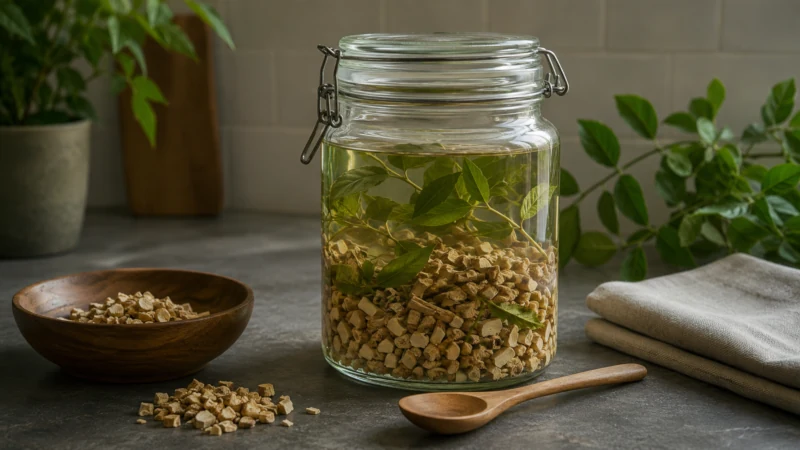
How to make a cold extract:
1. Place the chopped plant material and room-temperature water in an opaque container with a lid.
2. Store in a cool, shaded place. Stir occasionally.
3. Steep soft material (flowers, leaves) for about 12 hours. Steep hard material (roots, bark, seeds) for up to 24 hours. Do not exceed these times — prolonged soaking invites fermentation and mold.
4. Strain and use. You may gently warm the liquid before drinking.
Storage: Water-based cold extracts should be used within a day or two and kept refrigerated. Cold extracts made with alcohol or oil as the solvent will last considerably longer — up to several weeks.
General Dosage Guidelines for Herbal Teas
Herbal dosing is less precise than pharmaceutical dosing because plant potency varies with species, growing conditions, harvest time, and drying method. The figures below are general starting points for adults, drawn from traditional herbal practice. Always follow the specific dosage information for the particular herb you are using, and consult your healthcare provider if you are unsure.
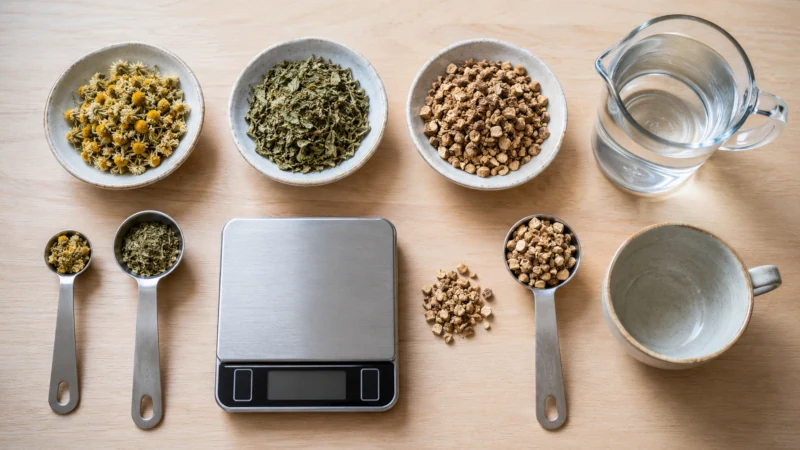
| Volume | Dry flowers or leaves* | Dry roots or rhizome* |
| 1 teaspoon (5 ml) | ~1 g | ~3 g |
| 2 teaspoons (10 ml) | ~2 g | ~5 g |
| 1 tablespoon (15 ml) | ~4 g | ~10 g |
| A pinch (~2 ml) | ~0.5 g | ~1.5 g |
| A handful (~20 ml) | ~5 g | ~12 g |
*Approximate amounts. Densities vary by plant.
General adult ratios:
- Infusions: About 1 teaspoon (2 g) of dried herb per cup (150 ml) of water, or 20–30 g per liter.
- Decoctions and cold extracts: About 30–50 g of dried plant material per liter of water.
- Daily intake: Typically 3 to 5 cups (150 ml each) spread through the day, unless the specific herb calls for less.
- Fresh vs. dried: Fresh herbs contain much more water, so you generally need 3 to 4 times the weight of fresh plant to match the strength of dried.
Dosing for Children
Children are not small adults — their metabolism, body weight, and sensitivity to plant compounds differ. As a conservative general guide, pediatric dosing is typically reduced proportionally by age. However, the NCCIH advises caution with herbal supplements in children, and many herbs have not been adequately studied in pediatric populations.
- Ages 6–12: Roughly half the adult dose.
- Ages 2–6: Roughly one-third the adult dose.
- Under 2: One-quarter to one-eighth the adult dose — but only for herbs with well-established safety profiles. Many herbs are not appropriate for very young children.
Important: Give children only herbs that are widely recognized as safe at low doses — gentle herbs like chamomile or fennel, for example. Never give a child an herb that has known toxic potential without direct guidance from a pediatrician or qualified practitioner.
Sweetening Herbal Teas
Unsweetened herbal tea preserves the full flavor and chemistry of the preparation. But some herbs taste genuinely unpleasant, and children especially may refuse bitter preparations. When sweetening is needed, honey is a traditional choice — it adds trace minerals and has mild antimicrobial properties of its own. Brown sugar, molasses, and maple syrup are other options. A squeeze of lemon juice or a strip of lemon peel can also improve flavor without adding sugar.
A few situations call for specific choices. People managing diabetes should avoid sugar-based sweeteners in medicinal teas and may consider stevia or other non-caloric alternatives. Herbal teas intended to stimulate appetite should not be sweetened, since sugar can reduce the hunger signal the tea is meant to trigger. And honey should never be given to children under one year of age due to the risk of infant botulism.
Single-Herb vs. Multi-Herb Blends
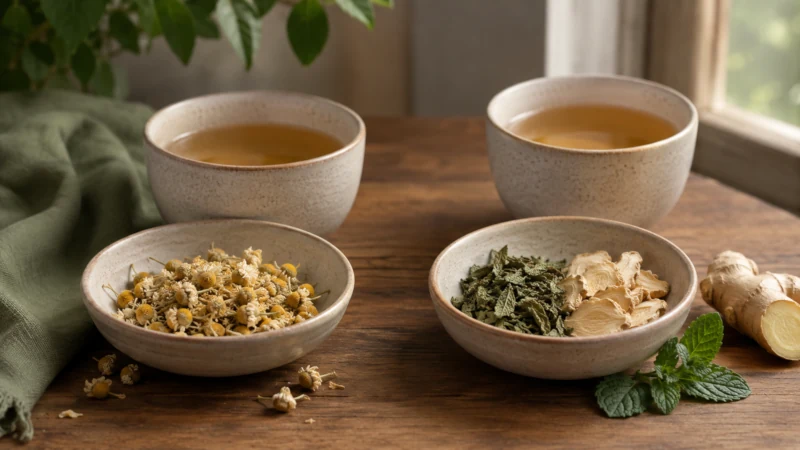
Combining herbs in a single tea can be beneficial when the plants complement each other — a digestive blend might pair peppermint with ginger, for example. But mixing is not automatically better. Poorly matched herbs can cancel each other out, create an undrinkable flavor, or cause digestive upset. A single well-chosen herb, correctly prepared, is often more effective than a poorly thought-out blend.
If you do mix herbs, start with just two or three that share a similar traditional use. Pay attention to how the blend affects you, and keep a record of your ratios so you can replicate or adjust. Herbs with known drug interactions or toxic potential should generally not be combined without professional guidance.
Concentrated Preparations: Tinctures, Extracts, Powders, and Syrups
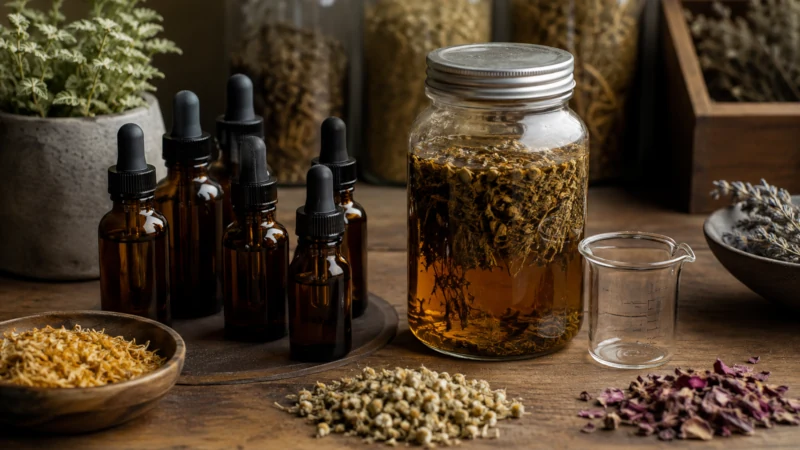
Beyond simple herbal teas, there are more concentrated ways to use medicinal plants. These methods extract higher levels of active compounds — which also means they carry a greater risk of side effects and interactions. Handle them with proportionately more care.
Tinctures
A tincture is an alcohol-based extract. Dried, ground plant material is soaked in alcohol (typically at room temperature) for anywhere from two days to two weeks. The alcohol pulls out compounds that water alone cannot dissolve well, including resins and certain alkaloids. The resulting liquid is highly concentrated.
Cautions with tinctures:
- Dosing is measured in drops — typically 15 to 25 drops diluted in water, taken up to three times a day. Never exceed the recommended dose for a specific herb.
- The alcohol content, while small per dose, can cause digestive upset in sensitive individuals and is a concern for people with liver disease, alcohol use disorder, or those taking medications that interact with alcohol.
- Tinctures should not be given to children. External use (compresses, liniments) is generally considered the safer application.
- Always use tinctures of potentially toxic plants only under the supervision of a qualified healthcare provider.
Herbal Extracts
Extracts use a solvent — alcohol, water, glycerin, or oil — to pull active compounds from the plant. The solvent is then partially or fully evaporated, leaving behind a concentrated product. Extracts come in several forms depending on how much solvent remains: liquid extracts (slightly thick), fluid extracts (honey-like consistency), soft extracts (creamy), dry extracts (powdered, with less than 5% water), and atomized or spray-dried extracts (a modern industrial method).
Dry extracts are notably concentrated: roughly 1 gram of dry extract can equal 5 grams of the original dried plant. This concentration makes precise dosing important. Most commercial herbal supplements sold in capsule form contain standardized dry or fluid extracts.
Herbal Powders
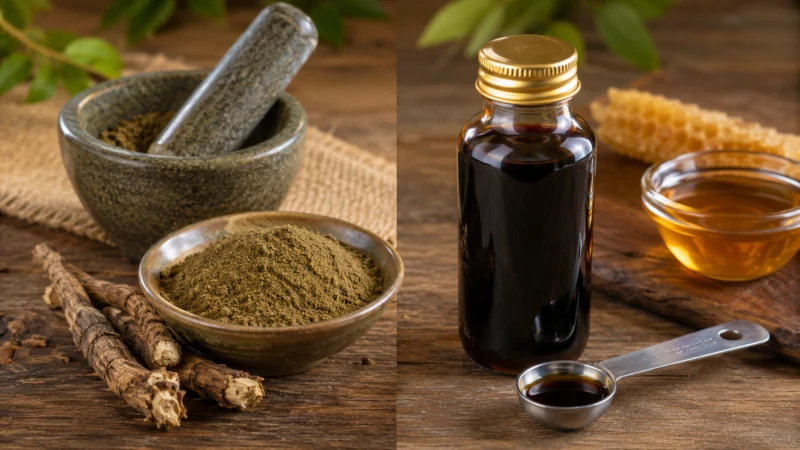
Powdered herbs are made by drying plant material thoroughly, then grinding it finely. Powders can be stirred into hot water as a quick infusion, mixed into honey to form a paste, or packed into capsules. They are especially useful for hard plant parts like roots and bark that are difficult to extract in a simple tea.
Powdering also allows more precise measurement by weight — which matters for herbs with a narrow safety margin. Herbs like foxglove (digitalis), for example, have been traditionally administered as carefully measured powders because even small dosing errors can be dangerous. These potent herbs should only be used under medical supervision.
Syrups
Syrups combine a concentrated herbal infusion or decoction with sugar or honey (typically a 1:1 ratio by weight). Heating helps dissolve the sweetener. The result masks bitter flavors, making syrups particularly practical for children and for herbs used to soothe respiratory symptoms — elderberry syrup and thyme syrup are common examples.
The high sugar content means syrups are not appropriate for people managing diabetes. Syrups made with honey should not be given to children under one year.
External Applications: How Herbs Are Used on the Body
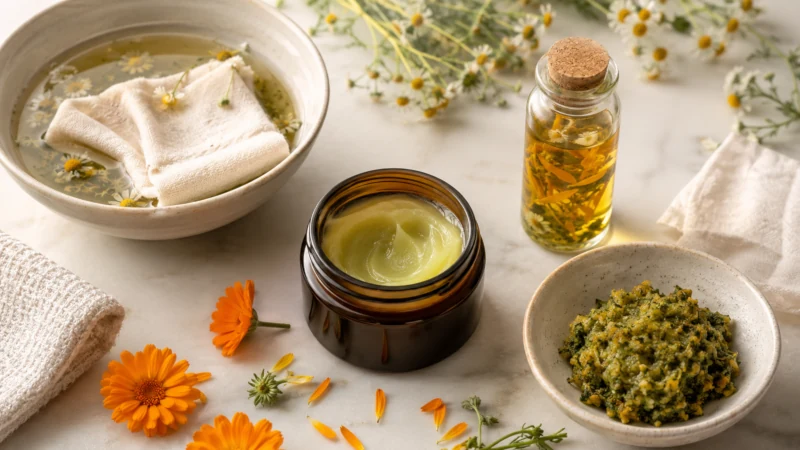
Many herbal preparations are applied externally rather than taken by mouth. External use can deliver plant compounds directly to the affected area — skin, muscles, joints, or mucous membranes — and in some cases produces fewer systemic side effects than oral use. But external application is not risk-free: active compounds can still be absorbed through the skin and enter the bloodstream, and some plants cause contact irritation or allergic reactions.
Ointments and Creams
Ointments suspend herbal extracts in a fatty base — traditionally petroleum jelly, lanolin, beeswax, or vegetable oil. They are solid at room temperature and soften on contact with warm skin. Creams are lighter and use a water-in-oil or oil-in-water emulsion. Both are used for localized skin conditions, joint pain, and muscle soreness.
Some traditional herbal ointments (those made with henbane, monkshood, or similar toxic plants) have a long history of use for neuralgia and rheumatic pain — but these plants are genuinely toxic and should only be used under professional supervision. Even through the skin, their alkaloids can cause serious harm.
Liniments
Liniments are liquid preparations — typically herb extracts mixed with oil and/or alcohol — applied to the skin with gentle rubbing. They are traditionally used for muscle aches and joint stiffness. The rubbing action itself improves local circulation, which may complement the herbal compounds.
Compresses and Poultices
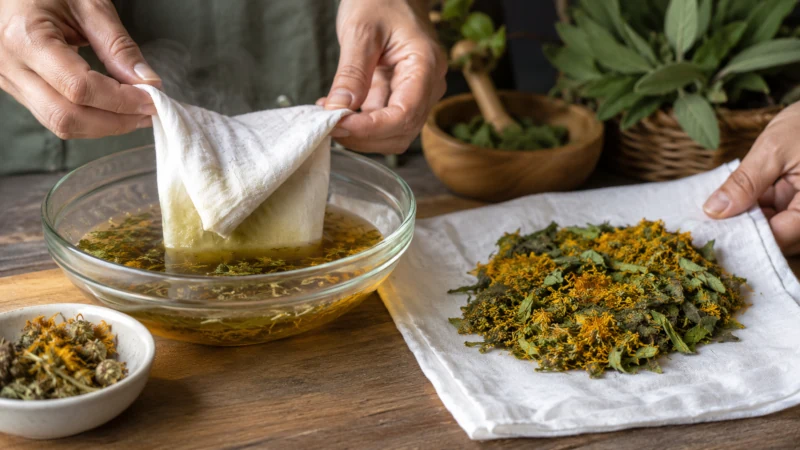
A compress is a cloth soaked in herbal tea, juice, or tincture and applied to the skin. A poultice is thicker — ground or mashed plant material (or seed flour mixed with water) spread on a cloth and applied directly. Poultices maintain contact with the skin longer and deliver a higher concentration of plant compounds.
Application tips:
- Poultices are generally applied warm (about 100–120°F / 40–50°C) and kept on for 5 to 10 minutes at a time, several times a day.
- Mustard poultices (sinapisms) can cause skin irritation or burns — always wrap them in a layer of cloth rather than applying directly to skin, and limit application time.
- Some tannin-rich herbs (oak bark, walnut) can stain the skin temporarily. Lemon juice helps remove the discoloration.
Baths, Foot Baths, and Sitz Baths
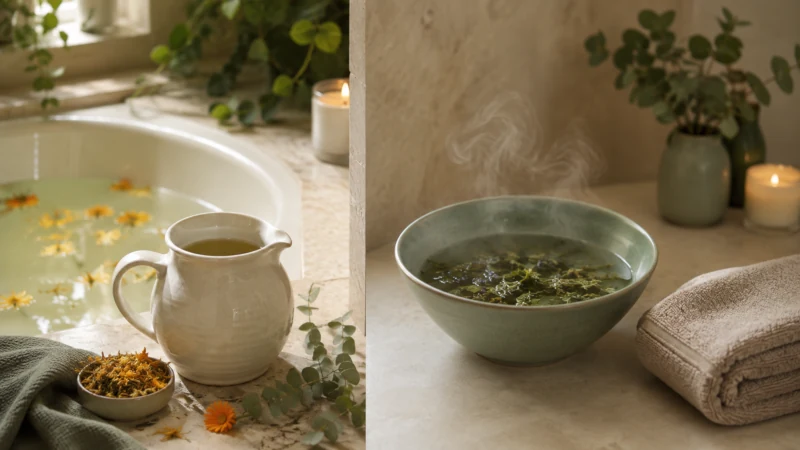
Adding a concentrated herbal infusion or decoction (made with 40–80 g of herb per liter, then strained) to bathwater is a traditional approach for relaxation, skin conditions, and muscle or joint pain. A few drops of essential oil can also be used instead.
Sitz baths — partial immersion from the waist down — are a traditional remedy for hemorrhoids, anal fissures, urinary discomfort, and menstrual pain. Cold sitz baths are typically used for hemorrhoids (kept to about 3 minutes), while warm sitz baths help with fissures and abdominal cramping (up to 10 minutes). Foot baths with warm herbal infusions are traditionally used for headache relief and to improve circulation in the legs.
Steam Inhalation
Inhaling steam from a bowl of hot water infused with herbs or a few drops of essential oil is a traditional remedy for sinus congestion, bronchitis, and upper respiratory symptoms. Place a towel over your head to contain the steam, lean over the bowl (carefully — the water is hot), and breathe deeply for 10 to 15 minutes. This can help loosen mucus and soothe irritated airways.
Gargles and Mouth Rinses
Gargling with warm herbal tea — holding the liquid in the back of the throat for 30 to 60 seconds before spitting it out — is a simple way to apply herbal compounds to a sore throat or irritated tonsils. Mouth rinses (swishing herbal tea around the mouth before spitting) are used for gum inflammation and mouth sores. Common herbs used for gargles include sage, chamomile, and plantain.
Safety Considerations

The NCCIH states clearly that “natural” does not mean “safe.” Herbs contain pharmacologically active compounds — that is precisely why they can be useful, but it also means they can cause harm. Here are the key safety principles to keep in mind.
Drug interactions are real. Many herbs interact with prescription and over-the-counter medications. St. John’s wort, for instance, can reduce the effectiveness of antidepressants, birth control pills, and blood thinners. Garlic and ginkgo can increase bleeding risk when taken with anticoagulants. Always tell your healthcare provider about every herb and supplement you are taking.
Pregnancy and breastfeeding require extra caution. Many herbs have not been studied for safety during pregnancy or lactation. Some — such as certain uterine-stimulating herbs — pose documented risks. Do not use herbal remedies during pregnancy or while breastfeeding without first consulting your OB-GYN or midwife.
Children are more vulnerable. Smaller body weight means lower thresholds for toxicity. Many herbs lack pediatric safety data. Stick to well-established gentle herbs at appropriately reduced doses, and consult a pediatrician before giving herbal preparations to children.
Quality varies. Because the FDA does not approve dietary supplements for safety or effectiveness before they are sold, the quality of herbal products varies significantly between brands. Contamination with heavy metals, pesticides, or undisclosed pharmaceutical ingredients has been documented. Choose products from reputable manufacturers that follow current Good Manufacturing Practices (cGMP) and, ideally, have third-party testing certifications (USP, NSF, or ConsumerLab).
When to see a healthcare provider: If you experience any unexpected reaction to an herbal preparation — such as rash, digestive upset, dizziness, rapid heartbeat, or difficulty breathing — stop use immediately and contact your healthcare provider or call Poison Control at 1-800-222-1222. For severe symptoms such as difficulty breathing or swelling of the face or throat, call 911.
A Note on Eye Drops, Enemas, and Vaginal Irrigation
Some traditional herbal medicine texts describe making homemade herbal eye drops, herbal enemas, and herbal vaginal irrigations. These practices carry real risks that go beyond those of drinking an herbal tea.
Homemade eye preparations risk introducing bacteria or irritants to a very sensitive organ. Non-sterile solutions can cause eye infections, corneal damage, and in severe cases vision loss. If you have an eye complaint, see an eye care professional rather than making your own drops.
Enemas — the introduction of liquid into the rectum — should only be performed under the guidance of a healthcare provider. Improper technique can cause perforation, electrolyte imbalances, or infection. Over-reliance on enemas for constipation can worsen the underlying problem.
Routine vaginal douching is not recommended by most medical organizations, including the American College of Obstetricians and Gynecologists (ACOG), because it disrupts the normal vaginal flora and can increase the risk of infections. Pregnant individuals should never douche. If you have symptoms of vaginal infection, see your healthcare provider for diagnosis and treatment rather than self-treating with herbal irrigations.
| Medical Disclaimer: This article is for educational and informational purposes only and is not a substitute for professional medical advice, diagnosis, or treatment. Herbal preparations can interact with medications, cause allergic reactions, and affect certain medical conditions. Always consult a qualified healthcare provider before using herbs medicinally — especially if you are pregnant, breastfeeding, taking prescription medications, or managing a chronic condition. If you experience any adverse reaction, stop use and seek medical attention. |
Frequently Asked Questions
What is the difference between an infusion and a decoction?
An infusion steeps delicate plant parts (flowers, leaves) in just-boiled water for 5–15 minutes. A decoction simmers tougher material (roots, bark, seeds) in water for 10–30 minutes. Use the method that matches your plant material.
How long can I store an herbal tea?
Infusions should be consumed within 12–24 hours; refrigerate if not drinking immediately. Decoctions can last up to about 72 hours refrigerated. Cold water extracts should be used within a day or two. When in doubt, make a fresh batch.
Can I give herbal tea to my child?
Some gentle herbs, like chamomile or fennel, are traditionally considered appropriate at reduced doses for children over age two. However, many herbs lack pediatric safety studies. Always consult your child’s pediatrician before introducing herbal preparations.
Are herbal supplements regulated by the FDA?
Herbal products are regulated as dietary supplements under the Dietary Supplement Health and Education Act of 1994 (DSHEA). Unlike prescription drugs, they do not need to be proven safe or effective before being sold. The FDA can take action against products found to be unsafe after they reach the market.
Should I tell my doctor I am using herbal remedies?
Yes — always. Herbs contain active compounds that can interact with prescription and over-the-counter medications. Your healthcare provider needs a complete picture of what you are taking to give you safe care.
Is “natural” the same as “safe”?
No. Many natural substances are harmful or even deadly. Poison hemlock, foxglove (in uncontrolled doses), and jimsonweed are all natural plants. The NCCIH emphasizes that “natural does not necessarily mean safe.” Safety depends on the specific herb, the dose, the preparation method, and the individual.
References
- Pamplona-Roger, G.D., M.D. Encyclopedia of Medicinal Plants. Editorial Safeliz, 2000. Print.
- U.S. Food and Drug Administration (FDA). “Dietary Supplements.” https://www.fda.gov/food/dietary-supplements
- National Center for Complementary and Integrative Health (NCCIH). “Safe Use of Complementary Health Products and Practices.” https://www.nccih.nih.gov/health/safety
- University of Rochester Medical Center. “A Guide to Common Medicinal Herbs.” Health Encyclopedia. https://www.urmc.rochester.edu/encyclopedia/content.aspx?contenttypeid=1&contentid=1169
- National Center for Complementary and Integrative Health (NCCIH). “5 Tips: What Consumers Need to Know About Dietary Supplements.” https://www.nccih.nih.gov/health/tips/tips-what-consumers-need-to-know-about-dietary-supplements
- National Center for Complementary and Integrative Health (NCCIH). “Herb-Drug Interactions.” https://www.nccih.nih.gov/health/providers/digest/herb-drug-interactions
- U.S. Food and Drug Administration (FDA). “Questions and Answers on Dietary Supplements.” https://www.fda.gov/food/information-consumers-using-dietary-supplements/questions-and-answers-dietary-supplements
