
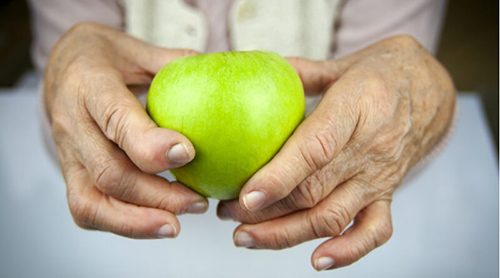
A rheumatoid arthritis diet cannot cure rheumatoid arthritis (RA) or replace the medicines that control it, but the foods you choose may help calm the inflammation behind joint pain, swelling, and morning stiffness [Arthritis Foundation, 2025]. RA is an autoimmune disease in which the immune system attacks the lining of the joints — most often the small joints of the hands, wrists, and feet — and it can also affect the eyes, lungs, heart, and blood vessels [Mayo Clinic, 2025].
Because long-term inflammation and some RA medications can affect appetite, weight, and nutrient levels, eating well is part of managing the condition rather than a substitute for treatment. This guide explains what the research actually supports: which dietary pattern has the strongest evidence, which individual foods may help, what to limit, and where popular advice (such as avoiding nightshade vegetables) is weaker than it sounds. Throughout, we flag whether the evidence is strong, limited, mixed, or early-stage, so you can make informed choices alongside your healthcare team.
Can diet really help rheumatoid arthritis?
The honest answer is that diet may help modestly, but it works as a complement to treatment, not a replacement. Disease-modifying medication remains the foundation of RA care, and food choices will not put the disease into remission on their own [Mayo Clinic, 2025].
Most diet studies in RA are small or short, use different outcome measures, and produce mixed results, so overall confidence is limited [Rheumatology International, 2024]. The clearest and most consistent signal is that overall eating patterns rich in plants, fish, and healthy fats — and lower in processed food — are linked with less pain and lower inflammation for at least some people [Arthritis Foundation, 2025].
The best-studied approach: a Mediterranean-style diet
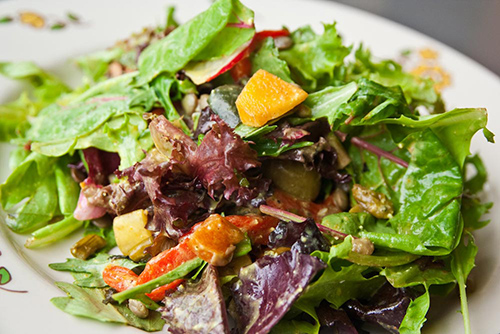
Of all the eating patterns studied in RA, the Mediterranean diet has the most supportive evidence [Arthritis Foundation, 2025]. It emphasizes vegetables, fruit, whole grains, beans, nuts, olive oil, and fish, with modest amounts of poultry and dairy and little red or processed meat. Reviews report improvements in pain, morning stiffness, and physical function in some trials, although the results vary from study to study [Rheumatology International, 2024] [Systematic Review, 2025].
A practical advantage is that this pattern is also heart-healthy, which matters because RA raises the risk of cardiovascular disease [Johns Hopkins Medicine, 2026]. If you prefer a structured plan, the Mediterranean style overlaps with other plant-forward eating patterns such as the macrobiotic diet plan, though no single branded diet is proven superior for RA.
Rheumatoid Arthritis Diet: Foods that may help
These foods form the core of an anti-inflammatory pattern. Evidence is strongest for the overall pattern and for omega-3-rich fish; for most individual foods it is suggestive rather than definitive.
| Food group | Why it may help | Evidence |
| Oily fish (salmon, sardines, mackerel, herring, anchovies) | Rich in omega-3 fatty acids (EPA and DHA) that help dampen inflammation; the Arthritis Foundation suggests about 3–4 oz twice a week. | Moderate |
| Fruits and vegetables | Antioxidants and fiber that support the immune system and may lower inflammatory markers; colourful produce (berries, leafy greens, broccoli) is encouraged. | Limited |
| Whole grains | Fiber that supports gut and heart health and helps with weight management, which eases pressure on joints. | Limited |
| Beans, lentils, nuts and seeds | Plant protein, fiber, minerals and healthy fats; walnuts and flaxseed add plant-based omega-3 (ALA). | Limited |
| Extra-virgin olive oil | Contains polyphenols such as oleocanthal with anti-inflammatory activity; a staple fat in the Mediterranean pattern. | Limited |
| Spices (turmeric/curcumin, ginger) | May influence inflammatory pathways, but human evidence in RA is early and supplement quality varies. | Early/limited |
RA and some of its medications can also contribute to anemia, so iron- and folate-rich foods (leafy greens, beans, lean protein) deserve a place on the plate too [Mayo Clinic, 2025].
Foods and drinks to limit
No single food has been proven to flare RA in everyone, but the following are commonly limited because they tend to promote inflammation or harm the heart, and because cutting back rarely does any harm.
| Food / drink | Why to limit it | Evidence |
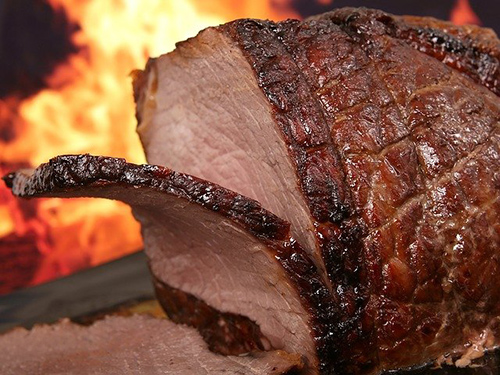
| Red and processed meat | High in saturated fat; observational studies link higher intake to inflammation and RA risk. The Mediterranean pattern minimizes it. | Mixed |
| Ultra-processed and fried foods, trans fats | Linked with higher inflammation and poorer heart health; look for “partially hydrogenated oils” and avoid them. | Moderate |
| Added sugar and sugary drinks | Contribute to weight gain and may worsen inflammation; some people report sugary soda as a symptom trigger. | Limited |
| Excess omega-6 oils (corn, safflower, soybean, sunflower) | Needed in small amounts, but a large omega-6 to omega-3 imbalance may tip the body toward inflammation. | Limited |
| Alcohol (more than moderate) | Heavy drinking adds inflammation and, importantly, can damage the liver when combined with methotrexate — a common RA drug. | Limited |
Popular advice with weaker or mixed evidence
Vegan and vegetarian diets
Plant-based diets are often promoted as the “best” choice for RA, but the evidence is more modest than that claim suggests. A 2025 meta-analysis of randomized trials found a small improvement in pain but no significant change in disease activity or physical function on vegan or vegetarian diets [Systematic Review, 2025]. A well-planned plant-forward diet can be healthy and may help some people — particularly with pain — but it is not a guaranteed or proven cure, and it needs attention to protein, vitamin B12, iron, and omega-3.
Fasting and elimination diets
Short, supervised fasting followed by a vegetarian diet improved symptoms in some older trials, but the benefits often faded over time, and fasting is hard to sustain and unsafe to attempt without medical supervision [Rheumatology International, 2024]. Some people trial removing a specific food — for example, following a gluten-free approach — to see whether symptoms change. If you try this, keep it structured and time-limited (a few weeks), reintroduce foods one at a time, and ideally work with a registered dietitian so your diet stays balanced.
Nightshade vegetables (tomatoes, peppers, potatoes, eggplant)
The belief that nightshades worsen arthritis is widely repeated but is not supported by good evidence. The Arthritis Foundation describes the idea as a myth, and these vegetables are nutritious sources of antioxidants and vitamins [Arthritis Foundation, 2025] [Cleveland Clinic, 2023]. The solanine they contain sits mostly in the leaves and stems, not the parts we eat, and the amounts in food are far below a harmful level. A small number of people do report symptoms after eating them; if you suspect a personal trigger, a short, careful elimination trial is reasonable — but there is no need to cut nightshades out by default.
Dairy and eggs
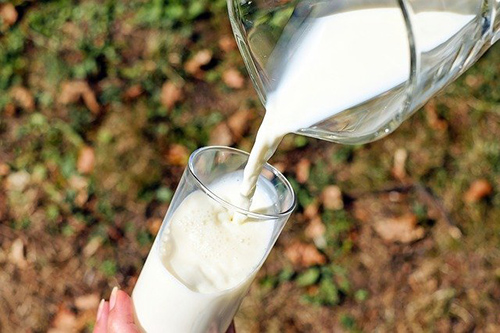
Evidence that milk or eggs worsen RA in most people is weak and inconsistent, so there is no strong reason for everyone with RA to avoid them [Arthritis Foundation, 2025]. Low-fat dairy provides calcium and vitamin D, which support bone health — especially important if you take corticosteroids, which can thin the bones. As with any food, if you consistently notice symptoms after a particular item, discuss a structured trial with your doctor or dietitian.
Supplements: fish oil and beyond
Fish oil (omega-3) is the most studied supplement for RA. Trials generally show modest reductions in tender and swollen joints and in morning stiffness, and some people are able to reduce their use of anti-inflammatory painkillers [NIH ODS, 2024]. Benefits build slowly and can take up to about three months to appear [NRAS, 2024].
Doses studied are commonly around 2–3 grams of combined EPA and DHA per day. The U.S. Food and Drug Administration advises not exceeding 3 grams per day of EPA and DHA combined from supplements without medical supervision — so the very high doses sometimes promoted online are neither necessary nor risk-free [NIH ODS, 2024]. Common side effects include a fishy aftertaste, reflux, and loose stools; higher doses can raise the risk of bleeding.
Talk to your doctor or pharmacist before starting fish oil if you take blood thinners or antiplatelet drugs, are scheduled for surgery, or are pregnant or breastfeeding (choose low-mercury sources) [NIH ODS, 2024]. Turmeric/curcumin supplements are also popular; human evidence in RA is early, product quality varies, and curcumin can also affect blood clotting, so it is worth discussing first. The realistic expectation for any supplement is a helping hand alongside medication — not a cure.
A simple day of anti-inflammatory eating
You do not need an exotic or restrictive plan. A typical Mediterranean-style day might look like this:
- Breakfast: oatmeal topped with berries and a small handful of walnuts.
- Lunch: a large salad with chickpeas, mixed vegetables, and olive oil, plus whole-grain bread.
- Snack: fruit with plain yogurt or a few nuts.
- Dinner: baked salmon, brown rice, and roasted vegetables — yes, including peppers and tomatoes.
Stay hydrated with water, and treat coffee, tea, and the occasional glass of wine in moderation.
Safety, medication interactions, and when to see a doctor
Tell your rheumatology team and pharmacist about every supplement and herbal product you take. Omega-3 and turmeric can interact with blood thinners, and alcohol combined with methotrexate raises the risk of liver damage [NIH ODS, 2024]. Never stop or reduce your prescribed RA medication to “try diet instead” — doing so can allow joint damage to progress.
Who should be especially cautious
- People taking anticoagulant or antiplatelet medication, or anyone facing surgery (omega-3 and curcumin can affect bleeding).
- People who are pregnant or breastfeeding — get individualized advice before using supplements or herbal remedies.
- People on methotrexate — discuss safe alcohol limits with your doctor.
- Anyone with unintended weight loss, signs of anemia, or difficulty eating — ask for a referral to a registered dietitian.
Red flags: when to seek urgent care
Contact a healthcare professional promptly, or seek urgent care, if you notice:
- A single joint that becomes suddenly very hot, red, swollen, and painful, especially with fever — this can signal a joint infection.
- Chest pain, severe shortness of breath, or a persistent cough — RA can affect the heart and lungs.
- Sudden changes in vision or a painful red eye.
- Signs of a serious medication reaction, such as a high fever, mouth ulcers, unusual bruising or bleeding, or yellowing of the skin or eyes.
More broadly, if your symptoms are getting worse, are not controlled by your current treatment, or you develop new symptoms outside the joints, contact your rheumatology team rather than relying on diet alone [Mayo Clinic, 2025]. Early, well-managed treatment makes a real difference to long-term outcomes.
| Health Disclaimer This article is provided for general educational and informational purposes only and is not medical advice. It is not a substitute for diagnosis, treatment, or guidance from a qualified healthcare professional. Rheumatoid arthritis is a serious condition that requires medical care, and no food, supplement, or diet can cure it or replace prescribed treatment. Always talk with your doctor, rheumatologist, pharmacist, or a registered dietitian before changing your diet, starting a supplement, or adjusting any medication — particularly if you are pregnant or breastfeeding, take other medicines, or have another medical condition. |
Frequently asked questions
What is the best diet for rheumatoid arthritis?
There is no single proven “cure” diet. The Mediterranean-style pattern — plenty of vegetables, fruit, whole grains, beans, nuts, olive oil, and fish, with little red or processed meat — has the most supporting evidence and is also good for the heart.
What foods should I avoid with rheumatoid arthritis?
Focus on limiting processed and red meat, ultra-processed and fried foods, trans fats, excess added sugar, and more than moderate alcohol. There is no need to cut out nightshade vegetables, dairy, or eggs unless you personally notice they trigger your symptoms.
Does fish oil help rheumatoid arthritis?
It may help modestly. Studies suggest omega-3 fish oil can reduce joint tenderness and morning stiffness for some people, at doses around 2–3 grams of combined EPA and DHA per day, with effects taking up to three months. Check with your doctor first if you take blood thinners or are due for surgery.
Can diet replace my rheumatoid arthritis medication?
No. Diet is a complement to treatment, not a replacement. Disease-modifying medication is the foundation of RA care, and stopping it can allow joint damage to progress. Never change your medication without medical advice.
Are nightshade vegetables bad for RA?
For most people, no. The belief that tomatoes, peppers, potatoes, and eggplant worsen arthritis is not supported by good evidence, and these vegetables are nutritious. If you suspect a personal trigger, try a short, careful elimination test rather than avoiding them permanently.
References
- Arthritis Foundation. “The Ultimate Arthritis Diet.” (2025). → View source
- Arthritis Foundation. “Best Foods for Your Type of Arthritis.” (2025). → View source
- Arthritis Foundation. “How Nightshades Affect Arthritis.” (2025). → View source
- Mayo Clinic. “Rheumatoid arthritis – Symptoms and causes.” (2025). → View source
- National Institutes of Health, Office of Dietary Supplements. “Omega-3 Fatty Acids – Consumer Fact Sheet.” (2024). → View source
- National Rheumatoid Arthritis Society (NRAS). “Diet for Rheumatoid Arthritis.” (2024). → View source
- Johns Hopkins Medicine. “Anti-Inflammatory Diet.” (2026). → View source
- Cleminson J, et al. “Re-evaluation of dietary interventions in rheumatoid arthritis.” Rheumatology International (2024). doi:10.1007/s00296-024-05541-4. → View source
- “Effect of Plant-Based Diets on Rheumatoid Arthritis: A Systematic Review.” (2025). PubMed PMID 39786551. → View source
- Cleveland Clinic. “Arthritis: Should You Avoid Nightshade Vegetables?” (2023). → View source
