Immune system boosting foods cannot make you infection-proof. But the right eating pattern can give your immune system the raw materials it needs to work normally: protein for antibodies, vitamin C and other antioxidants for cell protection, zinc and selenium for immune-cell activity, fiber for gut microbes, and enough calories to avoid undernourishment. That is the honest way to understand immune boosting foods: not as cures, but as foods that help your defenses do their everyday work.
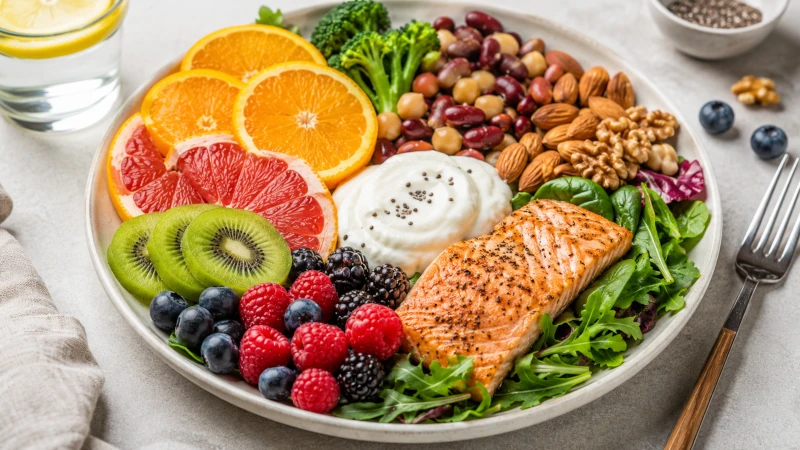
The better goal is steady support. A varied diet cannot replace vaccines, handwashing, sleep, medical care, or prescribed treatment, but it can lower the chance that poor nutrition becomes one more stress on the body. Harvard’s Nutrition Source puts it plainly: immune function depends on many factors, not one special food or nutrient [Harvard Nutrition Source, 2026].
What immune system boosting foods can and cannot do
The phrase “immune boosting” can be misleading. A constantly heightened immune response is not automatically good; allergies, chronic inflammation, and autoimmune disease are examples of immune activity that can become harmful. For most people, the goal is not to push the immune system harder. It is to support normal immune function.
Eating enough nutrients as part of a varied diet is required for the health and function of immune cells, but individual foods are unlikely to offer special protection on their own [Harvard Nutrition Source, 2026]. The best plan is boring in the most useful way: eat a wide range of minimally processed foods, get enough protein, include fruits and vegetables daily, and avoid relying on supplements as a substitute for meals.
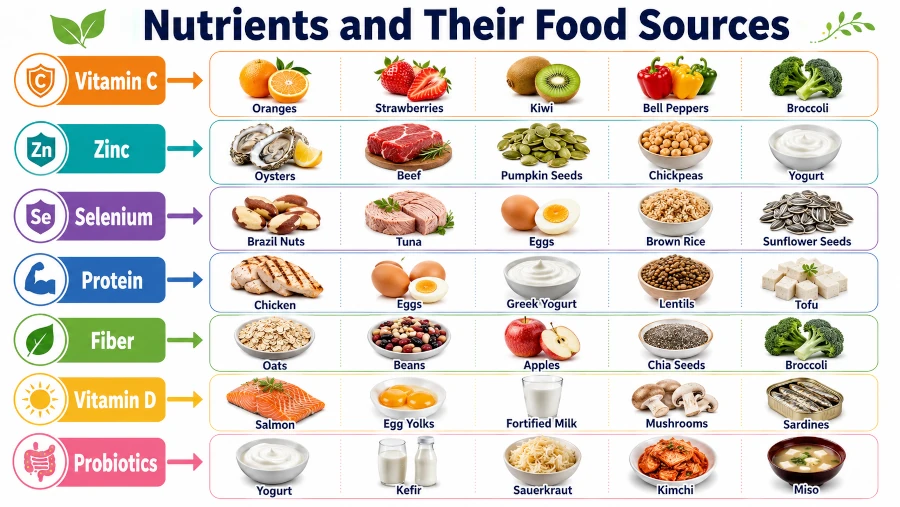
13 immune boosting foods to eat more often
These foods earn a place because they provide nutrients tied to normal immune function. They are not ranked as treatments. Think of them as the grocery-list version of immune support.
1. Citrus fruit
Oranges, grapefruit, lemons, and tangerines are familiar for a reason. They provide vitamin C, and NIH lists citrus fruit among the best food sources of vitamin C, alongside peppers, kiwi, broccoli, strawberries, and Brussels sprouts [NIH ODS Vitamin C, n.d.]. Vitamin C plays a role in immune function and also helps the body absorb nonheme iron from plant foods [NIH ODS Vitamin C, n.d.].
2. Kiwi
Kiwi is one of the easiest ways to add vitamin C without relying only on oranges. Slice it into oatmeal, yogurt, or a lunchbox, or pair it with nuts for a snack that has fiber and fat. For more detail on the fruit itself, see the site’s guide to kiwi health benefits.
3. Bell peppers
Red and green peppers are among the vitamin C-rich vegetables named by NIH. They also make immune-supportive eating easier because they work raw, roasted, or added to soups and stir-fries. Cooking can reduce vitamin C, so using some peppers raw or lightly cooked is a practical choice [NIH ODS Vitamin C, n.d.].
4. Berries
Strawberries are a good vitamin C source, and berries also bring fiber and polyphenols. They are not medicine, but they are a simple way to replace lower-nutrient sweets with something that supports a broader healthy eating pattern.
5. Tomatoes
Tomatoes and tomato juice are major contributors of vitamin C in the U.S. diet, according to NIH, and tomato products also provide carotenoids such as lycopene [NIH ODS Vitamin C, n.d.]. For an internal companion article, link to health benefits of tomatoes.
6. Leafy greens
Spinach, kale, collards, and other leafy greens help cover several bases: fiber, folate, carotenoids, and minerals. NIH notes that leafy green vegetables contribute provitamin A carotenoids in the diet [NIH ODS Vitamin A, n.d.].
7. Sweet potatoes and carrots
Orange vegetables such as sweet potatoes and carrots provide provitamin A carotenoids. Vitamin A matters because healthy barrier tissues—the skin and mucous membranes—are part of the body’s first line of defense. Food sources are the safer starting point; high-dose vitamin A supplements can be harmful and should not be used casually.
8. Beans, lentils, and chickpeas
Legumes provide plant protein, zinc, iron, and prebiotic fiber. Harvard notes that high-fiber, plant-rich diets with fruits, vegetables, whole grains, and legumes appear to support beneficial gut microbes, and the gut is a major site of immune activity [Harvard Nutrition Source, 2026]. Beans also pair well with vitamin C foods—think lentil soup with tomatoes or black beans with peppers.
9. Nuts and seeds
Almonds, sunflower seeds, pumpkin seeds, sesame, and other nuts and seeds bring vitamin E, zinc, selenium, magnesium, and healthy fats. NIH lists nuts, seeds, and vegetable oils among the best vitamin E sources [NIH ODS Vitamin E, n.d.]. Use them as toppings, snacks, or spreads rather than treating them as pills in food form.
10. Yogurt and kefir with live cultures
Fermented dairy foods can provide protein and live cultures. Probiotic effects are strain-specific, so it is too broad to say yogurt “boosts immunity,” but fermented foods can be part of a gut-supportive diet. People with compromised immune function or serious underlying disease should be cautious with probiotic supplements and use clinician guidance [NIH ODS Probiotics, n.d.].
11. Garlic and onions
Garlic and onions are useful less because they “kill germs” and more because they make a plant-rich diet easier to enjoy. Garlic has been promoted for immune support, but NCCIH says very little human research has been done on that topic and existing studies are small or weak [NCCIH Garlic, 2025]. Culinary garlic is fine for most people; garlic supplements deserve more caution. See the site’s deeper article on the benefits of garlic.
12. Fatty fish and vitamin D-fortified foods
Vitamin D is involved in immune function, inflammation regulation, and bone health, but few foods naturally contain it. NIH lists fatty fish such as trout, salmon, tuna, and mackerel among the best natural sources, with fortified milk, fortified plant milks, cereals, some orange juice, and UV-exposed mushrooms contributing in many diets [NIH ODS Vitamin D, n.d.].
13. Protein-rich foods
Immune cells and antibodies depend on adequate protein. That does not mean every meal must be meat-heavy. Fish, poultry, eggs, yogurt, tofu, tempeh, beans, lentils, nuts, and seeds can all help. If appetite is low during illness, softer protein foods—yogurt, soup with beans, eggs, or tofu—may be easier to tolerate.
The nutrients behind the list
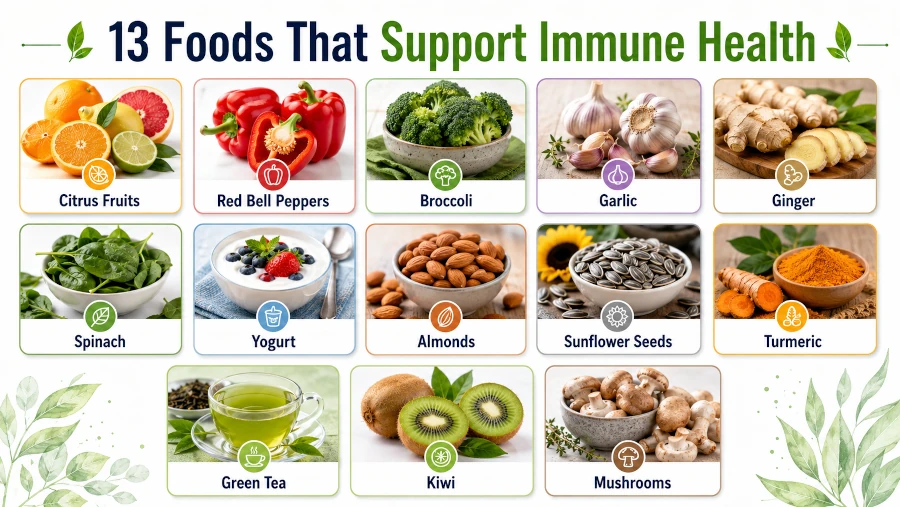
A useful immune-support diet is less about one “superfood” and more about covering the nutrient bases consistently. This table can help readers understand why the foods above were chosen.
| Nutrient or food factor | Why it matters | Food-first sources |
| Protein | Provides amino acids used to build immune proteins and maintain tissue repair. | Beans, lentils, fish, poultry, eggs, yogurt, tofu, nuts, seeds |
| Vitamin C | Supports immune function and antioxidant protection; helps absorb plant-based iron. | Citrus, kiwi, peppers, strawberries, broccoli, Brussels sprouts |
| Vitamin A carotenoids | Supports normal barrier tissues and immune-related functions. | Leafy greens, carrots, sweet potatoes, tomato products, orange/yellow vegetables |
| Vitamin D | Modulates immune function and inflammation; food sources are limited. | Fatty fish, UV-exposed mushrooms, fortified dairy or plant milks, fortified cereals |
| Vitamin E | Acts as an antioxidant; high-dose supplements have safety concerns. | Sunflower seeds, almonds, hazelnuts, wheat germ oil, spinach |
| Zinc | Required for many enzymes and immune function; too much supplemental zinc can reduce immune function and interact with medicines. | Seafood, meat, eggs, dairy, beans, nuts, whole grains |
| Selenium | Found in protein-rich foods; needed in small amounts. | Brazil nuts, seafood, meat, poultry, eggs, grains |
| Fiber and prebiotics | Feed beneficial gut microbes that interact with immune activity. | Beans, lentils, oats, whole grains, onions, garlic, bananas, vegetables |
| Probiotic foods | May support gut health; effects depend on strains and the person. | Yogurt with live cultures, kefir, fermented vegetables, miso, tempeh |
Foods and habits that can work against immune health
The old version of this article listed “foods that weaken immune systems.” Some of those claims needed tightening. The safer, better-supported point is this: diet patterns and food-safety choices matter more than demonizing a single food.
- A low-variety diet can leave gaps in nutrients immune cells depend on. WHO describes adequacy, balance, moderation, and diversity as core principles of a healthy diet [WHO Healthy Diet, n.d.].
- Frequent sugary drinks and highly processed foods can crowd out higher-nutrient foods. WHO recommends limiting free sugars to less than 10% of daily energy intake, with further reduction to 5% offering added health benefits [WHO Healthy Diet, n.d.].
- Excessive alcohol can impair or suppress normal immune-cell activity, and Harvard includes excessive alcohol among factors that can depress immune function [Harvard Nutrition Source, 2026].
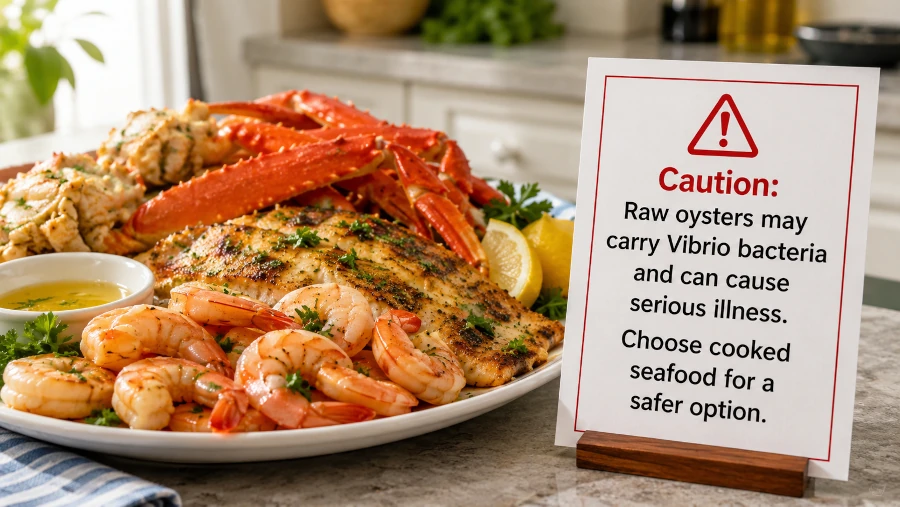
- Raw or undercooked shellfish are a food-safety concern, especially for people at increased risk. CDC says most Vibrio infections come from eating raw or undercooked shellfish, especially oysters, and advises cooking seafood before eating it [CDC Vibrio, 2025].
- Coffee does not need to be listed as an immune-weakening food for most adults. The more practical concern is timing and tolerance: if caffeine worsens sleep, anxiety, reflux, or heart symptoms for you, adjust it.
For readers who want more natural-health context around infection-related foods, the internal article 5 Foods That Fight Infection can be used as related reading, but this article should avoid promising that foods treat infections.
Safety notes: who should be careful
Food-first immune support is generally low-risk, but supplements and certain raw foods are not harmless for everyone.
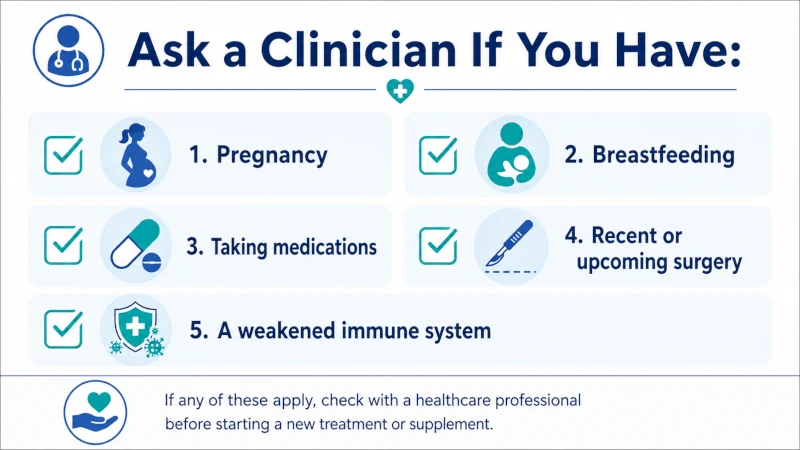
- Talk with a healthcare professional before taking high-dose vitamin, mineral, garlic, or probiotic supplements if you are pregnant, breastfeeding, immunocompromised, preparing for surgery, or taking prescription medication. Garlic supplements may increase bleeding risk, especially with anticoagulants, aspirin, or surgery [NCCIH Garlic, 2025].
- Do not assume more zinc is better. NIH notes that 50 mg or more of zinc over weeks can interfere with copper absorption, reduce immune function, and cause side effects; zinc can also interact with certain antibiotics and other medicines [NIH ODS Zinc, n.d.].
- Use caution with probiotic supplements if your immune system is compromised or you have a serious underlying illness. NIH ODS cites guidance that probiotic use in such cases should be restricted to strains and indications with proven efficacy [NIH ODS Probiotics, n.d.].
- Avoid raw or undercooked oysters and other shellfish if you are at increased risk for severe infection. CDC notes that Vibrio vulnificus can cause serious illness and advises cooking seafood before eating it [CDC Vibrio, 2025].
- If you have allergies to a food, skip it. An immune-supportive diet should never require a food your body does not tolerate.
For supplement-oriented readers, add a natural internal link to the site’s Supplements and Reviews category near this safety discussion rather than placing product links inside medical guidance.
When food is not enough
Food can support health, but it cannot replace medical evaluation when symptoms are severe or unusual. Seek urgent medical care for difficulty breathing, persistent chest or abdominal pain, persistent dizziness or confusion, seizures, not urinating, severe weakness, symptoms that improve and then return or worsen, or worsening chronic medical conditions [CDC Flu, 2024].
Also contact a clinician if you have frequent infections, unexplained weight loss, recurring fevers, wounds that do not heal, or infections that keep coming back. Those patterns deserve more than a diet list.
| Health disclaimer: This article is for educational purposes only and is not a substitute for medical advice, diagnosis, or treatment. Foods can support normal immune function, but they do not cure, prevent, or treat infections or immune disorders. If you are pregnant, breastfeeding, immunocompromised, taking medications, or managing a chronic condition, ask a qualified healthcare professional before using supplements, herbs, or major diet changes. |
Frequently Asked Questions
What are the best immune boosting foods?
The best immune boosting foods are nutrient-dense foods that support normal immune function: citrus, kiwi, peppers, berries, tomatoes, leafy greens, sweet potatoes, beans, nuts and seeds, yogurt or kefir, garlic and onions, fatty fish or vitamin D-fortified foods, and protein-rich foods. The strongest approach is variety, not one “best” food.
Can foods prevent colds or flu?
No food can reliably prevent colds or flu. A healthy diet may help your immune system work normally and may reduce the chance that nutrient gaps weaken your defenses, but vaccines, handwashing, sleep, and medical care still matter.
Is vitamin C enough for immune support?
Vitamin C matters, but it is only one nutrient. Immune cells also depend on protein, zinc, selenium, vitamin A, vitamin D, vitamin E, fiber, and overall energy intake. Taking more vitamin C than your body needs is not the same as better protection.
Are garlic supplements good for immunity?
Garlic as food can be part of a healthy diet. Garlic supplements are different. NCCIH says immune-related garlic research is limited, and garlic supplements may increase bleeding risk, especially around surgery or with blood-thinning medicines.
Which foods should I avoid if my immune system is weak?
If your immune system is compromised, be especially careful with raw or undercooked seafood, unpasteurized foods, and supplements marketed for immunity. Work with your healthcare professional for food-safety advice that fits your condition and treatment.
Should I take immune supplements instead of changing my diet?
Supplements can help when a real deficiency or increased need exists, but they do not replace food. High-dose supplements can cause side effects or interact with medications. A food-first plan plus clinician-guided supplementation is safer than guessing.
References
- Harvard T.H. Chan School of Public Health, The Nutrition Source. “Nutrition and Immunity.” 2026 page/copyright. View source
- World Health Organization. “Healthy diet.” Fact sheet. No visible publication date in retrieval; accessed June 30, 2026. View source
- National Institutes of Health, Office of Dietary Supplements. “Vitamin C – Fact Sheet for Health Professionals.” n.d.; accessed June 30, 2026. View source
- National Institutes of Health, Office of Dietary Supplements. “Vitamin A and Carotenoids – Fact Sheet for Health Professionals.” n.d.; accessed June 30, 2026. View source
- National Institutes of Health, Office of Dietary Supplements. “Vitamin D – Fact Sheet for Health Professionals.” n.d.; accessed June 30, 2026. View source
- National Institutes of Health, Office of Dietary Supplements. “Vitamin E – Fact Sheet for Health Professionals.” n.d.; accessed June 30, 2026. View source
- National Institutes of Health, Office of Dietary Supplements. “Zinc – Fact Sheet for Health Professionals.” n.d.; accessed June 30, 2026. View source
- National Institutes of Health, Office of Dietary Supplements. “Selenium – Fact Sheet for Health Professionals.” n.d.; accessed June 30, 2026. View source
- National Institutes of Health, Office of Dietary Supplements. “Probiotics – Fact Sheet for Health Professionals.” n.d.; accessed June 30, 2026. View source
- National Center for Complementary and Integrative Health. “Garlic: Usefulness and Safety.” Last updated February 2025. View source
- Centers for Disease Control and Prevention. “Preventing Vibrio Infection.” July 7, 2025. View source
- Centers for Disease Control and Prevention. “Signs and Symptoms of Flu.” August 26, 2024. View source
