
Foods for the nervous system are whole, minimally processed foods that supply the B vitamins, minerals, healthy fats, and antioxidants your brain and nerves need to send signals, build protective myelin, and manage stress.
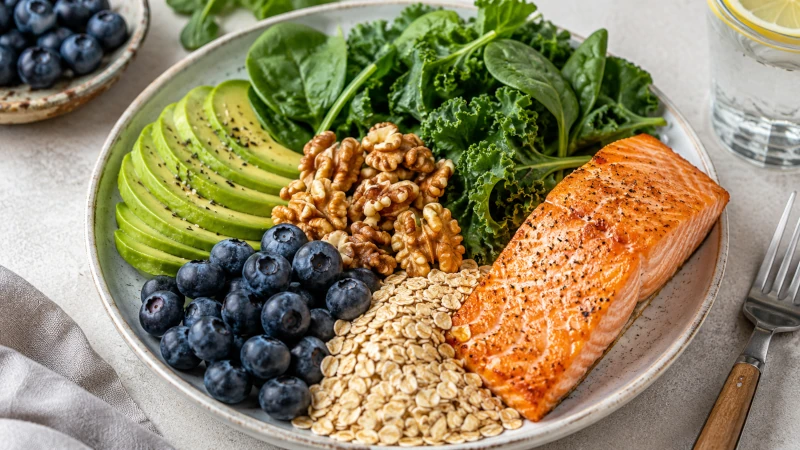
No single food will “fix” a nervous system, but a consistent pattern of eating — built around leafy greens, whole grains, legumes, nuts, seeds, fatty fish, eggs, and colorful produce — is associated with better cognitive and mood outcomes in large population studies [Gómez-Pinilla, 2008], [Morris et al., 2015].
This guide explains which nutrients matter, which foods supply them, what the evidence actually shows, and where claims are weaker than they sound.
How food affects your nervous system
Your brain runs almost entirely on glucose and oxygen, but the machinery that turns those into thought, memory, movement, and emotion is built from nutrients you eat. Neurons need B vitamins to make neurotransmitters, magnesium to regulate electrical excitability, and long-chain omega-3 fats (DHA and EPA) to build flexible cell membranes [NIH ODS, 2023].
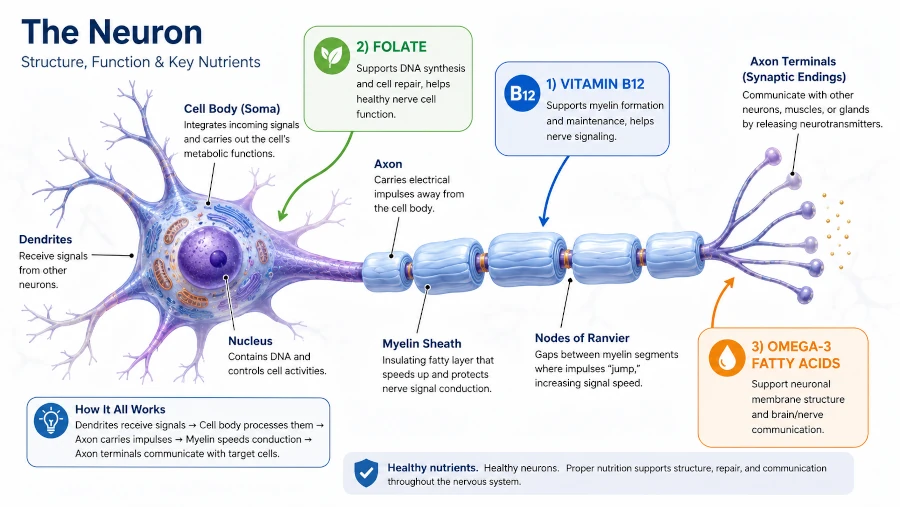
Peripheral nerves rely on B12 and folate to maintain the myelin sheath that insulates them — a long-standing B12 deficiency can produce numbness, tingling, and balance problems that may be reversible if caught early [NIH ODS, 2024].
Evidence is strongest for correcting frank nutrient deficiencies (such as B12, thiamin, or folate). Evidence is moderate for whole-diet patterns like the Mediterranean and MIND diets, which have been linked to slower cognitive decline in observational studies and some trials [Martínez-González, 2019], [Barnes et al., 2023]. Evidence is weaker or mixed for individual “brain superfoods” taken in isolation.
Key nutrients your nerves and brain need
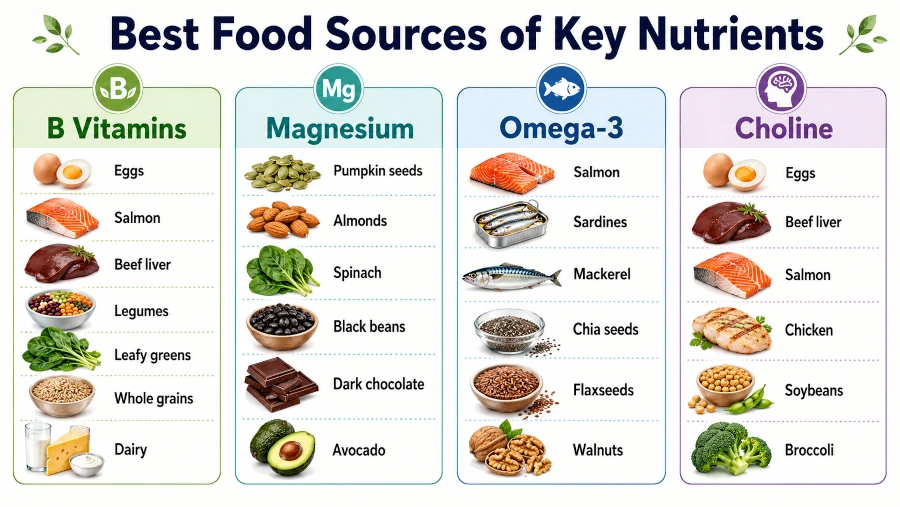
The table below summarizes the nutrients with the clearest roles in nervous system function, along with foods that reliably supply them.
| Nutrient | Why it matters for nerves and brain | Reliable food sources |
| B1 (thiamin) | Supports nerve signal conduction and glucose use in neurons | Oats, whole wheat, legumes, sunflower seeds |
| B6 | Needed to make serotonin, dopamine, and GABA | Chickpeas, salmon, poultry, bananas, avocado |
| B9 (folate) | Supports myelin and neurotransmitter synthesis | Lentils, spinach, asparagus, beans |
| B12 | Maintains myelin sheath; deficiency causes neuropathy | Fish, eggs, dairy, fortified foods |
| Magnesium | Regulates NMDA receptors and nerve excitability | Pumpkin seeds, almonds, cashews, dark leafy greens |
| Omega-3 (DHA/EPA) | Structural component of neuronal membranes | Salmon, sardines, mackerel, walnuts (ALA) |
| Choline | Precursor to acetylcholine (memory, muscle control) | Eggs, soybeans, chicken, broccoli |
| Antioxidants | Reduce oxidative stress in neural tissue | Berries, leafy greens, dark chocolate, olive oil |
Sources: NIH Office of Dietary Supplements fact sheets; Linus Pauling Institute Micronutrient Information Center.
10 foods for the nervous system, backed by evidence
The foods below were chosen because they supply nutrients with established roles in nerve and brain function, and because they fit into eating patterns linked to better long-term cognitive and mood outcomes.
1. Oats and other whole grains
Oats release glucose slowly and deliver thiamin (B1), magnesium, and soluble fiber. Thiamin is essential for converting glucose into usable energy inside neurons; a deficiency causes irritability, memory problems, and, in severe cases, Wernicke–Korsakoff syndrome [NIH ODS, 2023]. Steady blood sugar from whole grains also helps avoid the mid-morning crashes that many people experience as brain fog or jitteriness.
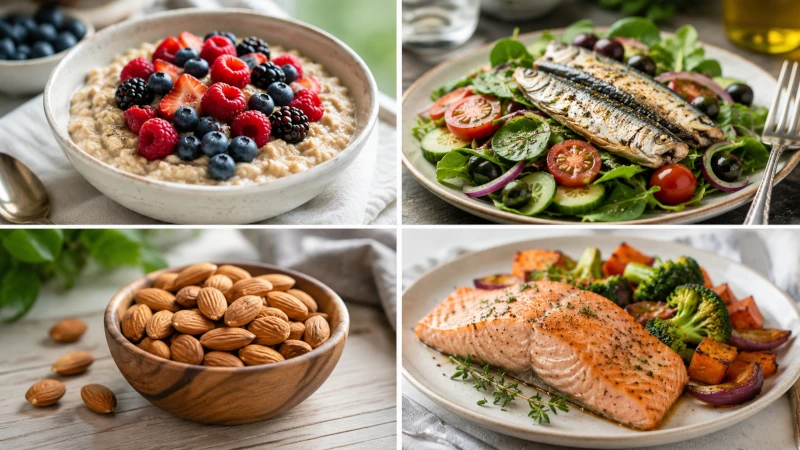
2. Fatty fish (salmon, sardines, mackerel)
Fatty fish are the most concentrated dietary source of EPA and DHA, the long-chain omega-3s that make up a large share of neural cell membranes. Two servings per week are recommended by most national dietary guidelines.
Cochrane reviews find that omega-3 supplementation does not reliably prevent dementia in healthy adults, but whole-food fish intake remains associated with better cognitive outcomes in observational studies [Cochrane, 2020], [NIH ODS, 2023].
3. Leafy greens
Spinach, kale, collards, and romaine supply folate, vitamin K, lutein, and nitrates. In the MIND diet trial and the Rush Memory and Aging Project, people who ate roughly one serving of leafy greens per day had slower measured cognitive decline than those who rarely ate them [Morris et al., 2015]. Lettuce is a gentler member of this family and contributes small amounts of B vitamins plus hydration.
4. Nuts — walnuts, almonds, cashews, Brazil nuts, pine nuts
Nuts provide magnesium, vitamin E, and healthy fats. Almonds and cashews are particularly rich in magnesium, which helps regulate NMDA receptor activity and may support sleep quality in people with low intake [NIH ODS, 2022].
Walnuts add alpha-linolenic acid (a plant omega-3). Pine nuts contribute B1 and zinc. Brazil nuts are notable for selenium — one or two per day is plenty; more than four can push selenium intake above the safe upper limit.
5. Legumes (lentils, chickpeas, black beans)
Legumes are among the highest plant sources of folate, which supports neurotransmitter synthesis and, together with B12, keeps homocysteine levels in check [NIH ODS, 2023]. They also supply iron and slow-digesting carbohydrates that stabilize energy through the afternoon.
6. Eggs
Eggs are one of the richest dietary sources of choline, the precursor to acetylcholine — a neurotransmitter central to memory and muscle control. Most adults fall short of the adequate intake for choline [NIH ODS, 2022]. Eggs also supply B12, selenium, and lutein.
7. Berries
Blueberries, strawberries, and blackberries deliver anthocyanins — polyphenols that cross the blood-brain barrier and have been studied for effects on memory and executive function. Randomized trials are small and short, so treat berries as a useful part of an overall pattern rather than a targeted treatment [Linus Pauling Institute, 2023].
8. Avocado
Avocados supply monounsaturated fat, vitamin B6, folate, and potassium. B6 is required to synthesize serotonin, dopamine, and GABA — the neurotransmitters most involved in mood and calm [NIH ODS, 2023].
9. Seeds (pumpkin, sunflower, flax, chia)
Pumpkin seeds are one of the densest food sources of magnesium and zinc. Flax and chia provide ALA omega-3 and soluble fiber. A small daily handful is an easy way to raise magnesium intake without supplements.
10. Dark chocolate (70% or higher)
Cocoa flavanols have been studied for short-term effects on attention and cerebral blood flow. The evidence is early and trials typically use concentrated cocoa extracts rather than chocolate bars, but a small square of high-cocoa dark chocolate is a reasonable inclusion for most adults.
A simple day of eating for nervous system support
- Breakfast: Oatmeal cooked with milk or soy milk, topped with blueberries, walnuts, and a spoon of ground flax.
- Lunch: Large salad with leafy greens, chickpeas, avocado, pumpkin seeds, olive oil, and canned sardines or a boiled egg.
- Snack: A small handful of almonds and a piece of fruit.
- Dinner: Baked salmon (or lentil stew), brown rice or quinoa, and roasted vegetables.
- Evening: A square of dark chocolate and herbal tea.
This pattern is consistent with Mediterranean and MIND-style eating, which have the best evidence among whole-diet approaches for long-term brain health [Harvard T.H. Chan, 2023].
Foods and habits to limit
Evidence for what to avoid is often stronger than evidence for any single “brain food.”
- Added sugars and sugary drinks. High intake is linked to worse mood and cognitive outcomes; the WHO recommends keeping added sugars below 10% of total calories [WHO, 2015].
- Ultra-processed foods. Multiple large cohort studies associate high intake with increased risk of depression and cognitive decline.
- Excess alcohol. Alcohol depletes thiamin and directly damages peripheral nerves with chronic heavy use.
- Certain synthetic food dyes. Regulatory reviews in Europe and a 2018 American Academy of Pediatrics policy statement found evidence that some azo dyes can worsen hyperactive behavior in susceptible children [EFSA, 2008], [AAP, 2018].
Who should be cautious
Food is generally safe, but a few groups need extra care before making major dietary changes or assuming a food will “treat” a nerve-related symptom.
- People on MAOIs or blood thinners. Aged cheeses and fermented foods can interact with MAO inhibitors. Leafy greens are high in vitamin K, which interacts with warfarin — consistency matters more than avoidance.
- People with nut or fish allergies. Use seeds, legumes, and algae-based omega-3 as substitutes.
- Pregnancy and breastfeeding. Choose low-mercury fish (salmon, sardines, trout) and limit high-mercury species. Folate needs rise; most prenatal care includes a folic acid supplement.
- People with kidney disease. Potassium and phosphorus intake may need to be limited; check with your care team before increasing legumes, nuts, or leafy greens.
- People taking levodopa for Parkinson’s disease. Protein timing affects absorption; a registered dietitian can help.
When to see a healthcare professional
Diet supports the nervous system; it does not replace medical evaluation. Seek prompt care if you experience:
- New numbness, tingling, or weakness, especially on one side of the body
- Sudden severe headache, confusion, slurred speech, or vision changes — call emergency services
- Persistent balance problems or unexplained falls
- Memory changes that interfere with daily tasks
- Symptoms of depression or anxiety lasting more than two weeks, or any thoughts of self-harm
A clinician can test for B12, folate, thiamin, magnesium, thyroid, and blood glucose — correctable causes of neurological symptoms that no amount of “brain food” alone can diagnose.
Realistic expectations
Changing what you eat can measurably improve energy, sleep, and mood within weeks, and may lower long-term risk of cognitive decline over years.
What food cannot do is reverse established neurological disease, replace medication for epilepsy, multiple sclerosis, or Parkinson’s, or undo the effects of a long-standing deficiency overnight. Treat these foods as one of several supports — alongside sleep, movement, stress management, and medical care — rather than as a cure.
| Health Disclaimer The information in this article is for general educational purposes only and is not a substitute for professional medical advice, diagnosis, or treatment. Foods and nutrients described here may support overall nervous system health as part of a balanced diet, but they do not cure, prevent, or treat any specific disease. Always speak with a qualified healthcare professional before making significant changes to your diet, starting a supplement, or if you have a diagnosed neurological condition, are pregnant or breastfeeding, take prescription medication, or experience new or worsening symptoms. |
Frequently asked questions
What is the single best food for the nervous system?
There isn’t one. If forced to pick, fatty fish and leafy greens have the broadest support across nutrients and outcomes. But the pattern of eating matters far more than any single food.
Can foods repair nerve damage?
Foods rich in B12, folate, and thiamin can help reverse neurological symptoms caused specifically by those deficiencies, if caught early. Damage from diabetes, trauma, or chronic disease usually requires medical treatment; nutrition supports recovery but rarely restores function on its own.
Are supplements better than food?
For most people without a diagnosed deficiency, no. Whole foods deliver nutrients in combinations and fiber contexts that supplements can’t match, and large trials of single-nutrient supplements for brain health have mostly been negative [Cochrane, 2020]. Supplements are appropriate for diagnosed deficiencies, pregnancy, strict vegan diets (B12), and specific medical situations — decided with a clinician.
Does sugar really affect the nervous system?
Yes, but the effect is mostly indirect. High intake of added sugars is linked in population studies to higher rates of depression and cognitive decline, likely via blood sugar swings, inflammation, and crowding out more nutrient-dense foods [WHO, 2015]. The old idea that sugar causes hyperactivity in most children is not well supported, though certain additives may affect sensitive kids.
How long until I feel a difference?
Energy and sleep changes can appear within one to two weeks. Mood and concentration changes often take four to eight weeks. Cognitive decline risk reduction is measured over years.
References
1. Gómez-Pinilla, F. (2008). Brain foods: the effects of nutrients on brain function. Nature Reviews Neuroscience, 9(7), 568–578. → View source
2. Morris, M. C., et al. (2015). MIND diet associated with reduced incidence of Alzheimer’s disease. Alzheimer’s & Dementia, 11(9), 1007–1014. → View source
3. Martínez-González, M. A., et al. (2019). The PREDIMED trial, Mediterranean diet and health outcomes: an updated narrative review. Current Opinion in Lipidology. → View source
4. Barnes, L. L., et al. (2023). Trial of the MIND diet for prevention of cognitive decline in older persons. New England Journal of Medicine. → View source
5. National Institutes of Health, Office of Dietary Supplements (2023). Omega-3 Fatty Acids: Fact Sheet for Health Professionals. → View source
6. National Institutes of Health, Office of Dietary Supplements (2024). Vitamin B12: Fact Sheet for Health Professionals. → View source
7. National Institutes of Health, Office of Dietary Supplements (2023). Vitamin B6: Fact Sheet for Health Professionals. → View source
8. National Institutes of Health, Office of Dietary Supplements (2023). Thiamin: Fact Sheet for Health Professionals. → View source
9. National Institutes of Health, Office of Dietary Supplements (2023). Folate: Fact Sheet for Health Professionals. → View source
10. National Institutes of Health, Office of Dietary Supplements (2022). Magnesium: Fact Sheet for Health Professionals. → View source
11. National Institutes of Health, Office of Dietary Supplements (2022). Choline: Fact Sheet for Health Professionals. → View source
12. Harvard T.H. Chan School of Public Health, The Nutrition Source (2023). Healthy Eating Plate and Mediterranean Diet. → View source
13. Linus Pauling Institute, Oregon State University (2023). Cognitive Function — Micronutrient Information Center. → View source
14. Cochrane Database of Systematic Reviews (2020). Omega-3 polyunsaturated fatty acids for the prevention of cognitive decline and dementia. → View source
15. European Food Safety Authority (2008). Scientific Opinion on the re-evaluation of certain food colours and their effects on children’s activity and attention. → View source
16. American Academy of Pediatrics (2018). Food Additives and Child Health. Pediatrics, 142(2). → View source
17. World Health Organization (2015). Guideline: Sugars intake for adults and children. → View source
18. NHS UK (2022). B vitamins and folic acid — Vitamins and minerals. → View source
