
If you have no diabetes diagnosis, a healthy fasting glucose reading sits below 100 mg/dL, and a reading two hours after a meal stays under 140 mg/dL. If you do have diabetes, the usual aim is 80–130 mg/dL before meals and under 180 mg/dL about two hours after a meal starts. Below 70 mg/dL is low and needs treating right away. Those four blood sugar levels cover most of what people actually come here for [NIDDK, 2023].
What the numbers do not tell you is how much they move. Glucose rises and falls all day — after breakfast, during a stressful meeting, in the middle of a cold. A single reading is a snapshot, not a verdict. What follows is how to read yours, what pushes it up or down, and the specific signs that mean stop reading and call someone.
Normal blood sugar levels: the numbers that matter
Two different sets of numbers get called “normal,” and confusing them causes a lot of unnecessary alarm. One set is diagnostic — the thresholds a doctor uses to say whether you have prediabetes or diabetes. The other is a set of daily management targets for people already diagnosed. They are not the same thing.
Diagnostic thresholds
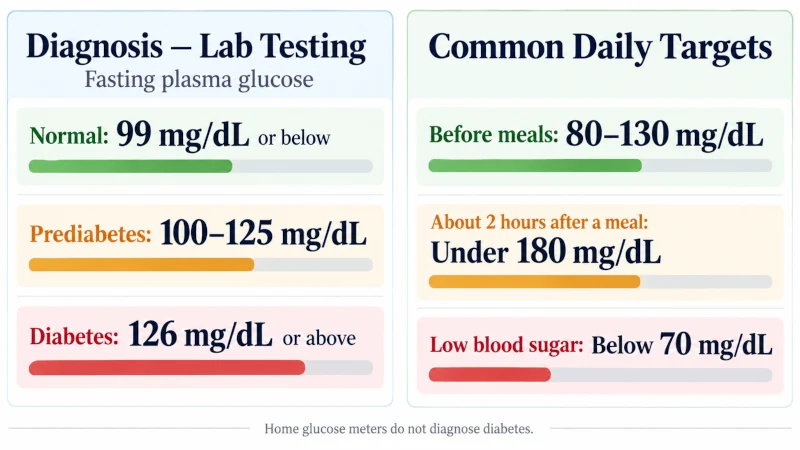
These come from lab tests, not a home meter. A drugstore glucose meter cannot diagnose diabetes [NIDDK, 2022].
| Result | A1C | Fasting plasma glucose | Oral glucose tolerance test (2 hr) | Random plasma glucose |
| Normal | Below 5.7% | 99 mg/dL or below | 139 mg/dL or below | — |
| Prediabetes | 5.7%–6.4% | 100–125 mg/dL | 140–199 mg/dL | — |
| Diabetes | 6.5% or above | 126 mg/dL or above | 200 mg/dL or above | 200 mg/dL or above, with symptoms |
Source: NIDDK, drawing on American Diabetes Association criteria. A doctor will usually repeat a test before confirming a diagnosis [NIDDK, 2022].
Daily targets if you already have diabetes
Many people with diabetes aim for 80–130 mg/dL before a meal and under 180 mg/dL about two hours after one starts. If you use a continuous glucose monitor, the equivalent goal is time in range: glucose between 70 and 180 mg/dL for at least 70% of the day. Below 70 mg/dL counts as low; above 180 mg/dL counts as high [NIDDK, 2023]. Older adults, people who have had diabetes a long time, and anyone with frequent lows are often given looser targets on purpose, because the risk of a dangerous low outweighs the benefit of a tighter number.
Where A1C fits
A1C measures the share of your hemoglobin that has sugar attached, which reflects your average glucose over roughly three months. Below 5.7% is normal, 5.7%–6.4% is prediabetes, and 6.5% or above indicates diabetes. For most people already diagnosed, the goal is 7% or less — an A1C of 7% works out to an estimated average glucose of about 154 mg/dL [CDC, 2024a].
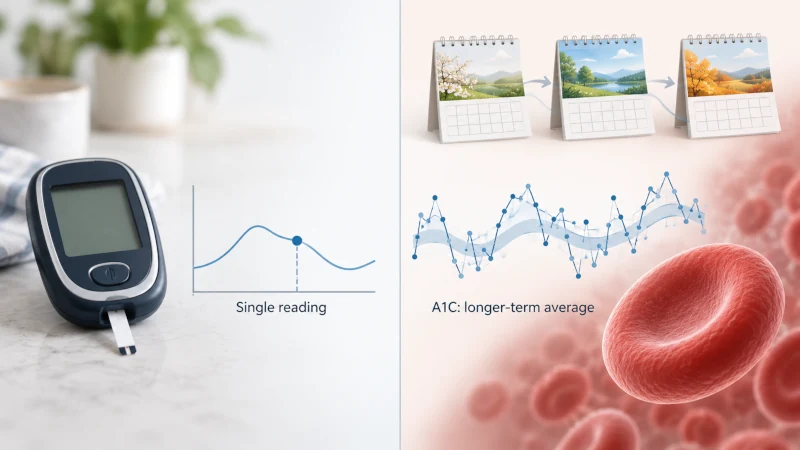
A1C has blind spots. It is an average, so it can look reassuring while hiding wild swings between highs and lows. It can also read falsely high or low if you have severe anemia, kidney failure, liver disease, sickle cell anemia or thalassemia, recent blood loss or a transfusion, or if you are in early or late pregnancy. Certain medicines, including opioids and some HIV drugs, can skew it too. Tell your doctor if any of these apply [CDC, 2024a].
High blood sugar levels (hyperglycemia)
For most people with diabetes, blood sugar is considered too high above 180 mg/dL [NIDDK, 2023]. The uncomfortable part is that high glucose is often silent. Many people feel nothing until levels have been elevated for a long stretch, which is one reason more than one in four US adults with diabetes do not know they have it [CDC, 2026].
What high blood sugar feels like
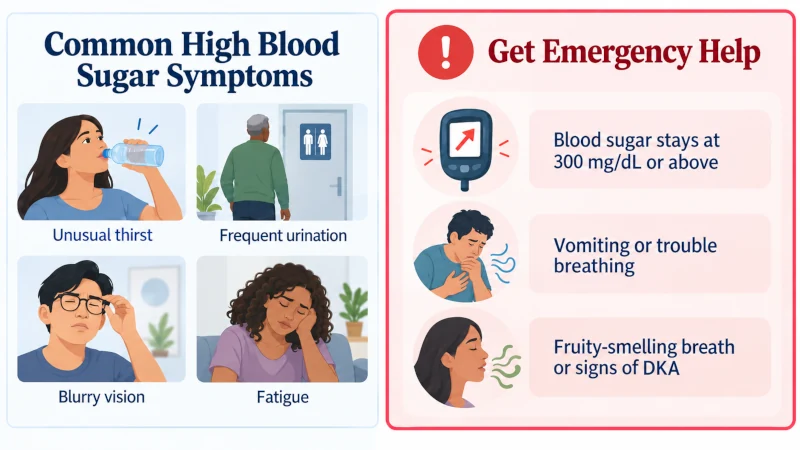
When symptoms do show up, they tend to be these: unusual thirst, urinating far more than usual, blurry vision, and fatigue [NIDDK, 2023]. None of them is specific to diabetes on its own. Together, and lasting more than a few days, they are worth a blood test.
What pushes blood sugar up
- Carbohydrate at a meal — the amount and the type both matter, and portions matter even for foods that are otherwise good for you.
- Illness and infection, which raise glucose even when you are eating less than usual.
- Missed or mistimed diabetes medication, a clogged insulin pump, or the wrong insulin dose.
- Certain medicines taken for other conditions. Corticosteroids and some diuretics are the two named most often, and both can raise glucose enough to matter [CDC, 2024d].
- Less physical activity than usual.
You will read online that carbohydrate overconsumption is “the leading cause” of high blood sugar. That framing does not hold up: type 1 diabetes is autoimmune and has nothing to do with diet, and in type 2 the underlying problem is insulin resistance combined with a pancreas that cannot keep up. Diet strongly influences how high your glucose goes and how well the condition is managed, which is a different and more useful claim. If you want the practical version of that, see our guide to diabetic friendly foods that help control blood sugar.
When high blood sugar becomes an emergency
Two situations turn a high reading into a hospital problem. The one to know by name is diabetic ketoacidosis, or DKA. Without enough insulin, the body burns fat for fuel and produces acids called ketones, which can build to dangerous levels. It is most common in type 1 diabetes, but people with type 2 can develop it as well [CDC, 2024d].
| Go to the emergency room or call 911 if: • Your blood sugar stays at 300 mg/dL or above. • Your breath smells fruity. • You are vomiting and cannot keep food or drink down. • You are having trouble breathing. • You have several DKA signs together: fast deep breathing, dry skin and mouth, flushed face, headache, muscle aches, extreme tiredness, nausea, or stomach pain. If you have diabetes and you are sick, or your blood sugar is 250 mg/dL or above, check your glucose every four to six hours and test your urine for ketones. Elevated ketones are a medical emergency. Source: CDC, 2024d. |
The second situation, seen more often in type 2 diabetes, involves very high glucose with severe dehydration. NIDDK puts it plainly: very high blood glucose can lead to confusion or fainting and become a serious medical emergency that must be treated right away [NIDDK, 2023].
Low blood sugar levels (hypoglycemia)
Blood sugar below 70 mg/dL is low and needs treating. It is most common in type 1 diabetes and in anyone taking insulin, but it also happens with two classes of diabetes pills: sulfonylureas and meglitinides [NIDDK, 2021].
Lows are far more common than most people realise. In a study of more than 27,000 people across 24 countries who take insulin, roughly four in five people with type 1 diabetes and nearly half of those with type 2 reported at least one low blood sugar event over a four-week period. Severe lows — the kind you cannot treat yourself — are much rarer: about 2 in 100 US adults on insulin or insulin-releasing pills each year [NIDDK, 2021].
What a low feels like
Shaking, sweating, a fast or uneven heartbeat, hunger, dizziness, anxiety, irritability or confusion, and headache. Some people cannot see or speak clearly. Symptoms vary from person to person, so learning your own pattern matters more than memorising a list [CDC, 2024b; NIDDK, 2021].
Lows can also happen while you sleep. Signs include crying out or nightmares, waking with damp pajamas or sheets, and feeling tired, irritable or confused in the morning. You should not count on waking up — a continuous glucose monitor can alarm when you would not [CDC, 2024b].
The 15-15 rule
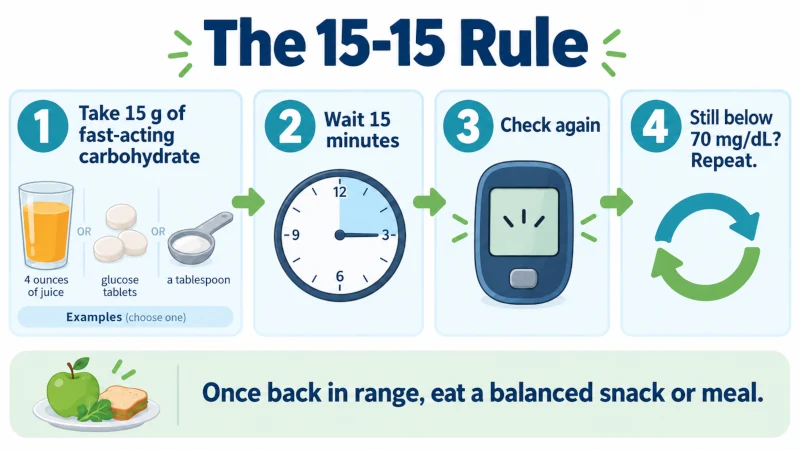
CDC guidance for treating a low is deliberately simple:
- Have 15 grams of fast-acting carbohydrate, then wait 15 minutes.
- Check your blood sugar again. If it is still under 70 mg/dL, repeat.
- Keep repeating until you are back in your target range.
- Then eat a balanced snack or meal with protein and carbohydrate.
Fifteen grams looks like 4 ounces (half a cup) of juice or regular soda, one tablespoon of sugar, honey or syrup, 3–4 glucose tablets, or one dose of glucose gel. Skip anything high in fat or fiber — chocolate and baked goods slow absorption down exactly when you need speed [CDC, 2024c]. Young children usually need less than 15 grams; ask your child’s doctor [CDC, 2024c]. NIDDK gives a slightly wider range of 15–20 grams, so if your care team told you a different number, follow theirs [NIDDK, 2021]. For everyday meal patterns that make lows less likely in the first place, see our hypoglycemia food list.
When a low is an emergency
Below roughly 54–55 mg/dL, a low is severe. (CDC uses 55 mg/dL on its treatment page and 54 mg/dL on its overview page; treat anything in that region as serious.) At that level you may not be able to check your own glucose or treat yourself. Injectable or nasal glucagon is the treatment, and it is available by prescription — ask your doctor whether you should have a kit, and make sure the people around you know where it is and how to use it. Contact a doctor for emergency treatment immediately after any glucagon dose [CDC, 2024b; CDC, 2024c; NIDDK, 2021].
One more thing worth knowing: hypoglycemia unawareness, where lows stop producing warning symptoms. It is more likely if you have had diabetes for more than 5–10 years, have lows often, or take certain medicines such as beta blockers for blood pressure. If that describes you, check more often — especially before driving or exercising [CDC, 2024b].
Low blood sugar without diabetes
This is where a lot of anxiety gets generated online, so it is worth being precise. In adults who do not have diabetes, hypoglycemia is genuinely rare, because the body’s counter-regulatory hormones normally prevent it. Symptoms in this group tend to appear at an average glucose of about 55 mg/dL rather than 70 [Looi & Lawler, 2025].
Doctors do not diagnose it from a number alone. They look for Whipple’s triad: a low measured plasma glucose, symptoms consistent with a low, and those symptoms resolving once glucose comes back up. All three, or it is not a hypoglycemic disorder. There is a practical reason for the caution — home meters and continuous monitors lose accuracy in the low range, and a CGM sensor slept on can read falsely low. Real causes exist, including hypoglycemia after gastric bypass or sleeve gastrectomy, which around a third of patients report symptoms of. But a single low reading on a consumer device is not a diagnosis [Looi & Lawler, 2025].
What actually moves the number

The levers that change blood sugar are unglamorous and well established.
- Movement. Physical activity lowers glucose during the activity and for hours afterward — up to 24 hours in some cases. That is the benefit and the catch: if you take insulin or an insulin-releasing pill, unplanned exercise can drop you low, so check before, during and after until you know your pattern [NIDDK, 2021]. NIDDK suggests at least 150 minutes a week of moderate activity such as brisk walking, plus muscle-strengthening work twice a week [NIDDK, 2023].
- What is on the plate. The amount of carbohydrate, and how processed it is, drives the size of the post-meal rise. Whole grains, legumes and non-starchy vegetables produce a slower rise than refined flour and sugary drinks. Our breakdown of carbohydrate foods covers the categories, though its general daily intake figures are written for the general population rather than for anyone managing diabetes — use your own care team’s targets for that.
- Sleep and stress. NIDDK links adequate sleep — around seven to eight hours for most adults — to better mood, energy and glucose levels, and recommends addressing stress and mental health as part of diabetes care rather than as an afterthought [NIDDK, 2023].
- Alcohol. Alcohol makes it harder for the body to hold glucose steady, particularly if you have not eaten. It also blunts the early warning signs of a low, which is how a manageable dip becomes a severe one [NIDDK, 2021].
- Other medicines. Drugs prescribed for unrelated conditions can move glucose in either direction. Tell whoever prescribes for you that you are monitoring your blood sugar, and do not change a diabetes medication dose on your own [CDC, 2024c].
Can you actually bring blood sugar levels down for good?
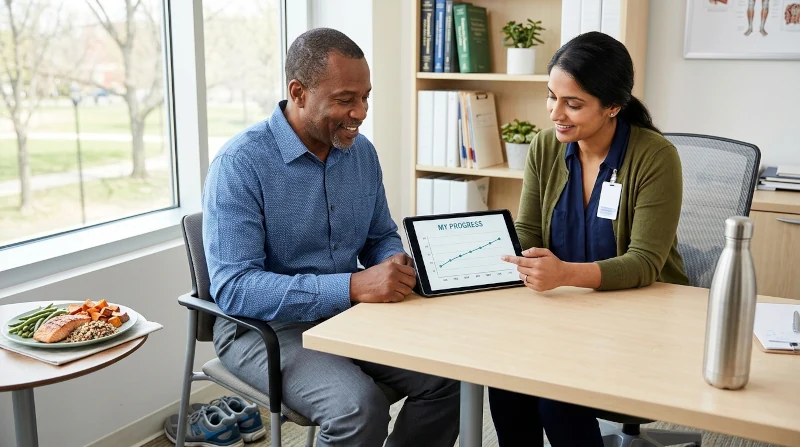
Two bodies of evidence are worth knowing, and they say different things.
If you have prediabetes: strong evidence
The Diabetes Prevention Program randomised 3,234 US adults with elevated fasting and post-load glucose to a placebo, metformin, or an intensive lifestyle program aiming for at least 7% weight loss and at least 150 minutes of activity a week. Over an average of 2.8 years, the lifestyle group’s rate of new diabetes was 58% lower than placebo; metformin cut it by 31% [DPP Research Group, 2002]. The effect held across sex, race and ethnic group, and was at least as strong in older participants. This is about as solid as prevention evidence gets — and it matters, because 115.2 million US adults, more than two in five, have prediabetes, and eight in ten of them do not know it [CDC, 2026].
If you already have type 2 diabetes: promising, but narrower
The DiRECT trial tested whether intensive weight management in ordinary GP practices could put type 2 diabetes into remission. At 12 months, 46% of the intervention group were in remission — defined as an A1C under 6.5% after at least two months off all diabetes medication — compared with 4% of controls. Remission tracked weight loss closely: none among people who gained weight, 34% among those who lost 5–10 kg, and 86% among those who lost 15 kg or more [Lean et al., 2018].
Read the fine print before generalising. Participants were aged 20–65, diagnosed within the past six years, had a BMI of 27–45, and were not taking insulin. The intervention was a formula diet of roughly 825–853 kcal a day for three to five months, medically supervised, with medications withdrawn under supervision. That is not the same as “eat better and you can stop your pills.” Remission is a real and achievable goal for some people, and it is not a cure, not universal, and not something to attempt by discontinuing medication on your own.
Who should get tested, and how
NIDDK recommends routine testing for type 2 diabetes if you are 35 or older; are American Indian, Black or African American, Asian American, Hispanic/Latino, or Pacific Islander; are overweight or have obesity plus at least one other risk factor; or had gestational diabetes. Children and teens aged 10–18 with overweight or obesity plus another risk factor should also be tested. If results are normal, retest every three years; with prediabetes, every year [NIDDK, 2022].
Anyone with symptoms of diabetes should be tested regardless of age. Pregnant women without a previous diagnosis should be screened for gestational diabetes between 24 and 28 weeks, and anyone with risk factors should be tested for type 2 at the first prenatal visit or within the first 15 weeks [NIDDK, 2022].
Safety, medications and pregnancy
- Never change or stop a prescribed diabetes medication because a home reading looked good. Dose changes belong with your prescriber, who can adjust safely [CDC, 2024c].
- Tell every prescriber and pharmacist that you monitor your blood sugar. Corticosteroids and some diuretics can raise glucose; a range of non-diabetes drugs can lower it [CDC, 2024d; Looi & Lawler, 2025].
- Pregnancy changes the numbers. Glucose targets in pregnancy differ from the ones in this article, and A1C is less reliable in early and late pregnancy. If you are pregnant, planning to be, or breastfeeding, get targets from your obstetric team rather than a general chart [CDC, 2024a; NIDDK, 2022].
- Supplements are not a substitute. No herb or supplement has evidence strong enough to replace prescribed diabetes treatment, and several can interact with glucose-lowering drugs. Discuss any supplement with your doctor or pharmacist before starting it.
- If you have kidney disease, avoid orange juice for treating lows because of its potassium content — apple, grape or cranberry juice are better options [NIDDK, 2021].
When self-care is not enough
Book an appointment if you are having lows more than occasionally, if your readings sit above your target range regularly, if you have symptoms of high blood sugar lasting more than a few days, or if you have stopped noticing lows before they get severe. Go to an emergency department, or call 911, for the DKA signs listed earlier, for a low you cannot self-treat, or for anyone who is unconscious or having a seizure.
| HEALTH DISCLAIMER: This article is for general education. It is not medical advice, a diagnosis, or a treatment plan, and it cannot account for your medications, other conditions, or history. Blood sugar targets are individual. The ranges here reflect general guidance from the CDC and NIDDK for non-pregnant adults; yours may reasonably be different, and older adults and people with a history of severe lows are often given deliberately looser goals. Never start, stop or adjust a prescribed medication — including insulin — based on what you read here. Talk to your doctor, pharmacist, or diabetes educator first. If you are pregnant, breastfeeding, or planning a pregnancy, get your targets from your obstetric care team. If you have symptoms of diabetic ketoacidosis, a blood sugar at or above 300 mg/dL that will not come down, or a low you cannot treat yourself, seek emergency care immediately. |
Frequently Asked Questions
What is a dangerous blood sugar level?
At the low end, below 70 mg/dL needs treating immediately, and below roughly 54–55 mg/dL is severe and may require someone else’s help or glucagon. At the high end, CDC says to go to the emergency room or call 911 if your blood sugar stays at 300 mg/dL or above, or if you have signs of ketoacidosis such as fruity-smelling breath, vomiting, or trouble breathing [CDC, 2024b; CDC, 2024c; CDC, 2024d].
Is 140 mg/dL after eating normal?
For someone without diabetes, a two-hour reading of 139 mg/dL or below is normal, and 140–199 mg/dL on a formal oral glucose tolerance test falls in the prediabetes range. For someone with diabetes, under 180 mg/dL two hours after a meal starts is the usual target, so 140 would be fine. Context decides [NIDDK, 2022; NIDDK, 2023].
Can I diagnose diabetes with a home glucose meter?
No. NIDDK is explicit that over-the-counter testing equipment cannot diagnose diabetes. Home meters guide day-to-day decisions; diagnosis needs a lab test, usually confirmed by a second one [NIDDK, 2022].
Why is my morning reading higher than when I went to bed?
Overnight hormone shifts can raise glucose before you wake, and an untreated overnight low can also trigger a rebound. Because both look similar on a morning finger-stick, this is a pattern to bring to your care team rather than one to self-diagnose — continuous monitoring can show which is happening [NIDDK, 2023].
Do I have hypoglycemia if my CGM shows readings in the 60s?
Not necessarily. Readings in the 60s can be normal in people without diabetes, and CGM low alarms are set for people with diabetes. Sensors can also read falsely low from compression, calibration error, or skin issues. Clinicians confirm a hypoglycemic disorder using Whipple’s triad, not a device reading alone. Persistent symptoms are still worth investigating [Looi & Lawler, 2025].
Can type 2 diabetes go away?
Remission is possible for some people, most often those diagnosed recently who achieve substantial weight loss under medical supervision — 46% of participants in the DiRECT trial reached remission at 12 months. Remission is not the same as cure, it was studied in a specific group, and it depends on the weight loss being maintained [Lean et al., 2018].
References
- Centers for Disease Control and Prevention. (2024a). A1C Test for Diabetes and Prediabetes. View source
- Centers for Disease Control and Prevention. (2024b). Low Blood Sugar (Hypoglycemia). View source
- Centers for Disease Control and Prevention. (2024c). Treatment of Low Blood Sugar (Hypoglycemia). View source
- Centers for Disease Control and Prevention. (2024d). Diabetic Ketoacidosis. View source
- Centers for Disease Control and Prevention. (2026). Diabetes: A U.S. Report Card. View source
- National Institute of Diabetes and Digestive and Kidney Diseases. (2022). Diabetes Tests & Diagnosis. View source
- National Institute of Diabetes and Digestive and Kidney Diseases. (2023). Managing Diabetes. View source
- National Institute of Diabetes and Digestive and Kidney Diseases. (2021). Low Blood Glucose (Hypoglycemia). View source
- Looi, E., & Lawler, H. M. (2025). Non-Diabetic Hypoglycemia: Evaluation and Management in Adults. Journal of Clinical Medicine, 14(13), 4393. doi:10.3390/jcm14134393 (PMID 40648766). View source
- Lean, M. E. J., et al. (2018). Primary care-led weight management for remission of type 2 diabetes (DiRECT): an open-label, cluster-randomised trial. The Lancet, 391(10120), 541–551. doi:10.1016/S0140-6736(17)33102-1 (PMID 29221645). View source
- Diabetes Prevention Program Research Group. (2002). Reduction in the Incidence of Type 2 Diabetes with Lifestyle Intervention or Metformin. New England Journal of Medicine, 346(6), 393–403. doi:10.1056/NEJMoa012512. View source
