
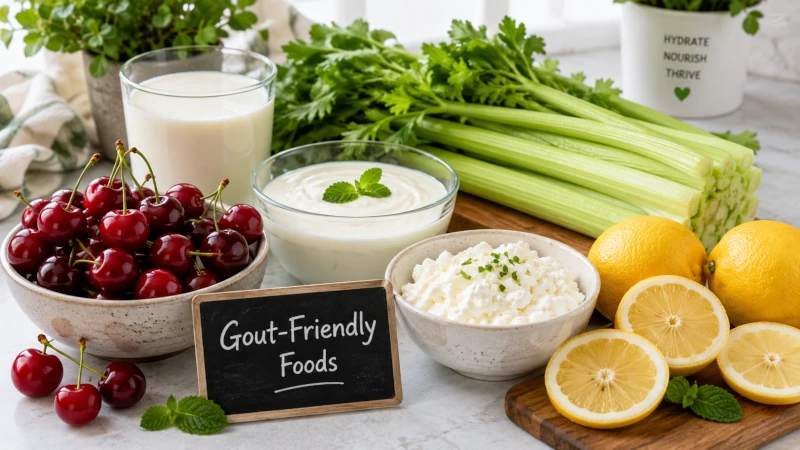
If you have gout, you already know the drill: one wrong meal and you’re up at 3 a.m. with a big toe that feels like it’s on fire. The good news is that what you eat genuinely does make a difference — and the right gout friendly foods can help your body manage uric acid more efficiently between flares. [Mayo Clinic, 2025].
The bad news is that diet alone usually isn’t a cure. Most people with gout still need medication to bring uric acid down to target levels. But food is one of the levers you can actually control, and some of it is more helpful than most people realize.
This article covers 11 foods with the best evidence or the most consistently recognized properties for supporting uric acid management, along with what the research actually says about each one.
What Gout Is and Why Food Matters (But Only So Much)
Gout is a form of inflammatory arthritis that develops when uric acid builds up in the blood and crystallizes inside a joint — typically the base of the big toe. Those needle-shaped crystals trigger intense swelling, redness, and pain that usually peaks within 24 hours and can last a week or two. [NIAMS, 2023].
Two Sources of Uric Acid
Your body produces uric acid through two routes. The first is dietary: when you eat foods containing purines — compounds found in animal proteins especially — your body breaks them down and uric acid is a byproduct. The second is internal: your own cells produce purine as they turn over, meaning your body generates uric acid regardless of what you eat. Most of the uric acid in your blood at any given moment comes from this cellular process, not from food. [Cleveland Clinic, 2026].
That’s why diet is a supporting measure, not a standalone treatment. [Mayo Clinic, 2025].
The Two Things a Gout Friendly Food Should Do
A food earns a place on this list if it does one or both of the following:
- Contains very little purine, so it adds minimal uric acid load when metabolized.
- Actively supports the body’s ability to eliminate uric acid — for example by acting as a diuretic, by alkalizing the urine, or by containing compounds with anti-inflammatory activity.
Fruits and most vegetables satisfy both criteria. Grains satisfy the first but not the second.
11 Gout Friendly Foods to Prioritize
1. Cherries
Cherries deserve the top spot because they have actual clinical data behind them, not just tradition. The Arthritis Foundation notes that eating tart cherries or drinking tart cherry juice may reduce the risk of gout attacks. The red-purple pigments called anthocyanins have antioxidant and anti-inflammatory properties. The Mayo Clinic also notes that some studies link cherry consumption to fewer flares. [Arthritis Foundation, 2026; Mayo Clinic, 2025]
The evidence is promising but not yet definitive. Most studies are observational or small-scale. Tart cherries appear more studied for this purpose than sweet cherries. For more, see our page on health benefits of cherries.
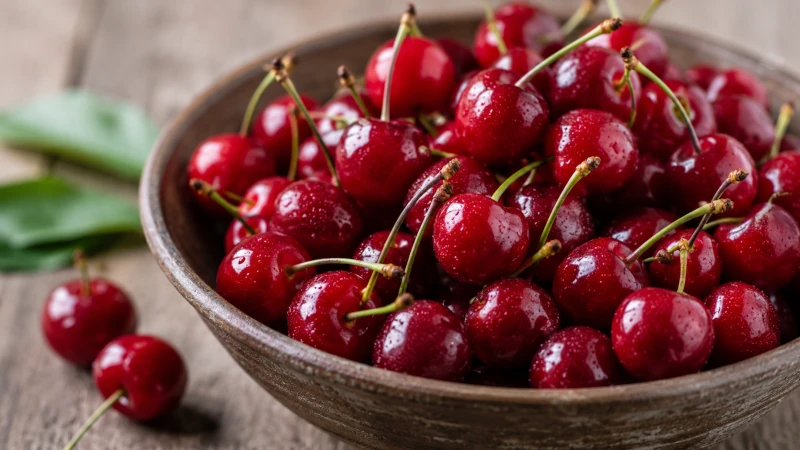
Practical tip: A small handful of fresh tart cherries or 8 oz of unsweetened tart cherry juice several times a week is the amount commonly used in studies.
2. Low-Fat Dairy
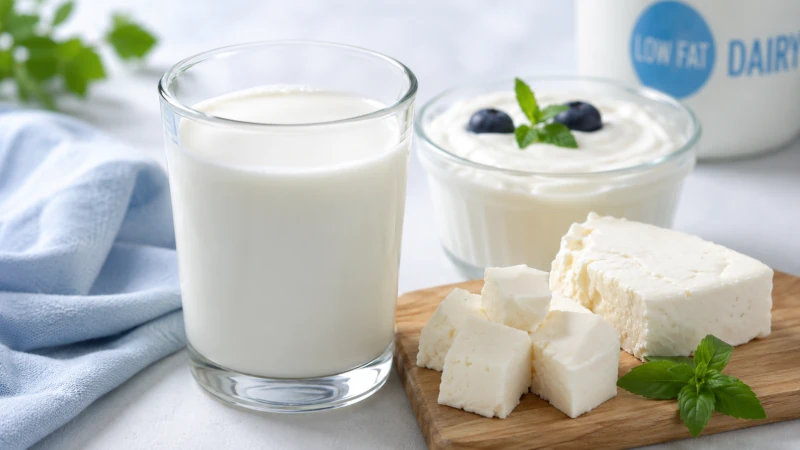
This is one of the most evidence-backed choices on the list. The Arthritis Foundation confirms that studies show drinking low-fat milk and eating low-fat dairy can reduce uric acid levels and gout attack risk — the proteins in milk actually promote uric acid excretion through the urine. [Arthritis Foundation, 2026] Low-fat milk, plain yogurt, and low-fat cheese are the most practical choices.
3. Lemons and Citrus Fruits
Lemons are rich in vitamin C, and a randomized controlled trial published in the American Journal of Clinical Nutrition found that daily vitamin C supplementation (500 mg) reduced new gout diagnoses by 12% compared to placebo. [Juraschek et al., AJCN, 2022; PMID 35575611] The Arthritis Foundation recommends at least 500 mg of vitamin C daily to help decrease uric acid levels. [Arthritis Foundation, 2026]
Worth noting: the RCT involved supplements, not food sources, and the effect was modest. For a full look, see our article on lemon health benefits.
4. Strawberries
Strawberries are essentially purine-free and a good source of vitamin C — which has been linked to modest uric acid reduction. [Juraschek et al., AJCN, 2022] They also have diuretic properties that may support uric acid clearance. Traditional plant medicine has long cited strawberries for uric acid elimination.
5. Grapes
Grapes are alkalizing and diuretic, and like most fruit, contribute almost no purines. Alkalizing foods help increase the solubility of uric acid in the urine, making it easier for the kidneys to excrete. For more, see our article on health benefits of grapes.
6. Apples and Most Other Fruit
Apples have an alkalizing effect on blood and urine, which supports uric acid excretion. The Mayo Clinic notes that complex carbohydrates from whole fruits are part of a sensible gout diet — and unlike fruit juice, whole fruit includes fiber that moderates how the body processes natural sugars. [Mayo Clinic, 2025] Fruit juice concentrates fructose without the fiber buffer.
7. Celery
Celery has a well-established diuretic effect and has traditionally been used to support uric acid clearance. It alkalizes the urine, helping keep uric acid dissolved rather than crystallizing in tissues. Controlled clinical data specific to celery and gout are limited. For more, see our article on health benefits of celery.
8. Tomatoes
Tomatoes contain various organic acids, but their metabolic effect on the body is alkalizing — which puts them on the beneficial side of the ledger for gout management. Their vitamin C content is an additional plus, and they contribute essentially no purines. Current guidance does not restrict tomatoes for gout. For more, see our full page on health benefits of tomatoes.
9. Other Vegetables: Cauliflower, Green Beans, Turnips, and Leeks
One of the most important updates in gout dietary thinking is the recognition that purine-rich vegetables behave differently from purine-rich meats in the body. High-purine vegetables like asparagus, spinach, and cauliflower do not meaningfully raise gout risk — the Mayo Clinic states this directly. [Mayo Clinic, 2025]
Cauliflower, green beans, turnips, and leeks are all low-purine, produce an alkalizing effect, and support elimination of uric acid. Some clinicians suggest moderating portions of moderate-purine vegetables to about half a cup per day during an active flare. Outside a flare, there’s no good reason to restrict them.
10. Nuts
Nuts are among the most practical gout friendly foods — a satisfying, low-purine protein source useful when reducing intake of higher-purine meat. Walnuts provide omega-3 fatty acids with anti-inflammatory properties; almonds offer magnesium and vitamin E. The Arthritis Foundation lists plant proteins including peas, beans, lentils, and tofu as foods that don’t raise uric acid and may even protect against gout attacks. [Arthritis Foundation, 2026] Nuts belong in the same category. A small handful daily is sensible.
11. Water
Water belongs on any list of gout friendly foods because hydration is the single most practical thing you can do to support uric acid excretion every day. The Arthritis Foundation recommends at least 8 glasses of non-alcoholic fluids daily, rising toward 16 glasses during an active flare. [Arthritis Foundation, 2026] Plain black coffee is also associated with lower uric acid levels in observational studies.
What to avoid: soda, sweetened juice, sports drinks, and anything with high-fructose corn syrup drive uric acid production through fructose metabolism. People with chronic kidney disease should set fluid intake targets with their care team.
Quick-Reference: 11 Gout Friendly Foods at a Glance
| Food | Key Benefit for Gout | Evidence Level |
| 1. Cherries | Anti-inflammatory anthocyanins; may reduce flare risk | Promising — AF & Mayo endorsed; mostly observational |
| 2. Low-Fat Dairy | Proteins promote uric acid excretion in urine | Strong — prospective cohort data; AF recommendation |
| 3. Lemons / Citrus | High vitamin C — modest uric acid reduction | Moderate — RCT showed 12% drop; study used supplements |
| 4. Strawberries | Purine-free; vitamin C; diuretic properties | Traditional + mechanistic; limited direct gout trials |
| 5. Grapes | Alkalizing; diuretic; virtually no purines | Traditional + mechanistic; limited direct gout trials |
| 6. Apples / Fruit | Alkalizing; fiber buffers fructose absorption | Consistent with Mayo Clinic general gout-diet guidance |
| 7. Celery | Diuretic; alkalizes urine; supports clearance | Traditional + mechanistic; limited direct gout trials |
| 8. Tomatoes | Alkalizing metabolic effect; vitamin C; purine-free | Consistent with current guidance; not restricted |
| 9. Other Vegetables | Low purine; alkalizing; plant purines different from animal | Strong — Mayo Clinic and multiple clinical guidelines |
| 10. Nuts | Very low purine; omega-3s (walnuts); magnesium (almonds) | AF plant-protein guidance; no specific gout RCTs |
| 11. Water | Supports kidney excretion of uric acid daily | Strong — AF recommends 8-16 glasses/day |
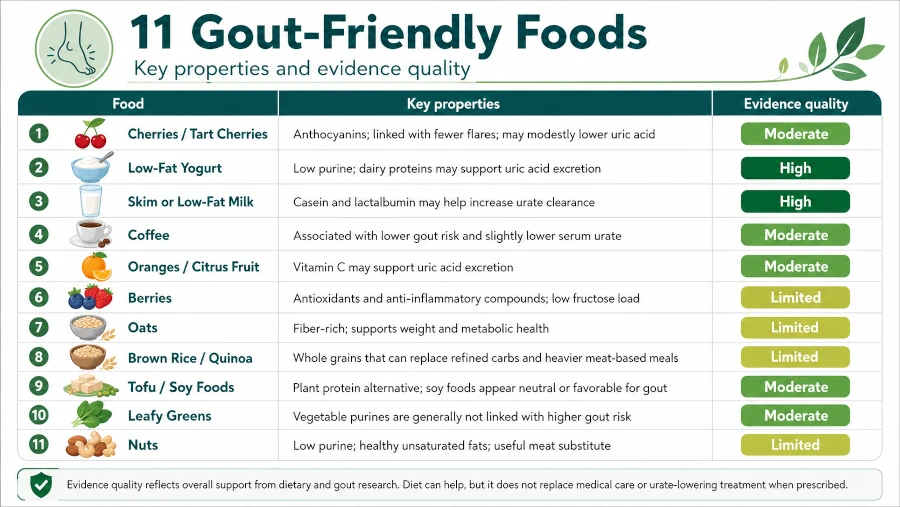
A Note on Grains
Whole grains are low in purines, which means they don’t add significantly to your uric acid load. However, they have a mildly acidifying effect on the urine, which can slightly hinder uric acid excretion. For most people with gout, this effect is small. Moderate intake of brown rice, oats, and whole-grain bread is a reasonable approach. [Mayo Clinic, 2025]
What to Avoid (Brief Cross-Reference)
A gout-friendly diet isn’t only about what you add — it’s equally about what you reduce. The biggest triggers are organ meats and high-purine seafood (anchovies, sardines); alcohol (especially beer); and sugary drinks sweetened with high-fructose corn syrup. For a full breakdown, see our companion article on foods that cause gout.
Safety: When Food Is Not Enough
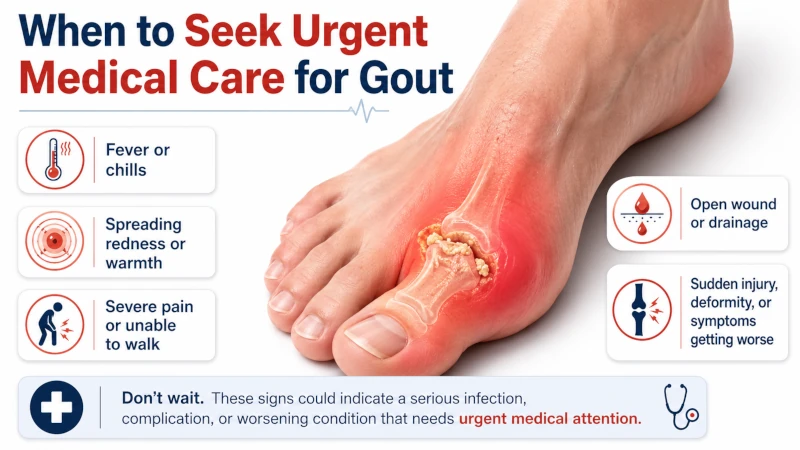
Dietary changes are one tool among several. If you’re having more than one or two gout attacks per year, or if attacks are getting more frequent and severe, that’s typically a signal that urate-lowering medication is needed. The Mayo Clinic is explicit: diet usually cannot reduce uric acid enough to treat gout without medication. [Mayo Clinic, 2025]
Get same-day care if a joint becomes suddenly hot, red, and intensely swollen — especially with a fever. A joint infection can look exactly like gout and requires immediate treatment.
Make an appointment soon if you notice hard lumps under the skin (tophi), have recurrent flares, or have kidney stones alongside elevated uric acid — all suggest gout is not well controlled.
Who needs extra caution:
- People taking thiazide or loop diuretics, or low-dose aspirin: these medications can raise uric acid. Don’t stop them without talking to your prescriber.
- People with kidney disease: set fluid intake targets with your care team.
- People who are pregnant or breastfeeding: discuss any dietary supplement — including vitamin C — with your healthcare provider before use.
- Anyone trying to lose weight rapidly: crash dieting can briefly spike uric acid and trigger a flare. Aim for gradual, sustainable weight loss.
For a broader look at joint health and anti-inflammatory dietary approaches, see our article on the rheumatoid arthritis diet — while gout and RA are different conditions, some dietary principles around inflammation overlap.
Health Disclaimer: The information on this page is for general educational purposes only. It is not a substitute for professional medical advice, diagnosis, or treatment. Do not use it to self-diagnose or to delay seeking care from a qualified healthcare professional. If you are pregnant, nursing, taking medication, or have any existing health conditions including kidney disease, diabetes, or cardiovascular disease, speak with your doctor before making significant dietary changes. If you experience a sudden, intensely painful, hot, swollen joint, seek medical attention promptly.
Frequently Asked Questions
Are vegetables with high purine content safe to eat with gout?
Yes, for most people outside an active flare. Plant-based purines do not raise gout risk the same way animal-based purines do. The Mayo Clinic specifically states that high-purine vegetables such as asparagus, spinach, and cauliflower do not increase gout risk. [Mayo Clinic, 2025] During an active flare, some clinicians suggest limiting moderate-purine vegetables to about half a cup per day.
Can cherries actually reduce gout flares?
Possibly. The evidence is promising — tart cherries and tart cherry juice appear to have anti-inflammatory and uric-acid-lowering effects — but the studies are mostly observational and small. Both the Mayo Clinic and Arthritis Foundation mention cherries as potentially helpful, while stopping short of calling them a treatment. [Mayo Clinic, 2025; Arthritis Foundation, 2026] Treat them as a beneficial addition, not a replacement for medication.
Does vitamin C help with gout?
There is evidence it does, modestly. A randomized controlled trial found that 500 mg of daily vitamin C reduced new gout diagnoses by 12% in male physicians. [Juraschek et al., AJCN, 2022; PMID 35575611] Citrus fruits, strawberries, and bell peppers are good dietary sources. Talk to your doctor before starting high-dose vitamin C supplements, especially if you have a history of kidney stones.
How much water should I drink if I have gout?
The Arthritis Foundation recommends at least 8 glasses of non-alcoholic fluid per day, increasing toward 16 during a flare. [Arthritis Foundation, 2026] If you have kidney disease, check with your care team before increasing fluid intake significantly.
Can eating gout friendly foods replace my gout medication?
Generally, no. Diet can help reduce the frequency and severity of flares, but it rarely lowers uric acid enough to reach the target level (below 6 mg/dL) that prevents flares and joint damage. Urate-lowering therapy, when prescribed, should continue alongside dietary changes. [Mayo Clinic, 2025]
Are nuts safe to eat if I have gout?
Yes. Nuts are low in purines and provide a useful protein alternative to higher-purine meat and seafood. Walnuts also supply anti-inflammatory omega-3 fatty acids. There is no evidence that nuts raise uric acid or trigger gout flares.
References
- Mayo Clinic Staff. Gout diet: What’s allowed, what’s not. Reviewed April 2, 2025. View source
- NIAMS. Gout. Last reviewed December 2023. View source
- Cleveland Clinic. Gout. Medically reviewed February 6, 2026. View source
- Arthritis Foundation. Gout Diet: Dos and Don’ts. Published February 6, 2026. View source
- Juraschek SP et al. Effects of vitamin C supplementation on gout risk. Am J Clin Nutr. 2022;116(3):812-819. PMID 35575611. DOI 10.1093/ajcn/nqac140. View source
- American College of Rheumatology. Gout — Patient Education. View source
