Foods to help gain weight should add calories without crowding out the protein, fiber, vitamins, and minerals your body needs. For many adults, a useful starting point is to add about 300 to 500 calories a day and spread the extra food across meals and snacks. The goal is gradual gain, not a daily diet built around soda, candy, cakes, or oversized portions. [NHS, 2023]
A few well-chosen foods can make that easier. Nut butter on toast, oats cooked with milk or fortified soy milk, olive oil stirred into a grain bowl, a yogurt-and-fruit smoothie, or beans added to a potato are simple ways to increase intake. A broader list of energy-rich foods can help you vary your meals without turning eating into a constant chore.
There is one caution: trying to gain weight is not the right first step if your weight has dropped for no clear reason. Unexpected loss can be linked to digestive disease, an overactive thyroid, diabetes, infection, medication effects, depression, anxiety, or other medical problems. [MedlinePlus, 2025]
Start with the reason your weight is low
Body mass index, or BMI, is one screening tool. For adults, a BMI below 18.5 falls in the underweight category. BMI does not diagnose malnutrition and does not tell the full story about your health, muscle mass, or recent weight change. [CDC, 2024]
A naturally slim adult whose weight has been stable may need a different plan from someone who has lost weight after an illness, surgery, poor appetite, or digestive symptoms. MedlinePlus defines unintentional weight loss as losing 10 pounds (4.5 kilograms) or 5% of your usual body weight over 6 to 12 months or less without knowing why. [MedlinePlus, 2025]
When to book a medical appointment
Arrange a medical appointment before focusing on calorie increases if any of these apply:
- your weight is falling even though you have not changed your diet or activity level
- you have lost 10 pounds or about 5% of your usual weight without trying
- you have a persistent loss of appetite, diarrhea, vomiting, trouble swallowing, new fatigue, fever, or pain
- you are much thirstier than usual or urinating more often
- food restriction, fear of weight gain, or emotional distress is affecting how you eat
- an older adult, child, or person recovering from illness is losing weight or struggling to eat
The NHS advises speaking with a clinician if weight loss is sudden or occurs without a change in diet or exercise. NHS guidance on malnutrition also flags substantial unintentional loss over three to six months, weakness, fatigue, poor appetite, and frequent illness as reasons to get checked. [NHS, 2023] [NHS, 2023]
Seek urgent medical care if you lose consciousness, become confused, or develop signs of severe dehydration such as not urinating, rapid breathing, or a rapid heartbeat. [MedlinePlus, 2025]
A practical way to gain weight gradually
You do not need a rigid diet or a cupboard full of powders. The NHS suggests adding roughly 300 to 500 calories a day. Mayo Clinic and the Academy of Nutrition and Dietetics both recommend eating more often, choosing foods that provide nutrients along with calories, and adding extras to foods you already like. [NHS, 2023] [Mayo Clinic, 2025] [Academy of Nutrition and Dietetics, 2026]
A simple routine can work well:
- Eat three meals and add two or three planned snacks if your appetite is small.
- Put a source of protein in each meal: beans, lentils, soy foods, eggs, dairy foods, fish, poultry, or another option that fits your diet.
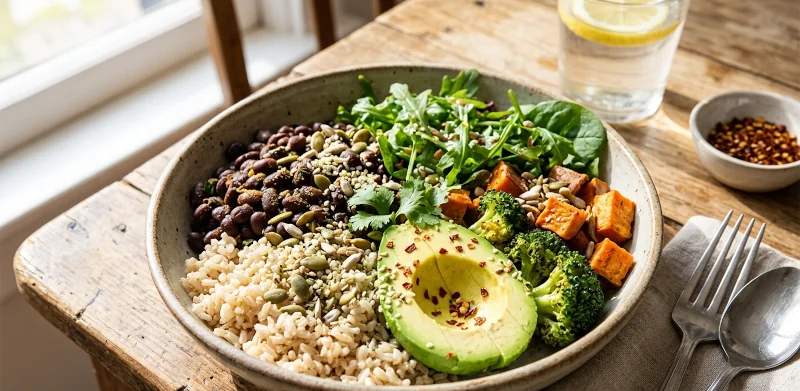
- Add calories to meals you already eat. Stir olive oil into rice or vegetables, spread nut butter on toast, or top oatmeal with seeds and dried fruit.
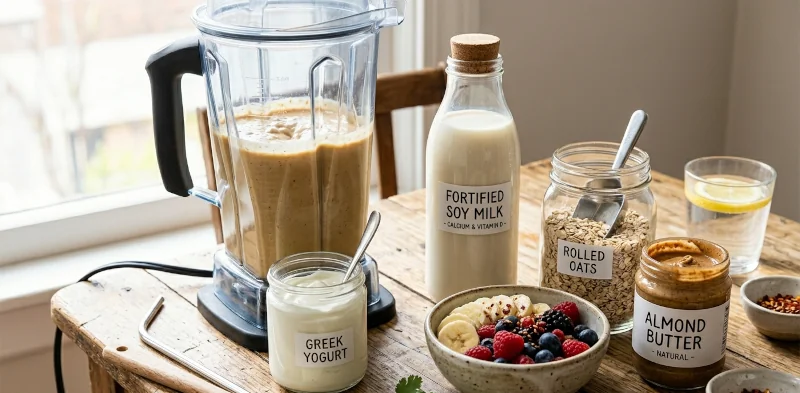
- Use smoothies between meals if chewing a larger volume of food is difficult. A smoothie can include milk or fortified soy milk, yogurt, nut butter, oats, and fruit.
- Drink enough fluid, but move large drinks away from meals if they fill you up too quickly.
- Include resistance exercise if it is safe for you. Strength training can help support muscle gain and may improve appetite.
These changes are consistent with NHS and Mayo Clinic advice for healthy weight gain. [NHS, 2023] [Mayo Clinic, 2025]
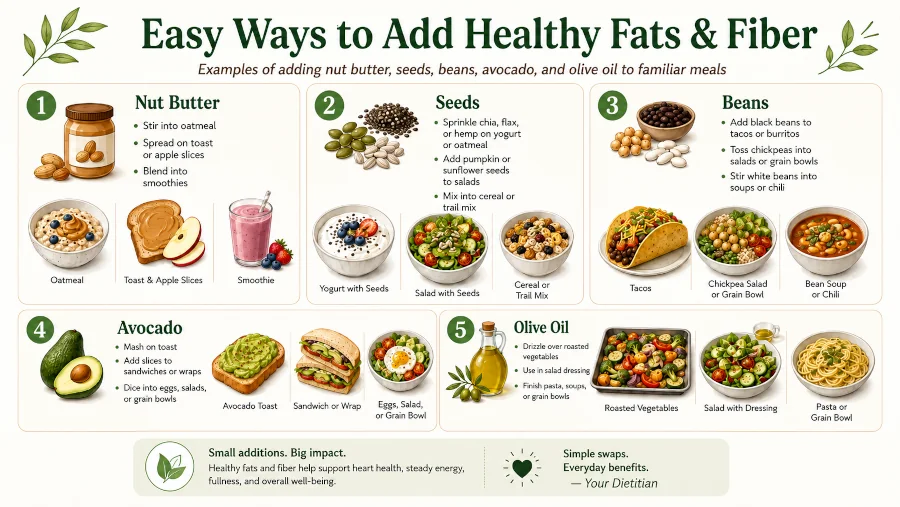
12 foods to help gain weight without living on junk food
No single food causes healthy weight gain on its own. The useful choices are foods you can eat regularly, tolerate well, and combine into meals with enough total calories.
| Food | Why it helps | Easy way to use it |
| 1. Nuts and nut butter | Peanuts, almonds, walnuts, cashews, and nut butters pack a lot of energy into a small serving. | Spread nut butter on toast, stir it into oatmeal, or pair it with fruit. |
| 2. Seeds | Sunflower seeds, pumpkin seeds, chia seeds, and ground flaxseed add energy, texture, and nutrients. | Sprinkle seeds over yogurt, cereal, soup, or a grain bowl. |
| 3. Oats and other grains | Oats are easy to build into a higher-calorie breakfast. Rice, quinoa, pasta, and whole-grain bread also create a useful base for meals. | Cook oats with milk or fortified soy milk and add nut butter, fruit, and seeds. |
| 4. Beans, lentils, and soy foods | Beans, chickpeas, lentils, tofu, tempeh, and soy foods provide protein plus carbohydrates. | Add beans to rice, soup, pasta, tacos, or a baked potato. |
| 5. Avocado | Avocado adds unsaturated fat and a soft texture that is easy to include in meals. | Add slices to toast and sandwiches or blend avocado into a smoothie. |
| 6. Olive oil and other cooking oils | Oil increases the energy content of a meal without making the portion much larger. | Stir olive oil into pasta, grains, soup, hummus, or cooked vegetables. |
| 7. Yogurt, milk, or fortified soy alternatives | These foods can add protein and calories in a compact form. Choose options that fit your dietary needs. | Use yogurt in snacks and smoothies; cook cereal with milk or fortified soy milk instead of water. |
| 8. Eggs, fish, poultry, tofu, or tempeh | Protein-rich main dishes make a weight-gain plan more balanced than a snack-only approach. | Add a protein food to sandwiches, grain bowls, soups, and evening meals. |
| 9. Potatoes and sweet potatoes | Potatoes and sweet potatoes are versatile starchy foods that pair well with protein and calorie boosters. | Top a baked potato with beans, yogurt, cheese, tahini, or olive oil. |
| 10. Dried fruit and chestnuts | Raisins, dates, prunes, dried apricots, and chestnuts are convenient additions to snacks and meals. | Mix dried fruit with nuts and seeds or add it to oatmeal. |
| 11. Hummus and bean dips | Hummus adds calories and protein without requiring a large meal. | Use it as a dip, spread it on a sandwich, or spoon it into a grain bowl. |
| 12. Smoothies with food-based add-ins | A smoothie can be useful if solid food feels difficult first thing in the morning or between meals. | Blend milk or fortified soy milk with yogurt, oats, fruit, and nut butter. |
The Academy of Nutrition and Dietetics recommends choosing nutrient-rich foods first and using concentrated additions such as nut butter, olive oil, avocado, nuts, sunflower seeds, oatmeal prepared with milk, and dry milk powder where appropriate. It also advises against depending on soft drinks, candy, and chips as a weight-gain strategy. [Academy of Nutrition and Dietetics, 2026]
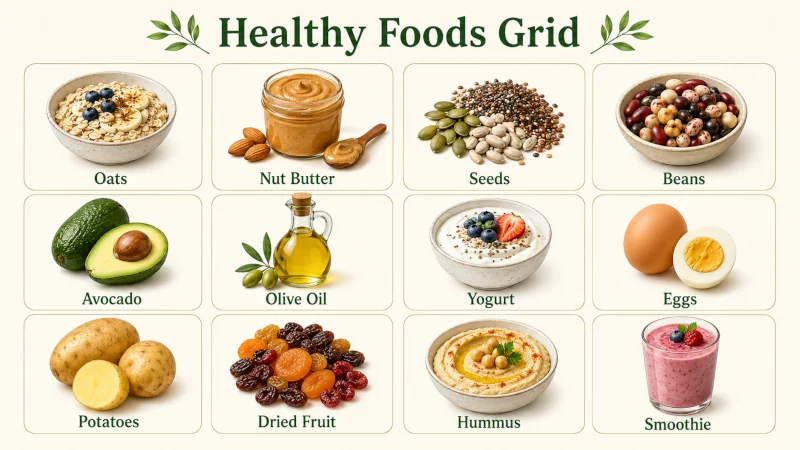
Easy meal upgrades for a small appetite
If large meals feel uncomfortable, make the food you already eat work harder. These combinations add calories without requiring an extreme portion size:
| Eating time | Practical option |
| Breakfast | Oatmeal cooked with milk or fortified soy milk, topped with nut butter, banana, and sunflower seeds. |
| Snack | Yogurt or a fortified soy alternative with dried fruit and nuts. |
| Lunch | Rice, quinoa, or pasta with beans or tofu, vegetables, and olive oil or tahini. |
| Snack | Toast with peanut butter; hummus with pita; or a smoothie made with yogurt, oats, fruit, and nut butter. |
| Dinner | A baked potato or sweet potato topped with beans, eggs, fish, poultry, tofu, yogurt, cheese, olive oil, or avocado. |
Mayo Clinic recommends adding extras such as nut butter, milk, or dry milk to familiar foods and using smoothies or shakes when they make eating easier. [Mayo Clinic, 2025]
Realistic expectations and medical considerations
Healthy weight gain is usually a steady process. A dramatic change in body shape is not a realistic goal for everyone, and quick-fix products are not a substitute for food or medical advice. The Academy of Nutrition and Dietetics advises setting realistic expectations and skipping products marketed as miraculous weight-gain solutions. [Academy of Nutrition and Dietetics, 2026]
Track progress in a low-pressure way. Weighing yourself once a week under similar conditions may be more useful than reacting to day-to-day changes. Notice practical changes too: appetite, energy, strength, and whether meals are becoming easier to finish.
If your weight does not increase despite a consistent effort, or if eating more causes pain, diarrhea, vomiting, or marked bloating, speak with a healthcare professional or registered dietitian nutritionist. A personalized plan may need to account for medications, diabetes, kidney disease, digestive conditions, food allergies, swallowing problems, or recovery from illness.
Who should get personalized advice first
Talk with a clinician or registered dietitian before making major diet changes if you are pregnant or breastfeeding, have diabetes or kidney disease, are recovering from surgery or a serious illness, have a history of an eating disorder, or need to gain weight for a child or older adult. People with swallowing problems or persistent digestive symptoms need an assessment rather than a generic food list.
The NHS notes that malnutrition treatment depends on the person’s health and may involve fortified foods, snacks, calorie-containing drinks, or supplements suggested by a healthcare professional when food changes are not enough. [NHS, 2023]
Medical information only: This page is for general education and is not a diagnosis or a personalized treatment plan. Unexplained weight loss, ongoing poor appetite, or difficulty eating should be discussed with a qualified healthcare professional. Do not use this page to delay urgent care for fainting, confusion, or signs of severe dehydration.
Frequently Asked Questions
What foods help you gain weight in a healthy way?
Useful options include nuts and nut butter, seeds, oats, rice, pasta, beans, lentils, tofu, avocado, olive oil, yogurt or fortified soy alternatives, eggs, potatoes, dried fruit, hummus, and smoothies made with nutrient-dense ingredients. The best choices are the ones you tolerate and can eat consistently.
How many extra calories should I eat to gain weight?
The NHS suggests that adults could try adding around 300 to 500 extra calories a day for gradual gain. Your needs may differ if you are recovering from illness, training heavily, pregnant, or managing a medical condition.
Can I gain weight without eating junk food?
Yes. Add calorie-dense foods to meals you already enjoy: nut butter on toast, olive oil in grains or vegetables, seeds on oatmeal, avocado in sandwiches, beans on potatoes, or yogurt in a smoothie. These additions provide more than calories alone.
What should I eat if I get full quickly?
Try smaller meals and planned snacks. Smoothies between meals, oatmeal cooked with milk or fortified soy milk, yogurt with nuts, hummus with pita, and toast with nut butter can be easier than a very large meal. Move large drinks away from meals if they reduce your appetite.
When should unexplained weight loss be checked by a doctor?
Book an appointment if your weight is dropping without a clear reason, especially if you have lost 10 pounds or about 5% of your usual body weight over 6 to 12 months or less. Get checked sooner if weight loss comes with diarrhea, vomiting, trouble swallowing, pain, marked fatigue, or other symptoms.
Do I need a weight-gain supplement?
Not necessarily. Food-based changes are often a reasonable first step. A clinician or registered dietitian may recommend a nutrition drink or supplement if ordinary meals are not enough or if a medical condition affects your needs.
References
- National Health Service. “Healthy ways to gain weight.” Page last reviewed March 28, 2023. → View source
- Mayo Clinic Staff. “Underweight? See how to add pounds healthfully.” September 25, 2025. → View source
- MedlinePlus Medical Encyclopedia. “Weight loss — unintentional.” Review date January 1, 2025. → View source
- Centers for Disease Control and Prevention. “Adult BMI Categories.” March 19, 2024. → View source
- Ellis, Esther, MS, RDN, LDN. Academy of Nutrition and Dietetics. “Healthy Weight Gain.” Reviewed January 30, 2026. → View source
- National Health Service. “Malnutrition.” Page last reviewed May 23, 2023. → View source
- MedlinePlus Medical Encyclopedia. “Dehydration.” Review date July 1, 2025. → View source
