
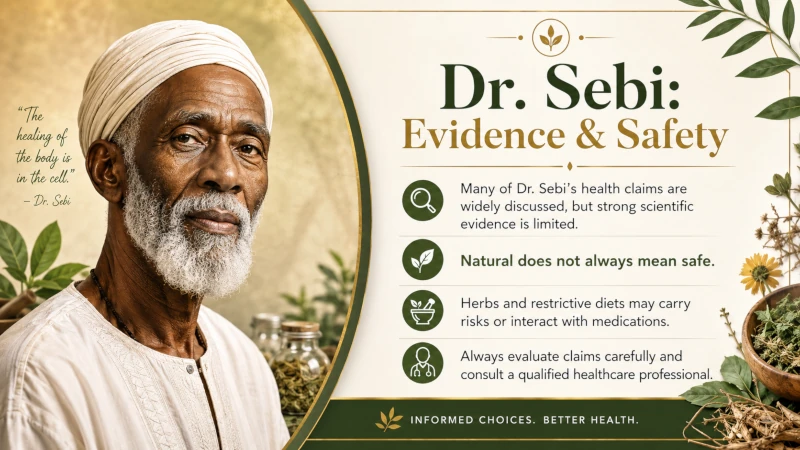
Dr. Sebi on high blood pressure is usually searched by people who want a natural way to lower hypertension. A careful answer is this: a mostly whole-food, plant-focused diet can support blood pressure control, especially when it lowers sodium and increases potassium-rich foods, but there is no good clinical evidence that high blood pressure is caused by mucus, that an alkaline diet changes blood pH, or that herbs can replace evidence-based care. [CDC, 2026] [NHLBI Treatment, 2024] [NCCIH, 2018]
High blood pressure often has no obvious symptoms. Over time, uncontrolled hypertension can damage the heart, brain, kidneys, eyes, and blood vessels. That is why repeated readings, medical follow-up, and a realistic plan matter more than any single food list, tea, cleanse, or supplement. [CDC, 2026] [AHA, 2025]
Some parts of a Dr. Sebi-style eating pattern may overlap with heart-healthy advice. Eating more vegetables, fruit, beans, nuts, and other minimally processed foods can improve diet quality. The likely benefit comes from better nutrition, lower sodium, more fiber, and a stronger overall eating pattern, not from making the blood alkaline. [NHLBI DASH, 2026] [WHO, 2026] [NIH ODS Potassium, 2022] [MedlinePlus, 2025]
What people usually mean by Dr. Sebi on high blood pressure
Readers usually mean a mix of three ideas: an alkaline way of eating, avoidance of highly processed foods, and herbs such as burdock root, dandelion, and sea moss. Those ideas should not be treated as one proven medical protocol.
Lifestyle change can lower blood pressure for many people, but the specific high blood pressure claims often attached to alkaline diets and herbs are much weaker than the evidence for DASH-style eating, sodium reduction, home monitoring, physical activity, and medication when needed. [NHLBI DASH Benefits, 2026] [NHLBI Treatment, 2024] [NCCIH, 2018]
What evidence-based care says about high blood pressure
In current U.S. public health guidance, hypertension means blood pressure that is consistently at or above 130/80 mm Hg. A single reading can be affected by stress, caffeine, pain, exercise, cuff size, and measurement technique, so trends matter. [CDC, 2026] [AHA Home Monitoring, 2025]
The foundation of care is not a quick detox. It is repeated measurement, a heart-healthy eating pattern, sodium reduction, regular activity, weight management when appropriate, limited alcohol, better sleep habits, and medication when lifestyle change alone is not enough. For a simple tracking system, see our home blood pressure monitoring guide. [NHLBI Treatment, 2024] [AHA Home Monitoring, 2025]
Can an alkaline diet help blood pressure?
An alkaline diet is not a guideline-recommended treatment for hypertension. Some versions may still help indirectly if they move a person away from salty, highly processed foods and toward vegetables, fruit, beans, whole grains, and nuts. That overlap is worth keeping.
The part to reject is the claim that diet treats hypertension by changing blood pH. The body keeps acid-base balance within a narrow range through normal physiology, especially the lungs and kidneys. Blood pressure guidance focuses instead on tested diet patterns, sodium reduction, activity, monitoring, and medication when needed. [MedlinePlus, 2025] [NHLBI DASH, 2026] [WHO, 2026]
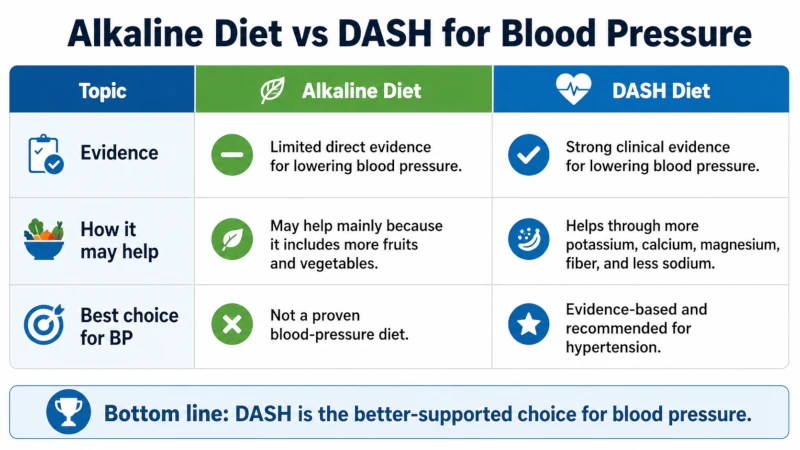
The strongest dietary evidence points to DASH. In the original DASH feeding trial, a diet rich in fruits, vegetables, and low-fat dairy foods, with less saturated and total fat, lowered blood pressure compared with a typical control diet. In the DASH-Sodium trial, reducing sodium lowered blood pressure, and combining DASH with lower sodium had the greatest effect. [Appel et al., 1997] [Sacks et al., 2001] [NHLBI DASH Benefits, 2026]
| Dr. Sebi-style idea | What may help | What is not proven |
| More minimally processed plant foods | May improve diet quality, fiber intake, potassium intake, and weight-related habits. | Not proven to lower blood pressure by changing blood pH. |
| Avoiding highly processed foods | Can reduce sodium intake, which is strongly tied to blood pressure. | Not the same as a cure for hypertension. |
| Alkaline food lists | May overlap with some healthy foods. | Not a guideline-based hypertension treatment. |
| Herbal products | Some herbs have traditional uses or early research interest. | No herb should be treated as a replacement for prescribed blood pressure care. |
What about burdock root, dandelion, and sea moss?
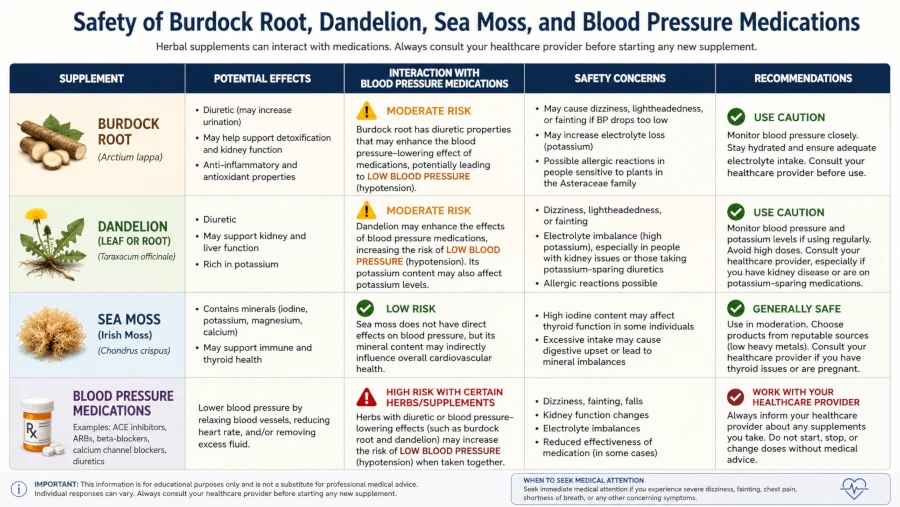
This is where natural-health articles often overpromise. Traditional use, mineral content, or lab findings do not prove that a product lowers blood pressure in people with hypertension.
Burdock root is not established as a proven hypertension treatment in major medical guidance. Dandelion has even less support: NCCIH says very little human research exists on dandelion and that there is no compelling scientific evidence supporting it for any health condition. [NCCIH Dandelion, 2024]
Sea moss is also not a proven blood pressure treatment. Some seaweed products contain iodine, an essential nutrient, but too much iodine can cause thyroid problems. This is especially relevant for people with thyroid disease or anyone taking thyroid medication. [NIH ODS Iodine, 2024]
| Item | Evidence status | Safety takeaway |
| Burdock root | Not established as a proven treatment for high blood pressure. | Treat as unproven. Ask a clinician before using it with medications. |
| Dandelion | NCCIH reports very little human research and no compelling evidence for any health condition. | Food amounts are likely safer than supplement doses. Possible interactions include diuretics, diabetes drugs, blood thinners, and antiplatelet drugs. |
| Sea moss | Not proven to lower blood pressure. | Use caution with iodine-heavy products, especially with thyroid disease, pregnancy, breastfeeding, or thyroid medication. |
| Any supplement marketed for blood pressure | NCCIH says no dietary supplement has effects comparable to drugs used to treat hypertension. | Do not replace prescribed treatment with an unproven product. |
A safer natural plan for blood pressure support
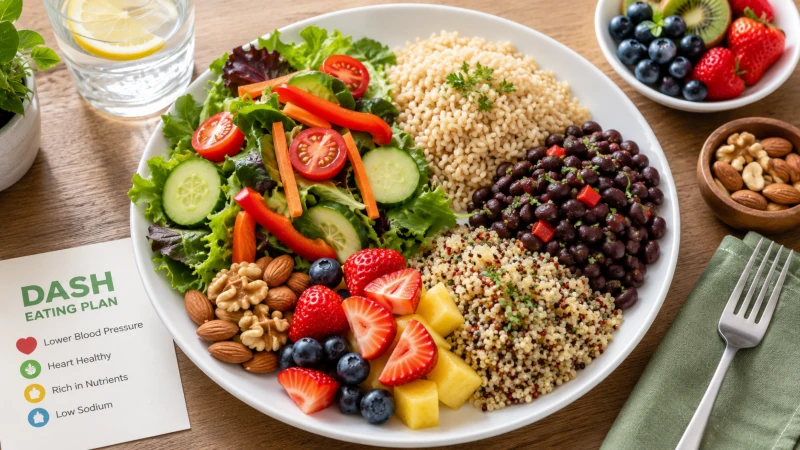
1. Start with a DASH-style plate most days. Build meals around vegetables, fruit, beans, whole grains, nuts, seeds, and other minimally processed foods. DASH does not require specialty foods or a cleanse. [NHLBI DASH, 2026]
2. Cut sodium deliberately. WHO recommends less than 2,000 mg of sodium per day for adults. Processed foods are a major source of excess sodium, so labels and restaurant choices matter. [WHO, 2026]
3. Get potassium mostly from food. Potassium-rich foods can support blood pressure as part of an overall healthy eating pattern. People with kidney disease or those taking certain blood pressure medicines should ask a clinician before using potassium supplements or potassium-based salt substitutes. [NIH ODS Potassium, 2022]
4. Measure at home and look for trends. Use an automatic upper-arm cuff when possible, take readings correctly, and record them. Our home blood pressure monitoring guide can help you set up a simple routine. [AHA Home Monitoring, 2025]
5. Move in a way you can repeat. Walking, resistance training, and structured isometric exercises can support blood pressure over time. For practical options, see our exercise for blood pressure guide and isometric exercise for blood pressure guide. [NHLBI Treatment, 2024]
6. Keep medication in the plan when it is prescribed. If a clinician prescribed blood pressure medicine, do not stop it because a supplement, herb, or detox sounds more natural. Lifestyle changes and medication often work together. [NHLBI Treatment, 2024] [NCCIH, 2018]
Who should be especially careful with herbs and supplements?
Talk with a clinician or pharmacist before using concentrated herbs, seaweed products, or blood-pressure supplements if you are pregnant or breastfeeding, have kidney disease, thyroid disease, diabetes, cardiovascular disease, or take prescription medicine.
Dandelion may interact with antidiabetes drugs, anticoagulant or antiplatelet drugs, water pills, and other medicines. People allergic to related plants such as ragweed, chrysanthemums, marigolds, or daisies may also need caution. [NCCIH Dandelion, 2024]
Seaweed-based products deserve a separate check because iodine dose can vary. Iodine is needed for thyroid hormone production, but excessive iodine can be harmful. [NIH ODS Iodine, 2024]
When to get urgent medical help
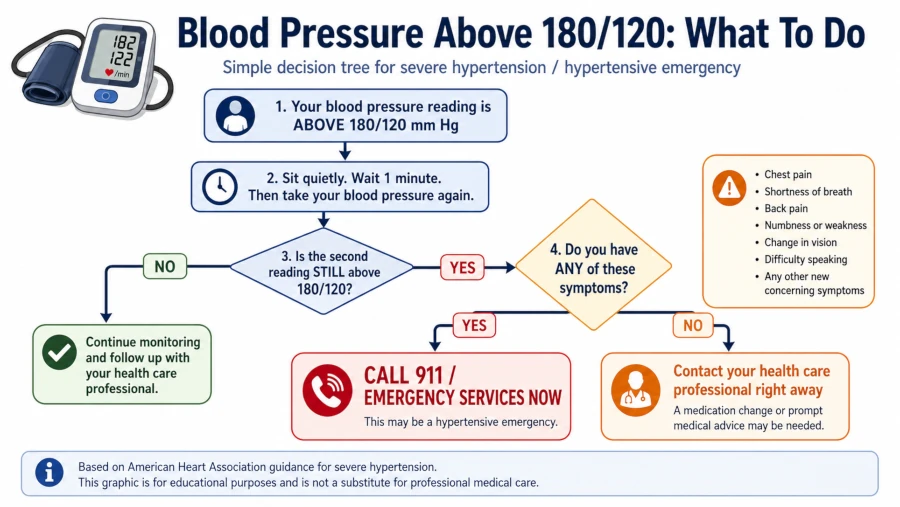
If your blood pressure is higher than 180/120 mm Hg, wait at least one minute and check it again. If the second reading is still that high, contact a health professional right away.
Call 911 if a reading higher than 180/120 comes with chest pain, shortness of breath, back pain, numbness, weakness, vision changes, trouble speaking, or any other new and concerning symptom. This is not the time for herbs, teas, or waiting to see whether a natural remedy works. [AHA Emergency BP, 2025]
Realistic expectations
Natural strategies can help blood pressure, especially when they are consistent and based on tested habits. The safest approach is not to copy the most extreme version of a wellness claim. Keep the useful overlap: whole foods, less sodium, more potassium-rich foods when appropriate, movement, monitoring, sleep, and clinician-guided care.
For many people, medication is still needed. That is not a failure. It is one tool for lowering the risk of stroke, heart attack, heart failure, kidney damage, and other complications while lifestyle changes do their part. [CDC, 2026] [NHLBI Treatment, 2024]
| Health Disclaimer: This article is for education only and is not medical advice. High blood pressure can be dangerous even when you feel well. Do not stop, start, or change prescribed medicine because of an alkaline diet, herbs, supplements, detox plans, or online claims. Talk with a qualified clinician before using supplements if you are pregnant, breastfeeding, have kidney or thyroid disease, or take any prescription medicine. |
Frequently Asked Questions
Did Dr. Sebi cure high blood pressure?
There is no credible clinical evidence showing that Dr. Sebi’s diet or herbs cure hypertension. Evidence-based care uses repeated blood pressure measurement, lifestyle treatment, and medication when needed. [NCCIH, 2018] [NHLBI Treatment, 2024]
Can sea moss lower blood pressure?
Sea moss is not a proven blood pressure treatment. If you use a seaweed-based product, pay attention to iodine content because too much iodine can affect thyroid health. [NIH ODS Iodine, 2024]
Can dandelion tea help with high blood pressure?
There is very little research on dandelion’s effects on human health, and NCCIH says there is no compelling scientific evidence supporting dandelion for any health condition. Dandelion supplements may also interact with some medicines. [NCCIH Dandelion, 2024]
What eating pattern has the best evidence for blood pressure?
DASH has the strongest evidence among eating patterns commonly recommended for blood pressure. The benefit is even stronger when DASH is paired with sodium reduction. [NHLBI DASH Benefits, 2026] [Sacks et al., 2001]
Can I stop blood pressure medicine if my readings improve?
Only your prescriber should guide that decision. Improved readings are useful, but medication changes should be based on repeated measurements, your health history, and your overall cardiovascular risk. [AHA Home Monitoring, 2025] [NHLBI Treatment, 2024]
What is the safest natural first step?
Start with accurate home readings and a DASH-style eating pattern while reducing sodium. Those steps have better evidence than herbs or alkaline claims and can be shared with your clinician. [AHA Home Monitoring, 2025] [NHLBI DASH, 2026]
References
- Centers for Disease Control and Prevention. About High Blood Pressure. Jan. 28, 2026. View source
- American Heart Association. High Blood Pressure. Last reviewed Aug. 14, 2025. View source
- American Heart Association. Home Blood Pressure Monitoring. Last reviewed Aug. 14, 2025. View source
- American Heart Association. When To Call 911 About High Blood Pressure. Last reviewed Aug. 14, 2025. View source
- National Heart, Lung, and Blood Institute. High Blood Pressure – Treatment. Apr. 30, 2024. View source
- National Heart, Lung, and Blood Institute. DASH Eating Plan. Last updated Feb. 25, 2026. View source
- National Heart, Lung, and Blood Institute. DASH Health Benefits. Accessed June 2026. View source
- National Center for Complementary and Integrative Health. Hypertension (High Blood Pressure). Last updated July 2018. View source
- National Center for Complementary and Integrative Health. Dandelion: Usefulness and Safety. Last updated Nov. 2024. View source
- NIH Office of Dietary Supplements. Potassium – Health Professional Fact Sheet. June 2, 2022. View source
- NIH Office of Dietary Supplements. Iodine – Consumer Fact Sheet. May 1, 2024. View source
- MedlinePlus. Acidosis. Review date Nov. 6, 2025. View source
- World Health Organization. Sodium reduction. May 11, 2026. View source
- Appel LJ, Moore TJ, Obarzanek E, et al. A Clinical Trial of the Effects of Dietary Patterns on Blood Pressure. New England Journal of Medicine. 1997;336:1117-1124. doi:10.1056/NEJM199704173361601. View source
- Sacks FM, Svetkey LP, Vollmer WM, et al. Effects on Blood Pressure of Reduced Dietary Sodium and the Dietary Approaches to Stop Hypertension (DASH) Diet. New England Journal of Medicine. 2001;344:3-10. doi:10.1056/NEJM200101043440101. View source
