
Pleurisy root health benefits are often described in herbal references, but there are no human clinical studies showing that Asclepias tuberosa treats pleurisy, pneumonia, bronchitis, coughs, or any other medical condition. [PeaceHealth, accessed 2026]
That distinction matters because pleurisy is not a minor symptom to diagnose at home. Pleurisy means the thin layers of tissue around the lungs and inside the chest wall are inflamed. It can cause sharp pain that worsens when you breathe, cough, or sneeze. Some causes require prompt treatment. [Mayo Clinic, 2023]
Pleurisy root has a long history in herbal medicine. History can explain why the plant still appears in teas, tinctures, and capsules. It does not prove that the herb works, establish a safe dose, or make it a substitute for an evaluation of chest pain.
Pleurisy root is also called butterfly weed. Traditional herbal sources describe it as an expectorant, meaning an herb used to help loosen mucus, and as a diaphoretic, meaning an herb used to promote sweating. Modern evidence is much thinner: PeaceHealth’s monograph states that no human studies have determined whether pleurisy root is effective for any indication. [PeaceHealth, accessed 2026]
The plant also raises safety concerns. The Lady Bird Johnson Wildflower Center lists the roots and plant sap as poisonous parts and says the plant is not edible. PeaceHealth warns about cardiac glycosides and possible interactions with heart medicines, including digoxin. [Lady Bird Johnson Wildflower Center, accessed 2026] [PeaceHealth, accessed 2026]
| Do not use pleurisy root to self-treat chest pain, shortness of breath, suspected pneumonia, or possible pleurisy. Seek medical advice first. Unexplained intense chest pain during breathing needs urgent care. [Mayo Clinic, 2023] |
What pleurisy root is
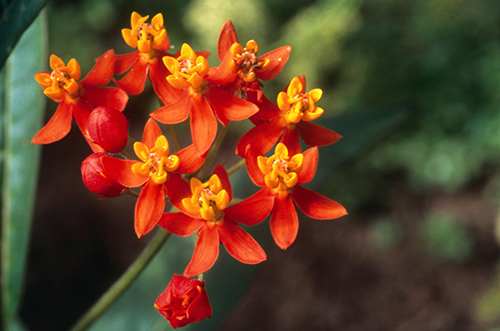
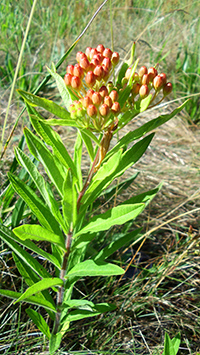
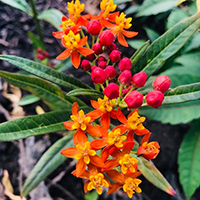
Pleurisy root is the root of Asclepias tuberosa, a North American perennial commonly called butterfly weed. Missouri Botanical Garden describes the plant as a clump-forming perennial with bright orange to yellow-orange flower clusters. It commonly grows in dry, rocky open woods, prairies, fields, and roadsides. [Missouri Botanical Garden, accessed 2026]
The name can cause confusion. Butterfly weed belongs to the milkweed group, yet Missouri Botanical Garden notes that its stems do not have the milky sap typical of many other milkweeds. [Missouri Botanical Garden, accessed 2026]
Do not use that visual difference as a safety test. A plant can be unsafe to swallow even if a cut stem does not release white sap. The Wildflower Center warns that the roots and plant sap are poisonous parts and that the plant is not edible. [Lady Bird Johnson Wildflower Center, accessed 2026]
Pleurisy root health benefits: what the evidence shows
The strongest claim that can be made is narrow: pleurisy root has a documented history of traditional use. That is different from a proven health benefit.
| Claim | Evidence level | What the evidence supports | Safer reader guidance |
| Loosening mucus or easing coughs | Traditional herbal use only | PeaceHealth describes use as an expectorant but says expectorant herbs often have not been proven in clinical trials. No human studies establish benefit for pleurisy root. | Do not rely on it for a persistent cough, wheezing, chest pain, or shortness of breath. |
| Treating bronchitis | Traditional use only | No human clinical evidence establishes that pleurisy root treats bronchitis. | Get medical advice if symptoms are severe, worsening, or prolonged. |
| Treating pleurisy or pneumonia | Not supported as self-care | Pleurisy and pneumonia can require diagnosis and treatment of the underlying cause. Pleurisy root is not a replacement for medical care. | Do not delay care for chest pain, fever, or breathing difficulty. |
| Reducing inflammation | Not established in people | The available institutional monograph does not identify proven medicinal actions or human evidence for any indication. | Avoid marketing language that presents an anti-inflammatory effect as a proven benefit. |
Traditional use is not the same as proven treatment
Historical references describe use by Native American tribes and later Eclectic physicians for lung complaints. PeaceHealth also notes that pleurisy root appeared in the United States Pharmacopoeia from 1820 to 1905. [PeaceHealth, accessed 2026]
That history is worth recording, but it should not be converted into a treatment recommendation. The same PeaceHealth monograph states that insufficient work has been done to identify the active constituents or medicinal actions and that no human studies have determined effectiveness for any indication. [PeaceHealth, accessed 2026]
For a broader safety-focused discussion of respiratory herbs, read our guide to herbs for the lungs. The same rule applies across herbal products: traditional use can guide research, but it does not replace evidence from well-designed human studies.
No proven treatment for pleurisy, pneumonia, or bronchitis
The name “pleurisy root” can sound like a medical instruction. It is not. Pleurisy treatment depends on the cause. Mayo Clinic explains that a bacterial cause such as pneumonia may require an antibiotic, while a viral cause may resolve with time. Clinician-directed pain and inflammation relief may also be part of care. [Mayo Clinic, 2023]
If a clinician has diagnosed bronchitis and you are looking for food-based supportive care, see our foods to eat when sick with bronchitis guide. Nutrition can support recovery, but it does not replace evaluation when symptoms point to pneumonia, pleurisy, asthma, or another lung condition.
Safety concerns and possible side effects
Pleurisy root should not be presented as a low-risk home remedy. The available safety information is limited, and the evidence does not establish a clinically tested dose. PeaceHealth reports that excessive intake can cause intestinal cramping, nausea, vomiting, and diarrhea. [PeaceHealth, accessed 2026]
NCCIH advises readers not to assume that a product is safe because it is natural. Supplements can interact with medicines, product contents can differ from products tested in studies, and terms such as “standardized,” “verified,” or “certified” do not necessarily guarantee quality or consistency. [NCCIH, accessed 2026]
Heart-medication interactions
PeaceHealth advises avoiding pleurisy root with heart medications because plants in the Asclepias genus contain cardiac glycosides. Its interaction list specifically includes digoxin and several beta-blockers and calcium-channel blockers. [PeaceHealth, accessed 2026]
Do not try to screen for interactions by reading one short product label. NCCIH notes that some supplements can increase or decrease the effects of medicines, including unwanted effects, and that interaction information is incomplete for many herbs and drugs. [NCCIH, accessed 2026]
Talk with a pharmacist or clinician before using pleurisy root if you take prescription medicine, over-the-counter medicine, or other supplements. This is especially urgent if you take medicine for heart rhythm, heart failure, or blood pressure.
Pregnancy, breastfeeding, and children
PeaceHealth advises pregnant women to avoid pleurisy root because it may stimulate uterine contractions. [PeaceHealth, accessed 2026]
Do not give pleurisy root to a child or use it while breastfeeding unless a qualified healthcare professional has reviewed the situation. NCCIH notes that many dietary supplements have not been tested in pregnant women, nursing mothers, or children. [NCCIH, accessed 2026]
Do not forage or make a home preparation
The prior version of this page included tea, tincture, capsule, and enema instructions. Those instructions are not appropriate for a public health article. There is no human evidence establishing an effective dose, and the plant carries safety concerns. [PeaceHealth, accessed 2026] [Lady Bird Johnson Wildflower Center, accessed 2026]
Do not harvest butterfly weed from a roadside, garden, or wild area for self-treatment. Botanical identification errors and uncertain preparation strength add avoidable risk.
Chest pain and pleurisy need medical evaluation
Mayo Clinic describes pleurisy as inflammation of the pleura, the thin tissue layers around the lungs and inside the chest wall. Symptoms can include pain that worsens when you breathe, cough, or sneeze; shortness of breath; cough; and fever. [Mayo Clinic, 2023]
The causes range from viral and bacterial infections to pulmonary embolism, tuberculosis, autoimmune disorders, trauma, and lung cancer near the pleural surface. That list is why a bottle of herbs is not a reasonable first response to unexplained chest pain. [Mayo Clinic, 2023]
| Seek urgent medical care Call your healthcare provider or seek emergency care right away for unexplained, intense chest pain during breathing. Seek prompt care for breathing difficulty, severe shortness of breath, or rapidly worsening symptoms. [Mayo Clinic, 2023] Older adults and caregivers may also find our respiratory diseases in seniors guide useful for recognizing symptoms that should not be dismissed as normal aging. |
Realistic expectations
A careful reading of the evidence does not support a list of proven pleurisy root health benefits. The useful answer is more modest: pleurisy root is a historically used herb with unresolved efficacy and meaningful safety questions.
Dietary supplements are regulated differently from drugs. FDA states that manufacturers and distributors are responsible for evaluating safety and labeling before marketing, while FDA can act against adulterated or misbranded products after they reach the market. FDA also explains that dietary supplements do not receive the same premarket approval for safety and effectiveness required for drugs. [FDA, 2024] [FDA, 2024]
If you are considering pleurisy root for a non-urgent reason, discuss it with a clinician or pharmacist who can review your symptoms, medical history, and medication list. Do not start with a dose chart from the internet.
| Health Disclaimer This page is for educational purposes only. It does not diagnose a condition or recommend pleurisy root as a treatment. Do not use an herbal product to delay medical care for chest pain, shortness of breath, fever, or suspected infection. Talk with a qualified healthcare professional before using any supplement, especially if you are pregnant, breastfeeding, caring for a child, taking medication, or living with a heart condition. |
Frequently Asked Questions
Does pleurisy root treat pleurisy?
There is no human clinical evidence showing that pleurisy root treats pleurisy. Pleurisy can have several causes, some of them serious, so unexplained intense chest pain during breathing needs prompt medical care. [PeaceHealth, accessed 2026] [Mayo Clinic, 2023]
Can pleurisy root help a cough or bronchitis?
Traditional herbal references describe pleurisy root as an expectorant used for coughs and bronchitis. PeaceHealth notes that no human studies have established effectiveness for any indication. A persistent or worsening cough should be evaluated rather than self-treated with this herb. [PeaceHealth, accessed 2026]
Is pleurisy root safe to take with heart medicine?
Do not combine pleurisy root with heart medication unless your clinician or pharmacist explicitly approves it. PeaceHealth warns about possible interactions with digoxin and several beta-blockers and calcium-channel blockers. [PeaceHealth, accessed 2026]
Can you take pleurisy root during pregnancy or breastfeeding?
Pregnant women should avoid pleurisy root because it may stimulate uterine contractions. Breastfeeding parents should not use it unless a qualified healthcare professional reviews the situation. NCCIH notes that many supplements have not been tested in nursing mothers or children. [PeaceHealth, accessed 2026] [NCCIH, accessed 2026]
Is there a proven pleurisy root dosage?
No evidence-based dosage has been established through human clinical trials. The lack of proven benefit, possible side effects, and medication-interaction concerns make internet dose charts a poor basis for self-treatment. [PeaceHealth, accessed 2026]
References
- Mayo Clinic. “Pleurisy — Symptoms and causes.” Updated December 13, 2023. → View source
- Mayo Clinic. “Pleurisy — Diagnosis and treatment.” Updated December 13, 2023. → View source
- PeaceHealth. “Pleurisy Root.” Health Information Library. Accessed June 2, 2026. → View source
- National Center for Complementary and Integrative Health (NCCIH). “Using Dietary Supplements Wisely.” Accessed June 2, 2026. → View source
- National Center for Complementary and Integrative Health (NCCIH). “6 Tips: How Herbs Can Interact With Medicines.” Accessed June 2, 2026. → View source
- U.S. Food and Drug Administration (FDA). “Dietary Supplements.” Content current as of October 1, 2024. → View source
- U.S. Food and Drug Administration (FDA). “Questions and Answers on Dietary Supplements.” Updated February 21, 2024. → View source
- Lady Bird Johnson Wildflower Center. “Asclepias tuberosa (Butterflyweed).” Accessed June 2, 2026. → View source
- Missouri Botanical Garden. “Asclepias tuberosa.” Plant Finder. Accessed June 2, 2026. → View source
