
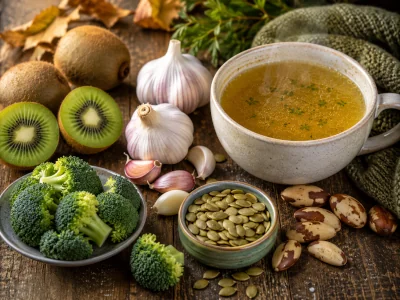
The best foods for cold and flu won’t cure you, but they can help your immune system do the job it’s already trying to do. Eating a diet rich in vitamin C, zinc, selenium, and antioxidants — before and during illness — gives your body the raw materials it needs to mount an effective immune response. This guide explains which foods have meaningful evidence behind them, which are promising but limited, and which popular beliefs (the milk-and-mucus myth included) don’t hold up to scrutiny.
No food has been proven to prevent a cold or flu outright. But consistent, nourishing eating patterns — paired with sleep, hydration, and vaccination — form a realistic foundation for immune resilience. [NIH ODS, 2024]
How Nutrition Supports Your Immune System
Your immune system is a complex network that depends on a steady supply of vitamins and minerals to function well. Key nutrients include vitamins A, C, D, E, and several B vitamins, along with minerals such as zinc, selenium, and iron. [NIH ODS, 2024] When your diet consistently falls short of these, immune responses can slow, making you more susceptible to respiratory infections and slower to recover when you do get sick.
According to the Mayo Clinic Health System, a diet centred on fruits, vegetables, and whole grains helps maintain the micronutrient levels that support immune cell production and activity. That means the best protection comes from consistent daily eating habits, not a last-minute supplement.
The Best Foods for Cold and Flu
Vitamin C-Rich Fruits — Citrus, Kiwi, and Guava
Vitamin C is among the most studied nutrients for cold and flu support, and the evidence is genuinely useful — though sometimes misunderstood. A Cochrane systematic review covering 29 trials found that regular vitamin C supplementation did not significantly prevent colds in the general population, but it did modestly reduce the duration and severity of symptoms. [Hemilä & Chalker, Cochrane 2013] A 2023 meta-analysis further concluded that vitamin C at doses of at least 1 g/day specifically reduced the severity of more intense cold symptoms. [Hemilä & Chalker, PubMed 2023]
The practical message: getting enough vitamin C through food every day is worthwhile. High-dose supplements taken after symptoms begin are less likely to help.
Good whole-food sources include: kiwi (one of the richest sources per gram), guava, oranges, grapefruit, strawberries, and red bell peppers. The Mayo Clinic notes that vitamin C supports antibody formation and the movement of white blood cells toward sites of infection.
- Easy use: Start the day with a fruit smoothie. Snack on kiwi or add guava to yoghurt.
- Evidence quality: Moderate — consistent with reducing cold duration; does not prevent infection.
Colourful Vegetables — Carotenoids, Antioxidants, and Vitamin A
Vegetables, particularly those with deep orange, red, or dark green colour, provide beta-carotene (the plant form of vitamin A), vitamin C, and a range of antioxidants. Vitamin A is essential for maintaining the integrity of the mucous membranes lining the nose and throat — the first physical barrier against respiratory viruses.
Good choices include carrots, broccoli, sweet potatoes, and dark leafy greens. The Mayo Clinic Health System highlights plant-rich diets as supporting long-term immune balance rather than producing a short-term spike.
- Easy use: Roast a tray of mixed vegetables weekly. Add greens to soups or smoothies.
- Evidence quality: Strong for general immune health; less direct evidence specifically for cold/flu outcomes.
Garlic and Allium Vegetables
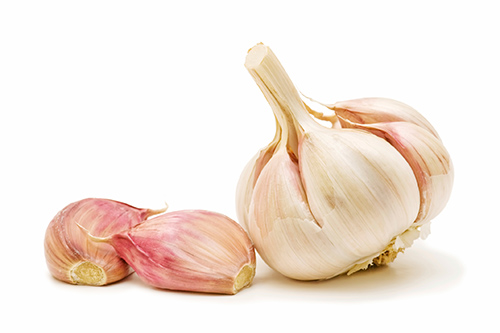
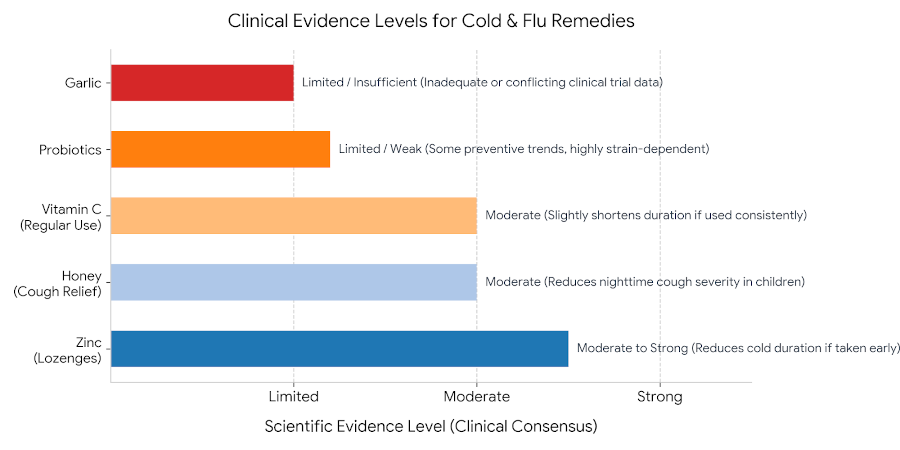
Garlic has a well-established reputation as a mild antimicrobial and antiviral food. Its active sulfur compounds — particularly allicin — have shown immune-stimulating activity in laboratory and some human studies. The Mayo Clinic’s cold remedies guide acknowledges garlic as a plausible immune-supportive food, though it notes that strong evidence from clinical trials is limited.
Other allium vegetables (onions, leeks, shallots) contain quercetin, a flavonoid with antiviral and anti-inflammatory properties. These make a good everyday culinary addition rather than a targeted cold treatment.
- Easy use: Add crushed garlic to soups, stir-fries, or roasted vegetables — crushing activates allicin.
- Evidence quality: Limited to moderate from human trials. Promising but not conclusive.
Zinc-Rich Foods — Seeds, Legumes, and Whole Grains
Zinc is essential for the development and activation of immune cells, and for maintaining the protective barriers in the respiratory tract. The NIH Office of Dietary Supplements confirms that adequate zinc is necessary for proper immune function, and that even mild deficiency can impair immune response.
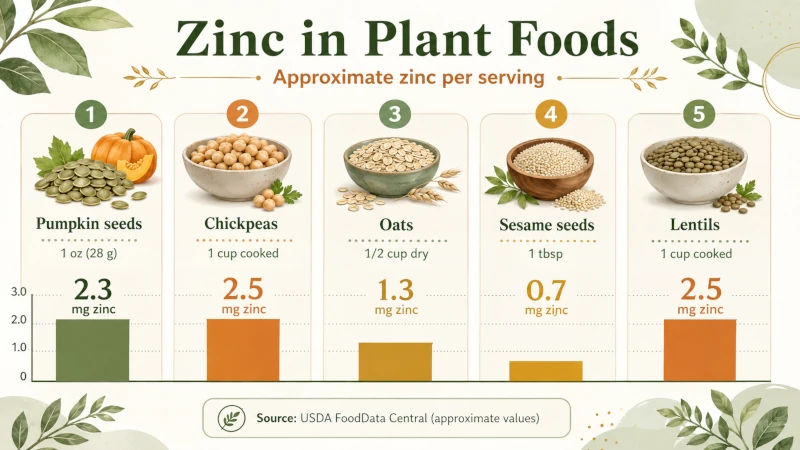
Plant-based zinc sources include pumpkin seeds, sesame seeds, oats, broad beans, chickpeas, and other whole grains. Animal-based sources (oysters, beef, poultry) are more bioavailable due to lower phytate content.
Note: zinc lozenges taken within 24 hours of cold onset may shorten symptom duration according to some trials, but evidence is mixed and depends heavily on the formulation. Food-based zinc supports background immune health rather than acute treatment. [NCCIH, 2024]
- Easy use: Sprinkle pumpkin seeds on salads or oatmeal; add chickpeas to soups and stews.
- Evidence quality: Strong for immune function from adequate zinc intake; moderate for zinc supplements shortening colds.
Selenium-Rich Foods — Brazil Nuts and Mushrooms
Selenium is an antioxidant mineral that supports immune cell activity and helps regulate inflammation during infections. According to the Mayo Clinic Health System, selenium deficiency is associated with impaired immune responses.
Brazil nuts are exceptionally high in selenium — just two to three nuts per day can meet the daily requirement. Other sources include cremini or shiitake mushrooms, whole grains, and eggs.
- Easy use: Keep a small bag of Brazil nuts on hand. Toss mushrooms into soups or stir-fries.
- Warning: More is not better with selenium. Regularly eating large quantities of Brazil nuts can cause selenium toxicity. Two to three nuts daily is enough.
- Evidence quality: Moderate — adequate selenium is important for immune function; supplementation beyond sufficiency is not shown to further improve outcomes.
Warm Fluids — Chicken Broth, Herbal Tea, and Honey
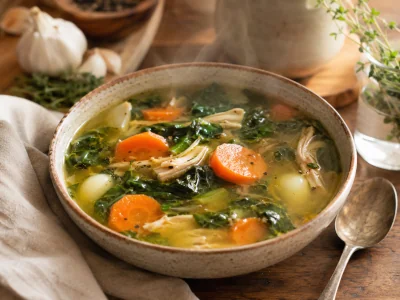
Warm fluids serve multiple functions during illness: they maintain hydration, help thin mucus secretions, and may soothe inflamed mucous membranes. Chicken soup specifically has small but real supporting evidence — several studies suggest it may mildly inhibit neutrophil migration, which could help moderate the inflammatory response during a cold. [Mayo Clinic — Cold Remedies]
Herbal teas (ginger, peppermint, chamomile) provide warmth, hydration, and some mild anti-inflammatory plant compounds. Honey may help calm coughs in adults and children over one year old — the NCCIH notes it has a reasonable evidence base for soothing sore throats. Never give honey to infants under 12 months due to the risk of botulism.
- Easy use: Simmer chicken broth with garlic and vegetables. Stir honey into herbal tea with a squeeze of lemon.
- Evidence quality: Moderate for warm fluids generally; limited human trial evidence for chicken soup specifically; good evidence for honey in cough suppression in children.
Probiotic-Rich Foods — Yoghurt and Fermented Foods
The gut microbiome plays a meaningful role in immune regulation. Probiotic-rich foods such as plain yoghurt, kefir, kimchi, and sauerkraut may help maintain a balanced gut environment that supports immune responses. A 2015 analysis cited by the NCCIH suggested that probiotics might help prevent upper respiratory tract infections, though the evidence was described as weak with notable limitations.
- Easy use: Eat a portion of plain yoghurt daily; add kimchi or sauerkraut as a condiment.
- Evidence quality: Limited to moderate — promising but not definitive for cold and flu prevention.
Best Foods for Cold and Flu, Evidence, and How to Use Them
| Food / Nutrient | Role in Immune Support | Evidence Level | Practical Use |
| Vitamin C — citrus, kiwi, guava | May modestly reduce cold duration; supports immune cell activity | Moderate | Daily fruit intake; smoothies, snacks |
| Colourful vegetables | Provide beta-carotene, antioxidants, vitamin C for mucous membrane health | Strong (general immune) | Roast weekly; add to soups |
| Garlic | Mild antimicrobial and antiviral properties via allicin | Limited–Moderate | Crush into soups and stir-fries |
| Zinc-rich foods (seeds, beans) | Essential for immune cell development and barrier function | Strong (sufficiency) | Pumpkin seeds on salads; chickpeas in soup |
| Brazil nuts / mushrooms (selenium) | Antioxidant support; helps regulate inflammation during infection | Moderate | 2–3 Brazil nuts daily max |
| Chicken broth / herbal tea | Hydration, mucus thinning, mild anti-inflammatory effects | Limited–Moderate | Drink frequently when symptomatic |
| Honey (adults/children 1yr+) | May soothe throat and suppress cough | Moderate for cough | In warm tea; never in infants <12 months |
| Yoghurt / fermented foods | Supports gut-immune axis; may help prevent upper respiratory infections | Limited | Daily portion of plain yoghurt |
What About Propolis?
Propolis — the resinous substance bees use to seal their hives — has attracted interest for its possible antiviral and antimicrobial properties. Some small studies suggest it may have immune-supportive effects, but the evidence is early-stage and mostly derived from laboratory research and small human trials. The NCCIH does not currently list propolis among supplements with strong evidence for cold or flu use.
If you choose to try propolis products (such as propolis-infused honey or tinctures), select a reputable brand, use it as an addition to — not a substitute for — the foundational foods listed above, and check with your pharmacist if you take regular medications.
Foods and Habits That May Work Against You
Certain eating and lifestyle patterns actively increase susceptibility to illness or slow recovery:
- Refined sugar and ultra-processed foods: High sugar intake has been associated with increased inflammation and reduced immune cell function. The Mayo Clinic Health System notes that a nutrient-poor diet undermines immune resilience.
- Excessive alcohol: Alcohol impairs multiple components of the immune response and disrupts sleep quality, both of which are important during illness.
- Dehydration: Even mild dehydration thickens mucus, reduces the efficiency of mucous membranes, and increases fatigue.
- The milk-and-mucus myth: Research consistently shows that dairy milk does not increase mucus production during a cold, despite being a popular belief. The Mayo Clinic addressed this directly — you do not need to avoid milk when sick.
Lifestyle Habits That Strengthen Immune Defence
Nutrition is one part of a larger picture. These habits matter equally:
Sleep
Most immune recovery and memory formation occurs during sleep. Adults should aim for seven to nine hours nightly. During illness, the immune system is actively working while you rest, which partly explains why sleep deprivation prolongs recovery.
Hydration
Staying well-hydrated supports lymph circulation, mucous membrane function, and fever management. During illness, fluid loss from fever and mucus increases, so water, herbal teas, and warm broths are especially valuable.
Stress Management
Chronic stress suppresses both innate and adaptive immune function. Short regular breaks, moderate exercise, and brief mindfulness practices have measurable effects on stress hormones. This is especially important during illness, when the body needs resources directed toward recovery rather than the stress response.
Vaccination
The NCCIH is clear that vaccination remains the most effective tool against influenza. Annual flu vaccination is recommended by the CDC for virtually all people aged six months and older. Nutrition supports immunity; it does not replace vaccine-conferred protection.
When to See a Doctor
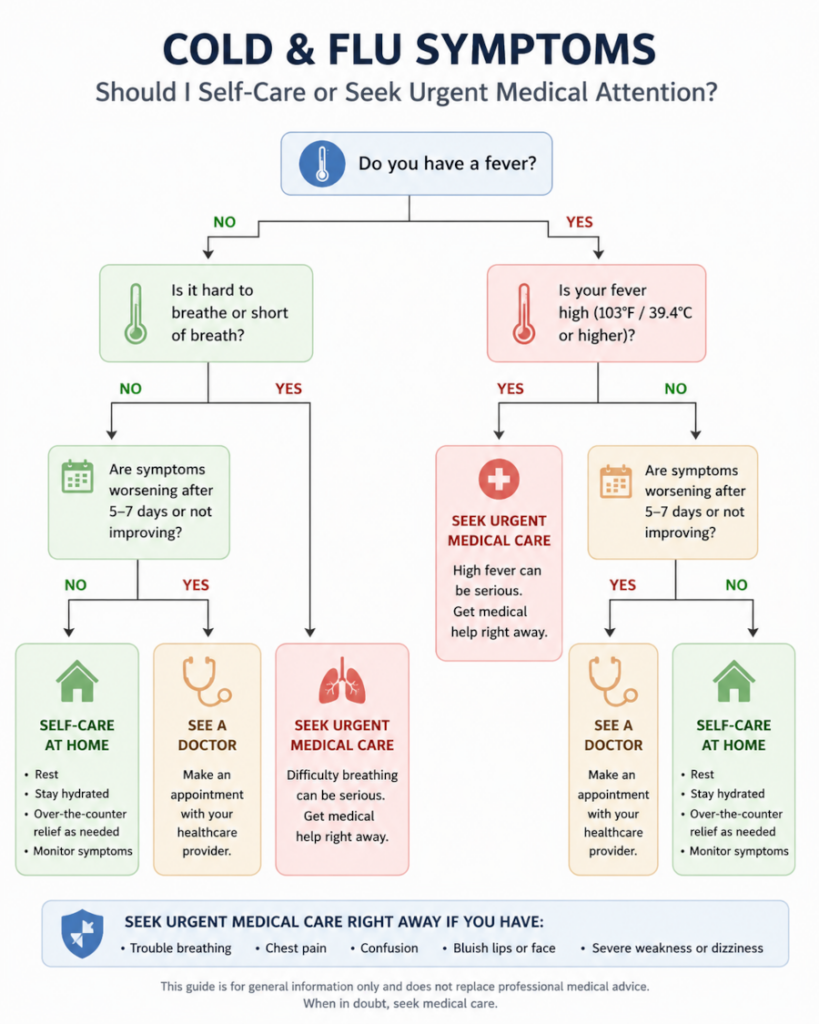
Self-care with the foods and habits above is appropriate for mild cold and flu symptoms in healthy adults. Seek prompt medical attention if you experience any of the following:
- Fever above 103°F (39.4°C) or a fever lasting more than three days
- Shortness of breath or difficulty breathing at rest
- Chest pain or persistent chest tightness
- Severe or worsening headache with stiff neck
- Confusion or unusual mental changes
- Symptoms that improve then suddenly worsen (which can indicate a secondary bacterial infection such as pneumonia or sinusitis)
- Any symptoms in infants, young children, older adults, or people with chronic health conditions that cause concern
These symptoms may indicate complications that require clinical evaluation and possibly antiviral or antibiotic treatment.
Health Disclaimer: This article is for general educational purposes only. It is not a substitute for professional medical advice, diagnosis, or treatment. Always consult a qualified healthcare provider before making significant changes to your diet or if you have a medical condition. If you are experiencing a high fever, difficulty breathing, chest pain, or severe symptoms, contact a healthcare professional promptly or go to the nearest emergency department. Evidence summaries in this article reflect the scientific literature available as of May 2026. Nutritional science evolves — recommendations may change.
Frequently Asked Questions
Does vitamin C prevent colds?
Not for most people in the general population — large Cochrane reviews have found no significant reduction in cold incidence with regular vitamin C supplementation. However, it may modestly reduce the duration and severity of colds, making it worth getting consistently through food. [Cochrane 2013]
Can garlic cure a cold?
Is milk bad to eat when you have a cold?
No. The idea that milk increases mucus production during a cold is a myth. Studies show dairy does not worsen congestion, and milk provides protein and zinc that may support recovery. [Mayo Clinic]
How much zinc should I take for a cold?
Getting zinc through food is preferred — seeds, legumes, oats, and whole grains are good sources. If considering zinc lozenges, the evidence suggests formulation matters considerably and taking them within 24 hours of symptom onset may help shorten duration. High-dose zinc supplements can cause nausea and interfere with copper absorption. Consult a pharmacist or doctor before supplementing. [NIH ODS, 2024]
What is the single best food to eat when sick?
There is no single best food. A combination of warm fluids (chicken broth or herbal tea), vitamin C-rich fruits, and zinc-containing foods covers the most evidence-based bases. Staying hydrated and resting are at least as important as any specific food choice.
Should I eat even if I have no appetite during a cold?
Yes, where possible. Eating small amounts of easily digestible foods (soup, crackers, fruit, yoghurt) provides the energy and nutrients your immune system needs. Severe loss of appetite lasting more than a day or two warrants a call to your doctor.
References
- Mayo Clinic Health System. Nutrition and immune function. → View source
- Mayo Clinic. Cold remedies — what works, what doesn’t, what can’t hurt. → View source
- Mayo Clinic. Does milk increase phlegm? → View source
- Mayo Clinic News Network. Does vitamin C help when we’re sick? → View source
- National Institutes of Health, Office of Dietary Supplements. Dietary supplements for immune function and infectious diseases. (2024). → View source
- National Center for Complementary and Integrative Health (NCCIH). 5 Tips: Natural products for the flu and colds — what does the science say? → View source
- Hemilä H, Chalker E. Vitamin C for preventing and treating the common cold. Cochrane Database of Systematic Reviews. 2013;(1):CD000980. DOI: 10.1002/14651858.CD000980.pub4. → View source
- Hemilä H, Chalker E. Vitamin C reduces the severity of common colds: a meta-analysis. BMC Public Health. 2023;23(1):2468. PMID: 38082300. → View source
- Mayo Clinic. 10 great health foods. → View source
