
When it comes to the healthiest foods to eat throughout life, human beings never stop eating. From birth to death, the average person eats between 10 and 20 tons of food products. For each stage of life, there are particularly suitable foods capable of:
Satisfying nutritional needs appropriate to the stage. For example:
- During growth periods, the body needs foods that provide body-building nutrients such as proteins and calcium.
- During Youth, the body needs more energy-producing foods that supply the calories for physical work.
- Adults require more regulating nutrients, such as vitamins and minerals.
Preventing specific diseases and disorders associated with each life stage, such as:
- The infections of infancy.
- Anemia in adolescence and pregnancy.
- Gastritis and gastroduodenal ulcers of youth.
- Osteoporosis in menopause.
- Obesity, cardiovascular disease (angina and heart attack), and cancer in adults.
The foods of one stage determine the diseases of the next
It is well known that the illnesses suffered during the second half of life are due, to a great extent, to the diet followed during the first half: infancy, childhood, adolescence, and youth. For example:
Coronary disease: Prevention of heart disease begins in infancy, childhood, and adolescence with a diet regimen that includes less saturated fats and cholesterol and is rich in minerals, vitamins, and fiber.
Diabetes: A Harvard University study revealed that women who eat a lot of sweets and little fiber, particularly whole grains, are at greater risk of diabetes.
Obesity begins in infancy and childhood.
Osteoporosis: This disease is prevented by adequate calcium intake during growth periods, particularly during preadolescence.

Healthiest Foods To Eat for Nursing Babies
Mother’s milk – This is the ideal baby food. It provides all necessary nutrients in the proper quantity and quality and antibodies that protect against infectious diseases.
Complementary foods while nursing
No foods other than breast milk or—less preferably—infant formula should be introduced before the infant reaches the age of four months since they increase the risk of eczema and other allergic reactions and digestive disorders. To reduce the incidence of food allergies and eczema or atopic dermatitis, wheat, eggs, and fish should not be initiated until after 12 months, and peanuts until three years of age.
Infant Formulas
The three primary drawbacks to infant formulas are:
Infections caused by improper hygiene in preparing nursing bottles.
Over-concentration of the formula results in dehydration of the infant, resulting in overdose.
Adverse reactions to milk-based formulas, the most common which are:
- Intolerance is usually caused by the enzyme lactase deficiency, which is necessary to digest lactose (milk sugar).
- Allergy to cow’s milk proteins in the formula. The formula must be substituted for one based on soy or an essential diet using hydrolyzed casein or whey. So-called hypoallergenic milk-based formulas are usually ineffective.
Soy Based Formulas
Soy-based infant formulas are an alternative to classic formulas based on cow’s milk. They are helpful in cases of milk intolerance or allergy. They are considered to meet the protein needs of the infant if they contain:
- More than 2.45 grams per 100 kcal (calories) of proteins.
- And over 640 micromoles of sulfurated amino acids (methionine and cysteine) per 100 kcal (calories).
Most soy-based infant formulas meet these requirements.
Citrus Juice
As the infant is weaned, there is an increased risk of anemia due to iron deficiency. This may be avoided by giving the infant a few sips of citrus fruit juice (tangerine or orange juice, for example) along with infant cereal. Studies show that the vitamin C in citrus juice doubles iron’s bioavailability (percentage absorbed) in grains. This eliminates anemia in infants.
Cow’s Milk, Inadequate for Nursing Babies
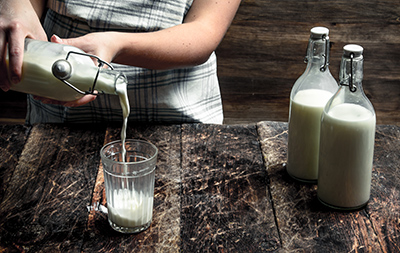
Although traditionally unadapted cow’s milk has been used to feed nursing babies, today it is known that this presents serious drawbacks that do occur with mother’s milk:
It frequently produces allergies and intolerance.
It provokes intestinal bleeding: A study at the University of Iowa revealed that thirty percent of infants fed cow’s milk showed occult blood in the stool. This is due to tiny intestinal hemorrhages. The same occurred with 5 percent of children fed adapted infant formulas based on cow’s milk.
Increased risk of diabetes: Several studies show that the earlier cow’s milk is introduced into an infant’s diet, the greater the risk of diabetes later. On the other hand, the longer the infant is breastfed, the lower the risk.
Healthiest Foods To Eat for Children

Plant-based foods—According to the Department of Nutrition of King’s College in London, a strict vegetarian diet is entirely satisfactory for children if iron and vitamin B12 deficiencies are avoided. Researchers at the Department of Pediatrics of the University of Milan concluded that in developed countries, 12-month-old children consume excess animal protein, which is detrimental to their health.
Properly combined vegetable proteins are adequate for children’s diets. Children must take in enough calories from carbohydrates to ensure proper assimilation of these proteins. Thus, proteins are not required for energy and can be used for body development.
In a study performed at Loma Linda University with 2,272 Seventh-day Adventist children, who followed an overall ovolactovegetarian diet, it was found that:
- They grew normally for their age.
- They showed the healthy characteristic of a lower percentage of body fat than children in public schools who ate omnivorous diets.
Fruits and vegetables—Public health experts regularly recommend that parents increase the number of fruits and vegetables in their children’s regular diets. Natural fruit is preferable to its juice, whose excess consumption can lead to undernourishment and diarrhea.
Nuts – Nuts can be introduced after one year, except peanuts, which should not be introduced until age two or three because of the risk of allergy. Pine nuts are an excellent first nut. They are very nutritious and are generally the best tolerated of any oil-bearing nut.
Fiber – Children also need fiber, and the refined diet of developed countries tends to be deficient in this essential non-nutritive component. Because of this, experts in childhood nutrition stress the necessity of including fiber in children’s diets in fruits, vegetables, whole grains, and legumes. After three years of age, the recommendation is that each day the child consumes an amount of fiber calculated by adding five grams to the number of grams equivalent to the child’s age. Ovolactovegetarian children (those following a plant-based diet including eggs and dairy products but no meat) develop or better than omnivorous children and are at lower risk of obesity.
Healthiest Foods To Eat for Adolescents
Oil-bearing nuts and seeds – All of these are highly recommended for adolescents because they provide essential amino acids and fatty acids for growth, B group vitamins, vitamin E, and minerals:

- Pistachios are a good source of iron;
- Cashews and squash seeds of zinc;
- Almonds, of calcium;
- Sunflower seeds of magnesium and iron.
Dates and dried fruits—Adolescents crave sweets; dates, raisins, and other dried fruits are the best options. They help reduce or eliminate chocolate, pastry, and candy consumption.
Sandwiches – These are a preferred adolescent food. They are best when made with whole-grain bread. Avoid sandwiches made with sausage or other prepared meats (they promote cancer) and hamburgers (they foster heart disease).
Nutritional Needs of Adolescents
Adolescents need to eat more than adults of equal body weight. Their need for specific nutrients increases during adolescence, so they must be given special consideration.
Proteins—Boys need 45 to 66 grams daily, while girls require 46 to 55 grams. Legumes combined with grains and their derivatives (bread, pasta, etc.), oil-bearing nuts, and potatoes can adequately meet adolescents’ protein requirements. The protein supply is assured if dairy products and eggs are added.
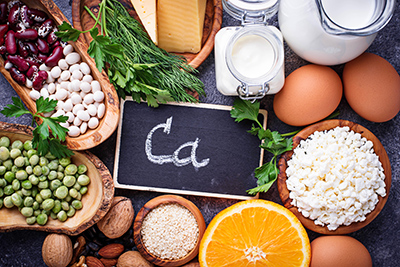
Calcium – This mineral is necessary for bone development. RDA (Recommended Dietary Allowance) for adolescents from 11 to 18 years of age is 1200 mg, almost 50 percent more than the RDA for adults (800 mg). In addition to milk and dairy products, oil-bearing nuts, sesame, oranges, cabbage, and broccoli are good sources of calcium.
Iron – RDA for girls is 15 mg, 50 percent more than adults (10 mg). RDA for boys is 12 mg. Young women in this age group are at greater risk of iron deficiency anemia because of puberty and the onset of menses, among other reasons. A diet rich in natural foods provides sufficient iron for adolescents. The following must be considered:
- Tea, coffee, and bran reduce iron absorption.
- Vitamin C, present in fresh fruits and vegetables, facilitates iron absorption.
Zinc – This trace element is necessary for adequately developing the reproductive organs. Oysters are very rich in zinc; however, they are not required. Wheat germ, sesame seeds, squash seeds, and oil-bearing nuts are good sources of zinc for adolescents.
Fiber – Adolescents tend to consume less fiber than is necessary (20 to 25 grams daily). Fiber is found only in plant-based foods: whole grains, fruits, vegetables, and legumes.
Healthiest Foods To Eat for Youth

Athletes – Their diet should be based on the food pyramid, with particular attention to these nutrients and foods:
Complex carbohydrates—Grains and their derivatives (flakes, porridge, bread, pasta, etc.), starchy tubers such as potatoes, and legumes should form the basis of an athlete’s diet. These sources of carbohydrates increase performance and stamina more effectively than animal-based foods and proteins.
Wheat germ contains octacosanol, which facilitates the combustion of fats and naturally increases stamina. Athletes should take 2 to 4 spoonfuls of wheat germ each morning.
Kiwis and other vitamin C-rich fruits – It has been proven that athletes who eat abundant kiwis improve stamina. It is reasonable to expect similar results with guava, currants, oranges, and other vitamin C-rich fruits.
Proteins – Contrary to what was once believed, athletes do not need to increase protein consumption but rather carbohydrates. It is sufficient if protein consumption is appropriate to:
- Body weight (0.75 grams per kilo of weight), or
- Calorie intake – the amount that provides ten percent of total calories consumed, or up to fifteen percent for younger athletes.
Students – In addition to a good breakfast, young people involved in intense mental activity should increase their consumption of these foods:
Oats – This grain supplies the essential nutrients for the healthy function of the neurons: glucose (released slowly as its starch digests), essential fatty acids such as linoleic acid, phosphorus, lecithin, and vitamin B1.
Pine nuts – Because of their richness in essential fatty acids, proteins, vitamins, and minerals, which are of excellent nutritional quality for the nervous system.
Almonds, walnuts, wheat germ, and figs.
A good Breakfast for the Youth
A good breakfast is essential to optimal physical and intellectual performance. For example:
- Muesli, cereal flakes, or oatmeal.
- Soymilk or yogurt.
- Fresh fruit.
- Oil-bearing nuts: walnuts, almonds, pine nuts, hazelnuts, pistachios, etcetera.
- Wheat germ to ensure good supplies of vitamins and trace elements.
Healthiest Foods To Eat for Future Parents

Male
The diet and lifestyle of the future father have a much more significant influence than was once thought on the future child’s health. This is particularly important three months before conception since sperm takes that long to develop. Following these simple counsels improves the quality of the semen and sperm, reducing the risk of congenital disabilities in the newborn.
Before procreating, men should increase their consumption of:
Carrots, spinach, broccoli, mangos, and apricots since they are excellent sources of beta-carotene (provitamin A), which, in sync with vitamins C and E, safeguards the sperm and inhibits damage to the genetic code.
Thanks to their abundance in vitamin C, citrus fruits, guava, currants, and kiwis. Two kiwis of four oranges a day provide the RDA of vitamin C.
Wheat germ, almonds, other nuts, and avocado are excellent vitamin E sources.
Sunflower seeds, squash, and sesame since they supply zinc, which is necessary for sperm development.
Legumes and vegetables, which provide folates, are necessary for sperm formation.
Avoid the following foods for three months before procreation:
Alcoholic beverages and tobacco damage the sperm and may result in congenital disabilities.
Meat—Hormone residues given to animals and remaining in meat can negatively influence the semen quality.
Chemical products such as pesticides, insecticides, and organic solvents: Avoid contact with these substances. Whenever possible, eat organically grown foods.
Female

The prospective mother’s diet before conception is as essential, if not more so, than it is for the duration of pregnancy to give birth to a healthy baby and reduce the risk of congenital birth defects.
Dietary recommendations before getting pregnant
Eat abundant fruits, vegetables, and nuts to ensure a sufficient supply of antioxidants (provitamin A, vitamins C and E).
Avoid folate deficiency – It is known that this deficiency causes a variety of malformations.
Avoid eating liver, foie gras, and pate. These tend to contain high vitamin A levels, which can cause fetal malformations.
Avoid meat, mainly if it is not well cooked, which can transmit toxoplasmosis. This disease causes fetal malformations.
Avoid obesity – Studies conducted in California proved that obese women are twice as likely to give birth to deformed infants.
Avoid weight-loss diets – Food restriction involves fewer essential nutrients to form ova correctly.
DISCLAIMER: All content on this website is presented solely for educational and informational objectives. Do not rely on the information provided as a replacement for advice, diagnosis, or treatment from a qualified medical expert. If you are pregnant, nursing, or have any preexisting medical concerns, talk to your doctor before using any herbal or natural medicines.
REFERENCES
- George D. Pamplona-Roger, M.D. “Encyclopedia of Foods and Their Healing Power.” George D. Pamplona-Roger, M.D. Encyclopedia of Foods and Their Healing Power. Trans. Annette Melgosa. Vol. 2. Chai Wan: Editorial Safeliz, 2005. 378, 379, 380, 381, 382, 383. Print. [Healthiest foods to eat]
- Harvard T.H. Chan School of Public Health: https://www.hsph.harvard.edu/nutritionsource/what-should-you-eat/vegetables-and-fruits
- Mayo Clinic: https://www.mayoclinic.org
- Centers for Disease Control and Prevention (CDC): https://www.cdc.gov
- World Health Organization: https://www.who.int
- Frontiers in Microbiology: https://www.frontiersin.org/journals/microbiology
