
Each year, planet Earth produces about six hundred metric tons of wheat that feed billions of people. On top of the many health benefits of wheat, no other grain is as widespread. Almost four thousand years after Joseph, the son of Jacob, fed the people of Egypt with grain reserves, wheat continues to provide more food to more people than any other product in the world. Wheat is essential to human nutrition in Europe, almost all of America, Africa, Asia, and Australia.
Wheat is the primary source of proteins and calories for a third of humanity (about 2 billion people). Another third uses very little, and the remaining third, which includes the inhabitants of the First World, consumes wheat and wheat products daily but is not interested in its nutritional value.
Perhaps refined Westerners have forgotten that ancient enslaved people could build the great pyramids on a diet of wheat and vegetables. Of course, this was whole grain, much more nutritious than the simple white flour extracted from the grain.
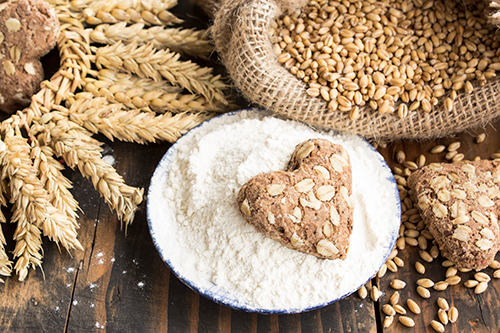
Wheat Nutritional Facts
A grain of wheat, formed of the bran or pericarp, the endosperm, and the germ, is an almost whole food, which contains all of the nutrients that the body needs, with the following exceptions:
- Provitamin A (beta-carotene)
- Vitamin C
- Vitamin B12, as is the case with all plant-based foods
The remaining nutrients, including fiber, are all in whole wheat grain. All are present in appropriate proportions, except fats and calcium, which are limited.
Carbohydrates are the most abundant nutrient in wheat, constituting 76 percent. Most are in the form of starch—only a small portion (one to two percent) in sugars. Wheat STARCH is easy to digest. The process of digesting food begins in the mouth with the enzyme ptyalin. It continues in the small intestine with the amylase secreted by the pancreas.
These enzymes break down the lengthy starch molecules into numerous glucose molecules distributed gradually. They then travel through the intestinal mucosa and into the bloodstream, providing energy to the body.
The more fiber accompanies this starch, the slower the glucose is released. Because of this, whole wheat and its flour are better tolerated by people with diabetes than white flour, which has been deprived of fiber since whole wheat does not produce sudden changes in blood glucose levels.
Proteins: Ninety percent of wheat’s proteins are glutenin and gliadin, two proteins which, when isolated from the remaining grain components and mixed with water, form a spongy mass called gluten. Summing up, gluten is the protein content of the endosperm, in other words, the white flour (without the germ or bran).
Because the GLUTEN dough “rises,” it expands with carbon dioxide gas during the fermentation. As the gluten grows, it forms the typical “bubbles” in the dough because of its elasticity. However, gluten presents two drawbacks:
- Gluten can produce intolerance in specific individuals, resulting in celiac disease in children and sprue in adults. Diarrhea and malnutrition that characterize these diseases disappear when gluten is removed from the diet.
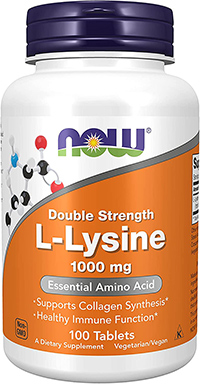
- It is an incomplete protein since, although it contains all essential amino acids, its proportion of lysine is insufficient to meet the body’s needs. Laboratory animals whose only protein source is gluten showed improper development. The quality of gluten proteins increases significantly when wheat and its derivatives are combined with legumes or dairy products, which provide extra lysine.
Interestingly, the wheat germ protein, which is different from gluten, also contains excess lysine. This compensates in part for gluten deficiency. This is only partial because the germ is tiny, making up only 2.5 percent of the grain. It contains little protein but is of excellent quality. Despite this, whole wheat or its flour provides more healthy proteins than simple white flour. Once more, we can see the prodigious balance between the foods nature offers.
Fats: Wheat contains about 1.56 percent, of which more than half is found in the germ and bran. These are primarily polyunsaturated fatty acids, among which linoleic acid predominates.
Fiber: Whole wheat contains 12.5 percent fiber, most insoluble (lignified) and primarily found in the bran. This fiber has a significant laxative effect.
Vitamins: Wheat is a good source of vitamins B1, B2, B6, niacin, folates, and E. The germ and bran are richer in vitamins than the endosperm. Wheat does not contain vitamin C, B12, or provitamin A.
Minerals: Wheat provides reasonable amounts of phosphorous, magnesium, iron, potassium, and trace elements, among which zinc, copper, and manganese stand out. The rarest mineral is calcium. As with all grains, wheat has a slightly acidifying effect on the metabolic process. When it is combined with fruits or vegetables, which are alkalizing, this effect is quickly neutralized.
Health Benefits of Wheat
Whole wheat and whole-wheat flour are stapled foods throughout the world and (except in cases of gluten intolerance) may be eaten daily. Whole wheat is particularly recommended in the following circumstances:
1. Health benefits of wheat (Increased nutritional need): Periods of rapid growth (childhood and adolescence), athletes, pregnancy, lactating mothers, recovery from a debilitating disease, etcetera. Wheat is an excellent energy source. Because of its richness in B vitamins, the glucose released by its starch is quickly metabolized. Of all grains, wheat’s composition is the most complete and balanced. It should always form part of the diet where additional energy is required.
2 Health benefits of wheat (Digestive disorders): Wheat is very easily digested, requiring minimal effort on the part of the digestive system to provide a wide variety of nutrients. It is recommended for all digestive tract disorders except for cases of heartburn or colitis.
Wheat’s effect as a laxative and regulator of bowel movement requires special mention. Those suffering from constipation should eat whole wheat in whatever form daily. Regular consumption of this whole grain helps prevent intestinal diverticulosis, hemorrhoids, colon cancer, eczema, and headaches caused by autointoxication resulting from chronic constipation.
3. Health benefits of wheat (Chronic disorders): Regular consumption of whole wheat or flour helps prevent the so-called diseases of civilization, often initiated by excess refined foods: arteriosclerosis, diabetes, rheumatism, and even cancer.
White Flour or Wheat Flour
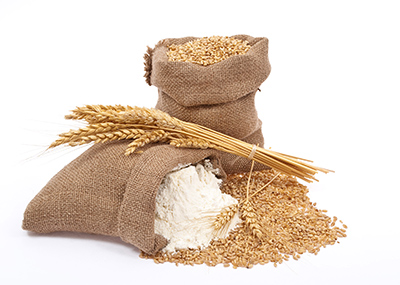
It has been widely proven that whole-wheat flour is more nutritious and healthier, is white flour used much more widely in human nutrition?
- Demands of the population – White flour has always been more valued than brown or whole grain. However, thanks to advances in nutrition science, more people realize the virtues of whole-wheat flour and products.
- White flour is easier to store – Whole-wheat flour can be reserved for only a few weeks before it becomes rancid. This is because the fatty acids in the wheat germ oxidize, advanced by its numerous enzymes. Modern milling and baking industries prefer white flour because it is convenient.
- Antinutritive factors in bran, such as phytates, can theoretically interfere with the absorption of iron and zinc in the intestine. This has caused some specialists to downplay the importance of whole grains from a nutritional standpoint. However, there is no reason for this.
All nutrients are concentrated in whole wheat flour. Manufacturing white flour occasionally wastes up to seventy percent of its minerals and vitamins.
Wheat Allergy
Because of its high gluten content, wheat and its derivatives, refined or not, should be avoided by those suffering with:
- Celiac disease.
- Nontropical sprue or adult celiac disease.
Wheat of the World
The various species of wheat belonging to the genus Triticum. These have a common ancestor, wild spelt (Triticum monococum L. ssp. Boeoticum = Triticum boeoticum Boiss.), which still grows wild in what is known as the ‘Fertile Crescent’ formed by the valleys of the Tigris and Euphrates rivers. Grains of this original wheat have been found in archeological excavations in this cradle of civilization where, according to the Genesis account, the Garden of Eden was located. There are many other species of wheat cultivated all over the world; the two most important are:
- Common or bread – (Triticum aestivum L.): This is used to make bread and other baked products.
- Durum or hard wheat – (Triticum turgidum L. = Triticum durum Desf.): Durum wheat contains twenty percent more proteins than common wheat. Its fine yellowish flour is used to make semolina, which is used for pasta, cuscus, and cracked or bulgar wheat.
Wheat Scientific Facts
- Scientific name: Triticum aestivum L.
- French: Blé.
- Spanish: Trigo.
- German: Weizen.
- Description: The fruit of wheat, a herbaceous plant of the botanical family Gramineae. It comprises the pericarp or bran, the endosperm or nucleus, and the germ.
- Environment: Wheat has its origin in the near east. Its cultivation spread to temperate regions of Europe and throughout the world. In truth, it has never ceased to spread and has gained ground on rye in Northern Europe, corn in America, millet in Africa, and rice in Asia. Russia, China, the United States, and India are the world’s greatest wheat producers.
How to Use and Prepare Wheat
Whole grain – Nothing, except possible pesticide contamination, prevents eating wheat just as it comes from the stalk (this was common in antiquity, as described in the account of Jesus’ disciples in Palestine). It must be very well chewed, spitting out the most rigid portions of the bran. The grain can also be toasted, making it easier to chew and digest.
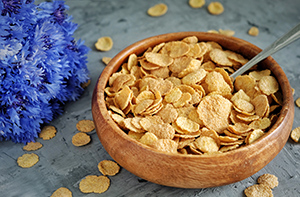
Flakes—These are prepared by cooking and rolling the whole grain. They provide the value of all parts of the grain and only suffer a slight nutritional loss from heating. They may be eaten after soaking. They form part of the famous muesli breakfast food.
Flour – This fine powder results from grinding or milling the grain. Whole-wheat flour contains all parts of the grain, and refined flour contains only the endosperm. Flour is used to make bread and a wide variety of baked goods.
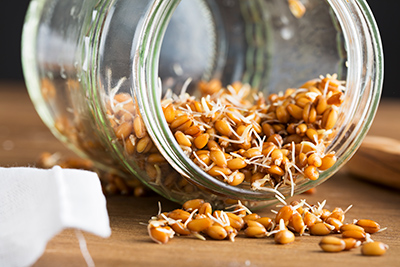
Sprouts—Wheat sprouts are very tender and healthful. In contrast to dry grains, they contain provitamin A and vitamin C.
Bulgur wheat – Cracked and vaporized hard wheat grains. They are pretty whole and require less cooking than entire-grain wheat. Bulgur wheat is used as a substitute for rice.
DISCLAIMER: All content on this website is presented solely for educational and informational objectives. Do not rely on the information provided as a replacement for advice, diagnosis, or treatment from a qualified medical expert. If you are pregnant, nursing, or have any preexisting medical concerns, talk to your doctor before using any herbal or natural medicines.
REFERENCES
- George D. Pamplona-Roger, M.D. “Encyclopedia of Foods and Their Healing Power.” George D. Pamplona-Roger, M.D. Encyclopedia of Foods and Their Healing Power. Trans. Annette Melgosa. Vol. 2. Chai Wan: Editorial Safeliz, 2005. 306, 307, 308. Print. [health benefits of wheat]
- British Medical Journal Study (2016): https://www.bmj.com/content/353/bmj.i2716
- The Nutrition Source: https://www.hsph.harvard.edu/nutritionsource/carbohydrates/whole-grains
- Mayo Clinic: https://www.mayoclinic.org/diseases-conditions/diabetes/in-depth/diabetes-diet/art-20044295
- Celiac Disease Foundation: https://celiac.org/about-celiac-disease/what-is-celiac-disease
