
Pumpkin seeds are the part of the pumpkin plant with real research behind them, and the honest summary is “modest.” In a year-long trial of men with an enlarged prostate, eating hulled pumpkin seeds eased urinary symptoms a little more often than placebo, and Europe’s medicines regulator accepts pumpkin seed as a traditional remedy for those symptoms and for an overactive bladder [Vahlensieck, 2015] [EMA, 2012]. Other claims you’ll see about the pumpkin plant — that it shrinks the prostate, treats kidney disease, or is a risk-free dewormer for children — don’t hold up. Here’s what the evidence supports, the amounts that have actually been studied, and when a symptom needs a doctor rather than a snack.
The pumpkin plant at a glance
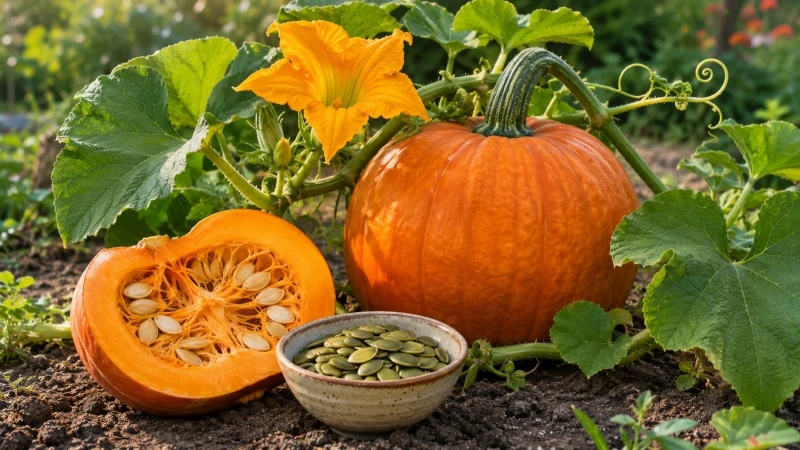
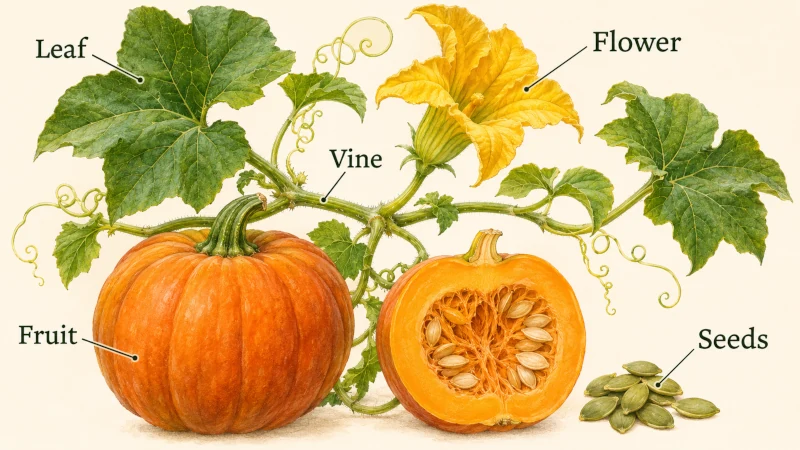
The pumpkin plant is an annual, trailing vine in the gourd family, grown for its fruit and seeds. Most medicinal interest centers on the seeds of Cucurbita pepo, the species covered by the European Medicines Agency’s herbal monograph, though seed oil from a related species, Cucurbita maxima, has been studied too [EMA, 2012] [Nishimura, 2014]. The orange flesh is a nutritious vegetable. It isn’t a proven treatment for anything.
Pumpkin plant benefits by strength of evidence
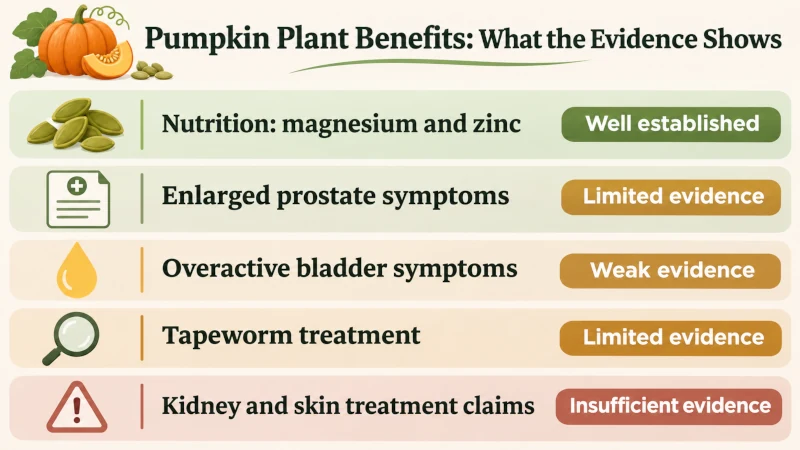
| Use | What has been studied | Where the evidence stands |
| Enlarged prostate (BPH) urinary symptoms | One large 12-month randomized trial (1,431 men); one small trial against tamsulosin | Limited but real: modest benefit from whole seeds; the extract did not beat placebo |
| Overactive bladder | One small study without a placebo group; EU traditional-use listing | Traditional use; weak clinical data |
| Tapeworm | One community study in China; centuries of folk use | Limited; not a replacement for prescribed treatment |
| Nutrition (magnesium, zinc) | Food composition data | Well established |
| Kidney disease, kidney stones, hemorrhoids, bladder infections, burns or wounds (topical oil) | No supporting human trials found | Insufficient; traditional claims only |
Pumpkin seeds and an enlarged prostate
Benign prostatic hyperplasia (BPH) is non-cancerous growth of the prostate. It affects an estimated 5% to 6% of men aged 40 to 64 and roughly a third of men 65 and older, and it can cause a weak or stop-start stream, trouble emptying the bladder, urgency, frequency and getting up at night to urinate [NIDDK, 2024].
The biggest pumpkin study is Germany’s GRANU trial. Researchers randomly assigned 1,431 men aged 50 to 80 to hulled pumpkin seed (5 g twice a day), a pumpkin seed extract capsule (500 mg twice a day) or placebo for 12 months. The target was a drop of at least 5 points on the International Prostate Symptom Score. With the whole seeds, 58.5% of men reached it, compared with 47.3% on placebo. The extract did no better than placebo [Vahlensieck, 2015].
Two things temper that result. Almost half the placebo group improved as well, and the trial was only partially blinded, which can inflate benefits people report themselves. The authors said their findings needed confirming in another trial or a systematic review before pumpkin seed could be fully recommended [Vahlensieck, 2015].
A smaller Iranian trial put pumpkin seed oil capsules (360 mg twice a day) up against tamsulosin, a standard prescription drug, in 73 men aged 50 and older for three months. Both groups improved, but tamsulosin lowered symptom scores more. Nobody taking the pumpkin oil reported side effects [Zerafatjou, 2021].
You may read that pumpkin seeds stop the prostate from growing, thanks to an “active ingredient” called cucurbitacin. There’s no good human evidence for the first part, and cucurbitacins are actually the bitter toxins behind toxic squash syndrome [Poison Control]. How pumpkin seed might ease symptoms in people hasn’t been worked out. If you’re weighing herbal options, our review of saw palmetto shows how another popular prostate herb has fared in larger trials.
How much has been studied
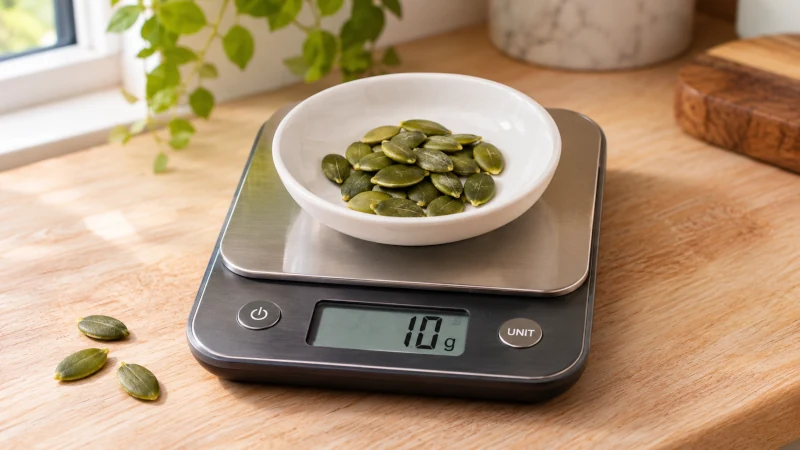
The amounts with trial or regulatory backing are small: 5 g of hulled seed twice a day in GRANU, or 2.5 to 7.5 g of seed twice a day in the EMA monograph, which also lists 1 to 1.2 g of seed oil three times a day [Vahlensieck, 2015] [EMA, 2012]. Ten grams a day is about a third of an ounce. Some herbal books suggest 50 to 100 g two or three times daily; no study supports portions anywhere near that. If you try pumpkin seed, give it a few months and judge it by how you feel, and keep your doctor in the loop.
Pumpkin seed oil and an overactive bladder
The EMA also lists pumpkin seed as a traditional remedy for overactive bladder symptoms such as urgency and frequency, with an important condition: only after a doctor has ruled out anything serious [EMA, 2012]. The clinical data are thin. In a Japanese study, 45 people with overactive bladder took 10 g a day of oil from Cucurbita maxima seeds for 12 weeks, and their symptom scores fell at 6 and 12 weeks [Nishimura, 2014]. Scores were compared with each person’s starting point rather than with a placebo group, so there’s no way to tell how much of the change the oil caused.
Some herbal guides go further and recommend pumpkin seeds for cystitis and urinary tract infections. A bladder infection needs a proper diagnosis and usually antibiotics. Nothing suggests seeds can clear one.
Pumpkin seeds and tapeworms
This is the oldest use of the pumpkin plant, and one of the few folk remedies with some human data. In a community program in northwest Sichuan, China, 9 of 12 people with confirmed tapeworm infection passed the whole worm after eating pumpkin seeds alone, on average about 14 hours later. Paired with an areca nut extract, the treatment cleared 88.9% of confirmed cases in about two hours — though 46.3% of people on the combination had nausea or dizziness [Li, 2012].
That’s a small, unblinded study in a region where tapeworm is common. For most readers it’s beside the point. The CDC’s preferred treatment is a single prescription dose of praziquantel, with albendazole as another option, followed by stool checks at one and three months to make sure the infection is gone. Pork tapeworm is also linked to cysticercosis, a separate infection of body tissues, and doctors adjust treatment when they suspect it [CDC, 2024]. Getting the diagnosis right matters more than the remedy.
Some herbal sources describe a home protocol: fast overnight, eat several hundred grams of crushed seeds (seven ounces or more for children), then take a strong purge such as castor oil. Skip it. Those amounts are far beyond anything tested for safety, purging is hard on the body — especially a child’s — and you can’t tell at home whether the whole worm has passed. If you see worm segments in your stool, get tested. Our guides to natural remedies for worms and herbs that kill parasites cover what home care can and can’t do.
What pumpkin seeds and flesh add to your diet
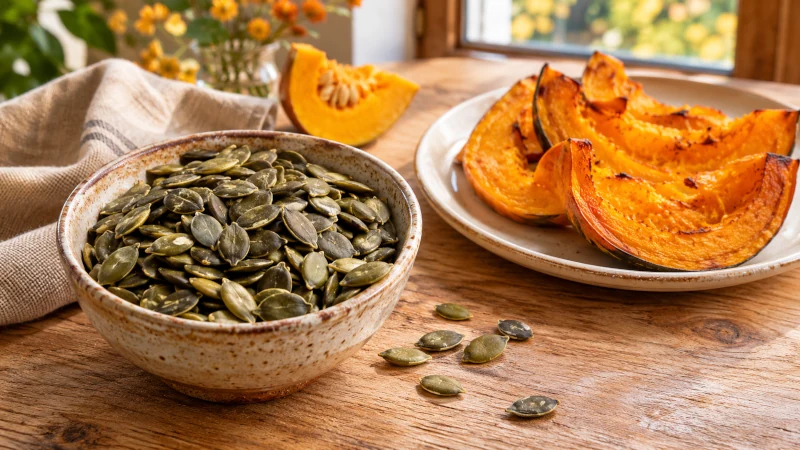
As a food, pumpkin seeds earn their reputation. One ounce of roasted seeds provides 156 mg of magnesium, 37% of the Daily Value — the highest of any food on the NIH’s magnesium list [NIH ODS, 2026a] — and 2.2 mg of zinc, about 20% of the Daily Value [NIH ODS, 2026b]. Eat them raw or lightly roasted; choose unsalted if you’re watching sodium.
Cooked pumpkin flesh is a soft, mild vegetable that fits easily into a fiber-rich diet. If constipation is your concern, see our list of foods that help with constipation, ranked by trial evidence. For the nutrition research on pumpkin and its close relatives, see health benefits of squash.
Claims that pumpkin flesh treats kidney failure, nephritis or kidney stones have no clinical support. If you follow a kidney diet that limits potassium or fluids, check changes to your vegetables with your renal dietitian.
Pumpkin seed oil is also sold for chapped skin, wounds and burns. That use hasn’t been tested in people. For burns and open wounds, use standard first aid and get medical care for anything deep, large or infected.
Side effects, interactions and who should avoid it
Pumpkin seed is well tolerated in studies. The EMA reports mild stomach complaints in about 4% of users and no overdose cases [EMA, 2012]. Don’t use pumpkin seed products if you’re allergic to pumpkin seeds.
Bitter pumpkin or squash: toxic squash syndrome
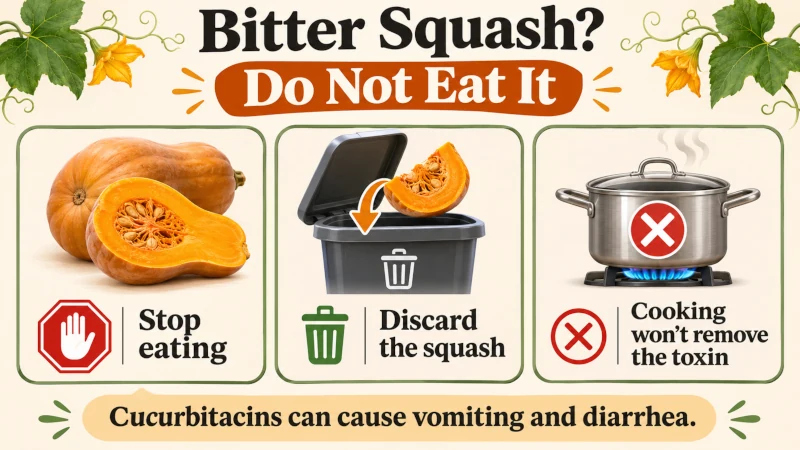
This warning concerns the flesh, not store-bought seeds. Pumpkins, squash, zucchini and cucumbers can occasionally build up high levels of cucurbitacin, a bitter chemical that causes vomiting, diarrhea and stomach pain within minutes to hours; dehydration, dizziness and, rarely, temporary hair loss can follow. Heat, drought and insect damage raise levels, and so can accidental cross-pollination with wild gourds. If a pumpkin or squash tastes bitter, spit it out and throw the rest away — cooking doesn’t destroy the toxin. Ornamental gourds aren’t food [Poison Control].
Pregnancy, breastfeeding and children
Eating pumpkin and its seeds as ordinary food is fine in pregnancy. Concentrated extracts are different: their safety in pregnancy and breastfeeding hasn’t been established, so the EMA advises against them unless clinically needed. It also doesn’t recommend pumpkin seed products for anyone under 18, because urinary symptoms in children and teens need medical supervision [EMA, 2012].
Medications
The EMA lists no known drug interactions [EMA, 2012]. Interaction research on supplements is sparse, though, and “none reported” isn’t the same as “none exist.” If you already take a prescription for BPH or an overactive bladder, or several daily medicines, check with your pharmacist before adding a pumpkin seed product. Don’t stop or swap a prescribed medicine for pumpkin seed on your own.
When to see a doctor
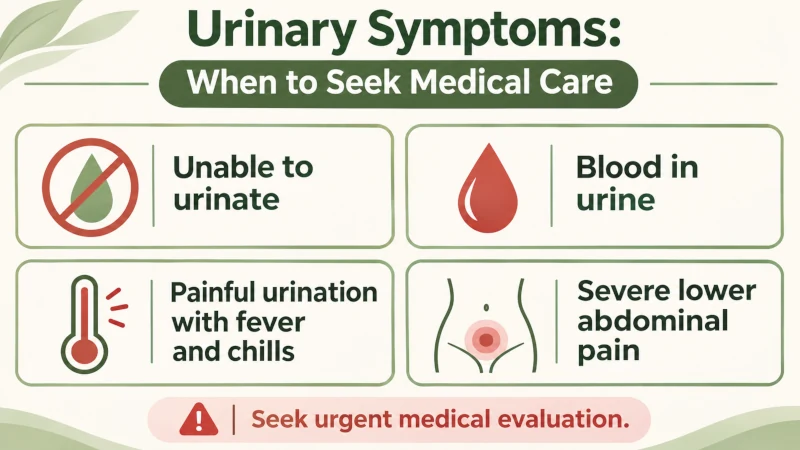
Urinary symptoms in men can come from BPH, but also from bladder problems, infection, prostatitis or prostate cancer, so they deserve a checkup before you self-treat [NIDDK, 2024]. Stop using pumpkin seed and see a doctor if your symptoms get worse or you develop fever, spasms, painful urination or blood in your urine [EMA, 2012].
| Get medical care right away if you: cannot urinate at allhave painful, frequent, urgent urination with fever and chillssee blood in your urinehave severe pain or discomfort in your lower abdomen or urinary tract Source: [NIDDK, 2024] |
See a doctor, too, if you notice worm segments in your stool or have ongoing belly pain, diarrhea or unexplained weight loss. After eating bitter squash, call Poison Control at 1-800-222-1222 (US) and get medical care if you can’t keep fluids down, symptoms are severe, or they last more than a day [Poison Control].
| HEALTH DISCLAIMER: This article is for general education and isn’t a substitute for diagnosis or treatment from a qualified healthcare professional. Pumpkin seed products are not approved treatments for prostate enlargement, bladder problems or parasitic infections. Talk with your doctor or pharmacist before using them if you are pregnant or breastfeeding, are under 18, take prescription medicines, or have kidney disease or another chronic condition. If you cannot urinate, see blood in your urine, have fever with urinary symptoms, or become very ill after eating bitter squash, seek medical care right away. |
Frequently Asked Questions
Do pumpkin seeds shrink an enlarged prostate?
There’s no good evidence that they do. In the largest trial, a year of hulled pumpkin seeds eased urinary symptoms for somewhat more men than placebo, but that’s symptom relief, not shrinkage, and the result still needs confirming [Vahlensieck, 2015].
How many pumpkin seeds should I eat for prostate symptoms?
The studied amount was 5 g of hulled seed twice a day, about a third of an ounce daily. The EMA monograph gives a range of 2.5 to 7.5 g twice a day [Vahlensieck, 2015] [EMA, 2012]. Get your symptoms checked before relying on seeds.
Can pumpkin seeds get rid of tapeworms?
They helped some people pass tapeworms in one Chinese study, especially combined with areca nut extract [Li, 2012]. A suspected tapeworm still needs testing and prescribed treatment, usually praziquantel, plus follow-up stool checks [CDC, 2024].
Are pumpkin seeds safe during pregnancy?
As a normal food, yes. Concentrated pumpkin seed extracts haven’t been shown to be safe in pregnancy or breastfeeding, and the EMA advises against them unless clinically needed [EMA, 2012].
Why does my pumpkin taste bitter, and is it safe?
Bitterness signals high cucurbitacin, a toxin that can cause severe vomiting and diarrhea. Spit it out and discard the rest; cooking won’t make it safe [Poison Control].
References
- European Medicines Agency, Committee on Herbal Medicinal Products. View source
- Vahlensieck W, Theurer C, Pfitzer E, Patz B, Banik N, Engelmann U. Effects of pumpkin seed in men with lower urinary tract symptoms due to benign prostatic hyperplasia in the one-year, randomized, placebo-controlled GRANU study. View source
- Zerafatjou N, Amirzargar M, Biglarkhani M, Shobeirian F, Zoghi G. Pumpkin seed oil (Cucurbita pepo) versus tamsulosin for benign prostatic hyperplasia symptom relief: a single-blind randomized clinical trial. View source
- Nishimura M, Ohkawara T, Sato H, Takeda H, Nishihira J. Pumpkin seed oil extracted from Cucurbita maxima improves urinary disorder in human overactive bladder. View source
- Li T, Ito A, Chen X, et al. Usefulness of pumpkin seeds combined with areca nut extract in community-based treatment of human taeniasis in northwest Sichuan Province, China. View source
- Centers for Disease Control and Prevention. Clinical Treatment of Taeniasis. View source
- National Institute of Diabetes and Digestive and Kidney Diseases. Enlarged Prostate (Benign Prostatic Hyperplasia). View source
- NIH Office of Dietary Supplements. Magnesium — Fact Sheet for Health Professionals. View source
- NIH Office of Dietary Supplements. Zinc — Fact Sheet for Health Professionals. Updated January 6, 2026. View source
- National Capital Poison Center (Poison Control). Toxic squash syndrome: If it’s bitter, it’s not dinner. View source


