
Contents
The licorice plant is an excellent antidote for those wanting to quit tobacco, partly due to its superb digestive and pectoral properties. In the 1st century A.C., the great Greek physician, pharmacologist, botanist, and author Pedanius Dioscorides said, “The juice of licorice is useful for the hoarseness of the lungs as well as for stomach heartburn.” Licorice has been offering medicinal properties to human beings, smokers or not, for over 2000 years. Nowadays, it is part of several pharmaceutical preparations.
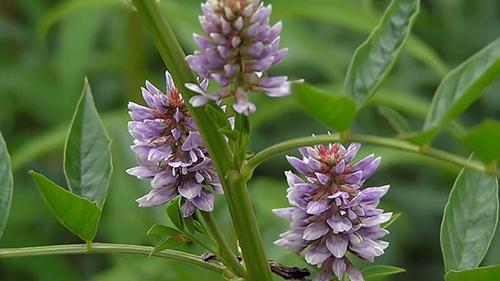
Licorice Plant Scientific Facts
- Other names: Licorice root, sweet licorice, sweet root.
- French: Reglisse.
- Spanish: Regaliz.
- Environment: Native to the Mediterranean and Middle East countries, it grows in wet, clay soils. Its growth has spread to warm regions of America.
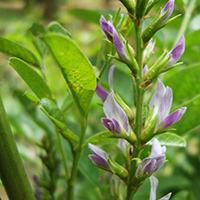
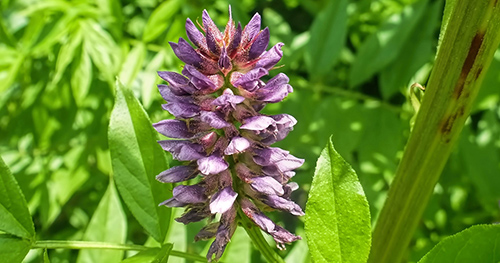
- Description: Vivacious herb of the Leguminosae family (papillonaceae subfamily), growing up to 1.5 m high. Its leaves are formed by small oval folioles (from seven to 17). It has blue-violet flowers and legume-like fruits about two cm in size. From its main root grow many large rhizomes as thick as a finger.
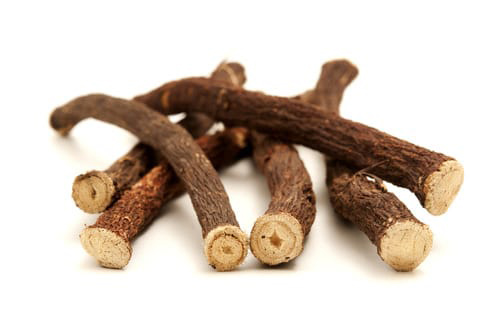
- Parts of the plant used medicinally: The root and rhizome.
Healing Properties and Warning
Licorice contains several groups of active substances:
Browse practical items related to herbal routines.
As an Amazon Associate I earn from qualifying purchases.
- Unlike many saponins, Triterpene saponins, mainly glycerin, do not have hemolytic properties. These saponins give the plant expectorant, antitussive, anti-inflammatory, and emollient properties.
- Flavonoid substances, especially lichirhitine and small amounts of atropine, to which it owes its antispasmodic, antibiotic, digestive, and healing properties.
- Vitamins of the B group, sugars, and resins.
The most critical applications of the licorice plant are the following:
- Respiratory afflictions: bronchitis, cough, bronchi catarrhs, pharyngitis, laryngitis, hoarseness, and tracheitis. It promotes expectoration and eases coughs and airways. It also has antibiotic properties against the most common pathogen bacteria of the bronchi. It is also used for tuberculosis as a complementary treatment.
- Digestive afflictions: The Licorice plant has a notable effect on the stomach, calming the acidity and quickly resolving the sensation of a heavy or upset stomach. It is successfully used in all kinds of dyspepsia, belching and gas, stomach aches, intestine and liver colics, and gastritis.
- Gastric and duodenal ulcer: In 1950, this sweet root was scientifically proven to heal stomach and duodenal ulcers. Many people who have recovered from these ulcers bear witness to this fact. Licorice has been proven to form a protective film over the stomach mucous membrane, preventing the corrosive action of gastric juices from acting on this mucous membrane and allowing quick healing. At present, licorice extract is an indispensable part of several anti-ulcer medicines.
- Tobacco addiction: In cures of toxicity from tobacco, licorice renders good results. Besides contributing to regenerating the digestive and respiratory mucous membranes, its attractive flavor helps defeat the urge to smoke.
- Gynecologic afflictions: Because of its antispasmodic action, this plant is used to ease menstrual aches.
- Skin, eye, and mouth afflictions: It is used externally for eczema, psoriasis, impetigo, and other dermatitis, as well as in eye baths for conjunctivitis and mouth rinsings to treat stomatitis.
WARNING! The licorice plant contains small amounts of a steroid substance that stimulates the suprarenal glands. So, when consumed in high doses or for extended periods (more than three months), it can produce symptoms of hyperaldosteronism, fluid retention (edema) in the joints (especially the ankles) or the face, nausea, and headache, muscle cramps, and high blood pressure.
These side effects are caused by decreased potassium in the blood and increased sodium levels. They quickly disappear when the treatment is stopped. Prolonged consumption of the licorice plant is not recommended in arterial hypertension, pregnancy, or when corticoid-based treatments are followed.
Licorice root is mainly used to treat hoarseness, coughs, bronchial problems, and similar ailments. It can also benefit stomach conditions like peptic ulcers and kidney and bladder ailments. Licorice root makes bitter tonics more palatable and aids in balancing herbal formulas. It is an excellent remedy for all types of stomach and intestinal ulcers.
The root helps fight bacterial and parasitic infections and inflammation. It is also a remedy for lung congestion, colds, and flu and is a common ingredient in cough syrups. Licorice can increase the fluidity of mucus in the lungs and bronchial tubes, reduce muscle spasms, and cleanse the colon.
It is also a mild laxative suitable for children and the elderly. This medicinal herb can inhibit plaque and bacteria from forming and sticking to tooth enamel. Combine licorice root with coltsfoot, horehound, ginger, and sage for hoarseness and throat problems.
The plant is also helpful for hypoglycemia, glandular infections, herpesvirus, enlarged prostate depression, emphysema, chronic fatigue, asthma, and allergies. Licorice root powder mixed with other herbs can treat children’s throat and lung problems. It can also be utilized to treat menopausal symptoms, premenstrual syndrome, and inflammatory bowel disorders.
A strong root decoction can be a mild laxative and fever reducer in children. Adding it to other medicinal herbs and drug medications can make them taste better. In addition, it is used for upper respiratory tract infections. The herb also protects against atherosclerosis.
Licorice root may also inhibit the replication of HIV by stimulating the production of interferon. There is also evidence that it can prevent hepatitis C from causing cirrhosis and cancer. The extract seems to have similar activities to cortisone and estrogen. Licorice produces large amounts of aldosterone and cortisone by inducing the adrenal cortex.
The root possesses a chemical structure similar to human steroid hormones called glycyrrhizin. Three other herbs combined with licorice also have similar hormone-like substances: sarsaparilla, wild yam, and ginseng. Europeans use licorice to help people with ulcers recover.
NOTE: The candy we buy in the candy store is unhealthy because of the white sugar content, mainly consisting of anise and not licorice.
European forms such as Glycyrrhiza lepidota and wild licorice are used in Germany medicinally for clogging of the upper respiratory tract and duodenal and gastric ulcers. According to research done in China, it is better than codeine and is one of the most widely used herbs in Chinese herbal prescriptions. You can also use it to detoxify possibly dangerous poisons. Although used in Germany for medicinal purposes, it is not used for more than four to six weeks at a time because extended use can increase blood pressure.
How to use Licorice
- Infusion
- Cold extract: Steep 40 or 50 g of ground root in one liter of cold water for one night. Strain in the morning, and drink from three to six cups daily.
- Extract
The same infusion employed for internal use can be externally applied:
- It compresses the skin.
- In eye baths.
- In mouth rinsings.
Decoction: Simmer for five to fifteen minutes and take one tablespoon as needed. Tincture: Take thirty to sixty drops ½ to one teaspoon two to three times daily. Fluid Extract: ½ to one teaspoon two to three times daily. Syrup: Take one teaspoon to one tablespoon as needed. Powder: Take up to ten #0 capsules (60 grains) daily.
DISCLAIMER: All content on this website is presented solely for educational and informational objectives. Do not rely on the information provided as a replacement for advice, diagnosis, or treatment from a qualified medical expert. If you are pregnant, nursing, or have any preexisting medical concerns, talk to your doctor before using any herbal or natural medicines.
REFERENCES
- George D. Pamplona-Roger, M.D. “Encyclopedia of Medicinal Plants.” George D. Pamplona-Roger, M.D. Encyclopedia of Medicinal Plants. Ed. Francesc X. Gelabert. Vols. 1 San Fernando de Henares: Editorial Safeliz, 2000. 308,309. Print. [licorice plant]
- Vance Ferrell Harold M. Cherne, M.D. The Natural Remedies Encyclopedia [Book]. – Altamont, TN: Harvestime Books, 2010. – Vol. Seventh Edition: 7: pp. 166, 167.
